

Srinagar’s religious places are best experienced when you approach them as a part of the city’s living culture, not just as a checklist. The experience moves between lakeside shrines, old-city mosques, hill-top temples, heritage sites and architectural stops.
What you include depends on your travel style. Some places are important for pilgrimage, some for architecture, some for atmosphere, and some for understanding old Srinagar.
Major Religious Sites in Srinagar
Hazratbal Shrine – Srinagar’s Major Lakeside Shrine
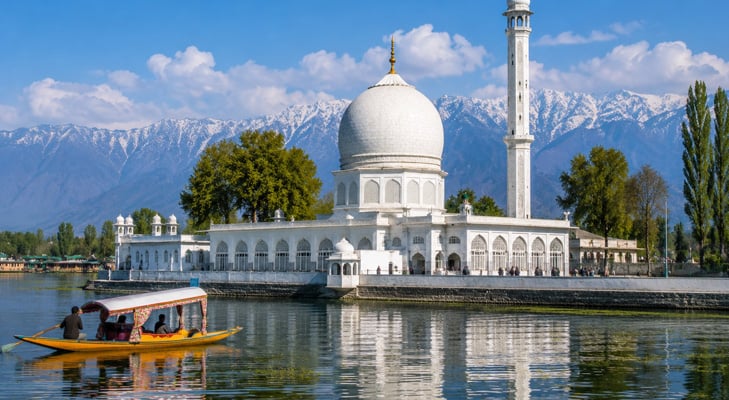
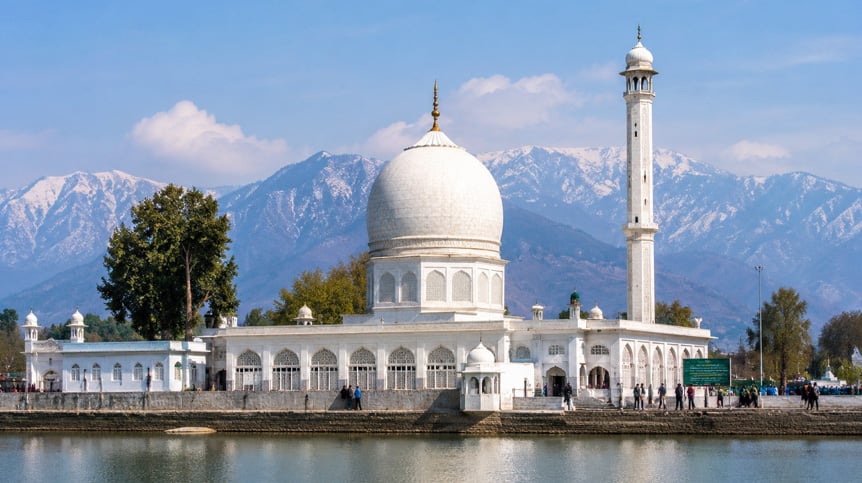
Hazratbal Shrine is one of Srinagar’s most important Muslim religious landmarks and a major spiritual site on the banks of Dal Lake. The white marble structure and lakeside setting make it one of the city’s most recognisable spiritual spaces.
The shrine functions as a living place of worship rather than a monument-style tourist attraction, so the atmosphere and prayer rhythm shape the experience more than the structure of sightseeing.
Best suited for
- Travellers interested in Sufi-linked spiritual culture
- Visitors are comfortable with moderate crowds
- Photography enthusiasts are respectful of prayer-space boundaries
- Travellers wanting a calm lakeside spiritual atmosphere
Practical visit notes
- Footwear removal is required in designated areas.
- Dress modestly with shoulders and knees covered.
- Avoid intrusive photography near worshippers.
- Respect restricted-access areas if guided by shrine attendants.
Shankaracharya Temple – Hilltop Spiritual and Viewpoint Experience
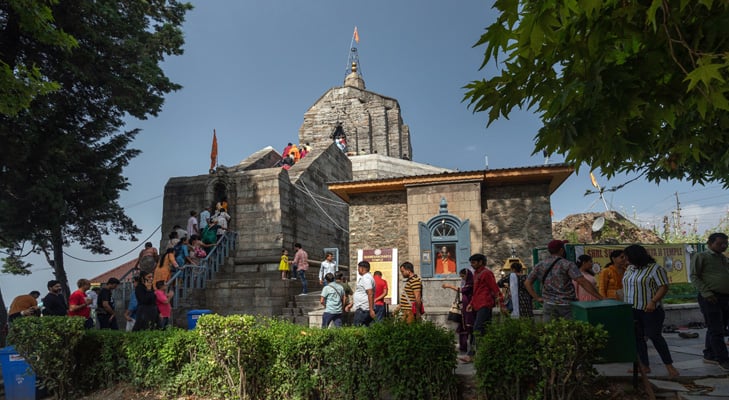
Shankaracharya Temple is a historic Hindu temple located on Shankaracharya Hill overlooking Srinagar and Dal Lake. The temple is known for its elevated setting, stone architecture, and panoramic city views.
The experience combines spirituality, moderate climbing effort, and scenic observation.
Best suited for
- Travellers seeking quiet temple surroundings
- Visitors are comfortable with stairs and moderate walking
- Photography enthusiasts interested in panoramic views
- Travellers wanting a contemplative atmosphere
Practical visit notes
- Comfortable footwear is strongly recommended for the stair climb.
- Footwear must be removed near sacred sections.
- Security checks may occur before entry.
- Dress modestly and maintain quiet behaviour.
Smaller Mosques, Temples, and Churches
Srinagar also contains several smaller neighbourhood mosques, temples, and churches that contribute to the city’s layered spiritual identity.
These spaces are less tourism-focused and more community-oriented.
What they are known for
- Quiet local prayer environments
- Community-focused devotional activity
- Simpler architecture and smaller courtyards
- Every day, the Srinagar cultural atmosphere
Practical timing guidance
Most smaller religious spaces operate around daylight hours and prayer cycles rather than fixed tourist schedules.
Best visit periods
- Late morning and late afternoon generally work best.
- Avoid entering during active prayer unless visitors are clearly permitted.
- Fridays and festivals often create heavier congregation movement.
Practical Etiquette and Crowd Guidance
Clothing and behaviour
- Modest clothing is strongly recommended at all religious sites.
- Shoulders and knees should remain covered.
- Footwear removal is compulsory in many prayer areas.
- Carry socks if visiting during warmer months.
Photography guidance
- Flash photography may be restricted.
- Avoid photographing worshippers closely without permission.
- Respect no-photography zones where marked.
Family and senior traveller notes
- The Shankaracharya Temple involves a stair climb and may require a slower pace.
- Hazratbal’s courtyard areas are comparatively easier for families and older visitors.
- Prayer crowds can cause congestion on Fridays and during festivals.
Best overall timing strategy
- Early morning for Hazratbal Shrine
- Morning to early afternoon for Shankaracharya Temple
- Late morning or late afternoon for smaller community religious spaces
Guided vs Self-Guided Visits
Most religious sites in Srinagar can be explored independently, though local guides can enhance cultural understanding and route planning.
Self-guided visits work well for
- Calm heritage exploration
- Photography-led walks
- Flexible sightseeing schedules
- Combining sites with Dal Lake or old-city routes
Guided visits are useful for
- Understanding Kashmiri spiritual traditions
- Navigating crowded festival periods
- Combining multiple religious and heritage sites efficiently
- Visitors unfamiliar with local etiquette
A half-day cultural route combining Hazratbal Shrine and Shankaracharya Temple works especially well for first-time visitors.


 Chashme Shahi
 Dal Lake Srinagar
 Hazratbal Shrine
 Khanqah-e-Molla
 Kheer Bhawani Temple
 Mughal Garden