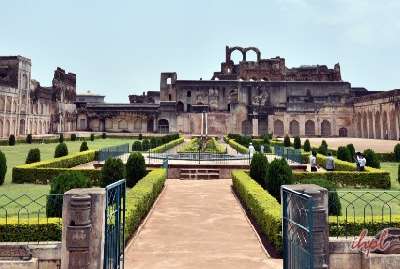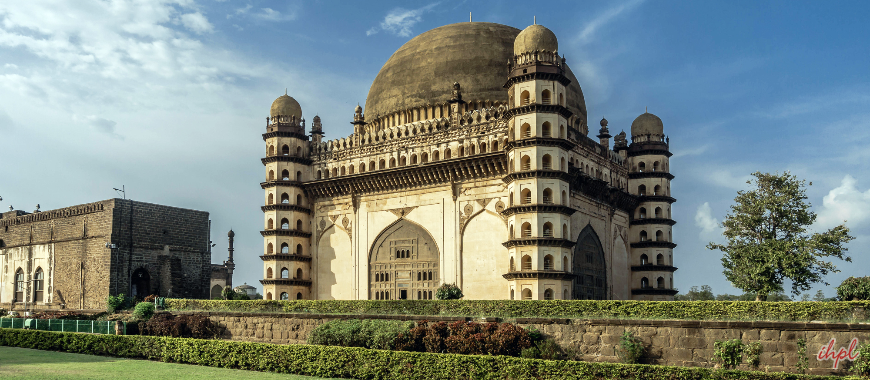

The best time to visit Bijapur depends on how you plan to structure your trip — whether you want to cover major monuments efficiently, focus on photography, or combine Bijapur with a wider Karnataka heritage circuit.
Since most experiences involve walking through large heritage complexes and open courtyards, the season directly affects how comfortably you can move between sites and how many landmarks you can realistically cover in a day.
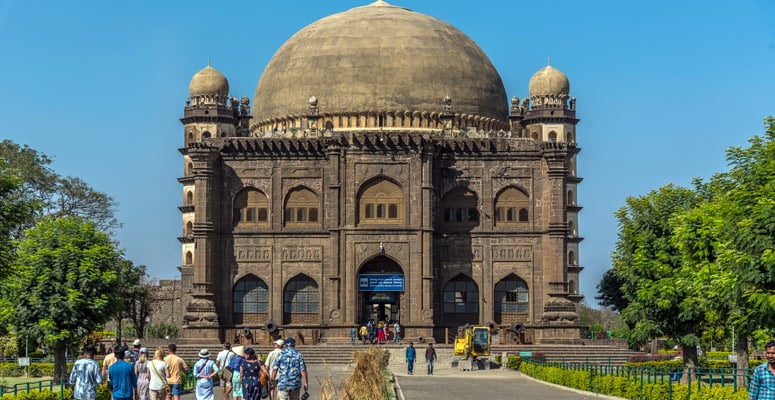
For example, October to February allows you to combine Gol Gumbaz, Ibrahim Rauza, and Bijapur Fort within a single day without restricting movement to early morning or late evening hours.
When to Visit Bijapur: Tips for Different Types of Travellers
Below is a breakdown of the best time to visit Bijapur based on different travel priorities.
Best for different kinds of travellers, whether you’re looking for relaxed sightseeing, a family-friendly trip, or the perfect shots of Bijapur’s historic marvels.
Best Time for Comfort & Leisurely Exploration
Ideal months: October to February
This period allows you to explore Bijapur’s key monuments without compressing sightseeing hours or structuring the day around heat avoidance. It allows you to comfortably combine Gol Gumbaz, Ibrahim Rauza, and nearby heritage sites within a single or two-day itinerary.
Explore our Karnataka Heritage Tour for a relaxed cultural journey.
Best Time for Families
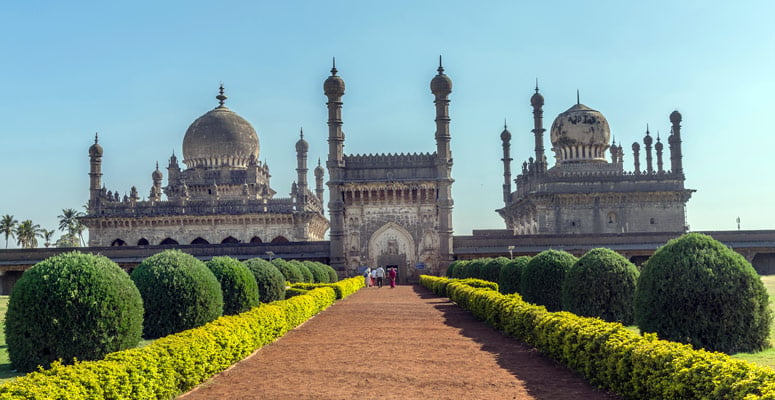
Ideal months: November to February
Families with kids or elderly members will find this the easiest time to explore Bijapur. This period makes it easier for families to structure the day with breaks, combine multiple sites, and avoid fatigue from long walking distances.
Browse our Bijapur Tour Packages designed for family-friendly travel.
Best Time for Nature and Heritage Lovers
Ideal months: October to February
This period suits travellers who want to explore quieter monuments and lesser-visited heritage areas without peak-hour congestion.
Explore Jumma Masjid, stroll through the Bijapur Fort gardens, and admire Chowk Bazaar’s heritage streets. Cooler weather makes long walks more enjoyable, and soft light brings out architectural details.
Best Time for Photographers
Ideal months: October to November, February
This period allows photographers to plan sunrise and sunset shoots across multiple monuments within the same day without logistical constraints. Visit Mecca Masjid, Malik-e-Maidan, and the quiet corners of Bijapur Fort for dramatic shadows and soft lighting. For added value, plan the route that helps you capture a mix of wide shots of the fort and detailed close-ups of carvings at Gagan Mahal.
Plan your photography-focused trip with our Deccan Tour.
Best Time for Heat-Sensitive Travellers
Ideal months: October to February
During these months, the weather in Bijapur allows longer outdoor exploration without restricting movement to early morning and late evening hours. At Bijapur Fort or Jumma Masjid, the open courtyards feel comfortable to explore, and gentle breezes make long strolls enjoyable. The overall experience is calm and relaxed; you can spend hours sightseeing without the heavy, sticky heat of summer.
Best Time for Fewer Crowds
Ideal months: July to September
If you prefer quieter experiences, avoid Bijapur’s peak tourist season. During these months, temperatures rise, and popular sites like Gol Gumbaz, Malik-e-Maidan, and Jumma Masjid can feel crowded and hectic. Walking through open courtyards or narrow passageways can be uncomfortable in the heat, and finding a spot to rest can be tricky.
How Season Framing Shapes Your Bijapur Experience
Winter (October to February)
Winter allows full-day monument coverage with minimal disruption from heat, making it the most efficient season for structured sightseeing, such as exploring Gol Gumbaz, Gagan Mahal, or the fort gardens. It enables smoother movement between monuments without the need for extended breaks or schedule adjustments. Evenings are ideal for strolling through Chowk Bazaar or enjoying local snacks, as the air stays cool and refreshing.
Monsoon (July to September)
Monsoon suits travellers who prefer quieter sites and flexible pacing, though movement between locations may be affected by rain. While the streets and monuments are quieter, rain can make pathways slippery, and some open courtyards may be waterlogged. Short, rainy walks feel refreshing, but heavy showers can disrupt sightseeing plans, so carrying waterproof gear is essential. Monsoon months offer lower visitor volume and quieter monument access, making them suitable for travellers who prioritise less crowded experiences over fixed sightseeing schedules.
Summer (March to June)
Summers can be intense, with daytime temperatures often exceeding 40°C. Exploring open areas like Malik-e-Maidan or Jumma Masjid in the afternoon can feel exhausting. Narrow streets and courtyards heat up quickly, making short morning or late-afternoon visits far more comfortable. Planning multiple breaks in shaded areas or nearby cafés is key to enjoying the city without overheating.
Planning Tips for Bijapur
Stay Near the City Centre: Choose accommodation close to main areas to reduce travel time, allow for midday rest, and make sightseeing easier for families and elders.
Plan Around Cooler Hours: Mornings and late afternoons are ideal for outdoor exploration. Midday can be hot, so use that time for indoor visits, meals, or short rests.
Include Lesser-Known Spots: Balance your itinerary with quieter streets, gardens, and hidden corners. These offer a more relaxed experience and help avoid the busiest areas.
Mind Elders & Children: Uneven paths or long walks can be tiring. Bring a walking aid for elders, and pack snacks and water for children to keep everyone comfortable throughout the day.
Check Local Festivals & Holidays: Festivals can enhance your trip with cultural experiences, but may also increase crowds. Plan your visit accordingly.
Practical Planning Signals
| Planning Signal | Details |
|---|---|
| Booking Lead Time | Peak (Oct–Feb): 2–3 weeks Off-season: 1–2 weeks |
| Pricing Expectations | Highest: Winter weekends & holidays Moderate: Winter weekdays Lowest: Summer & monsoon |
| Crowd Levels | High: Winter weekends & holidays Moderate: Winter weekdays Low: Summer and monsoon |
| Ideal Trip Duration | 1–2 days are sufficient to explore major monuments like Gol Gumbaz, Ibrahim Rauza, and Bijapur Fort comfortably. |
Explore Relevant Tours / Itineraries
Once you’ve identified the best time to visit Bijapur based on your travel style, the next step is choosing an itinerary that matches your pace, interests, and overall Karnataka travel plan.
These curated journeys help you combine Bijapur with nearby heritage towns, cultural sites, and extended regional circuits in a structured and well-paced way:
Choose based on your travel style and preferred pace.