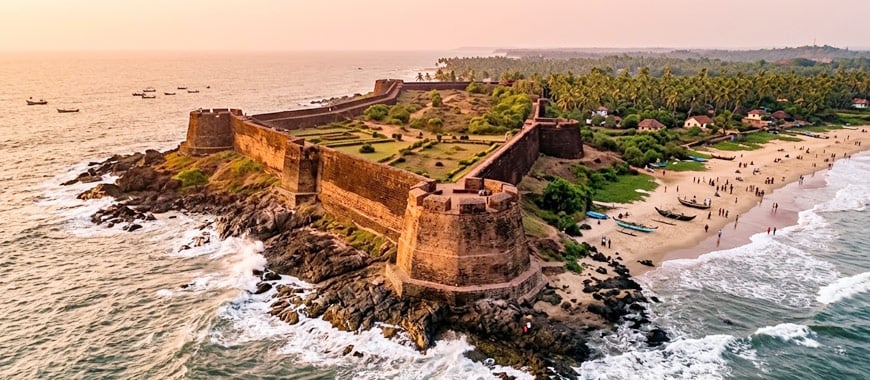

December to February is the peak season for Bekal tourism, offering ideal weather for exploring Bekal Fort and the coast. November and March are pleasant shoulder months, while June to September brings heavy monsoons. April and May are hot, making early morning or late afternoon the best times for sightseeing.
Below, Bekal’s calendar is unpacked so you can plan your dream vacation at the right time.
Best Time To Visit Bekal For Luxury Travellers
Months: November – February
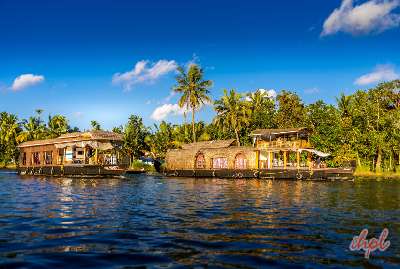
This winter period suits travellers who approach Bekal as a refined coastal escape rather than a checklist destination. You can spend your days indulging in relaxed private backwater cruises, curated Kerala cuisine experiences, and long stretches of quiet beach time. Many luxury travellers also set aside time for Ayurvedic wellness therapies, sunset sailing along the coast, and guided heritage walks around the Bekal Fort that reveal the region’s age-old history.
Many luxury resorts around Bekal operate at near-full occupancy during the Christmas and New Year weeks. Booking beachfront resorts at least 6–8 weeks in advance ensures better room categories and sunset-facing villas.
Sail, unwind, and indulge along Kerala’s coast with the Kovalam Ashtamudi Luxury Tour.
Best Time to Visit Bekal For Families and Couples
Months: December – March
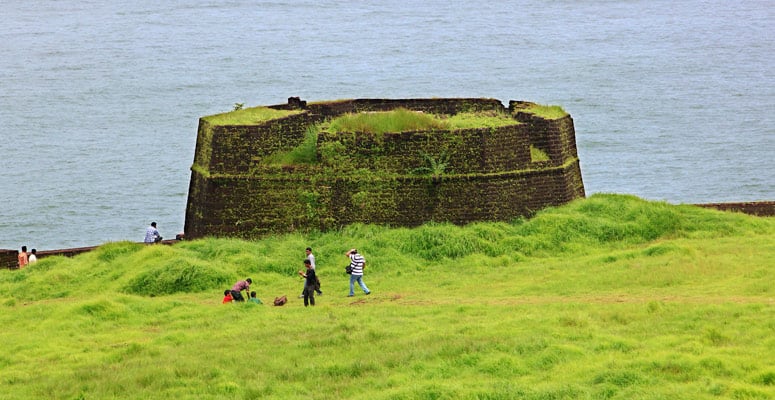
During these months, Bekal’s coastal climate is warm with dry days and gentle sea breezes. Families can plan long beach days without worrying about sudden showers, enjoy calm backwater cruises, and explore safe, shallow coastal stretches with children. Families can also combine Bekal with Wayanad or Coorg hill stations, making winter the most comfortable season for multi-destination Kerala itineraries.
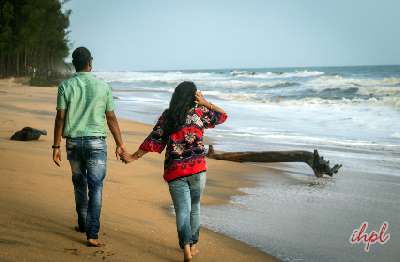
Couples can take leisurely walks along the quiet shorelines, indulge in private sunset dinners, and visit the fort without the crowd. The clear skies make it easy to combine sightseeing, water-based activities, and relaxed resort downtime for a stress-free and safe trip.
All the love birds out there, enjoy moments of companionship amidst Kerala’s splendours with Romantic Kerala Tour.
Best Time to Visit Bekal For Nature and Wildlife Exploration
Months: October – February
If you love observing wildlife, visit Bekal between October and February. The days stay dry and breezy, which keeps the backwaters and wetlands accessible. You can spot kingfishers, herons, and other shorebirds along the river channels. Forested areas and mangroves near Kasaragod open up for short hikes and boat rides. Early mornings are great for greeting the region’s birdlife. Late afternoons let you catch wildlife against soft light. This season lets you explore both the coast and nearby forests without dealing with sticky humidity, which is common along the coastal lines.
Don’t stay restricted to Bekal’s wildlife wonders and explore the best of South India’s wilderness with Heritage of South India with wildlife tour.
Best Time to Visit Bekal For Heat-sensitive Travellers
Months: November – January
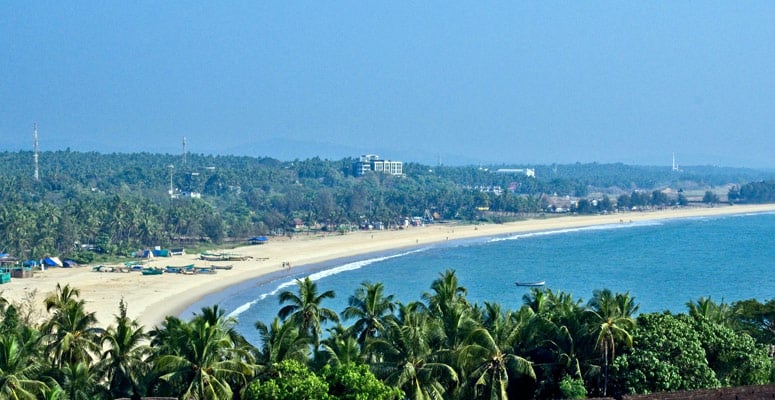
If the summer humidity drains you, try visiting just before the peak winter rush. The days are warm, but the sea breeze keeps the coastal areas manageable. You can explore small fishing villages without stopping every few minutes for shade. Roads to the forts and viewpoints are less sticky than during summer, so walking around feels doable. Sunrise on the beach feels energising, and even short hikes to lookouts are comfortable and non-slippery. This period lets you see Bekal beyond the resorts, without the fatigue that comes from full summer heat.
Best Time to Visit Bekal For Photographers
Months – October – March
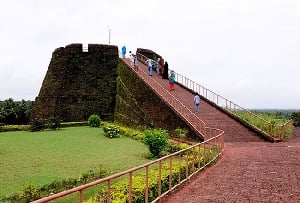
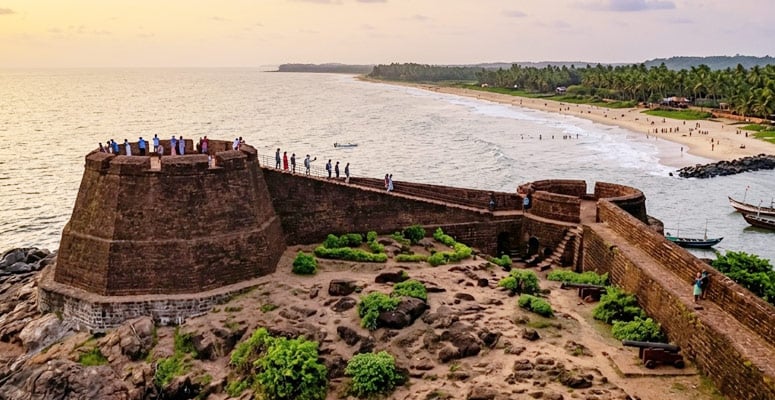
The clear skies and soft sunlight during these months create ideal conditions for photography across Bekal’s coast. You can capture the contrast between the laterite walls of Bekal Fort and the Arabian Sea, framed by towering coconut palms. Early mornings offer golden light over quiet beaches, while late afternoons highlight fishing boats, backwater reflections, and coastal village life. There is also low tourist traffic during these months. You are more likely to enjoy uncluttered frames, perfect for portrait shots, landscape panoramas, or storytelling imagery that captures the authenticity of Kerala’s northern coastline.
Rare and Off-beat clicks are the most sought-after! Get a handful of them on our Offbeat Kerala Tour.
Best Time to Visit Bekal To Avoid Tourist Influx
Months: June – September
Short answer? Monsoons.
Beaches stay largely empty, and even popular forts feel spacious. Rain clouds and coconut groves provide you with those enticing and striking backdrops. You can take unscheduled detours into nearby villages or explore minor coastal trails that are normally crowded in winter. Boat rides feel adventurous with occasional drizzles, and you may find yourself sharing spots with only locals. You will also find very good guides on short notice. This season is for travellers who have space for spontaneous exploration on their itineraries.
Explore tranquil waterways and palm-fringed coastlines when you book Kerala beach tour packages featuring the Majestic Kerala itinerary.
Seasonal Framing
Summer (March-May, 28°C-36°C) Better suited for travelers who prefer relaxed resort stays rather than heavy sightseeing. Stick to early mornings or late afternoons. Visit the beaches, Bekal Hole Aqua Park, or explore temples when it’s cooler, and keep water and sunscreen handy.
Monsoon (June-September, 26°C-32°C) turns Bekal lush green and serene. It’s the perfect time for backwater rides under the soft drizzle, exploring local culture in Nileswaram, or visiting Nityanandashram Caves.
Winter (December-February, 20°C-25°C) Best for structured Kerala itineraries combining beaches, forts, and backwater visits. Comfortable temperatures make long fort walks and sunset beach strolls enjoyable.
Practical Planning Tips
Booking Lead Time
The winter months from November to February are usually hectic. It’s smart to book your flights to Mangalore (IXE) or Kannur (CNN) and your hotels at least a month in advance. During quieter months, you can comfortably make reservations 2 to 3 weeks ahead and still find good deals on flights and better room choices.
Peak Pricing Expectation
During the peak season in December and January, expect your trip costs to rise by 25% to 40%, as both flights and luxury resorts become more expensive due to school holidays and festive demand. The shoulder months of April or September are great for beneficial deals on hotels and flights. Many resorts also offer packages that include meals and local transfers.
Crowd Intensity
Crowd intensity peaks between December and February, particularly on weekends and around the annual Bekal International Beach Festival. If absolute solitude is your priority, the monsoon season (June to August) is your best bet for avoiding tourist crowds.
Local Festivals
The Bekal International Beach Festival (December) is the regional anchor for tourism, bringing large crowds from across the world. Many pilgrims also arrive for the Mahashivratri festival at Madhur and Mallikarjuna temples (February-March). These events offer a rare, unfiltered look at North Keralan culture. However, they are accompanied by traffic diversions and transport crunch.
Recommended Trip Duration
A 3 to 4-day trip works best for Bekal, letting you explore the beaches, Bekal Fort, and nearby backwaters at a relaxed pace. Within this duration, you can also include short drives to Kasaragod, Nileshwar, or Chandragiri Fort, to get a glimpse of northern Kerala’s heritage and village life.
Plan Your Personalised Bekal Trip With IndianHoliday
Make the most of your North Kerala getaway with IndianHoliday! Our experts help you plan when to visit Bekal’s beaches and fort while suggesting nearby escapes in Kasaragod, backwaters, and hidden coastal spots. You can pick the season that suits your interests and build a trip that balances sightseeing, relaxation, and local experiences. Browse our handpicked travel packages for ideas on Kerala’s routes, stays, and activities.