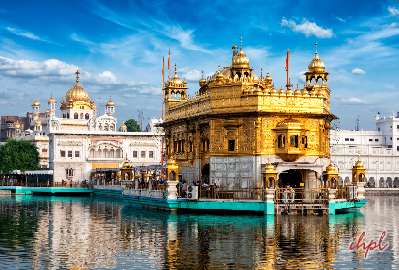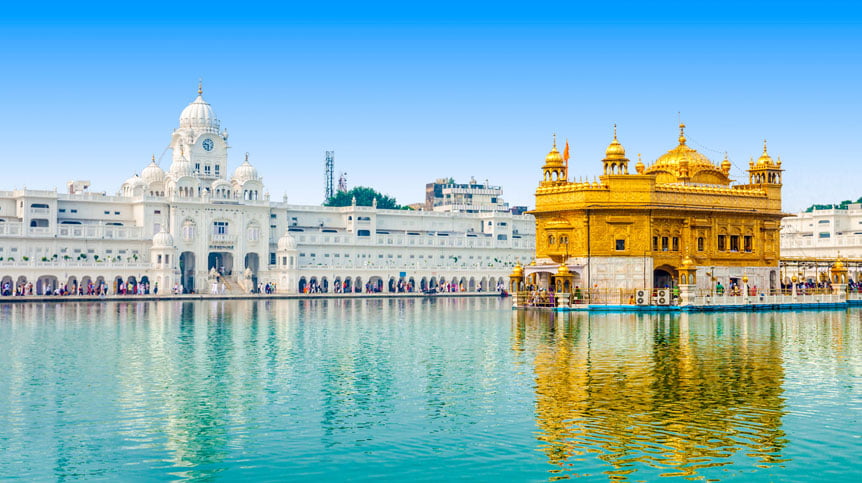

Amritsar, the cultural and spiritual heart of Sikhism, is best understood through sacred Sikh heritage, India’s freedom & Partition history and Punjabi cultural life. This is not a city where a long checklist gives you a better trip. The experience usually comes from properly planning the city’s attractions.
This guide is meant for spiritual travellers, families, first-time visitors to Amritsar, and culture-focused travellers.
Planning Snapshot
Ideal Stay: 2 days for first-time travellers; 3 days if you want museums, local food, markets, and a relaxed pace.
Best Pacing: Start early at Sri Harmandir Sahib, keep museums for the late morning or afternoon, and reserve the evening for the Wagah-Attari Border or Heritage Street.
Guided Context: Helpful for Jallianwala Bagh, Partition Museum, Gobindgarh Fort, and the Wagah-Attari Border ceremony.
Best Suited For: Spiritual travellers, families, history-focused travellers, culture seekers, and travellers adding Punjab to a North India itinerary.
Short-Stay Advice: If you have only one day, prioritise the Golden Temple, Jallianwala Bagh, the Partition Museum, and the Wagah-Attari Border.
Top attractions to explore in Amritsar
1. Most Iconic Landmarks
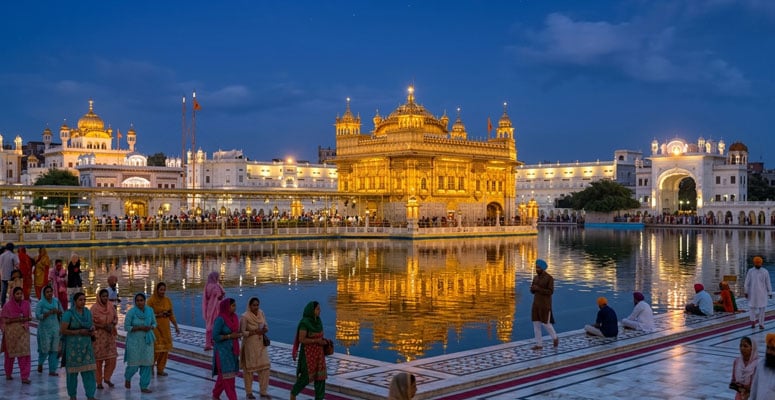
These are the places most first-time visitors should plan around. They carry the city’s spiritual, historical, and emotional value and also form the most practical sightseeing route.
• Sri Harmandir Sahib (Golden Temple)
Sri Harmandir Sahib is the spiritual centre of Sikhism and Amritsar’s most meaningful experience. It is not simply a monument to be seen but a living place of worship where prayer, music, service, and community life continue day and night.
• Jallianwala Bagh
Jallianwala Bagh is a solemn memorial connected with India’s freedom struggle. Its value lies in the pause it creates. After the devotional energy of the Golden Temple, this site brings the traveller into a more reflective part of Amritsar’s history.
• Wagah-Attari Border Ceremony
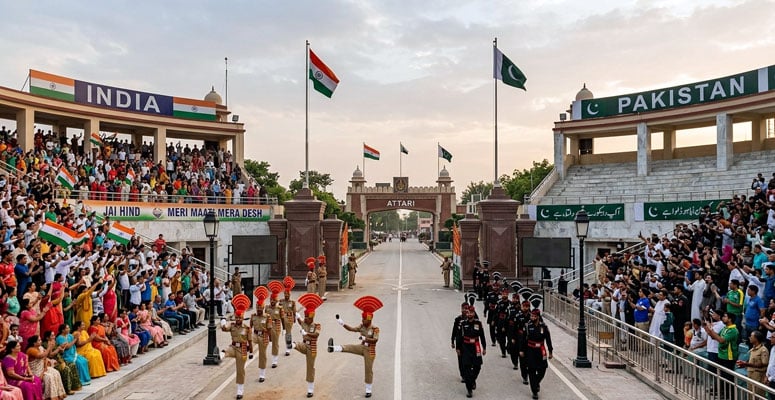
The Wagah-Attari Border ceremony is one of the most distinctive experiences near Amritsar. It is a patriotic border-closing ceremony marked by military drill, crowd energy, and a strong public atmosphere. Travel time, entry procedures, waiting time, the ceremony, and crowd dispersal together make it a half-day plan.
2. History and Culture Museums
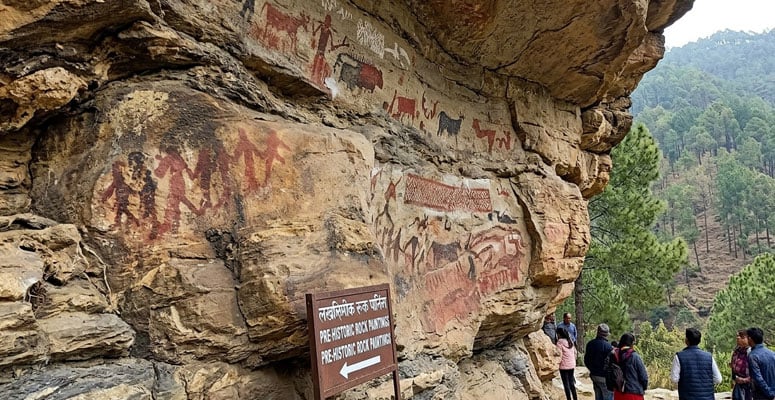
Amritsar’s museums help visitors understand Punjab beyond the Golden Temple. They add context to Partition memory, Sikh and Punjabi history, martial traditions, and the city’s identity.
• Partition Museum
The Partition Museum gives emotional and human context to the 1947 Partition. It is one of the most important cultural stops in Amritsar for travellers who want to understand the city beyond its religious identity. Its strength lies in personal stories, objects, oral histories, and the quiet weight of memory.
• Gobindgarh Fort
Gobindgarh Fort presents Punjab’s royal, military, and cultural past in a more visitor-friendly format. It is different in mood from Jallianwala Bagh and the Partition Museum because it often combines history with exhibits, performances, and cultural presentations.
• Punjab State War Heroes’ Memorial & Museum
The Punjab State War Heroes’ Memorial & Museum highlights Punjab’s military contribution and martial traditions. It works particularly well for travellers who want to connect the Attari-side experience with a deeper defence-history context.
• Maharaja Ranjit Singh Museum/Ram Bagh Palace
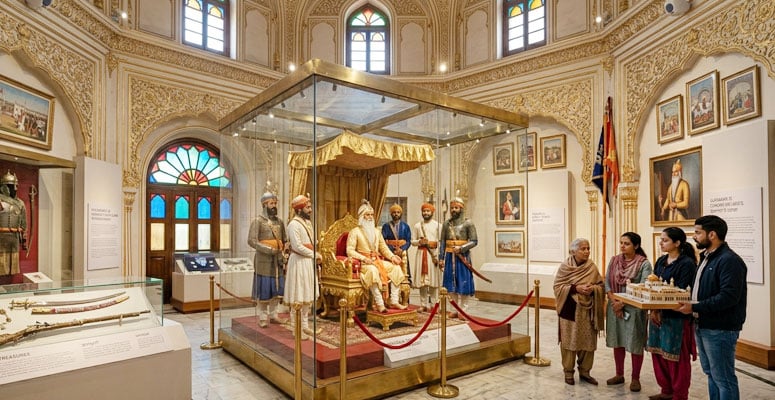
Maharaja Ranjit Singh Museum and Ram Bagh Palace add value to Sikh royal history and the legacy of Maharaja Ranjit Singh. This is a selective cultural stop rather than a priority for every first-time visitor.
3. Significant Religious Sites Beyond the Golden Temple
These sites are useful for travellers who want to understand Amritsar’s wider sacred landscape. They are especially relevant for pilgrims, repeat visitors, and travellers with a deeper religious interest.
• Shri Durgiana Temple
Shri Durgiana Temple is a major Hindu temple in Amritsar, featuring a sacred tank and striking architecture. It adds another religious layer to the city without needing to be compared too heavily with the Golden Temple.
• Bhagwan Valmiki Tirath Sthal / Ram Tirath
Bhagwan Valmiki Tirath Sthal, also known as Ram Tirath, is a significant religious site associated with the Ramayana tradition. It holds devotional importance and attracts travellers with a deeper interest in mythology and pilgrimage. Since it sits away from the main old-city cluster, it needs to be planned more carefully.
Heritage Streets, Markets, and Local Flavours
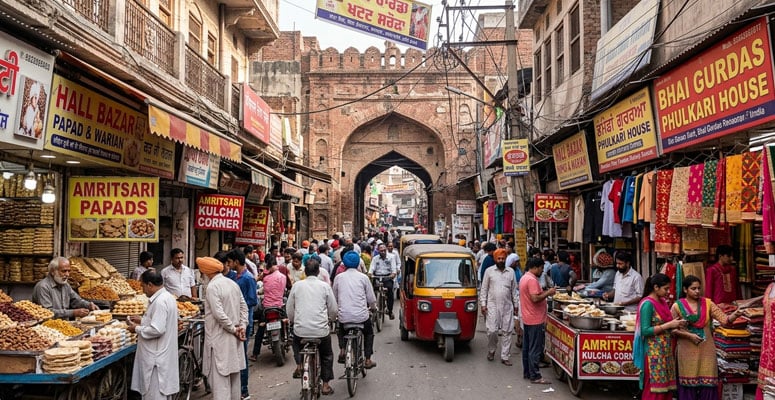
This section is useful for sightseeing. Its main purpose is to help travellers choose what to see and how to plan their time.
• Heritage Street and Hall Bazar
Heritage Street helps travellers understand the old-city movement around the Golden Temple. It connects key sightseeing points and gives a sense of the street atmosphere, especially in the evening. Hall Bazar and nearby lanes are useful for souvenirs, phulkari, juttis, small gifts, and local shopping. It is a good way to slow down after the more serious historical and religious stops.
• Sadda Pind
Sadda Pind gives a staged but accessible introduction to Punjabi village-style culture, food, crafts, and folk performances. It is not a replacement for the city’s core historic and spiritual attractions, but it can be a relaxed cultural evening.
4. Local Eateries to Pair With Sightseeing
Amritsar’s food culture is part of the travel experience, especially around the old city. Keep food stops practical and close to your sightseeing route rather than turning the day into a separate food trail.
• Bharawan Da Dhaba
Bharawan Da Dhaba is a good spot for a classic Punjabi vegetarian meal near the Golden Temple and the Town Hall side. It works well as a lunch or dinner stop after sightseeing in the old city. Since the food can be filling, it is better to have it after your main morning sightseeing rather than before a long walking stretch.
• Kesar Da Dhaba
Kesar Da Dhaba suits travellers who want an old-city-style Punjabi meal and do not mind narrow lanes, wait times, or a more traditional setting. It is best for visitors who are comfortable walking into the lanes. Avoid planning it too tightly before leaving for Wagah-Attari Border.
• Kanha Sweets
Kanha Sweets is a good spot for breakfast-style local flavours before or after morning sightseeing. It works well if you start early in the Golden Temple area. Keep it a practical morning stop rather than a long detour for food.
• Gurdas Ram Jalebi Wala
Gurdas Ram Jalebi Wala is a quick sweet stop while exploring the old city side. It is best treated as a short halt, not a separate sightseeing destination. Add it when walking around Town Hall, Heritage Street, or nearby lanes.
How to Plan Amritsar Sightseeing by Time Available
• If you have half a day
Prioritise:
- Golden Temple
- Jallianwala Bagh
- Heritage Street
This plan works only if you are staying near the old city or can start early. Do not try to add the Wagah-Attari Border into a half-day plan. The border ceremony requires a separate half-day due to travel, waiting time, security checks, and crowd movement.
• If you have one full day
Use the day in two clear halves.
Morning:
- Golden Temple
- Jallianwala Bagh
- Partition Museum
Afternoon / Evening:
- Wagah-Attari Border Ceremony
Optional food stop:
- Bharawan Da Dhaba for a sit-down vegetarian meal
- Kesar Da Dhaba if you are comfortable with narrow lanes and waiting
- Gurdas Ram Jalebi Wala for a quick sweet stop
• If you have two days
Day 1 focus:
- Golden Temple area
- Jallianwala Bagh
- Partition Museum
- Heritage Street
- Local food stops
Day 2 focus, depending on interest:
- Gobindgarh Fort for families and culture
- Durgiana Temple for religious interest
- War Heroes’ Memorial before Wagah-Attari Border
- Sadda Pind for a relaxed cultural evening
• If you have three days
Use the third day for selective additions rather than adding more stops for the sake of it.
Good additions include:
- Ram Tirath for a devotional plan
- Maharaja Ranjit Singh Museum / Ram Bagh Palace for Sikh royal history
- Deeper market time around Hall Bazar
- Sadda Pind for families or groups
- A second visit to the Golden Temple at a different time of day
Best Time to Visit
October to March is generally more comfortable for sightseeing in Amritsar. This period works better for walking-heavy old-city exploration, museum visits, and longer outdoor movement. Summers can be harsh, especially in the afternoon. If travelling between April and June, keep the Golden Temple and old-city walking for early morning or evening and use the hotter part of the day for indoor stops or slower-paced activities.
Travel Tips for Visiting
Plan Your Amritsar Sightseeing with IndianHoliday!
Amritsar is easiest to enjoy when sightseeing is planned carefully with the Golden Temple old-city circuit, the history-and-museum circuit, and the Attari-side patriotic circuit. A well-paced plan lets travellers experience the city’s spiritual depth, historical memory, and Punjabi cultural life without turning the trip into a rushed checklist.
IndianHoliday can help plan the right pace, hotel location, local transfers, guided context, and sightseeing sequence for families, spiritual travellers, history-focused guests, and visitors adding Punjab to a larger North India journey.