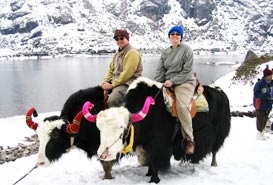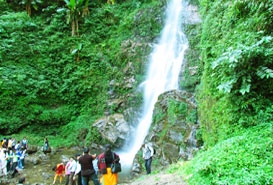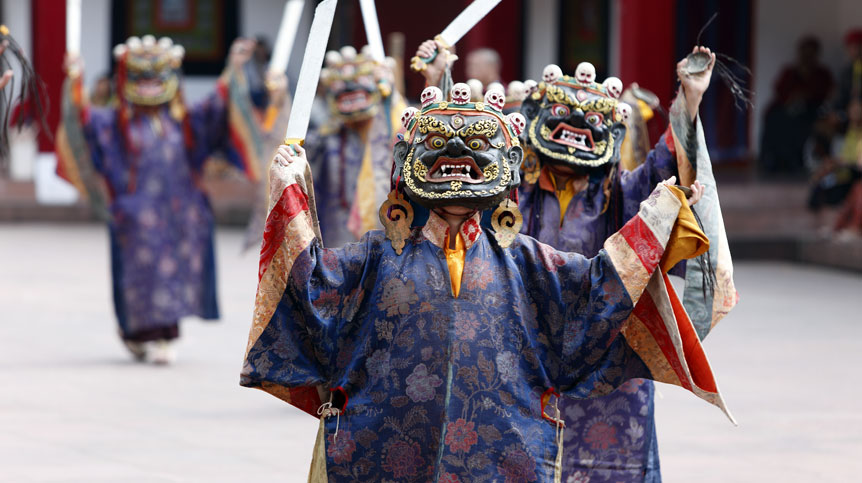

Sikkim’s appeal extends well beyond its monasteries, mountain views, and stunning landmarks. Its markets, cafés, local eateries, cultural venues, and seasonal festivals offer a different perspective, one rooted in everyday life, regional traditions, and community experiences.
For travellers, the challenge is often not finding things to do, but deciding which market is worth a detour, which food district deserves an evening, or which cultural space is best visited during a festival. This guide brings together Sikkim’s key shopping areas, food hubs, and cultural venues, helping you understand where each fits within your itinerary, who it suits best, and how to make the most of your time across the state.
Is Shopping and Culture in Sikkim Worth Prioritising?
Travellers visiting Sikkim primarily for landscapes and monasteries should view shopping and cultural experiences as supporting layers rather than trip-defining activities. A short evening on MG Marg, a visit to a handicrafts centre, and sampling local cuisine often provide enough cultural context without significantly altering sightseeing plans.
Travellers with a stronger interest in regional traditions, crafts, and local communities may find additional value in exploring local markets, cultural centres, and festival periods.
Explore Sikkim’s Food, Markets & Culture by Route & Travel Style
• Markets & Shopping Areas
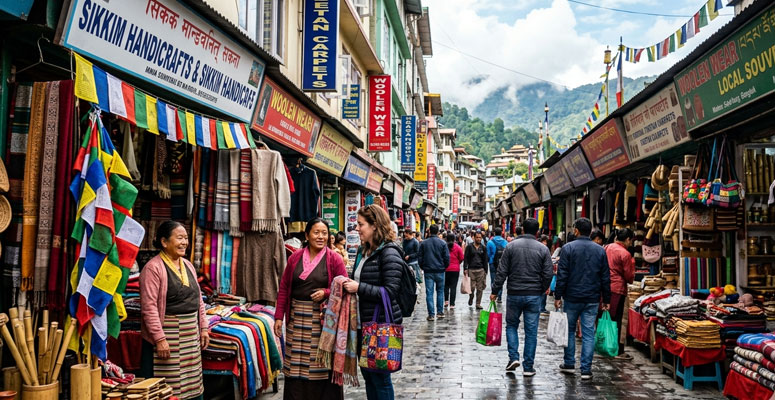
Shopping in Sikkim is closely tied to its cultural heritage, with markets showcasing local craftsmanship, Himalayan traditions, and products sourced from different regions of the state.
1. MG Marg – Gangtok
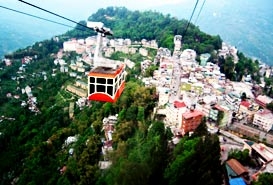
MG Marg is Sikkim’s best-known shopping street, celebrated for its pedestrian-only setting and mix of local and contemporary stores. Combine it with the Ropeway, Enchey Monastery, Namgyal Institute of Tibetology, and the Flower Exhibition Centre.
Who it suits: First-time Sikkim travellers, couples, evening walkers, souvenir shoppers, and family travellers.
Time to spend: 1 – 3 hours
What to buy: Sikkim tea, woollens, handicrafts, organic products, prayer flags, local spices, souvenirs
When to skip: Not ideal if you wish to haggle, as most sellers have fixed pricing and don’t budge.
2. Lal Bazaar (Khangchendzonga Shopping Complex) – Gangtok
Lal Bazaar is Gangtok’s most authentic local market, known for its fresh produce, regional ingredients, and everyday trading activity. Visit it alongside MG Marg, Ridge Park, and the Flower Exhibition Centre to experience a different side of the city beyond its tourist zones.
Who it suits: Food lovers, cultural travellers, photographers, local market enthusiasts, value-conscious travellers
Time to spend: 45 minutes–2 hours
What to buy: Local spices, fermented foods, fresh produce, traditional handicrafts, regional snacks
When to skip: Skip if you’re looking for branded stores, cafés, or a polished shopping promenade.
3. New Market and Old Market – Gangtok
These adjoining markets are popular for affordable shopping and a broad selection of everyday goods used by locals. They can be explored together with MG Marg, Lal Bazaar, and the Namgyal Institute of Tibetology during a day in central Gangtok.
Who it suits: value-conscious shoppers, repeat visitors, families, bargain hunters, retail browsers
Time to spend: 1 – 2 hours
What to buy: Clothing, footwear, accessories, household items, souvenirs, local snacks
When to skip: Not the best choice for premium handicrafts or high-end shopping.
4. Namchi Bazaar – Namchi
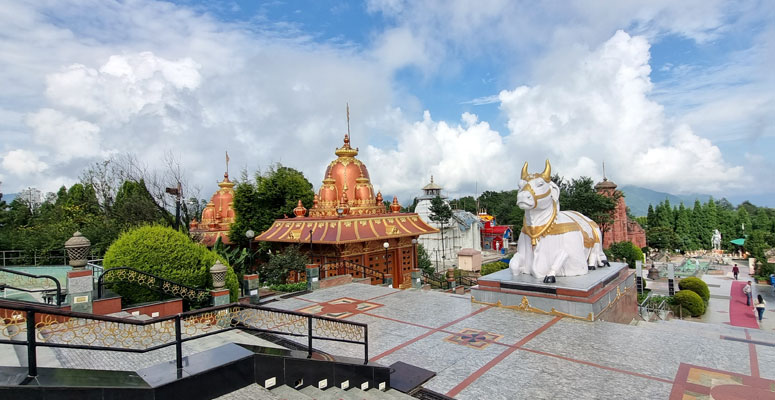
Namchi Bazaar brings together local traders, neighbourhood shops, and small businesses that serve much of South Sikkim. A visit here works well as a stop between Siddhesvara Dham (Char Dham), Samdruptse Hill, and Ngadak Monastery, offering a look at the town beyond its religious and cultural landmarks.
Who it suits: Pilgrimage travellers, slow-paced explorers, local culture seekers, families, regional shoppers
Time to spend: 45 minutes – 1.5 hours
What to buy: Handicrafts, local snacks, tea, woollens, household goods
When to skip: Skip if your focus is on luxury shopping or extensive handicraft collections.
5. Jorethang Bazaar – Jorethang
Set along an important trade route in South Sikkim, Jorethang Bazaar functions as a meeting point for surrounding towns and rural communities. Travellers heading between Namchi, Ravangla, and Pelling often stop here for a glimpse of everyday market life
Who it suits: Road-trippers, regional culture enthusiasts, senior citizens, and solo travellers.
Time to spend: 30 minutes–1.5 hours
What to buy: Agricultural produce, local snacks, clothing, household goods, seasonal products
When to skip: Those looking for souvenir-focused shopping or a market designed around tourism may find the experience too utilitarian.
6. Mangan Bazaar – Mangan
Mangan Bazaar serves as a supply and trading hub for residents across North Sikkim. It fits naturally into itineraries covering Singhik View Point, Phodong Monastery, Lachen, and Lachung, providing insight into daily life in a region better known for its mountain landscapes.
Who it suits: North Sikkim circuit travellers, overland explorers, photographers, culture-focused tourists, and families.
Time to spend: 30 minutes – 1 hour
What to buy: Local produce, woollens, handicrafts, packaged snacks, regional products
When to skip: Expect a functional town market focused on everyday needs and regional products rather than a tourist-oriented retail district.
• Handicrafts & Traditional Crafts
1. Directorate of Handicrafts & Handlooms
The Directorate of Handicrafts & Handlooms is one of the safe places in Sikkim to purchase authentic, government-supported handicrafts made by local artisans. It pairs well with visits to the Namgyal Institute of Tibetology, Do Drul Chorten, and Flower Exhibition Centre while exploring Gangtok’s cultural circuit.
Who it suits: Craft enthusiasts, cultural travellers, heritage-focused travellers, and art collectors
Time to spend: 30 minutes – 1 hour
What to buy: Hand-knotted carpets, thangka paintings, handwoven textiles, wooden masks, wood carvings, traditional handicrafts
When to skip: Skip if you’re looking for discount offers, contemporary fashion, or a market-style shopping experience, as the focus here is on traditional and authentic craftsmanship and fixed-price purchases.
Good to Know: Sikkim’s markets generally favour fixed or fairly priced transactions, making polite negotiation more appropriate than aggressive bargaining.
Shopping Guide: Which Market to Choose?
| Preference | Market to Pick |
|---|---|
| Modern shopping streets – Branded | MG Marg, Gangtok |
| Traditional craftsmanship and cultural heritage | Directorate of Handicrafts & Handlooms, Gangtok |
| Every day, local life and community markets | Lal Bazaar, Gangtok |
| Value-for-money shopping | New Market & Old Market, Gangtok |
| Wholesale purchases | Jorethang Bazaar, Mangan Bazaar |
| Small-town market experiences | Namchi Bazaar, Jorethang Bazaar |
| Regional commerce beyond the main tourist circuit | Mangan Bazaar |
• Food & Dining Hubs
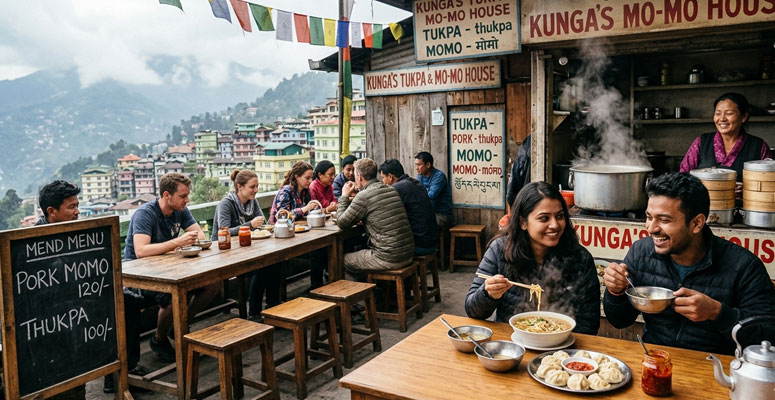
Food experiences in Sikkim work best as brief add-ons to sightseeing days rather than as dedicated culinary journeys. Most visitors encounter local cuisine naturally while exploring Gangtok, Ravangla, Namchi, or Pelling.
1. Gangtok Food Spots
Gangtok’s culinary delights range from lively café-lined promenades and Tibetan eateries to neighbourhood restaurants serving Nepali, Sikkimese, and pan-Indian cuisine.
Most dining districts are clustered around sightseeing areas, making them easy to include between cultural attractions, monasteries, and viewpoints.
Rather than searching for a single “best” restaurant, travellers can use different food stops to experience Sikkim’s mix of Nepali, Tibetan, Bhutanese, and local influences.
• MG Marg – Sikkim’s primary café and restaurant district
Route fit: Ridge Park, Flower Exhibition Centre, Enchey Monastery, Gangtok Ropeway
• Tibet Road – Long-established restaurants and Tibetan eateries
Route fit: MG Marg, Lal Bazaar, Namgyal Institute of Tibetology, Do Drul Chorten
• Development Area – Local restaurants, bakeries, and cafés frequented by residents, students, and office-goers
Route fit: Ganesh Tok, Hanuman Tok, Himalayan Zoological Park, Tashi View Point
• Kazi Road – Quick snacks and bakeries to casual restaurants serving regional and Indian cuisine.
Route fit: MG Marg, Ridge Park, Lal Bazaar, Flower Exhibition Centre
• Deorali – Mix of roadside eateries and established restaurants
Route fit: Namgyal Institute of Tibetology, Do Drul Chorten, Banjhakri Falls, Ropeway lower station
• Tadong / 5th Mile – Affordable cafés, casual eateries, and a more contemporary food scene.
Route fit: Rumtek Monastery, Lingdum Monastery, Saramsa Garden, Jawaharlal Nehru Botanical Garden
What to eat: Momos, thukpa, thenthuk, gyathuk, shabaley, Sikkimese pork dishes, Nepali thali, Tibetan bread, local bakery items, coffee
Notable restaurants: Taste of Tibet, Nimtho, Baker’s Café, The Coffee Shop, Roll House
Who it suits: Families, couples, solo travellers, food enthusiasts, café hoppers.
Best season: March – May; October – December
2. Pelling Helipad Road Area – Pelling
A compact stretch lined with cafés, restaurants, and viewpoint-facing eateries, this area is known for relaxed mountain dining with views of the Kanchenjunga range on clear days.
What to eat: Momos, thukpa, phagshapa, fried rice, noodle dishes, Tibetan bread, local tea
Notable restaurants: Melting Point Restaurant, Big Bowl Restaurant
Who it suits: Couples seeking views, families, leisure travellers, café hoppers, photography enthusiasts
Route fit: Visit alongside Pemayangtse Monastery, Rabdentse Ruins, Sky Walk, and Sangachoeling Monastery.
Best season to visit: March – May, October – December
3. Namchi Central Market Area – Namchi
The town centre offers a mix of local eateries, bakeries, and casual restaurants frequented by residents and pilgrims. The atmosphere is lively without feeling crowded, especially during weekends.
What to eat: Momos, thenthuk, chowmein, local sweets, tea, traditional Nepali and Sikkimese dishes
Notable restaurants: Taste of Tibet, Local market eatery stalls
Who it suits: Families, pilgrimage travellers, senior citizens, local food explorers, value-conscious visitors
Route fit: Along the way of Siddhesvara Dham (Char Dham), Samdruptse Hill, Ngadak Monastery, and Namchi Rock Garden.
Best season to visit: February – May; October – December
4. Ravangla Market Area – Ravangla
Small cafés and family-run restaurants are scattered around the market area, creating a laid-back setting that reflects the town’s slower pace.
What to eat: Momos, thukpa, local curries, Tibetan bread, bakery items, hot beverages
Notable restaurants: Kookay Restaurant, local cafés around Buddha Park Road
Who it suits: Solo travellers, couples, nature lovers, backpackers, slow-paced travellers
Route fit: Add it to the itinerary with Buddha Park, Ralang Monastery, Temi Tea Garden, and Rayong Sunrise View Point.
Best season to visit: March – May, October – November
5. Jorethang Main Bazaar Area – Jorethang
One of South Sikkim’s busiest commercial areas, the bazaar is known for its roadside eateries, snack stalls, and restaurants serving travellers moving between different parts of the state.
What to eat: Momos, chowmein, Nepali thali, sel roti, local snacks, tea
Where to eat: Local stalls and sweet shops in the heart of the main bazaar
Who it suits: Road-trippers, families with children and seniors, solo travellers, and local food enthusiasts.
Route fit: Combine with journeys between Namchi, Ravangla, Pelling, and Legship rather than as a standalone food stop.
Best season to visit: October – April, January (Maghe Mela festival)
Cultural & Performance Spaces
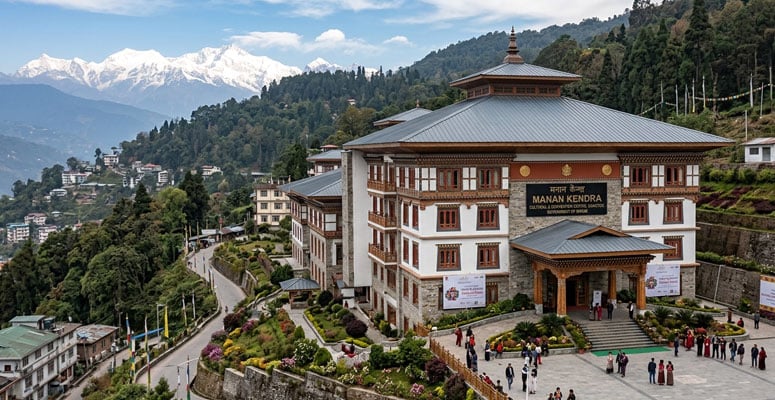
1. Manan Kendra – Gangtok
A contemporary cultural complex with a prominent auditorium and landscaped surroundings in central Gangtok. Best suited for culture enthusiasts, lovers of the performing arts, families, and travellers interested in Sikkim’s artistic heritage.
Performances to watch: Folk dance showcases, traditional music performances, theatre productions, state cultural festivals, art exhibitions
Time to spend: 1 – 3 hours (event dependent)
2. Paljor Stadium – Gangtok
This is an open-air stadium set against surrounding hills, known for hosting some of Sikkim’s biggest public gatherings. It appeals to event-goers, music lovers, families, groups, and visitors seeking large-scale celebrations.
Performances to watch: Concerts, cultural festivals, state celebrations, music events, and opening ceremonies
Time to spend: 2 – 4 hours (event dependent)
3. MG Marg Event Plaza – Gangtok
An open pedestrian plaza at the centre of Gangtok’s social life, framed by cafés, shops, and public spaces, it is best suited to first-time visitors, families, couples, casual explorers, and travellers who enjoy community events.
Performances to watch: Street performances, cultural showcases, food festivals, seasonal celebrations, public concerts
Time to spend: 30 minutes – 2 hours
Who It Suits:
- First-time visitors
- Families
- Evening walkers
- Travellers with limited shopping time
What to Expect:
- Fixed-price stores dominate
- Limited bargaining opportunities
- Cafes and restaurants nearby
4. Namchi Central Park Amphitheatre – Namchi
An open-air amphitheatre integrated into the town’s central public space, creating an accessible venue for local events. It suits families, senior citizens, cultural travellers, local community observers, and leisure visitors.
Performances to watch: Namchi Mahotsav events, folk performances, music shows, and local cultural programs
Time to spend: 1 – 2 hours
5. Jorethang Maghey Mela Ground – Jorethang
The ground becomes a focal point for festivals and community celebrations throughout the year. Best for festival enthusiasts, families, photographers, cultural travellers, and road-trippers exploring South Sikkim.
Performances to watch: Folk dances, cultural competitions, live music, fairground entertainment, Maghey Mela celebrations
Time to spend: 2 – 4 hours during events
Occasional Cultural Shows and Events
While not dedicated performance venues, a few major attractions in Sikkim occasionally host cultural programs during festivals, tourism events, and religious celebrations. These include –
- Ravangla Buddha Park Cultural Area – Ravangla
- Pelling Skywalk & Cultural Plaza Area – Pelling
Travellers can experience folk dances, traditional music performances, local cultural showcases, and community celebrations, particularly during peak travel seasons and festival periods.
Setting Expectations
Sikkim’s markets, food districts, and cultural venues are best appreciated as part of a broader travel experience rather than standalone attractions. Knowing what they offer can help you plan your time more effectively.
- Shopping Areas: Expect locally focused markets, handicrafts, and regional products rather than large malls, luxury brands, or destination shopping districts.
- Food Spaces: The emphasis is on Sikkimese, Nepali, Tibetan, and everyday local cuisine. Those seeking extensive fine dining options or international culinary diversity may find fewer options.
- Cultural & Performance Venues: Most performances are tied to festivals, state events, or seasonal celebrations. Regular daily shows and fixed performance schedules are uncommon outside major event periods.
Practical Guidance: Guides, Crowd, Hygiene and Comfort
1. Guide Requirement
The markets, food districts, and cultural venues can be explored independently without a local guide. A guide may be useful only if you wish to gain deeper insights into Sikkimese culture, handicraft traditions, local food heritage, or festival customs at places like –
- Directorate of Handicrafts & Handlooms
- Lal Bazaar
- Manan Kendra
- Jorethang Maghey Mela Ground during festival periods, and cultural events
- MG Marg Event Plaza
- Namchi Central Park Amphitheatre.
2. Crowd Intensity by Season
- March – May: Moderate to high crowds, driven by the spring tourism season, school holidays, and pleasant weather across Gangtok, Pelling, Namchi, and Ravangla.
- June – September: Lower tourist footfall due to the monsoon season, though local markets and food districts continue to operate normally.
- October – December: High crowds during the peak travel season and major festivals such as Dasain (September–October), Tihar/Diwali (October–November), and Christmas–New Year celebrations (December).
- January – February: Moderate crowds overall, with significant spikes around Maghey Sankranti and Maghey Mela (January) in Jorethang and Losar (February–March), the Tibetan New Year, celebrated in many parts of Sikkim.
The highest crowd levels at cultural venues are typically seen during Maghey Mela in Jorethang, Namchi Mahotsav in Namchi, Losar celebrations in Gangtok, and state-sponsored cultural events held at MG Marg Event Plaza, Paljor Stadium, and Manan Kendra.
During these periods, accommodation, restaurants, and event venues may experience higher demand, and arriving early is advisable for performances and public celebrations.
3. Hygiene at Food Places
Food standards are generally reliable in established restaurants, cafés, and busy eateries across Gangtok, Pelling, Namchi, and Ravangla. Visitors with sensitive stomachs should prefer freshly cooked meals, bottled drinking water, and restaurants with high customer turnover.
Note that street-food options in Sikkim are limited compared to larger Indian cities and also vary in hygiene standards.
Comfort & Accessibility
| Traveller Type | Recommended Areas | Things to Note |
|---|---|---|
| Families with Young Children | MG Marg, Pelling Helipad Road Area, Namchi Central Market Area | Good choice for casual dining, seating options, and easy access to amenities. |
| Senior Citizens | MG Marg, Namchi Bazaar, Manan Kendra, Namchi Central Park Amphitheatre | Relatively easy to navigate with less walking than many sightseeing attractions. |
| Travellers with Infants and Strollers | MG Marg | The most stroller-friendly public spaces. Older bazaars and festival grounds may be less convenient. |
| Travellers with mobility concerns | MG Marg, Namchi Bazaar, Manan Kendra | Some markets and festival venues may have slopes, stairs, uneven surfaces, or seasonal crowding. |
| Festival Attendees | Paljor Stadium, MG Marg Event Plaza, Jorethang Maghey Mela Ground | Arrive early for easier seating, movement, and access during major events. |
| Solo Travellers | MG Marg, Tibet Road, Ravangla Market Area, Tadong / 5th Mile | Easy to explore independently, with plenty of cafés, local eateries, and public spaces suitable for unhurried visits. |
Whether you’re interested in local culture, food, shopping, or festivals, these experiences are as useful additions to broader explorations of Gangtok, Pelling, Namchi, Ravangla, and other destinations in Sikkim.
Discovering Sikkim Through Food, Markets, and Culture
Shopping, local food, and cultural experiences work best when integrated into a broader Sikkim itinerary. Explore Sikkim tour packages, Gangtok holiday packages, and customised cultural journeys to combine markets, monasteries, scenic routes, and local experiences in the right balance.
Take your Sikkim planning further with the following resources –