
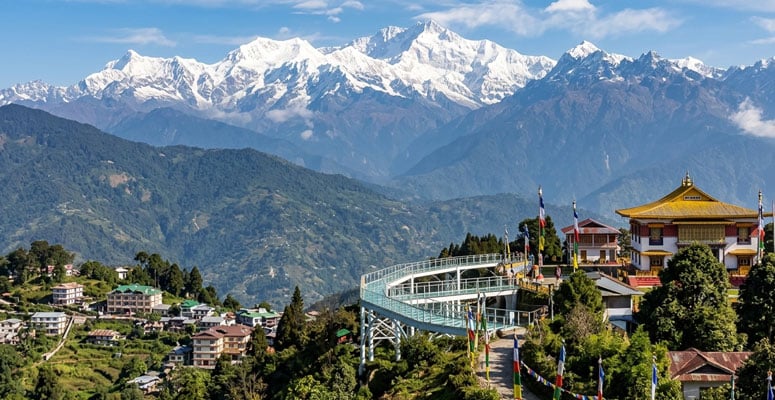

Pelling works best for travellers who want a compact Himalayan base with high variation in experiences within short travel distances. As a popular West Sikkim hub, it connects monasteries, viewpoints, waterfalls, lakes, heritage ruins, and valley circuits without requiring long transfers or complex logistics, making it ideal for short yet layered itineraries.
This destination is especially suited for travellers who prefer slow-paced exploration over fast sightseeing runs. Pelling remains quieter and more weather-dependent, with visibility and mountain moods shaping the day’s plan.
This guide breaks down Pelling’s experiences into structured circuits, practical planning layers, and seasonal behaviour, helping travellers understand not just what to do and see, but how to sequence it efficiently across 2–3 days in West Sikkim.
Quick Planning Snapshot
Perfect For: Nature enthusiasts, couples, photographers, spiritual travellers, and visitors seeking mountain views.
Short-Stay Priorities: Heritage walks, monastery visits, mountain viewpoints, photography, and relaxed exploration around Pelling’s core attractions.
Where Guide Insight Adds Value: Monastic heritage, historical context, and planning multi-stop West Sikkim circuits.
Things to Do in Pelling: Routes & Seasonal Experiences
• Viewpoints & Waterfalls
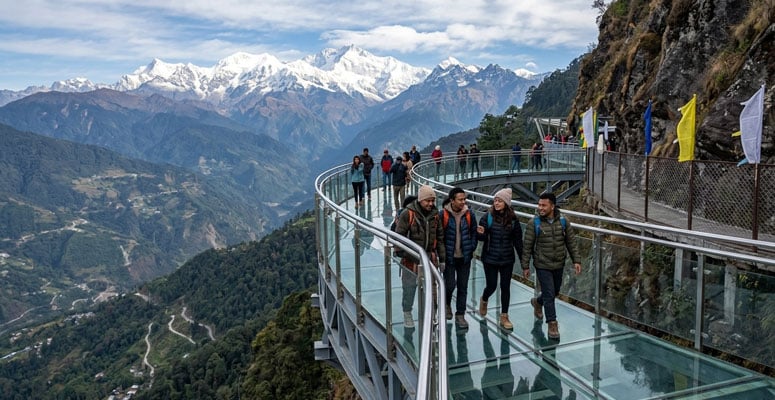
1. Walk the Pelling Skywalk
One of Sikkim’s most distinctive glass skywalk experiences, with direct views of Kanchenjunga and the Chenrezig statue.
Best For: Families, first-time visitors, photography stops, and easy-access sightseeing.
Route Fit: Works with Rabdentse Ruins and Pemayangtse Monastery as a compact Pelling heritage loop.
Ideal Time to Visit: Morning for clarity, late afternoon for softer light.
2. Drive to Rimbi Waterfalls
Easy riverside waterfall stop with close-up access to fast-flowing Himalayan river water.
Best For: Families, senior travellers, road-trip stops, and light sightseeing days.
Route Fit: Commonly paired with Khecheopalri Lake or Kanchenjunga Falls in a short Pelling waterfall circuit.
Ideal Time to Visit: Post-monsoon and spring for stronger flow and clearer surroundings.
3. Sunset at Kanchenjunga Viewpoints
Multiple elevated viewpoints around Pelling town and nearby ridgelines offering great sunset views of the Kanchenjunga peaks as the range shifts from white to gold with changing light.
Best For: Photographers, couples, and slow-travel mountain seekers.
Route Fit: End-of-day stop across Pelling ridge viewpoints, often combined with Skywalk or monastery visits.
Ideal Time to Visit: March – May and September – November
• Ruins, History & Monasteries
1. Admire the Architecture of Pemayangtse Monastery
A 17th-century Nyingma monastery known for intricate wooden interiors, hand-painted Buddhist murals, carved Tibetan-style architecture, and daily prayer rituals with sacred chants and ceremonial instruments.
Best For: Spiritual travellers, architecture enthusiasts, and slow cultural experiences.
Route Fit: Central stop in Pelling’s monastery–skywalk–ruins heritage circuit.
Ideal Time to Visit: Morning hours during prayer sessions for an authentic ritual experience.
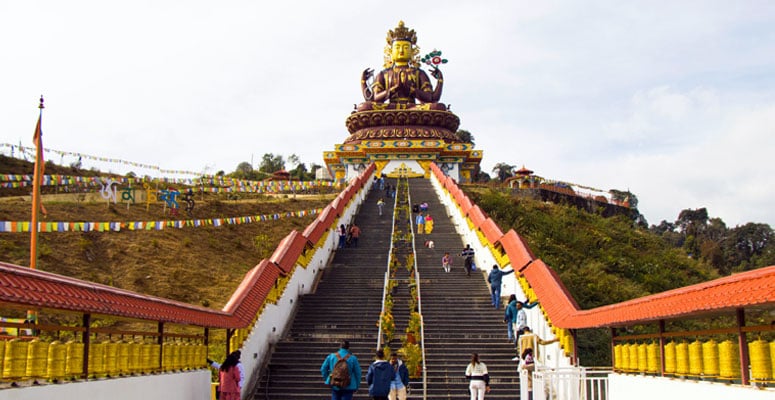
2. Witness the Towering Chenrezig Statue
A 137-foot-tall golden statue of Chenrezig (Avalokiteshvara), which symbolises compassion, is set against the backdrop of Kanchenjunga with an integrated meditation and prayer complex.
Best For: Pilgrims, families, photography stops, and easy-access spiritual sightseeing.
Route Fit: Connects naturally with Skywalk and Pemayangtse Monastery in a short Pelling ridge circuit.
Ideal Time to Visit: Late afternoon for golden light on the statue and valley backdrop.
3. Explore the Rabdentse Ruins
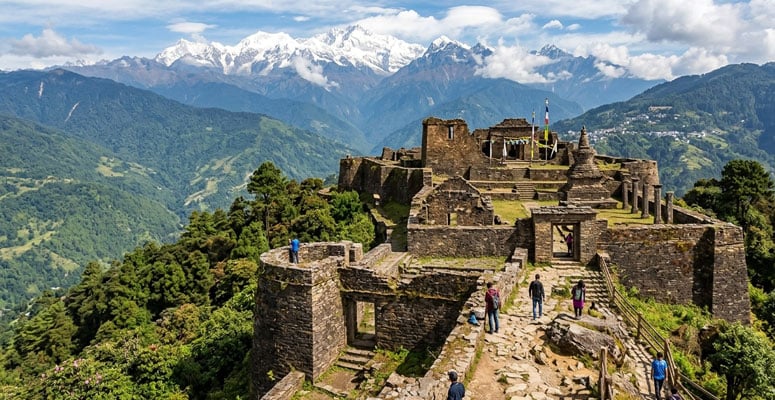
The 17th–19th century ruins of Sikkim’s second capital, which feature stone palace foundations, chorten remains, and forest-framed ridge views that overlook the Kanchenjunga range.
Best For: History lovers, light trekkers, and travellers interested in the heritage of the early Sikkimese kingdom.
Route Fit: Combined with Pemayangtse Monastery and Skywalk in a compact heritage circuit.
Ideal Time to Visit: Morning or late afternoon for cooler forest walks and clearer mountain visibility.
• Short Drive From Pelling
Pelling becomes an experience that works well when extended beyond the town, with short scenic drives to nearby lakes, forests, and waterfalls.
These easily accessible routes are best explored as relaxed half-day loops or combined into a single full-day excursion, making them ideal for 2–3 day stays where travellers want to balance sightseeing with flexible pacing based on weather conditions.
1. Birdwatching from Khecheopalri Lake
A sacred high-altitude lake surrounded by dense temperate forest. Birdwatchers may spot species commonly reported around the lake and forest edges, including minivets, drongos, kingfishers, and seasonal migratory birds, depending on season and visibility.
Best For: Nature travellers, birdwatching enthusiasts, photographers, and seekers of a quiet lakeside experience.
Route Fit: Usually part of a half-day or full-day lake–waterfall circuit from Pelling, often paired with Kanchenjunga Falls or Rimbi Waterfalls, depending on time.
Ideal Time to Visit: October – April
2. Kanchenjunga Falls
A powerful multi-tiered waterfall fed by high-altitude Himalayan streams, plunging through rocky cliffs with strong seasonal flow variation and mist-heavy viewing zones that create a raw, close-range waterfall experience.
Best For: Road-trip travellers, photography stops, families, and nature sightseeing circuits from Pelling.
Route Fit: Common stop within a Pelling–Khecheopalri–waterfall loop, typically covered in a half-day or combined full-day scenic drive.
Ideal Time to Visit: Post-monsoon and spring months (September – May) for stronger water volume and clearer surroundings.
• Extended Excursions From Pelling
These circuits work best as extended travel days (6–10 hours round-trip) rather than quick outings, allowing enough time to absorb changing landscapes, stop at viewpoints, and explore villages at a slower Himalayan pace. They are especially worthwhile for travellers staying 3+ days in Pelling who want to move beyond core sightseeing into heritage, valleys, and soft adventure without requiring overnight travel.
Circuit 1 – Pelling to Yuksom Heritage & Trekking Circuit
Ideal Duration: 6–8 hours (full day excursion)
Best Season to Visit: March – May for clear trekking conditions; September – November for crisp views and stable weather
Includes:
Yuksom town exploration, Sikkim’s first capital, with historic settlement landmarks
Dubdi Monastery visit, one of the oldest monasteries in Sikkim, set within forest surroundings
Entry trails into Khangchendzonga National Park from the Yuksom base region
Forest walks, heritage pathways, and mountain village surroundings, linked to early Sikkim history
Best For: History and culture enthusiasts, light trekkers and nature walkers, solo travellers, monastery-focused travellers, and travellers interested in Sikkim’s origins and heritage routes.
Effort/comfort: Moderate, suitable for travellers comfortable with uneven terrain and light walking.
Permits: Apply at Yuksom Forest Office. Issued by Forest Department, Sikkim. Same-day or 24-hour processing.
Circuit 2 – Pelling to Uttarey–Dentam Valley Circuit
Ideal Duration: 7–10 hours (full day excursion)
Best Season to Visit: October – May for clear valley visibility and stable driving conditions
Includes:
The Uttarey Valley drive with forested slopes, stretches of villages, and open mountain landscapes.
Singshore Bridge crossing, a high suspension bridge offering stunning views of the valley and cliffside.
Dentam village exploration with rural farmland scenery and quiet country roads.
Scenic drive sections connecting the Pelling–Uttarey–Dentam belt through West Sikkim valleys.
Best For: Landscape and valley travellers, soft adventure seekers, photographers, couples, road-trippers, and travellers looking for rural and offbeat Sikkim experiences.
Effort/comfort: Moderate, suitable for travellers comfortable with long scenic drives and short outdoor walks.
Culinary Delights
After a long day of activities, these are some local delicacies that you can eat to feel energised while familiarising with the local flavours of Pelling.
1. Kinema & Local Fermented Curries
A deeply local Himalayan staple made from fermented soybeans, often cooked into thick, earthy curries with garlic, chilli, and wild herbs. In Pelling households, it appears more as a home-style protein dish than a restaurant item, usually paired with rice during colder months.
Where to Find in Pelling:
Homestays in Darap and Lower Pelling belt
Family kitchens near Pemayangtse–Pelling village stretch
Select local eateries serving home-style thali plates
2. Chhurpi-based Dishes (Soft & Hard Yak Cheese)
Unlike the snack version commonly sold to tourists, Pelling households use chhurpi in soups, vegetable stews, and fermented blends, especially in colder months. The soft form melts into broths, adding a subtle tang and body to simple home meals.
Where to Find in Pelling:
Homestay kitchens
Village households in Darap and nearby hamlets
Small general stores supplying local dairy products
3. Wild Greens & Forest Vegetables
Seasonal forest produce such as fiddlehead ferns (ningro), bamboo shoots, and mountain greens are widely used in Pelling’s home cooking. These ingredients define everyday meals more than restaurant menus, often stir-fried or lightly cooked with chilli and garlic for freshness.
Where to Find in Pelling:
Weekly local market in Pelling town
Farm-to-table meals in rural stays around the valley
4. Local Millet Drinks & Butter Tea
Traditional drinks like millet-based fermented beverages (served in homestays) and salty butter tea reflect everyday mountain living rather than tourist culture. These are typically offered as hospitality drinks rather than menu items, especially in rural homestays.
Where to Find in Pelling:
Homestay hospitality across the Pelling region
Village households near the Pemayangtse belt
Occasional cultural meal experiences
What Activities To Go For in Pelling & Surroundings?
| Experience | Time Needed | Effort Level | Suggested Priority |
|---|---|---|---|
| Pelling Skywalk | 30–45 min | Easy | Must Do |
| Pemayangtse Monastery | 40–60 min | Easy | Must Do |
| Rabdentse Ruins | 1–1.5 hrs | Easy–Moderate (forest walk) | Must Do |
| Chenrezig Statue Complex | 40–60 min | Easy | Recommended |
| Kanchenjunga Viewpoints (sunrise/sunset) | 30–60 min | Easy | Must Do |
| Rimbi Waterfalls | 30–45 min | Easy | Recommended |
| Khecheopalri Lake | 1.5–2 hrs | Easy | Recommended |
| Kanchenjunga Falls | 30–45 mins | Easy | Recommended |
| Yuksom Day Trip Circuit | 6–8 hrs | Moderate (long drive) | Recommended (Full-Day) |
| Uttarey–Dentam Circuit | 7–10 hrs | Moderate (long drive) | Recommended (Full-Day) |
| Singshore Bridge | 20–30 min | Easy | Recommended (on route) |
| Village Homestay Experiences | 2–4 hrs / overnight | Easy | Optional |
| Birdwatching at Khecheopalri Lake | 1–2 hrs | Easy | Niche interest |
| Khangchendzonga National Park Entry Trails (from Yuksom) | 2–4 hrs | Moderate | Adventure priority |
Practical Guidance: Age & Mobility Suitability
Elderly travellers:
- Comfortable: Monasteries, Skywalk, Chenrezig Statue, popular viewpoints, Rimbi Waterfalls
- Moderate effort: Rabdentse Ruins (forest walk + steps)
- Best suited for short-drive sightseeing with frequent breaks
Infants & toddlers:
- Easy: Pelling town, nearby viewpoints, homestay-based stays
- Challenging: full-day trips to Yuksom or Uttarey due to long winding drives
Wheelchair/stroller access:
- Partial: town areas, homestays, select roadside viewpoints
- Limited: Skywalk approach, monasteries, statue complex (steps/slopes)
- Not suitable: waterfalls and forest trails
Trekking routes:
- Yuksom – Khangchendzonga National Park trails, Uttarey – Dentam circuits
- Requires fitness, uneven forest terrain, and elevation gain
- Not suitable for those with limited mobility or assisted travel
Booking Lead Time
Skywalk, monastery visits, waterfalls, and viewpoints in Pelling are generally walk-in and don’t need pre-booking, even in peak season; however, it is advisable to confirm beforehand.
Homestays and private drivers for circuits like Yuksom or Uttarey–Dentam should be booked 3-7 days in advance, especially in October–November when demand spikes.
Access rules and permits for Khangchendzonga National Park trails should be confirmed locally through the Forest Department or registered guides before planning.
Accommodation and drivers should be secured first while keeping sightseeing flexible, as most experiences in Pelling and the surrounding circuits are weather-dependent and best adjusted on arrival.
Weather Overview
March – May (Spring): Best overall window for viewpoints, the Skywalk, monasteries, waterfalls, birdwatching, and full Yuksom/Uttarey circuits. Clear Kanchenjunga visibility with fresh greenery.
June – September (Monsoon): Frequent rain, mist, and slippery forest trails. Waterfalls are strong, but visibility drops. The Yuksom and Uttarey routes may face delays.
October – November (Autumn): Peak season for the Skywalk, sunsets, photography, lakes, and long valley circuits. Most stable weather for sharp mountain views.
December – February (Winter): Cold but clear skies for sunrise/sunset views. Light snow possible on higher ridges. Trekking routes become tougher to embark on.
Elevation Comparison and Acclimatisation
Pelling’s altitude (~2,000 m) is moderate, so most travellers adjust within a day. Start with short drives and viewpoints before moving on to longer circuits such as Yuksom or Uttarey–Dentam. Keeping yourself hydrated and slow walking helps reduce mild fatigue upon arrival. Altitude discomfort is rare but can appear during quick climbs on ridge trails.
| Zone | Approximate Altitude |
|---|---|
| Low valleys (Yuksom, Khecheopalri belt) | 1,700 – 1,800 m |
| Mid valleys (Uttarey, Kanchenjunga Falls belt) | 1,800 – 2,000 m |
| Core Pelling zone | 2,000 – 2,150 m |
| Ridge & heritage belt (Rabdentse, Pemayangtse, Skywalk) | 2,150 – 2,300 m |
| Higher trail zones (National Park access areas) | 2,300 – 2,500+ m |
Suggested Route Circuits: Full-Day and Half-Day Excursions From Pelling
Half-Day
Route 1: Pelling Skywalk → Pemayangtse Monastery → Rabdentse Ruins forest walk → Kanchenjunga Viewpoint (sunset/sunrise loop) → return to Pelling town
Route 2: Pelling town → Chenrezig Statue Complex → short drive viewpoints → Rimbi Waterfalls → return to Pelling
Route 3: Pelling market → Kanchenjunga Falls → Khecheopalri Lake (short stop version) → return to Pelling
Route 4: Darap village belt → village homestay walk → forest trails → local farm interactions → return to Pelling
Full-Day
Route 1: Pelling → Rabdentse Ruins → Pemayangtse Monastery → Skywalk → Kanchenjunga viewpoints → sunset return to Pelling
Route 2: Pelling → Khecheopalri Lake → Kanchenjunga Falls → Rimbi Waterfalls → scenic valley drive loop → return to Pelling
Route 3: Pelling → Yuksom → Dubdi Monastery → forest walk trails → Khangchendzonga National Park entry points → return to Pelling
Route 4: Pelling → Singshore Bridge → Uttarey Valley → Dentam countryside → valley viewpoints → return to Pelling
Route 5: Pelling → Darap village → homestay cultural experience → short forest walks → local interaction time → return to Pelling
Pelling in a Broader Sikkim Circuit
Pelling is often explored as part of wider Sikkim itineraries that connect Gangtok, Darjeeling, and West Sikkim’s scenic highlights.
Travellers planning a broader Sikkim itinerary along with Pelling will benefit from reading about:


