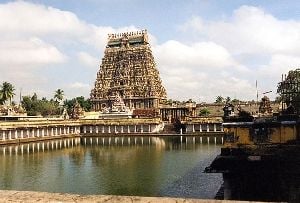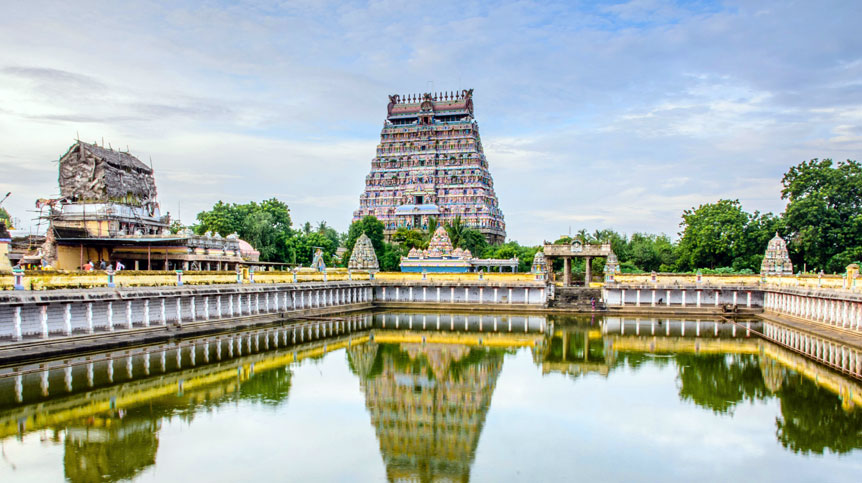

Tamil Nadu offers a wide range of travel experiences because its attractions are spread across temple towns, coastal heritage towns, hill stations, wildlife reserves, and cultural landscapes. A trip here works best when travellers do not try to cover the whole state in a single circuit.
This guide is meant for families, pilgrims, culture-focused travellers, couples, senior travellers, heritage lovers, and South India holiday planners.
Quick Planning Snapshot
Best Places to Visit in Tamil Nadu
1. Chennai & Coastal Gateway Belt
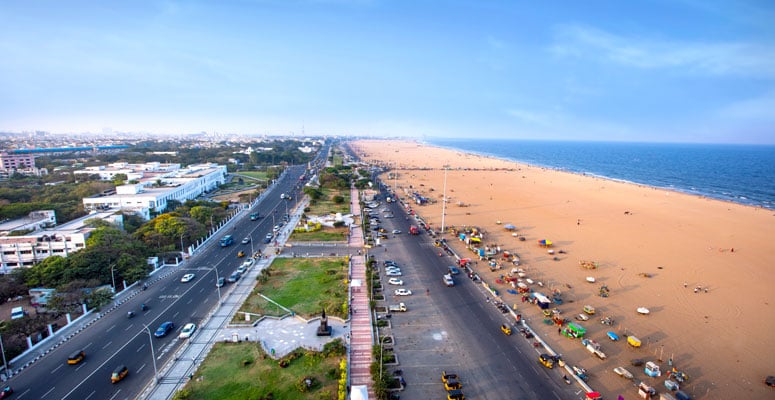
Chennai serves as the primary entry point to Tamil Nadu, connecting travellers to both coastal heritage sites and inland cultural circuits. The city blends colonial-era architecture, active temples, and modern urban life, making it both a functional base and a standalone sightseeing destination.
Most itineraries begin here because it offers direct access to Mahabalipuram along the coast and efficient rail and road links to southern temple towns.
Why visit: Gateway city for coastal heritage, museums, temples, and urban culture.
Best experiences: Marina Beach walks, Kapaleeshwarar Temple, Fort St. George, and local food streets.
Time needed: 1–2 days.
• Marina Beach
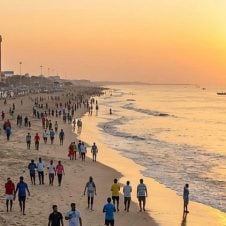
Marina Beach is the most prominent coastal stretch in Chennai and serves as a key leisure and local-experience zone within the city. It is best known for long walking areas, sunrise and sunset views, and active evening crowds that reflect everyday city life rather than a curated tourist setup. The beach works best as a relaxed stop within a Chennai sightseeing circuit rather than a standalone destination.
• San Thome Basilica
San Thome Basilica is a prominent coastal church in Chennai, located near Marina Beach. Built over the tomb of St. Thomas, it reflects neo-Gothic architecture and stands as one of the key religious landmarks along the city’s shoreline belt. The basilica works best as a calm stop within a coastal Chennai circuit, especially when combined with nearby beach and Mylapore explorations.
• Kapaleeshwarar Temple (Mylapore)
Kapaleeshwarar Temple is one of the most important cultural and religious landmarks in Chennai’s coastal zone, located in the historic Mylapore area. The temple is known for its Dravidian architecture, vibrant gopuram, and active daily rituals that reflect living tradition rather than preserved heritage. It functions as a central stop within the coastal Chennai circuit, especially when combined with nearby streets and seaside landmarks.
2. Mahabalipuram (Mamallapuram) — Coastal Heritage Town
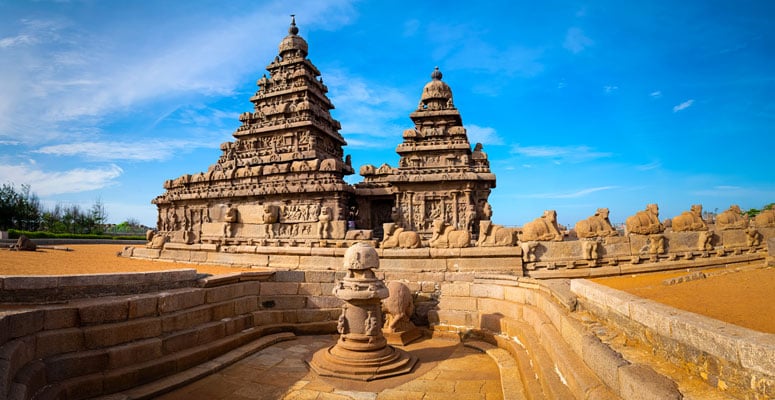
Mahabalipuram is a UNESCO-listed coastal heritage town located along the Tamil Nadu shoreline, known for its rock-cut monuments, ancient stone carvings, and open-air temple architecture. It works best as a structured extension of the Chennai coastal circuit rather than a standalone quick stop.
The site is compact, with most attractions located close together, allowing travellers to explore at a slow, walking-friendly pace, focusing on heritage details and coastal views.
Why visit: UNESCO coastal heritage town with rock-cut temples and shoreline monuments.
Best experiences: Rock-cut temple exploration, coastal viewpoints, and heritage walking circuit.
Time needed: 4–6 hours.
• Shore Temple
The Shore Temple is the most iconic structure in Mahabalipuram, positioned along the Bay of Bengal coastline. It represents early Dravidian temple architecture and is best experienced in the early morning or late afternoon light for clearer views and a better coastal ambience.
• Pancha Rathas
Pancha Rathas is a group of monolithic rock-cut temples carved in distinct architectural styles. The site is structured for slow exploration, allowing travellers to observe detailed stone craftsmanship within a compact layout.
• Arjuna’s Penance
Arjuna’s Penance is a large open-air rock relief depicting mythological scenes carved into a cliff face. It is best viewed as a visual storytelling panel rather than a traditional temple structure, with scale and detail becoming more apparent on closer inspection.
3. Pulicat Lake & Coastal Nature Zone
Pulicat Lake is a quiet coastal lagoon with birdlife and calm waterscapes. It offers a slower, nature-focused contrast to the more structured beach and heritage circuit of the Chennai coastline.
The experience here is less about monument-style sightseeing and more about open landscapes, seasonal bird movement, and lagoon-based exploration.
Why visit: Coastal lagoon ecosystem known for birding and nature-based experiences.
Best experiences: Birdwatching, lagoon views, boat rides, nature photography.
Time needed: 2–3 hours.
• Pulicat Lake
The main lagoon area offers wide-open water views and serves as the central hub for boat-based exploration and shoreline observation. It is best experienced at a slow pace, where changing light conditions and open wetland landscapes define the visit rather than fixed attractions.
• Bird Sanctuary Zones
Designated wetland areas around Pulicat support seasonal bird migration, making it a key nature-focused stop near Chennai. Species visibility depends on timing, with early mornings offering the best chances for active sightings and quieter surroundings.
• Lagoon Boat Viewpoints
Short boat rides and shoreline viewpoints offer the most immersive way to experience the scale of Pulicat Lake. These routes highlight the transition between inland waters, coastal sandbanks, and open sky, creating a different pace from Chennai’s urban coastline.
4. Kanchipuram (Coastal-access Temple Extension)
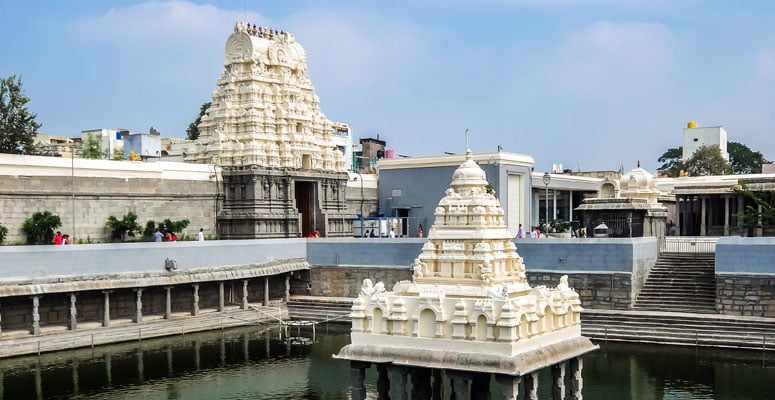
Kanchipuram sits in the inland temple belt just off the Chennai coastal gateway, serving as a brief cultural extension of the main shoreline circuit. While it is not a coastal destination, it is often paired with Chennai due to its easy road access and strong position within the broader Tamil Nadu temple network. The town functions as a compact temple zone where major shrines are concentrated within a small travel radius, making it suitable for a structured half-day or full-day cultural detour from the coast.
Why visit: Inland temple belt extension from Chennai’s coastal circuit, offering concentrated Dravidian temple architecture and cultural depth within a short travel radius.
Best experiences: Temple walks across the Ekambareswarar, Kailasanathar, and Kamakshi Amman temples, viewing Pallava-era architecture, and structured heritage circuit exploration.
Time needed: 4–6 hours (half-day to full-day depending on circuit depth).
• Ekambareswarar Temple
Ekambareswarar Temple is one of the largest temple complexes in Kanchipuram and represents Dravidian temple architecture at a grand, functional scale. The layout is organised across multiple courtyards, corridors, and ritual zones, making the temple as important as individual shrines. The experience is less about a single focal point and more about the gradual exploration of layered temple spaces.
• Kailasanathar Temple
Kailasanathar Temple is one of the earliest surviving temple structures in Kanchipuram and reflects the architectural style of the Pallava period. It is smaller in scale compared to other major temples in the region but stands out for its detailed stonework and quiet, enclosed layout. The temple offers a more focused and less crowded experience, making it suitable for slower observation rather than rushed movement.
Experiences to Pair With Tamil Nadu Sightseeing
| Experience | Best Paired With | Planning Note |
|---|---|---|
| Beach walk & sunset experience | Marina Beach, Mahabalipuram, Kovalam stretch | Best early morning or late evening. Avoid treating beaches as full-day activity zones. |
| Temple darshan circuits | Madurai, Kanchipuram, Thanjavur, Rameshwaram | Plan as structured temple loops. Early mornings reduce crowds and improve flow between sites. |
| UNESCO heritage exploration | Mahabalipuram, Thanjavur, Kanchipuram | Combine nearby monuments in one circuit rather than separate visits. Focus on walking-based exploration. |
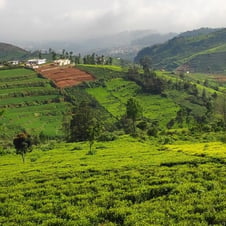
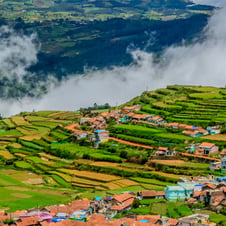
| Hill station slow travel | Ooty, Kodaikanal, Coonoor | Requires minimum 2–3 days. Avoid mixing with coastal or temple circuits in short itineraries. |
| Nilgiri Mountain Railway journey | Ooty–Coonoor stretch | Pre-book tickets where possible; best experienced in daytime for valley views. Weather can affect visibility. |
| Coastal nature & lagoon experience | Pulicat Lake, birding zones near Chennai | Best early morning or migratory season. Keep flexible timing based on bird activity. |
| Cultural shopping streets | Chennai (Mylapore), Kanchipuram silk markets, Madurai bazaars | Add as short stops within sightseeing routes, not dedicated shopping days. |
| Local cuisine experiences | Madurai, Chennai, Chettinad region, coastal towns | Best added as evening stops after sightseeing; avoid overloading itinerary planning sections. |
How to Plan Your Tamil Nadu Trip by Duration
3-Day Tamil Nadu Highlights Route
Route: Chennai → Mahabalipuram → Chennai
This short itinerary focuses on Tamil Nadu’s most accessible coastal heritage experiences, combining Chennai’s urban culture with Mahabalipuram’s UNESCO rock-cut monuments. It is best suited for travellers with limited time who want a compact coastal introduction.
Recommended focus:
- Marina Beach and sunset walk
- Kapaleeshwarar Temple (Mylapore)
- Fort St. George (short heritage stop)
- Shore Temple
- Pancha Rathas
Prioritise: Chennai coastal belt and Mahabalipuram monument circuit
Do not add: Kanchipuram, Madurai, Ooty, or long-distance temple towns
Best for: Weekend travellers, first-time visitors, short coastal breaks
5-Day Classic Tamil Nadu Route
Route: Chennai → Mahabalipuram → Madurai → Chennai (or Madurai exit)
This route balances coastal heritage with the depth of a temple city, combining Chennai’s shoreline culture with Madurai’s active temple ecosystem.
Recommended focus:
- Chennai beaches and temples
- Mahabalipuram UNESCO heritage walk
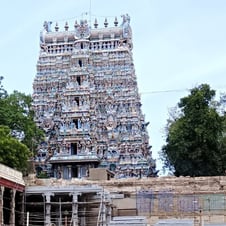
- Meenakshi Amman Temple rituals
- Thirumalai Nayakkar Palace
- Local temple street exploration
Prioritise: Chennai + Mahabalipuram + Madurai temple core
Do not add: Ooty or Kodaikanal in the same short circuit
Best for: Families, couples, first-time South India travellers
7-Day Complete Tamil Nadu Circuit
Route: Chennai → Mahabalipuram → Kanchipuram → Thanjavur → Madurai → Rameshwaram → Chennai / Madurai exit
A well-paced itinerary covering coastal heritage, temple architecture, and pilgrimage routes in a structured loop.
Recommended focus:
- Coastal temples and beaches
- Chola heritage architecture
- Active temple circuits in Madurai
- Pilgrimage experience at Rameshwaram
- Structured inter-city temple loops
Prioritise: Mahabalipuram + Madurai + Thanjavur + Rameshwaram
Do not add: Hill stations unless the trip exceeds 7–8 days
Best for: Full-state cultural explorers, heritage-focused travellers
Best Time to Visit Tamil Nadu
| Season | Months | What to Expect | Best For |
|---|---|---|---|
| Winter | Oct–Mar | Pleasant weather, best overall travel conditions across the coast, and temples | Chennai, Mahabalipuram, Madurai, Rameshwaram, full circuits |
| Summer | Apr–Jun | Hot in plains, comfortable in hills | Ooty, Kodaikanal |
| Monsoon | Jul–Sep | Rainfall, greener landscapes, and possible delays | Hill stations, scenic travel |
| Festivals | Jan, Sep–Oct | High cultural activity, crowded temples | Temple circuits, cultural experiences |
How to Reach Tamil Nadu in 2026
Tamil Nadu is well connected by air, rail, and road, with Chennai, Madurai, Coimbatore, and Trichy acting as the main entry gateways depending on your route. Air travel is the fastest option, while rail and road work best for multi-city South Indian circuits.
• By Air
Major airports: Chennai International Airport, Madurai Airport, Coimbatore Airport, Tiruchirappalli (Trichy) Airport
- Direct flights are available from major Indian cities, including Delhi, Mumbai, Bengaluru, Hyderabad, and Kolkata
- Chennai serves as the primary international and domestic entry point
- Madurai, Coimbatore, and Trichy are best for region-specific itineraries (temple circuit, hill station access, and central Tamil Nadu routes)
- Airport taxis and pre-booked transfers are available to nearby cities and circuit destinations
Best use: Fastest and most convenient option for both short trips and multi-region itineraries
• By Train
Major rail gateways: Chennai Central, Madurai Junction, Coimbatore Junction, Tiruchirappalli Junction
- Well-connected to most major Indian cities, including Delhi, Mumbai, Kolkata, Bengaluru, and Hyderabad
- The extensive Southern Railway network connects temple towns, coastal cities, and hill station base points
- Useful for structured circuits like Chennai–Mahabalipuram–Madurai or temple loops across southern Tamil Nadu
Best use: Budget-friendly travel and strong connectivity for temple and cultural circuits
• By Road
Main highway network: NH-44, NH-48, NH-32, and state highways connecting major circuits
- Tamil Nadu has strong intercity road connectivity between Chennai, Mahabalipuram, Pondicherry, Madurai, Rameshwaram, Ooty, and Kodaikanal
- Private cabs, self-drive options, and intercity buses (TNSTC and private operators) are widely available
- Hill station routes (Ooty, Kodaikanal) involve winding roads and slower travel times
- Coastal and temple routes are best planned with buffer time due to distance and traffic near urban hubs
Best use: Ideal for multi-stop itineraries and flexible circuit-based travel planning