
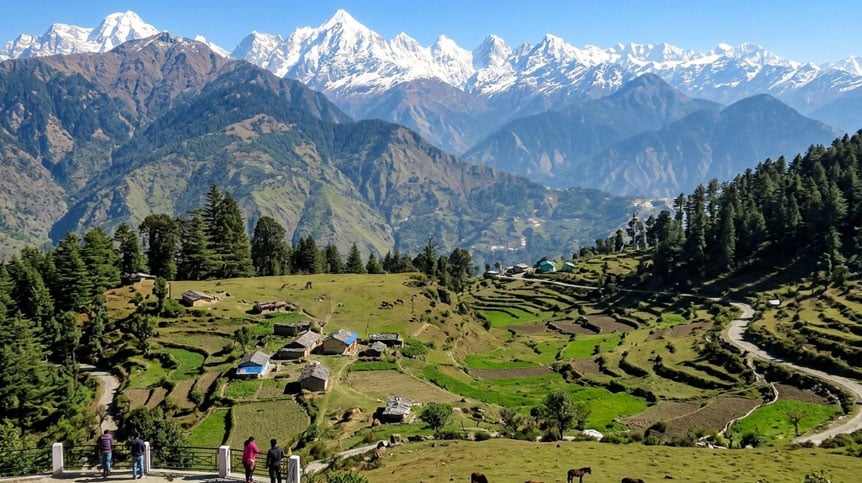

Munsiyari works Best For travellers seeking dramatic Himalayan landscapes, mountain adventures, and a slower pace of exploration rather than a conventional hill-station holiday. Located in Uttarakhand’s Pithoragarh district, this remote mountain destination is often described as the gateway to the Johar Valley and one of Kumaon’s finest viewpoints of the Himalayan range.
Unlike destinations that revolve around busy markets or a long checklist of attractions, Munsiyari rewards visitors through its scenery, trekking opportunities, village experiences, and ever-changing mountain views. Travellers usually come here for Panchachuli viewpoints, nature walks, Darkot village, Birthi Falls, Kalamuni Pass, Khaliya Top, local culture and wider Kumaon route combinations.
A Munsiyari trip should be planned with enough road time and weather flexibility. Mountain visibility, road condition and travel pace matter as much as the attraction list. This guide explains who Munsiyari suits, how many days to spend, what to see, what to skip, when to visit, how to reach, and how to combine it with Kausani, Chaukori, Pithoragarh or a wider Kumaon itinerary.
Travel Verification Note: Munsiyari road conditions, mountain visibility, snowfall, landslide risk, local transport, trek access, forest permissions, guide requirements, route timings and weather can change. Treat this guide as planning support, not a live operating update.
Why Munsiyari Is Different from Other Uttarakhand Hill Stations
Many travellers compare Munsiyari with destinations such as Nainital, Mussoorie, Ranikhet, or Auli, but the experience is fundamentally different. While those destinations are often built around tourism infrastructure, shopping areas, and easy-access sightseeing, Munsiyari remains comparatively remote and less commercialised.
The destination serves as an important base for exploring Kumaon’s higher Himalayan regions and offers a stronger sense of wilderness than most hill stations in Uttarakhand. Visitors come here for mountain views, trekking routes, traditional villages, and the feeling of being surrounded by the Himalayas rather than simply viewing them from a distance.
Its location near the Johar Valley also gives Munsiyari a distinctive cultural character shaped by centuries of trade, migration, and mountain life. This combination of scenery, culture, and adventure creates a travel experience that feels very different from the state’s more mainstream destinations.
Who Munsiyari is Best For
Mountain and Nature Enthusiasts
Munsiyari is one of Uttarakhand’s most rewarding destinations for travellers who enjoy spending time in nature. The surrounding forests, rivers, valleys, and snow-covered peaks create an environment where the landscape itself becomes the main attraction.
Visitors often spend hours enjoying panoramic viewpoints, scenic drives, and peaceful walks while taking in the changing mountain scenery. Panchachuli views, forested slopes, valley roads and local viewpoints form the core experience.
Photographers
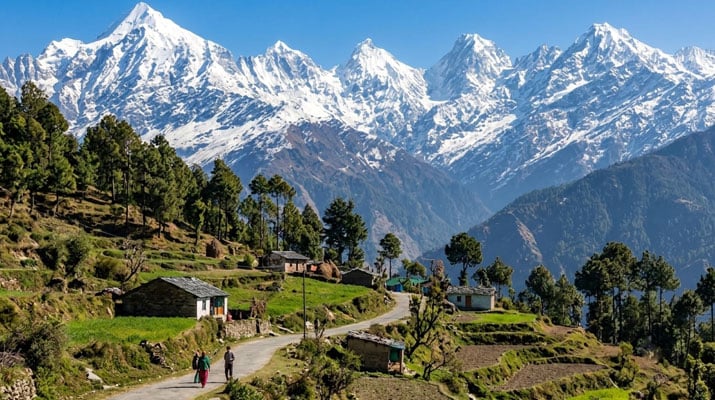
The region offers strong photography potential when weather and visibility support it. The Panchachuli Peaks provide spectacular sunrise and sunset views, while traditional villages, alpine landscapes, forests, and seasonal changes add variety to every photography session.
Many photographers specifically plan their visits around weather conditions and seasonal colours rather than traditional sightseeing schedules. Travellers should keep at least one buffer morning for mountain photography.
Trekkers and Adventure Travellers
Munsiyari serves as a major trekking base within Kumaon and attracts travellers looking for outdoor experiences beyond conventional sightseeing.
Even visitors not undertaking major treks can enjoy shorter hikes, village walks, nature trails, and mountain excursions that provide a strong sense of adventure without requiring extensive trekking experience. Easy village walks and viewpoint walks are different from Khaliya Top, Milam Glacier or Johar Valley trekking, which need fitness, time, guide/permit checks and weather planning.
Slow Travellers
The destination particularly appeals to travellers who prefer depth over speed. Rather than rushing between attractions, visitors are rewarded for spending time appreciating the scenery, interacting with local communities, and experiencing mountain life at a relaxed pace.
Repeat Uttarakhand Visitors
Travellers who have already explored destinations such as Nainital, Mussoorie, Kausani, or Auli often find Munsiyari refreshing because it offers a more remote and less-commercialised Himalayan experience.
Its landscapes feel wilder, its pace slower, and its overall atmosphere more authentic than many of Uttarakhand’s better-known hill stations.
Who May Not Enjoy Munsiyari as Much
Munsiyari may be less suitable for travellers seeking luxury resorts, nightlife, extensive shopping opportunities, cafe-heavy sightseeing or densely packed sightseeing schedules. The destination’s appeal lies primarily in its landscapes, trekking opportunities, and peaceful atmosphere rather than entertainment infrastructure.
Visitors expecting quick access to numerous attractions may find the destination quieter than anticipated. The journey itself forms an important part of the experience, and travellers who embrace a slower pace generally enjoy Munsiyari the most.
How Much Time Do You Need in Munsiyari?
The ideal duration depends on your travel style and whether Munsiyari is being visited as a standalone destination or as part of a wider Kumaon itinerary.
While the town’s major viewpoints and attractions can be covered within two days, most travellers find that three to four days provide a far more rewarding experience. Additional time allows for village excursions, nature walks, photography sessions, and the flexibility to enjoy changing mountain conditions.
Planning Essentials at a Glance
| Travel Factor | Recommendation |
|---|---|
| Ideal Stay | 3–4 Days |
| Minimum Stay | 2 Days, only for core viewpoints and local culture |
| Extended Exploration | 5–7 Days, if adding Khaliya Top, Milam/Johar Valley context or wider Kumaon |
| Best Season | March–June & September–November, subject to weather and road checks |
| Best For | Panchachuli views, Mountains, trekking, photography, slow travel |
| Pace | Relaxed, avoid checklist-style planning |
| Family Friendly | Yes, suitable for nature-loving families with road-travel comfort |
| Senior suitability | Possible with slower pacing, private cab and fewer rough-road/trek add-ons |
| Key local experiences | Darkot village, Tribal Heritage Museum, Nanda Devi Temple, local walks |
| Adventure Friendly | Soft to high, depending on whether treks are included |
| Best Viewpoint Experience | Panchachuli Peaks and clear weather mornings |
| Major Day Trips | Birthi Falls, Darkot Village, Kalamuni Pass |
| Kumaon Combination | Kausani, Chaukori, Pithoragarh, Almora, Bageshwar |
| Key nature add-ons | Birthi Falls, Kalamuni Pass, Khaliya Top, Thamri / Maheshwari Kund if access is suitable |
| Main planning caution | Road fatigue, weather, visibility and trek access need flexibility |
How Munsiyari Fits Into a Wider Kumaon Journey
While Munsiyari can certainly be enjoyed as a standalone destination, most travellers include it as part of a broader Kumaon itinerary. The journey itself is one of the highlights, passing through scenic mountain roads, traditional villages, river valleys, and panoramic viewpoints.
Unlike destinations that work well as quick weekend escapes, Munsiyari rewards travellers who allow sufficient time for both the destination and the route leading to it.
Suggested Munsiyari Route Circuits
2-Day Munsiyari Highlights Circuit
Ideal for travellers with limited time.
Suggested Route: Panchachuli Viewpoint → Nanda Devi Temple → Darkot Village → Tribal Heritage Museum → Local viewpoints
This route focuses on the destination’s core mountain views, culture, and local experiences.
Best For: Travellers with limited time already staying in or near Munsiyari.
Why it works: Covers mountain views, local culture and light sightseeing without adding long excursions.
Comfort note: Keep this route flexible because Panchachuli views depend on weather and visibility.
3-Day Munsiyari Explorer Circuit
Day 1: Arrival → local viewpoints → Panchachuli sunset if clear
Day 2: Nanda Devi Temple → Darkot Village → Tribal Heritage Museum → local market / village walk
Day 3: Birthi Falls or Kalamuni Pass → scenic drive → relaxed departure or extra viewpoint time
Best For: First-time travellers, families, photographers and slow travellers.
Why it works: Balances culture, views and short excursions without overloading the route.
Comfort note: Choose either Birthi Falls or Kalamuni Pass if travelling with seniors or young children.
This itinerary balances sightseeing, culture, and outdoor experiences while maintaining a relaxed pace.
4–5 Day Kumaon Mountain Circuit
Route: Kausani → Chaukori → Munsiyari → Birthi Falls/ Kalamuni Pass → Pithoragarh
This route works particularly well for travellers interested in mountain landscapes, photography, and slower exploration.
Best For: Travellers who want a deeper Kumaon journey with scenic road breaks.
Why it works: Reduces road fatigue and gives more time for Himalayan viewpoints.
Comfort note: Add overnight breaks rather than treating Munsiyari as a direct long-drive destination.
5–6 Day Munsiyari + Khaliya Top Soft Adventure Route
Route: Chaukori / Pithoragarh → Munsiyari → Panchachuli viewpoints → Darkot → Khaliya Top trek → rest day / local sightseeing
Best For: Fit couples, photographers and soft-adventure travellers.
Why it works: Adds a proper trek without rushing the core Munsiyari experience.
Caution: Khaliya Top is a high-altitude meadow trek near Munsiyari; sources vary on exact altitude, with many travel sources placing it around 3,500 m to 3,700 m. Verify trail condition, guide need, season and weather before planning.
Extended Kumaon Circuit (6–8 Days)
Route: Nainital → Almora → Kausani → Chaukori → Munsiyari → Pithoragarh
This is one of the most rewarding ways to experience Kumaon’s diversity, combining lakes, heritage towns, Himalayan viewpoints, and remote mountain regions.
Best For: Travellers seeking a fuller Kumaon itinerary.
Why it works: Combines lakes, heritage towns, Himalayan viewpoints and remote mountain regions.
Comfort note: Avoid changing hotels every night. Keep two nights in Munsiyari if Panchachuli views and slow exploration are priorities.
Best Places to Visit and Experience in Munsiyari
Unlike many hill stations where attractions are concentrated around a town centre, Munsiyari’s appeal is spread across viewpoints, villages, mountain landscapes, and nearby excursions. The destination works best when travellers prioritise quality experiences over covering numerous locations.
Panchachuli Peaks Viewpoints
The Panchachuli range is undoubtedly Munsiyari’s most iconic attraction. These five snow-covered Himalayan peaks dominate the landscape and provide some of Uttarakhand’s most memorable mountain views when visibility is clear.
The changing colours during sunrise and sunset create spectacular photography opportunities and often become the highlight of a visit.
Best For
- First-time visitors
- Photographers
- Nature enthusiasts
Time Required: 30 minutes to several hours depending on weather and photography interests.
Pairs Well With
- Local viewpoints
- Nature walks
- Sunrise excursions
Nanda Devi Temple
Nanda Devi Temple adds a spiritual and cultural layer to a Munsiyari trip. It works well as a short, low-effort stop along with viewpoints and local sightseeing.
Best For: Families, cultural travellers, slow travellers.
Time needed: 30–45 minutes.
Pairs well with: Panchachuli viewpoints, local market, Darkot village.
Planning caution: Follow local temple etiquette and keep the stop simple.
Darkot Village
Located a short distance from Munsiyari, Darkot Village offers visitors an opportunity to experience traditional Kumaoni architecture, local craftsmanship, and mountain village life.
The village is particularly known for its wool weaving traditions and provides a cultural contrast to the region’s dramatic natural landscapes.
Best For
- Cultural travellers
- Families
- Photographers
Time Required: 1–2 hours
Pairs Well With
- Tribal Heritage Museum
- Local sightseeing
Planning caution: Avoid intrusive photography in homes or workspaces. Use a local guide where possible.
Tribal Heritage Museum
The museum provides valuable insight into the history, traditions, and lifestyles of communities that have lived in the region for generations.
Visitors interested in understanding the cultural context behind Munsiyari’s mountain landscapes often find the museum particularly rewarding.
Best For
- Cultural travellers
- Families
- History enthusiasts
Time Required: 45 minutes–1 hour
Pairs Well With
- Darkot Village
- Town exploration
Planning caution: Verify current opening status before adding it as a fixed itinerary stop.
Birthi Falls
Located on the route to Munsiyari, Birthi Falls is one of the region’s most popular natural attractions. The waterfall becomes especially impressive after the monsoon when water levels are at their highest.
The surrounding scenery makes it a worthwhile stop during arrival or departure journeys.
Best For
- Nature lovers
- Families
- Photographers
Time Required: 30–60 minutes
Pairs Well With
- Scenic drives
- Kumaon road journeys
Planning caution: Check road and path conditions during or after monsoon.
Kalamuni Pass
Situated above Munsiyari, Kalamuni Pass offers panoramic views of the surrounding mountains and valleys. The temple located at the pass adds cultural significance to the experience.
Good photography potential in favourable light and visibility.
Best For
- Scenic drives
- Photography
- Mountain enthusiasts
Time Required: 1–2 hours
Pairs Well With
- Panchachuli viewpoints
- Local sightseeing
Planning caution: Visibility and road comfort depend on weather.
Khaliya Top
Khaliya Top is one of the key trek-based experiences near Munsiyari and a major attraction. It should not be treated as casual sightseeing.
Best For: Fit travellers, trekkers, photographers, soft-adventure guests.
Time needed: Half day to full day depending on route and pace.
Pairs well with: Munsiyari stay, local rest day, Panchachuli viewpoints.
Planning caution: It is a high-altitude meadow trek near Munsiyari.
Things to Do in Munsiyari
Enjoy Sunrise Views of the Panchachuli Peaks
Watching the first sunlight illuminate the Panchachuli range is one of the most memorable experiences in Munsiyari. Many visitors plan early mornings specifically around this spectacle.
Explore Traditional Mountain Villages
Villages around Munsiyari provide opportunities to experience local culture, architecture, and traditional Himalayan lifestyles that remain closely connected to the landscape.
Go Nature Walking
Even travellers who are not serious trekkers can enjoy numerous walking routes through forests, hillsides, and scenic viewpoints surrounding the town.
Experience Local Culture
Markets, villages, temples, and community interactions allow visitors to gain a deeper understanding of the region’s traditions and way of life.
Photograph Himalayan Landscapes
The constantly changing weather and mountain light make Munsiyari one of Kumaon’s strongest photography destinations.
Visit Darkot and Local Culture Stops
Darkot village, local markets and the Tribal Heritage Museum help travellers understand the cultural side of Munsiyari beyond mountain views.
Add Khaliya Top if Fitness Allows
Khaliya Top is suitable for fit travellers who want a proper trek-based viewpoint. Verify trail access, weather, guide requirement and route condition before adding it.
Explore Birthi Falls and Kalamuni Pass on Route Days
These stops fit well into arrival/departure or scenic-drive days. Avoid adding them to an already packed sightseeing day.
Best Time to Visit Munsiyari
The most practical periods for visiting Munsiyari are generally March to June and September to November. These months often offer better travel comfort than peak monsoon or deep winter, but mountain visibility, road conditions and weather still need checking before travel.
| Season | Better For | Planning Reality |
|---|---|---|
| March to June | Pleasant weather, sightseeing, nature walks, early trekking plans | Visibility can still vary; summer routes may get busy |
| July to August | Green landscapes and monsoon scenery | Rain can affect roads, landslide risk, waterfall access and mountain views |
| September to November | Post-monsoon clarity potential, photography, trekking windows | Strong season for views, but cold nights and road checks still matter |
| December to February | Snow atmosphere, winter landscapes, quiet travel | Cold weather, snow/ice and road disruption can affect plans |
Seasonal Planning Guide
March to June
One of the most popular periods for visiting Munsiyari. Pleasant temperatures and clear skies create conditions often suitable for sightseeing and outdoor exploration.
July to August
The monsoon season transforms the landscape into lush greenery. While the scenery becomes particularly beautiful, rainfall can occasionally affect visibility and road travel.
September to November
Many experienced travellers consider this one of the best seasons because of excellent visibility, post-monsoon landscapes, and comfortable weather.
December to February
Winter brings colder temperatures and occasional snowfall in surrounding areas. Mountain views can be spectacular, although weather conditions may become less predictable.
How to Reach Munsiyari
Munsiyari is primarily accessible by road.
Most Convenient Option
Fly to Pantnagar Airport: → Continue by road via Almora, Chaukori, or Pithoragarh.
This can be a practical option for travellers flying into Kumaon, subject to flight availability and road plan.
Alternative Routes
Travellers can also reach Kathgodam by train and continue onward by road. Many visitors combine the journey with other destinations in Kumaon.
Why Access Planning Matters
Although distances may appear manageable on a map, mountain roads can increase travel times significantly. Most visitors benefit from breaking the journey with overnight stops at destinations such as Kausani or Chaukori.
Recommended route-break logic:
| Starting / Access Point | Better Route Approach | Planning Note |
|---|---|---|
| Delhi / NCR | Break at Almora, Kausani or Chaukori before Munsiyari | Avoid one very long road push |
| Kathgodam | Continue by road with overnight break if needed | Better for train-based travellers |
| Pantnagar | Fly + long road journey | Verify flight and taxi availability |
| Kausani / Chaukori | Strong scenic route into Munsiyari | Works well for slow Kumaon itinerary |
| Pithoragarh | Useful regional hub / onward link | Check current road and transport conditions |
Practical Travel Tips for First-Time Visitors
- Allow Extra Time for Road Travel
Mountain driving conditions often make journeys longer than expected. Keeping flexible schedules creates a more comfortable experience.
- Carry Layered Clothing
Weather conditions can change quickly, especially during mornings and evenings. Layering provides flexibility throughout the day.
- Prioritise Viewpoints Early
Morning hours generally offer the clearest mountain visibility and strongest photography opportunities.
- Keep a Relaxed Pace
Munsiyari is best enjoyed slowly. Many travellers discover that the destination becomes more rewarding when they spend less time travelling between attractions and more time appreciating the surroundings.
- Prepare for Limited Urban Facilities
While Munsiyari offers essential services, travellers should not expect the level of infrastructure available in larger hill stations.
Trekking and Nature Walk Caution
Munsiyari has both easy nature experiences and serious trekking routes. Do not present all outdoor activity as the same.
Easy / low-effort options: Panchachuli viewpoints, local village walks, Darkot, Nanda Devi Temple, short nature walks.
Moderate to hard options: Khaliya Top, longer forest trails, high-altitude meadow routes.
Advanced routes: Milam Glacier, Johar Valley and other remote trekking extensions.
Before adding treks to a package, verify:
- current trail access
- weather and snow condition
- guide requirement
- permit requirement
- forest/local rules
- traveller fitness
- altitude comfort
- emergency support and route duration
Nearby Places Worth Combining with Munsiyari
1. Chaukori
Known for its Himalayan views, tea gardens, and peaceful atmosphere, Chaukori is one of Kumaon’s most scenic stopovers.
Use it if: You want to reduce road fatigue and add another quiet Kumaon viewpoint stay.
Avoid if: You have only two days for Munsiyari itself.
2. Kausani
A classic Kumaon hill station famous for panoramic mountain views and a relaxed pace of exploration.
Use it if: You want a softer, more accessible hill-station stay before moving into remote Munsiyari.
Avoid if: The route is already too long or you prefer fewer hotel changes.
3. Pithoragarh
A major regional hub offering cultural attractions, scenic landscapes, and onward connectivity.
Use it if: You want a more practical road-break or regional hub.
Avoid if: The itinerary already has Kausani/Chaukori and limited days.
4. Birthi Falls
One of the region’s most popular natural attractions and an easy addition to most Munsiyari itineraries.
Use it if: It falls naturally on your arrival/departure route.
Avoid if: Heavy rain or road conditions make stopping unsafe.
5. Milam Region
Known for trekking routes and remote Himalayan landscapes, this area appeals primarily to adventure travellers.
Use it if: Travellers have fitness, permits, guide support and enough days.
Avoid if: The trip is family-focused, short, luxury-led or low-effort.
Suggested Travel Styles
Mountain Holidays
Munsiyari is among Uttarakhand’s strongest destinations for travellers seeking immersive Himalayan scenery.
Photography-Focused Trips
The combination of mountain landscapes, villages, forests, and changing weather creates outstanding photography opportunities.
Family Holidays
Families who enjoy nature and slower-paced travel often appreciate Munsiyari’s peaceful environment.
Adventure and Trekking Holidays
The destination serves as an important gateway to several trekking routes and outdoor experiences.
Kumaon Exploration Circuits
Munsiyari combines naturally with destinations such as Kausani, Chaukori, and Pithoragarh to create a rewarding regional itinerary.
Practical Comfort Guidance for Munsiyari
- Keep at least two nights in Munsiyari if Panchachuli views are a priority.
- Add route breaks at Kausani, Chaukori, Almora, Bageshwar or Pithoragarh for better comfort.
- Avoid planning Munsiyari as a quick weekend trip from Delhi/NCR.
- Use a private cab for family, senior and premium travellers.
- Keep one flexible morning for mountain views.
- Carry layered clothing even outside winter; mornings and evenings can feel cold.
- Check road conditions during monsoon and winter.
- Do not overpack sightseeing days; the best experience often comes from slower pacing.
- Families should avoid long back-to-back drives and rough trek plans.
- Senior travellers should skip Khaliya Top or long nature walks unless fitness allows.
- Carry basic medicines, snacks and cash because facilities may be limited.
- Verify mobile network availability and hotel facilities before booking remote stays.
- Avoid comparing Munsiyari directly with Nainital or Mussoorie; the experience is more remote and slower.
Explore Related Travel Options
Travellers planning a trip to Munsiyari may also wish to explore:
- Munsiyari Tourist Attractions
- Best Time to Visit Munsiyari
- How to Reach Munsiyari
- Kumaon Travel Guide
- Uttarakhand Travel Guide
- Uttarakhand Tour Packages
- Kumaon Tour Packages
- Himalayan Holiday Packages
These resources can help travellers create a more complete and rewarding itinerary.
Plan Your Munsiyari Journey
Planning Munsiyari? The right route depends on your travel month, number of days, starting city, road comfort, family/senior needs, interest in Panchachuli views, village experiences, Khaliya Top, Birthi Falls, Johar Valley routes or a wider Kumaon itinerary.
IndianHoliday can help you plan Munsiyari with realistic road breaks, private transfers, slow sightseeing, trekking support where needed, and a comfortable Kumaon route that does not feel rushed.


