What if your Himalayan vacation didn’t involve waking up at dawn, spending eight hours in a car, and changing hotels every other night?
Instead, imagine opening your curtains to mist-covered hills, enjoying breakfast with mountain views, and visiting a centuries-old Buddhist monastery without constantly checking the time.
That’s the kind of journey Sikkim makes possible.
Located in northeastern India, Sikkim is a small Himalayan state surrounded by high mountains, deep valleys, forests, and colorful Buddhist monasteries. It’s also home to views of Kangchenjunga, the world’s third-highest mountain.
Why Sikkim Deserves More Than a Rushed Road Trip
Sikkim covers approximately 7,096 square kilometers (2,740 square miles), making it one of India’s smallest states.
Despite its small size, traveling across Sikkim takes time.
Mountain roads twist around steep hills, cross river valleys, and climb through changing landscapes. A journey that appears short on a map can take several hours.
For example, traveling from Gangtok to Pelling may take around five to six hours, depending on the route and road conditions.
Now imagine adding sightseeing stops, mountain traffic, and occasional weather delays.
If you have only five days, trying to include Gangtok, Pelling, and North Sikkim would mean spending a large part of your trip in the car.
For a more comfortable first visit, allow around eight to ten days and choose two or three destinations. This gives you time for sightseeing, rest, and unexpected weather delays.
Where Should You Begin Your Sikkim Journey?
Most international travelers reach Sikkim through Bagdogra Airport in neighboring West Bengal.
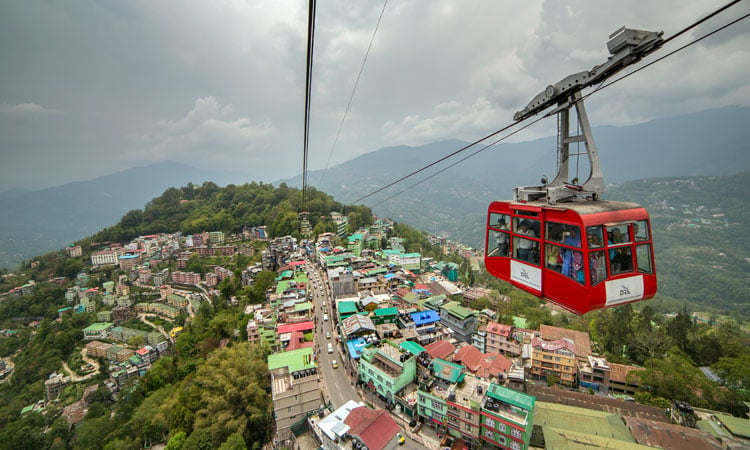
Bagdogra has domestic flight connections to major Indian cities, including Delhi and Kolkata. From there, Gangtok, Sikkim’s capital, is approximately four to five hours away by road under favorable conditions.
Allow longer when traffic or road conditions are difficult.
If you’re arriving from the United States or Europe, spending a night in Delhi or Kolkata before traveling onward can make the journey more comfortable.
Another option is to begin with Darjeeling, the famous tea-growing hill town in West Bengal, before continuing into Sikkim.
However, if your priority is a relaxed Himalayan experience, consider heading directly to Gangtok and exploring Sikkim at an easier pace.
The Ideal Slow Sikkim Route: 3 Places Worth Your Time!
For a comfortable first visit, a route connecting Gangtok, Ravangla, and Pelling offers a rewarding mix of monasteries, mountain landscapes, and local culture.
Suggested duration: 9 – 10 days
1. Gangtok: Your Introduction to Sikkim
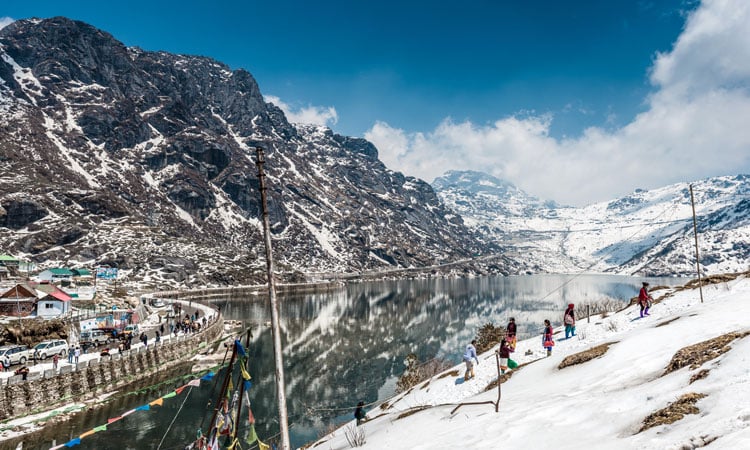
Recommended stay: 3 nights
Gangtok welcomes you with open arms when you enter Sikkim!
You will find busy markets, viewpoints, Buddhist monasteries, and restaurants serving local Himalayan food here.
After the drive from Bagdogra, enjoy a relaxed evening around MG Marg, the city’s popular pedestrian shopping street.
Over the next 2 days, explore some of Gangtok’s cultural highlights.
Rumtek Monastery, outside the main city, is one of Sikkim’s important centers of Tibetan Buddhism. Inside, you will find religious artwork, traditional architecture, and an atmosphere quite different from the city’s lively streets.
You could also visit the Enchey Monastery, explore the Namgyal Institute of Tibetology’s collections, or just take a pit stop at Tashi Viewpoint when the skies are clear.
If you want something more personal, arrange a guided visit to a local market or try traditional dishes such as momos, thukpa, and phagshapa.
2. Ravangla: Quiet Hills and Buddhist Heritage
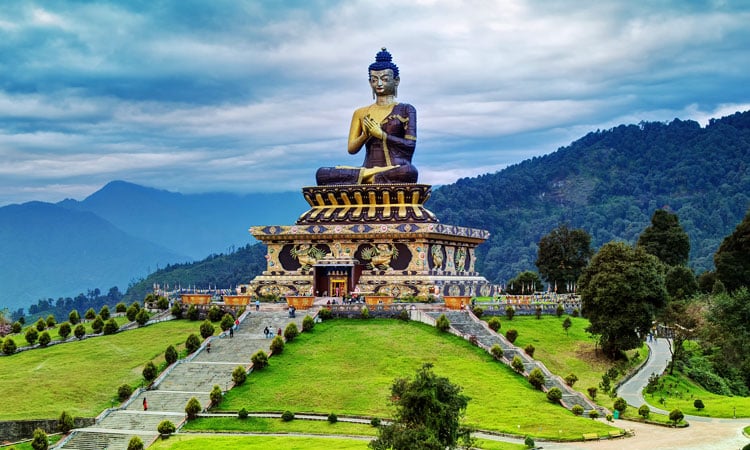
Recommended stay: 2 nights
From Gangtok, travel toward Ravangla, a quiet town in southern Sikkim.
Usually, it’s a 3 – 4 hour drive, although mountain terrain and weather can make it a bit longer.
Ravangla is an excellent choice of place to slow down.
Make sure you visit the Buddha Park, also known as Tathagata Tsal. It’s an important landmark where a towering Buddha statue stands against a backdrop of forested hills.
The setting invites a leisurely visit rather than a quick photo stop.
Nearby, you can explore village landscapes, enjoy nature walks suited to your fitness level, or simply spend an afternoon enjoying the mountain atmosphere.
Ravangla also works as a base for visiting selected attractions around Namchi, although adding too many stops defeats the purpose of staying here.
Choose a comfortable hillside property with pleasant views and allow time to enjoy it.
The slow-travel advantage: Ravangla breaks up the journey between Gangtok and western Sikkim while adding a peaceful cultural experience.
3. Pelling: Mountain Views and Ancient Monasteries
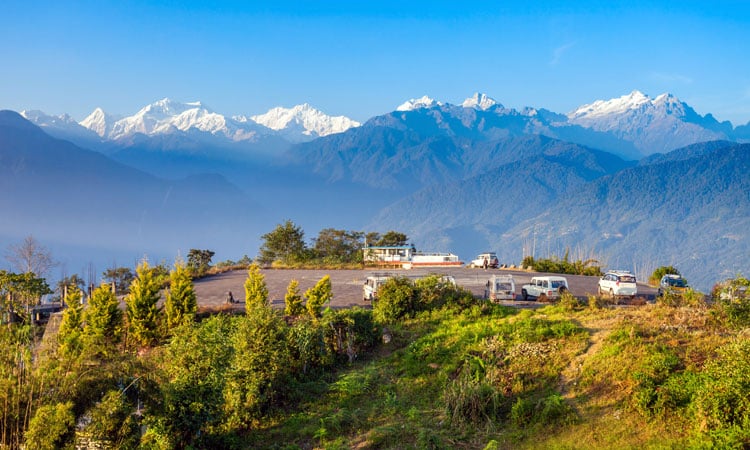
Recommended stay: 3 nights
Pelling, in western Sikkim, is appealing to travelers who are looking for Himalayan scenery without going on a demanding trek.
On clear mornings, the town offers remarkable views of the Kangchenjunga range.
You don’t need to be an experienced trekker to enjoy these views. Many hotels offer mountain-facing rooms, although clear views depend on the weather. If seeing Kangchenjunga is important to you, it’s worth choosing a hotel with a good location and allowing more than one morning in Pelling.
Spend one day exploring Pemayangtse Monastery, one of Sikkim’s oldest and most respected Buddhist monasteries.
Explore the forested ruins of Rabdentse, a reminder of Sikkim’s royal history. Reaching there needs a bit of walking, so make sure you’re wearing comfortable walking shoes.
On another day, you can check out the Khecheopalri Lake, a sacred lake surrounded by forest, or selected waterfalls and villages along the way.
There’s no need to cover everything.
Sometimes, a quiet afternoon overlooking the mountains is exactly what you’ve traveled this far to experience.
The slow-travel advantage: 3 nights offer flexibility for changing weather and improve your chances of enjoying clear mountain views.
How Much Driving Should You Expect?
One of the most important things to understand about Sikkim is that travel times matter more than distances.
Here’s a practical guide to approximate road journeys.
| Journey | Typical planning time |
| Bagdogra Airport to Gangtok | 4 – 5 hours |
| Gangtok to Ravangla | 3 – 4 hours |
| Ravangla to Pelling | 2 – 3 hours |
| Gangtok to Pelling | 5 – 6 hours |
| Pelling to Bagdogra Airport | 5 – 7 hours |
These are estimates, not guaranteed driving times.
Mountain roads can be affected by rain, landslides, construction, and traffic restrictions.
A private vehicle with an experienced local driver is particularly useful for travelers who prefer flexible stops and a more comfortable journey.
Also, avoid scheduling international flight connections immediately after a long mountain transfer.
A buffer night near your departure airport may be worth considering.
Should You Include North Sikkim and Yumthang Valley?
This is where careful planning becomes crucial.
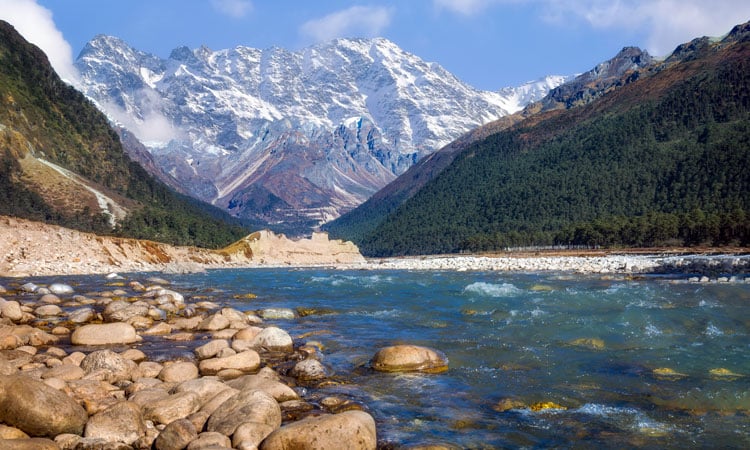
North Sikkim is famous for its dramatic mountain scenery, remote settlements, and the beautiful Yumthang Valley.
However, reaching places such as Lachung and Yumthang involves longer journeys, more basic accommodations in some areas, high altitude, and additional permit requirements.
For travelers visiting India for the first time, North Sikkim may be better treated as a separate extension rather than an essential part of every itinerary.
Foreign nationals also face specific access restrictions.
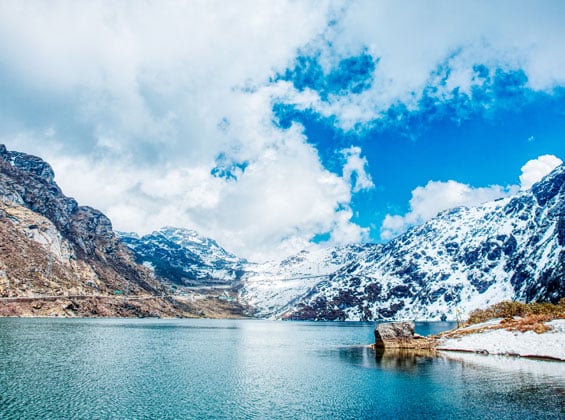
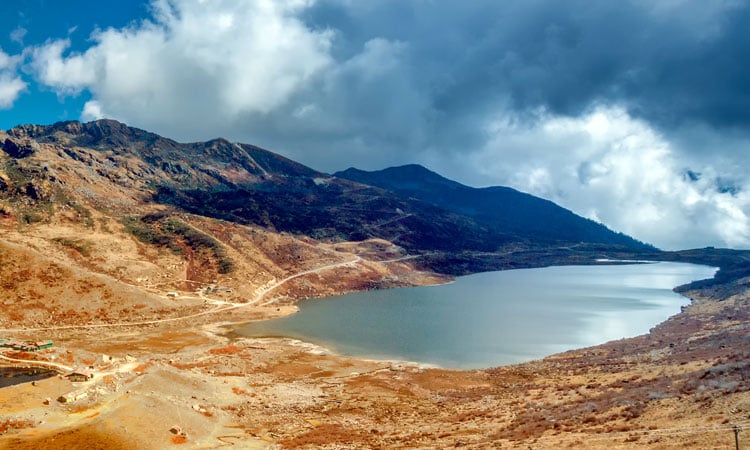
Note: Eligible foreign visitors may be permitted to visit Tsomgo Lake and designated parts of North Sikkim, including the Lachung-Yumthang region, subject to Protected Area Permits and current government regulations.
For North Sikkim, permits may involve minimum-stay requirements, registered guides, and approved travel arrangements. Access is not guaranteed, even when the necessary documents have been submitted.
Nathula Pass and Gurudongmar Lake should not be included as standard foreign-tourist sightseeing options under the currently published rules.
However, foreign tourists are not permitted to visit Nathula Pass or Gurudongmar Lake under the published rules.
Access can also change with road conditions and government instructions.
Our suggestion: If your priority is comfort, monasteries, and mountain scenery, concentrate on Gangtok, Ravangla, and Pelling. Consider North Sikkim only if you’re comfortable with longer drives and simpler facilities.
When Is the Best Time to Visit Sikkim?
For a relaxed Himalayan holiday, you have two travel windows.
March to May: It’s the spring season, and it brings pleasant conditions in many lower and middle-altitude destinations. You might see flowering rhododendrons and fresh green landscapes.
October to mid-December: Autumn generally offers better opportunities for clear mountain views, particularly after the monsoon.
If seeing Kangchenjunga is a major priority, the autumn months are especially appealing.
June through September brings significant monsoon rainfall, increasing the risk of landslides, road closures, and disrupted transfers.
Winter can be beautiful but cold, with snow affecting higher routes.
For most first-time visitors who prefer comfort and predictable sightseeing, spring and autumn are the strongest choices.
What Should International Travelers Know Before Visiting?
Sikkim’s mountain roads and permit rules require careful planning.
Most foreign visitors need a Restricted Area Permit (RAP) to enter Sikkim. Visiting certain protected destinations, including Tsomgo Lake and eligible North Sikkim areas, requires an additional Protected Area Permit (PAP).
Access depends on nationality, permit approval, current government restrictions, and the destination being visited. Some permits must be arranged through a registered local travel agency. Foreign tourists should not assume that all high-altitude attractions are open to them.
Check the latest rules before booking flights and hotels.
Accommodation deserves equal attention.
Gangtok offers a wider selection of upscale hotels, while Ravangla and Pelling have more limited choices.
If you are looking for a premium holiday, select the best available mountain property rather than expecting five-star facilities everywhere.
Pack layers, a waterproof jacket, comfortable walking shoes, and any essential medications.
If you plan to visit high-altitude areas, discuss altitude-related health concerns with a medical professional before traveling.
Most importantly, keep your itinerary flexible.
A misty morning or a delayed mountain drive shouldn’t mean losing the best part of your trip.
Can You Combine Sikkim With Darjeeling or Other Parts of India?
Absolutely!
But you need enough time.
Darjeeling is one of the easiest additions if you’re interested in tea estates, colonial-era hill architecture, and the famous Darjeeling Himalayan Railway.
Allow at least two nights rather than treating it as a rushed day trip.
Travelers considering Kerala should understand that the two regions offer entirely different experiences.
Kerala, in southern India, is known for tropical backwaters, beaches, and Ayurveda-inspired wellness stays. Sikkim offers cooler Himalayan landscapes, Buddhist heritage, and scenic mountain journeys.
Combining them is possible, but it involves substantial domestic travel and flight connections.
If you have fewer than two weeks in India, it’s better to choose one region and have a more satisfying experience.
For the Best Sikkim Journey, Have Room for the Unexpected
Sikkim isn’t a destination where adding more places automatically makes for a better holiday. Its mountain roads, changing weather, and remote locations make careful planning especially important.
For a first visit, Gangtok, Ravangla, and Pelling offer a good combination of Buddhist monasteries, mountain scenery, and comfortable stays. If you have more time and are comfortable with longer drives, you can consider adding other destinations based on current access conditions
These experiences rarely fit neatly into a packed sightseeing schedule.
For your first Sikkim trip, spend longer in fewer places, travel with a knowledgeable local driver, and choose experiences that genuinely interest you.
Planning a private Sikkim vacation?
Share your travel dates, interests, and hotel preferences with Indian Holiday. We can help you plan a private journey with realistic road transfers, comfortable accommodations, and enough time to enjoy each destination.
Whether you’re visiting as a couple, family, or small private group, we’ll help you experience Sikkim without turning your vacation into a race between destinations.