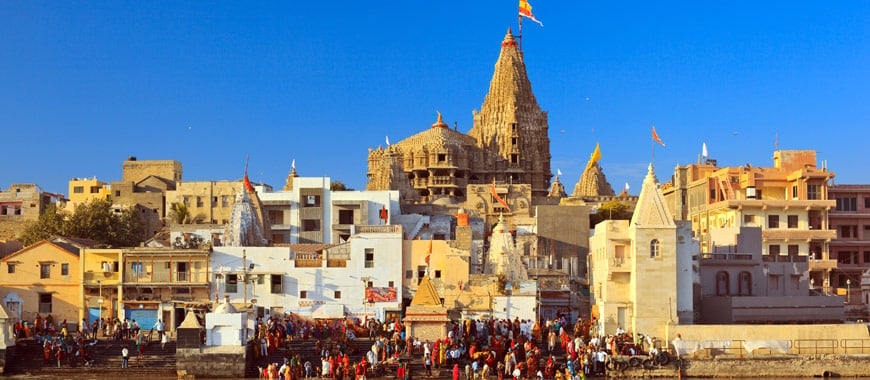

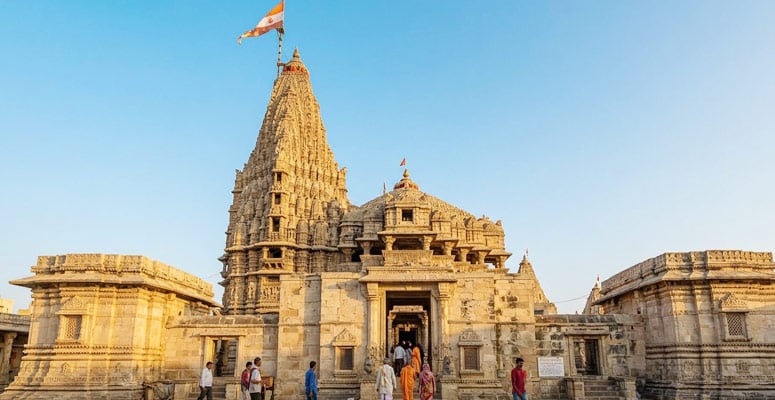
The best time to visit Dwarka depends on how you plan to structure your trip—whether you want a smoother darshan experience, fewer crowds at temples, or a well-paced itinerary that includes Bet Dwarka and nearby pilgrimage sites like Somnath.
Unlike most coastal destinations, travel in Dwarka is shaped more by temple timings, crowd flow, and festival periods than just climate. These factors directly affect how efficiently you can move between temples, ghats, and nearby excursions within a single day.
For example, October to March allows you to plan temple visits, Bet Dwarka excursions, and coastal stops within a structured day without long queues or schedule delays.
Choosing the right season helps you manage darshan timing, avoid peak-hour congestion, and build a more balanced pilgrimage itinerary.
What is the Best Time to Get Different Travel Experiences in Dwarka
Dwarka isn’t just about spiritual visits; most travellers plan Dwarka as part of a structured pilgrimage or coastal itinerary, coastal beaches, sunset views at Dwarka Beach, or explore Bet Dwarka island for its scenic charm, while others combine these with temple visits. Here’s how to plan your Dwarka trip based on your travel style:
Best Time for Comfort and Relaxed Travel
Ideal months: October to March
If you want to explore Dwarka at your own pace, taking in the sights without rushing, the period between October and March is ideal. This period allows you to plan temple visits, Bet Dwarka excursions, and coastal stops within a single day without adjusting your schedule around heat, crowds, or rough sea conditions. This makes it easier to move between key sites without rushing or dealing with long waiting times.
Explore our Colourful Gujarat Tour for a well-paced itinerary covering Dwarka and nearby destinations.
Best Time for Families
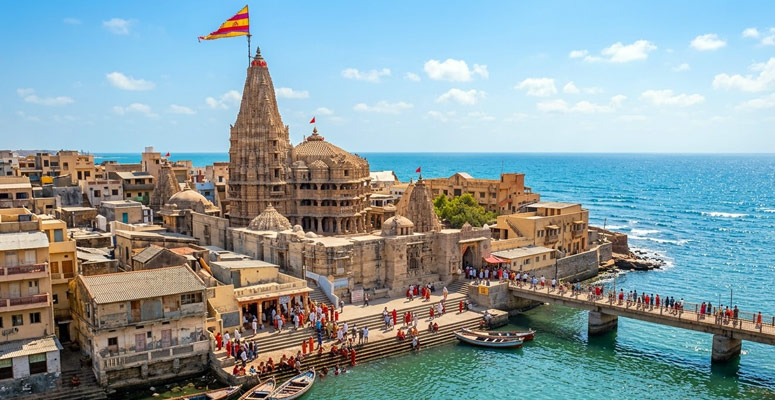
Ideal months: November to January
If you’re visiting Dwarka with children or elderly family members, this period works best. During these months, the city is less humid. Major temple festivals have ended, so short, manageable sightseeing segments can be planned without kids or elders getting exhausted.
This period works best for families as it allows shorter, manageable temple visits, easier movement between locations, and reduced waiting time during darshan.
Plan a comfortable pilgrimage with our Gujarat Temple Tour.
Best Time for Nature Lovers and Coastal Enthusiasts
Ideal months: October to February
This period suits travellers who want to include coastal walks, birdwatching, and short excursions like Bet Dwarka within a structured itinerary without crowd-related delays.
During these months, the skies are clear, the sea breezes are pleasant, and the coastal wildlife is more accessible. Migratory birds, such as terns and sandpipers, are often spotted along the shorelines, making it an excellent time for birdwatchers and photography enthusiasts.
Explore our Gujarat Wildlife & Heritage Tour for a mix of coastal and nature experiences.
Best Time for Photographers
Ideal months: October to February
This period allows photographers to plan sunrise temple shots, mid-day architectural details, and sunset coastal views within a single day without movement constraints.
Best Time for Food Lovers
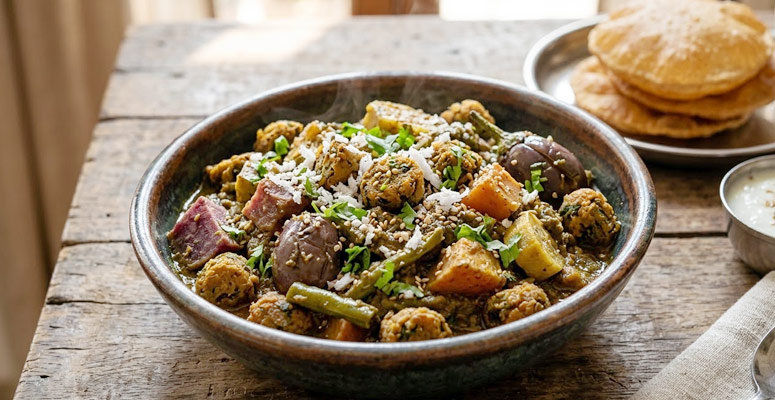
Ideal months: October to February
This period makes it easier to include local food experiences between temple visits without time constraints or weather interruptions. Morning hours work best for breakfast snacks near temple areas, while evenings allow you to explore local markets after darshan.
You can enjoy specialities like:
Kachori and Samosa – crisp, savoury snacks available at local markets.
Undhiyu – a traditional Gujarati mixed vegetable dish, perfect for tasting authentic flavours.
Khichdi and Farsan – comforting meals and fried snacks served at small eateries near the temples.
Mithai (sweets), such as Mohanthal and Pedas, are ideal as a sweet treat after darshan.
Best Time for Fewer Crowds
Ideal months: Late October and Early March
These shoulder periods allow smoother darshan, shorter queues, and easier movement between temples compared to peak festival periods.
Framing by Season
Across seasons, Dwarka works best as a destination built around short, well-planned circuits -combining temple visits, coastal walks, and nearby excursions like Bet Dwarka in a single day. While the city can be visited year-round, each part of the year shapes the kind of experience you’ll have:
- October to February allows full-day temple visits, Bet Dwarka excursions, and coastal stops without major scheduling disruptions.
- You could start with Bet Dwarka Island, then stroll along the Shree Dwarka Lighthouse promenade, and finish the day at Sudama Setu, a quieter riverside spot for reflection and scenic views.
- November to January is ideal for families. Short, manageable sightseeing circuits, safe walking paths, and calmer crowds make it easier to include children or older members.
- Explore Gopi Talav gardens, enjoy the coastal trail near Bhagwati Beach, and relax at Sudama Kund, which has shaded seating areas suitable for everyone.
- October to February also suits nature enthusiasts and birdwatchers.
- Coastal stretches, wetlands near Vijay Dwarka, and quiet riverside spots like Himmatsar Dam offer opportunities for spotting migratory birds, photography, and peaceful walks away from the usual crowds.
- Summer requires tightly structured itineraries, with temple visits planned early morning and coastal or local exploration limited to late evening hours.
- Monsoon is better suited for travellers prioritising fewer crowds and flexible schedules, as ferry timings and movement between sites may vary.
Practical Planning Signals for Visiting Dwarka
Planning your trip with some practical signals in mind will help you make the most of your visit and avoid unnecessary hassles:
- Booking Lead Time: Plan guided tours, ferry rides, or accommodations at least 3–4 weeks in advance, especially during peak family travel months.
- Peak Pricing Expectation: Prices for hotels, stays, and transport can rise significantly during festival periods. Travelling outside these peak dates can help you save.
- Crowd Intensity: Popular attractions are usually busiest in early mornings and late evenings. Midweek visits tend to be quieter and more relaxing.
- Festival Overlap: Large festivals can attract big crowds. If you want a calmer experience, schedule your trip just before or after major celebrations.
- Recommended Duration Adjustments: Dwarka is best explored in short segments. Plan half-day blocks for sightseeing, giving you enough time to enjoy temples, coastal walks, or leisure spots without rushing.
Practical Planning Signals — Dwarka
Booking Lead Time
Peak season (Nov–Feb): 3–5 weeks
Shoulder months: 2–3 weeks
Pricing Expectations
Highest: December–January
Moderate: October–November
Lower: Monsoon
Crowd Levels
High: December–January
Moderate: October–February
Low: Monsoon
Explore Relevant Tours / Itineraries
Once you’ve identified the best time to visit Dwarka, the next step is choosing an itinerary that matches your travel goals and pace.
Choose based on your travel style and preferred pace.