
The best time to visit Junagadh depends on the kind of trip you want—heritage-rich sightseeing, temple circuits, archaeological discovery, or a well-planned Gujarat itinerary that includes nearby forest reserves and coastal extensions. This historic city sits at the meeting point of dynastic legacies, religious significance, and natural landscapes, making seasonal timing crucial. Whether you’re planning a fort-focused cultural walk, a pilgrimage circuit, or a Gir-side extension, choosing the right months ensures comfort, clarity, and seamless day planning.
Below, you’ll find tailored recommendations for different types of travellers, along with itinerary-fit guidance, planning insights, and routing suggestions for curated Gujarat circuits.
Best Time for Comfort & Heritage Exploration
Ideal months: November to February
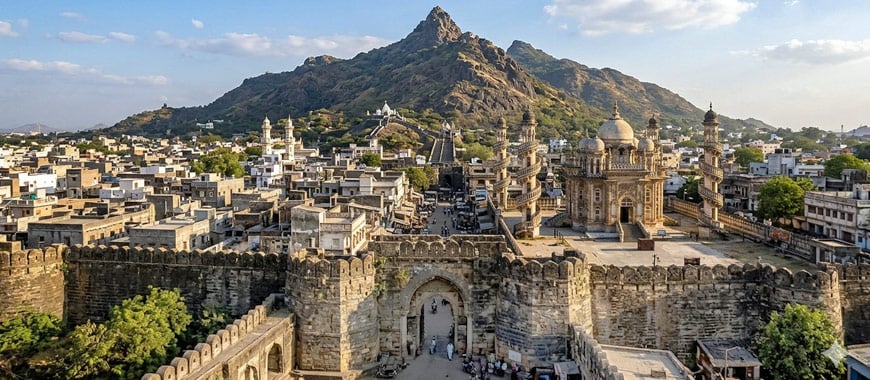
If your goal is to explore Junagadh’s historic quarters, temples, and archaeological sites in a comfortable, unhurried manner, peak winter offers the best experience. Days remain mild, evenings are cool, and the dry air makes sightseeing easy. This is the perfect season to explore the monumental Uparkot Fort, stepwells, ancient caves, and the vibrant old city.
Relevant routes: Ahmedabad Tour Packages
Experience: Expect clear visibility, walkable streets, and mild winter light ideal for photography across heritage sites. The city’s multi-era architecture—Hindu, Jain, Islamic, and colonial—can be enjoyed without heat interruptions, and long half-day circuits become practical.
Best Time for Families
Ideal months: December to February
Families benefit the most during peak winter when temperatures are crisp and pleasant. With shorter walking distances between attractions and easy road conditions, Junagadh becomes a comfortable, family-friendly cultural destination ideal for multi-generational travel.
Families often combine Junagadh with Gir National Park safaris and Somnath temple visits, creating a balanced itinerary of wildlife, culture, and pilgrimage.
Experience: Expect relaxed sightseeing, engaging historical narratives for children, and comfortable temple visits. Fort complexes, parks, stepwells, and viewpoints can be explored without the intensity of summer heat.
Best Time for Heritage, Pilgrimage & Culture Enthusiasts
Cultural peak: November to February
Junagadh is one of western India’s richest heritage hubs, with layers of history spanning the Mauryan, Gujarat Sultanate, and Nawabi eras. Travellers who come for temples, fort complexes, ancient cave sites, and architectural walks find winter the most rewarding.
Junagadh is a key stop for travellers exploring Gujarat’s religious and cultural landscape, especially those visiting Somnath and Girnar. Winter allows uninterrupted temple visits, fort exploration, and heritage walks across the city’s layered historical sites.
Experience: Expect immersive cultural days—Jain temple visits, stepwell explorations, and archaeological circuits—without heat constraints. Winter also aligns perfectly with pilgrimage journeys, including those toward Somnath or the hill temple circles around the region.
Best Time for Nature Lovers & Those Planning a Junagadh–Gir Circuit
Ideal months: December to March
This is the ideal season for travellers combining Junagadh with Gir National Park, allowing both safari experiences and heritage exploration within the same itinerary. Many travellers combine Junagadh with a safari extension at the Gir National Park, making season-to-season coordination necessary.
Useful routes: Gir Wildlife Tour
Experience: Expect moderate temperatures, clearer mornings, and smoother travel between Junagadh and Gir. Morning safaris pair well with afternoon heritage walks in Junagadh, creating a balanced cultural-and-nature itinerary.
Who Will Love It: Couples, culture-nature travellers, photographers, and premium guests who want an itinerary that feels diverse without being rushed.
When to Avoid Crowds & Manage Pacing
Best shoulder months: Late October & March
If you prefer quiet heritage sites and comfortable conditions without peak-season crowding, these edge-of-winter windows are ideal. They provide moderate weather and easier access to guides, monuments, and curated experiences.
What You’ll Experience
Lower crowd density
Comfortable temperatures for fort climbs
Good visibility for architectural photography
Higher availability of premium accommodations
Pleasant evenings for cultural walks
These months work well for travellers wanting flexibility without extreme weather.
Season Framing
Junagadh’s three seasons deeply impact sightseeing comfort, accessibility, and pacing. Here’s what each season feels like from a traveller’s perspective—not just temperature readings.
Summer (March–June): Not Recommended for Structured Sightseeing
Summer in Junagadh is hot, dry, and often draining—especially for trips involving fort walks, temple climbs, or archaeological trails with open exposure to the sun.
Experience: Summer limits how long travellers can comfortably explore forts, caves, and temples. Most visitors restrict sightseeing to early mornings and avoid full-day itineraries.
Monsoon (July–September): Limited Travel Due to Rainfall
Despite lush surroundings, the monsoon brings heavy showers and occasional travel disruptions. Roadblocks and reduced visibility make full-day heritage circuits impractical.
Why it’s not ideal: Junagadh receives significant rainfall, making outdoor sightseeing unpredictable. Pilgrimage, wildlife and archaeological visits—which require walking and climbing—are best saved for winter.
Winter (October–March): The Ideal Season for Structured Travel
This is when Junagadh is at its finest. Clear days, mild temperatures, and dry conditions create the perfect setting for exploring everything from fort complexes to ancient monuments.
Why winter works best: Travellers can comfortably follow multi-stop cultural circuits, complete half-day walks, and incorporate Gir extensions without any weather limitations.
Practical Planning Signals (Essential Before Booking)
1. Booking Lead Time
Peak winter (Dec–Feb): 4–6 weeks
Shoulder months (Oct, Mar): 2–3 weeks
Summer/Monsoon: Not recommended for structured premium travel
2. Pricing Expectations
Highest: December–January
Moderate: November, February
Lower: Late October & early March
3. Crowd Levels
High: December–January
Moderate: November–February
Low: October & March
Very Low: Monsoon
4. Duration Recommendations
Junagadh heritage trip: 2–3 days
Junagadh + Gir circuit: 3–5 days
Gujarat cultural circuit: 7–10 days
Slow-paced itinerary: 4 days
5. Time-of-Day Planning
Heritage sites in Junagadh often involve climbing steps or walking across open courtyards.
Best approach: Explore forts, temples, and archaeological caves in the morning. Reserve afternoons for museums, markets, and shaded heritage structures.
6. What to Pack by Season
Winter: Light woollens, comfortable walking shoes
Shoulder months: Breathable cottons + one evening layer
Summer (if travelling anyway): Sun protection, hats, hydration essentials
Explore Junagadh & Gujarat Tours
These itineraries allow you to combine Junagadh’s heritage with nature, coastal temples, and broader Gujarat circuits—making your trip smooth, meaningful, and well-organised.