
Lakes in and around Spiti Valley are well known for their remoteness, surreal beauty, and high altitudes. These are not just sightseeing stops. Some are effortless roadside halts that fit naturally into long mountain drives, while others involve steep climbs, altitude exposure, or trekking conditions.
Choosing the right lake experience depends on how much physical effort you are comfortable with, the route you are taking, seasonal access, and the kind of journey you want from your Spiti trip.
Which Lakes in Spiti Suit Your Travel Style?
| Lake Type | Best lakes/Water bodies | Best For | Effort Level |
|---|---|---|---|
| High-Altitude Lakes | Chandratal Lake, Suraj Tal | First-time visitors, mountain scenery | Moderate |
| Village-Side Easy Lake Stops | Nako Lake, Tabo village water edges | Slow-paced sightseeing, relaxed road trips | Very Low |
| Trek-Based Remote Lake Experiences | Dhankar Lake, Pin Valley Alpine Lakes Cluster | Active travellers | High |
| Snow-Season Lake Landscapes | Keylong valley seasonal lakes, Jispa river-fed lakes | Snow-season travellers, stark mountain scenery, scenic drives | Low – Moderate |
| Short Cultural Water Stops | Gue Monastery water body | Quick halts, cultural context, short breaks | Easy |
Lakes to Visit in Spiti by Landscape & Travel Experience
1. High-Altitude Lakes
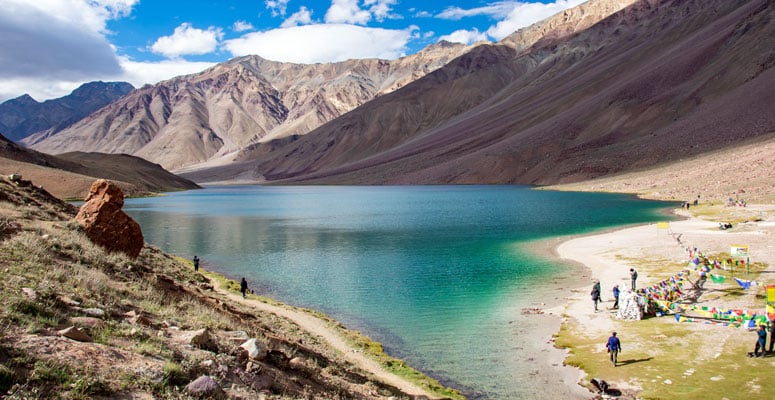
Chandratal Lake
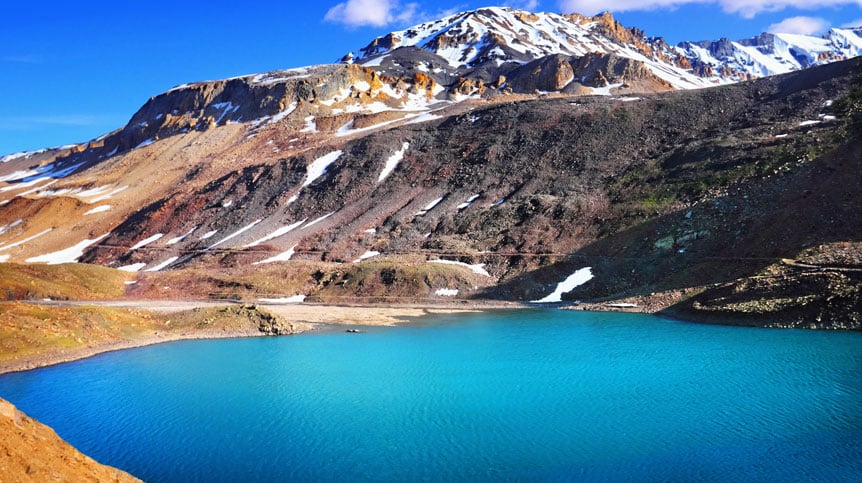
Chandratal is a high-altitude lake visited mainly for its open mountain setting, changing water colour, and wide valley views. The lake is reached after a short walk from the designated parking area over uneven ground, making access manageable without requiring a trek.
Weather significantly affects the visit, as wind, cloud cover, and sudden temperature drops can reduce visibility and shorten time spent outdoors. Road access remains seasonal and depends on snow clearance.
This stop works best for first-time Spiti travellers, landscape-focused visitors, photographers, and road-trippers comfortable with altitude.
Best timing: June to September; Early morning or late afternoon for softer light and calmer lake conditions
Time needed: 45 – 90 minutes
Nako Lake
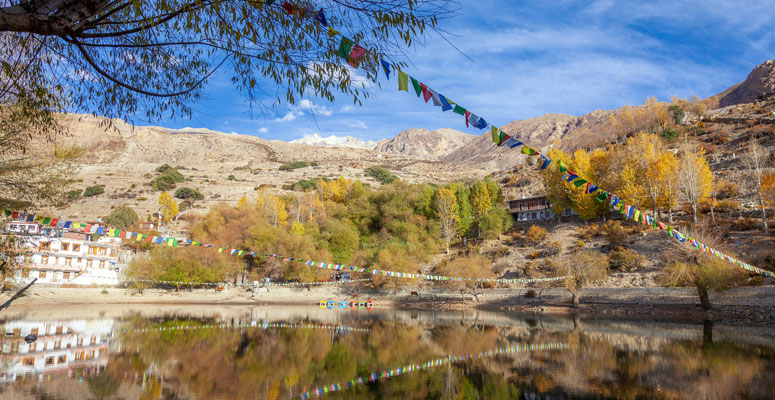
Nako Lake is a small village-side attraction that requires minimal effort to visit and is usually explored alongside Nako village rather than as a standalone stop. A short walking path surrounds the lake, allowing easy movement without steep terrain or long distances. During colder months, parts of the lake may freeze, while summer and early autumn generally offer easier walking conditions and clearer views.
It suits slow travellers, families, seniors, cultural travellers, and anyone who prefers low-effort sightseeing with a village context rather than physically demanding lake visits.
Best timing: May to October
Time needed: 25-30 minutes
2. Lahaul Valley Lake Belt
Suraj Tal
Suraj Tal works best for travellers entering Spiti via the Lahaul route. Located near Baralacha La, the lake is a short roadside stop at a very high altitude, where weather, wind, and oxygen levels influence how long visitors comfortably remain outdoors. Snow often lingers around the lake well into the travel season, adding to the visual appeal but also making conditions colder and more exposed.
Since access involves minimal walking, it fits easily into long driving days, though the altitude can make even brief movement feel tiring.
Best timing: June to September, after snow clearance
Time needed: 20 – 40 minutes
Keylong valley seasonal lakes
These seasonal lakes are better treated as scenic pauses during a drive through the Lahaul Valley than as planned attractions. Formed through snowmelt and shifting water flow, their size and visibility vary through the season, which means some may appear fuller and more reflective while others may reduce to shallow water patches.
They suit travellers already spending time around Keylong rather than visitors looking for a destination lake experience. If time is limited, they are optional additions rather than must-see stops.
Best timing: May to September, when snowmelt improves water levels and visibility
Time needed: 15 – 30 minutes
Jispa river-fed lakes
Small river-fed lakes and water pockets around Jispa appear along the broader valley landscape. Their appeal comes from still-water sections, mountain reflections, and quieter surroundings near campsites or stay areas, particularly after snowmelt improves water flow. Unlike Chandratal or Suraj Tal, there is no single focal viewpoint or fixed stopping point, so what you see depends on recent weather, water flow, and where you pause along the route.
Best timing: June to September for fuller water levels
Time needed: 20 – 40 minutes
3. Trek-only/Remote Lakes
Dhankar Lake
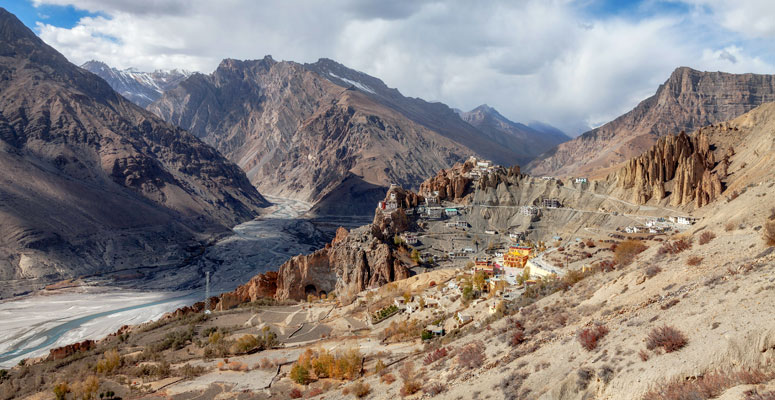
Dhankar Lake requires a steep, high-altitude hike from Dhankar village and is best suited to travellers comfortable with sustained uphill walking. The trail is short but physically demanding because of loose terrain, exposed sections, and reduced oxygen levels above 4,000 metres. Since there are no railings, shelters, or rest facilities near the lake, the visit depends on fitness, pacing, and acclimatisation rather than distance alone.
Best timing: June to September
Time needed: 4 – 6 hours round trip
Pin Valley Alpine Lakes Cluster
The alpine lakes in Pin Valley are niche trekking experiences. Reaching them usually involves long stretches of walking, uneven mountain terrain, and seasonal trail variations depending on snowmelt. Access varies by route, and some lakes may require local guidance or familiarity with trekking rather than simple navigation.
These lakes appeal to experienced trekkers, solitude seekers, and travellers spending additional time in Pin Valley.
Best timing: July to September
Time needed: Half day to full day, depending on the trek route
4. Easy Access Lakes
Tabo village water edges
The shallow-water edges around Tabo are best included when travelling the Kaza–Tabo–Nako stretch of the Spiti circuit, especially for travellers breaking the long drive between central and lower Spiti. Located near cultivated fields and village sections, these small water pockets add visual contrast to Tabo’s dry, high-altitude landscape and occasionally create reflections during calmer weather.
Best timing: May to October
Time needed: 10 – 20 minutes
5. Short Cultural Stop
Gue Monastery Water body
The small water body near Gue is usually visited alongside the village’s preserved Buddhist mummy and monastery, which form the main cultural draw of this detour from the NH-505 route between Sumdo and Tabo. The stop is brief, with easy access and minimal walking, while the surroundings offer a quiet break from long driving stretches through lower Spiti. Seasonal water levels can slightly change how prominent the feature appears.
Best timing: May to October during the regular Spiti travel season
Time needed: 10 – 15 minutes
Seasonal Impact On The Lakes
| Type | Lakes | What Changes | When to prioritise |
|---|---|---|---|
| Access-dependent | Chandratal, Suraj Tal | Snow clearance controls road access and lake-stop duration | June to September |
| Snowmelt-sensitive | Keylong valley seasonal lakes, Jispa river-fed lakes | Water spread, reflections, and lake visibility vary with snowmelt | June to August |
| Trek-condition dependent | Dhankar Lake, Pin Valley Alpine Lakes Cluster | Trail conditions, stream crossings, and footing improve after snowmelt | July to September |
| Low sensitivity | Nako Lake, Tabo village water edges, Gue Monastery water body | Experience changes only slightly with seasonal water levels or weather | May to October |
Lake Circuits to Include in Your Itinerary
1. Lower Spiti Lake & Culture Route
Nako Lake → Gue Monastery water body → Tabo village water edges
Best for:
- slow travel
- families and seniors
- Kinnaur–Spiti road trips
- Culture-focused itineraries
2. High-Altitude Signature Lake Route
Suraj Tal → Chandratal
Best for:
- first-time Spiti visitors
- landscape-focused trips
- photography lovers
- Manali–Spiti or Lahaul routes
3. Lahaul Scenic Water Stops Route
Keylong valley seasonal lakes → Jispa river-fed lakes → Suraj Tal
Best for:
- slow road trips
- overnight Lahaul stays
- travellers entering or exiting via Manali
4. Relaxed Spiti Water Stops Circuit
Tabo village water edges → Nako Lake → Gue Monastery water body
Best for:
- low-effort sightseeing
- Seniors
- short halts during long driving days
- relaxed pacing
5. Active Lake Day in Spiti
Dhankar Lake trek → Dhankar Monastery → Tabo stop
Best for:
- active travellers and hikers
- travellers comfortable with altitude and uphill walks
6. Pin Valley Remote Lake Extension
Pin Valley alpine lakes cluster → Mudh village exploration
Best for:
- experienced trekkers
- remote landscape seekers
- longer Spiti itineraries
What to Carry With You?
- good-grip shoes
- layered warm clothing
- drinking water
- sunscreen and sunglasses
- lip balm
- offline maps
- light snacks
- cash
- windproof or rain layer
- power bank
- trekking pole
Permits: Indian nationals usually don’t require a permit for the lakes. Foreign nationals require a Protected Area Permit (PAP/Inner Line Permit) for routes covering Nako, Tabo Monastery, Dhankar Monastery, Gue, Kaza, and border-facing stretches near Samdo/Sumdo and Kaurik–Shipki La.
Explore Spiti Tours That Cover Key Lake Stops
Most Spiti itineraries include lakes within the wider Kinnaur–Spiti or Manali–Lahaul circuits, with stops such as Nako, Tabo, Chandratal, and Suraj Tal, alongside monasteries, villages, and high-altitude drives. Here are some tour packages to browse through –