
For travellers planning a trip to Himachal Pradesh, the destinations are best experienced as connected regions rather than isolated sightseeing spots. Travel here is shaped by distance, altitude shifts, and seasonal access, which means planning matters more than the number of places you include. Each requires a different pace and travel approach.
This guide groups the key tourist attractions in Himachal Pradesh into practical travel circuits, helping you combine regions, determine what can realistically be covered together, and prioritise based on time, season, and travel style.
Quick Planning Snapshot
- First-time Himachal travellers (iconic hill stations + heritage sites)
- Nature + landscape seekers (valleys, lakes, viewpoints)
- Culture + pilgrimage interest (temples, monasteries, forts)
Which Tourist Places Should You Prioritise?
| Traveller Need | Best Choice |
|---|---|
| First-time travellers | Shimla, Manali, Dharamshala, Dalhousie |
| Nature-focused travellers | Spiti, Kinnaur, Tirthan, Barot |
| Cultural travellers | McLeod Ganj, Kangra, and Chamba villages |
| Adventure travellers | Solang, Rohtang, Triund, Bir-Billing |
| Short 3-day trip | Shimla–Kufri OR Manali–Solang |
| Slow travel experience | Jibhi, Shoja, Kalpa, Sangla, Spiti villages |
Which Himachal Circuit Should You Choose by Season?
| Season | Best Circuits | Planning Notes |
|---|---|---|
| March to June | Shimla, Manali, Dharamshala, Dalhousie, Tirthan | Best for families, sightseeing, soft adventure, and hill-station comfort. |
| July to September | Tirthan, Barot, Palampur, Kangra, waterfalls | Better for greenery and waterfalls, but avoid long routes prone to landslides. |
| October to November | Kinnaur, Spiti, Tirthan, Shimla, Dharamshala | Clearer views, lower crowds, and good conditions for road circuits. |
| December to February | Shimla, Kufri, Narkanda, Manali, Solang, Dalhousie | Best for snow-focused trips; keep a buffer for road delays. |
| May to October | Spiti and Kinnaur | Suitable for longer high-altitude road trips, not short family holidays. |
Himachal Attractions by Traveller Type
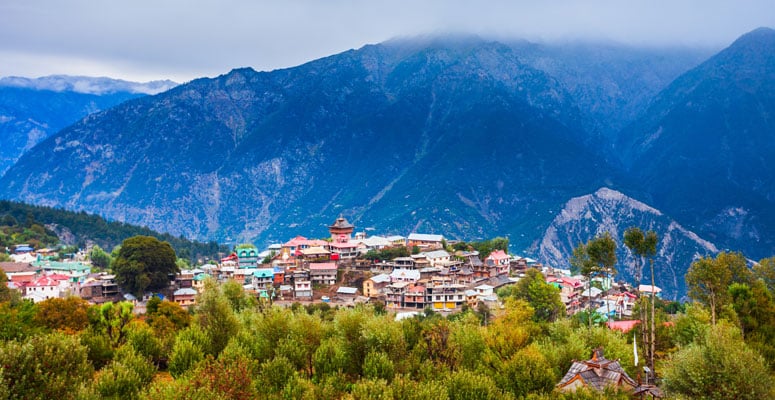
• Families
Shimla, Kufri, Chail, Dalhousie, Khajjiar, Dharamshala, Palampur, and Kasauli work best because they offer shorter travel distances, easier access to hotels, walkable markets, and relaxed sightseeing.
• Honeymooners
Shimla, Manali, Chail, Dalhousie, Khajjiar, Kasauli and Kinnaur are stronger choices for couples seeking scenic stays, quiet walks, snow views or slow-paced hill travel.
• Adventure Travellers
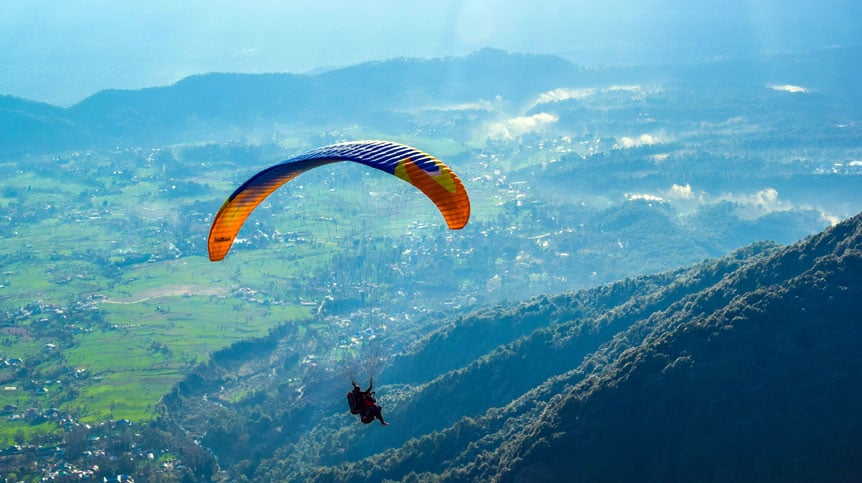
Manali, Solang Valley, Bir Billing, Kullu, Spiti, Triund and Tirthan are better suited for paragliding, rafting, trekking, biking, camping and high-altitude drives.
• Offbeat Travellers
Jibhi, Shoja, Tirthan Valley, Barot, Chitkul, Kalpa, Malana, Sissu, and Chanshal suit travellers seeking something beyond mainstream hill stations.
• Culture and Heritage Travellers
Shimla, Kangra, Chamba, McLeod Ganj, Tabo, Key Monastery, Nako, Rewalsar, and Mandi offer stronger cultural, temple, monastery, and heritage value.
Major Tourist Attractions in Himachal Pradesh
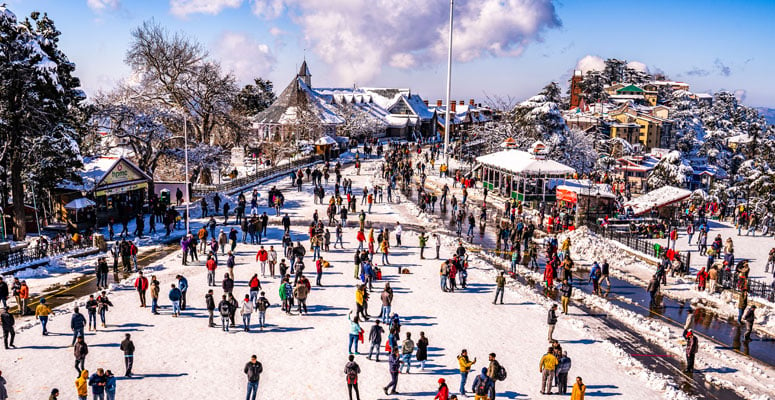
Himachal isn’t meant to be covered as a selection of isolated sightseeing spots. The real value lies in its travel circuits that match road connectivity, altitude flow, and time available.
1. Heritage Hill Town Circuit
This circuit is best for travellers who want structured sightseeing without the stress of long travel. These towns are built around colonial architecture, ridge viewpoints, and walkable market streets, making them ideal for relaxed exploration.
Shimla works as the main base with easy access to the Ridge, Mall Road, and Jakhoo Temple. From here, Kufri and Naldehra fit as short half-day extensions depending on the season.
Chail offers a quieter forest escape with wide hill views, while Dalhousie adds a more spread-out colonial feel with pine trails and viewpoints. Chamba works as a cultural add-on for those continuing deeper into the region.
Best for: First-time Himachal visitors, slow sightseeing trips, families
Smart pairing: Shimla → Kufri (snow/viewpoints) → Chail (quiet nature) OR Dalhousie → Khajjiar → Chamba (heritage loop)
Best Time to Visit: March to June & September to November
Time needed: 3–5 days for a full circuit
• Shimla Ridge & Mall Road
The Ridge forms the central open space of Shimla, connecting key viewpoints, churches, and colonial-era buildings. Mall Road below offers cafés, local shops, and evening strolls, making it the town’s main social and cultural stretch.
• Kufri & Fagu Belt
Located a short drive from Shimla, Kufri is known for winter snow activities and panoramic valley views year-round. Fagu offers a quieter, more forested extension, ideal for less crowded landscapes.
• Chail Forest Retreat
Chail offers a slower, more peaceful contrast to Shimla, surrounded by pine forests and wide hill views. It is best known for its palace estate and tranquil walking trails.
• Kasauli
Kasauli works well for travellers who prefer a quieter colonial hill-station experience with forest walks, sunset viewpoints, churches, and a short, weekend-style pace. It pairs better with Shimla, Chail or Solan than with longer Manali routes.
• Narkanda
Narkanda is useful for travellers seeking a quieter snow or apple-orchard experience near Shimla. It works well as a one-night extension from Shimla, especially for those who want snow without the heavier tourist movement of Manali.
• Mashobra and Shoghi
Mashobra and Shoghi are good low-rush extensions around Shimla for nature walks, forest stays, birdwatching and relaxed family breaks. They should be positioned as comfort-friendly alternatives to crowded hill-station centres.
2. Dharamshala–McLeod Ganj–Kangra Cultural Circuit
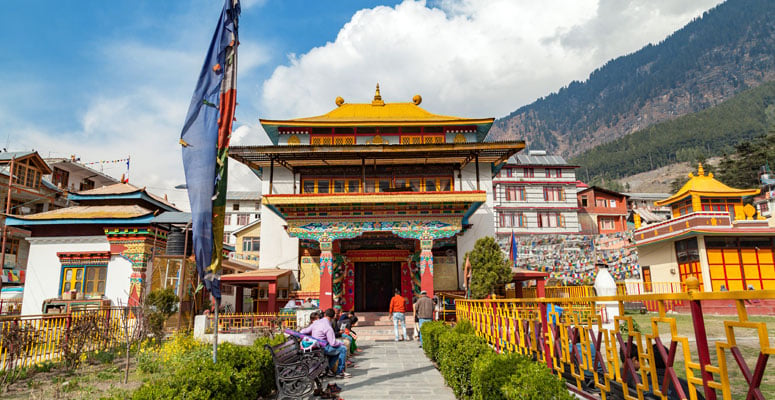
This region is defined by Tibetan culture, monasteries, and towns set against a mountain backdrop. It is not just sightseeing-heavy but experience-driven, especially for travellers interested in culture and light trekking.
McLeod Ganj forms the cultural core with monasteries, cafés, and walking streets. Bhagsu Nag and Dal Lake are short scenic breaks that don’t require much travel time. Triund is the main trekking experience and should be treated as a full-day or overnight plan.
Kangra Fort and Chamunda Devi Temple add historical and spiritual depth to the circuit. For deeper trekking-focused exploration of this circuit, the McLeodganj Trekking Tour extends the journey from McLeod Ganj to Chamba, combining monastery towns with high-altitude trekking routes and remote mountain trails.
Best for: Culture-focused travellers, couples, light trekkers
Smart pairing: McLeod Ganj base → Bhagsu + Dal Lake (half day) → Triund (separate full-day/overnight)
Best Time to Visit: March to June & September to December
Time needed: 2–4 days
• Manali Town & Old Manali
Manali serves as the central base, with easy access to cafés, temples, and riverside walks. Old Manali offers a more laid-back atmosphere with local guesthouses, cafés, and forest trails.
• Solang Valley Adventure Zone
Solang is the primary hub for adventure activities, including paragliding, skiing (seasonal), zip-lining, and ropeway rides. It is best visited as a dedicated half-day or full-day excursion.
• Kullu River & Valley Stretch
Kullu acts as a connecting valley known for river rafting, temple visits, and scenic roadside drives. It is often included as a transit between Manali and other regions.
• Norbulingka Institute
Norbulingka Institute adds craft, Tibetan art and cultural depth to the Dharamshala circuit. It pairs well with Gyuto Monastery and lower Dharamshala for travellers who want a quieter cultural day.
• Palampur
Palampur serves as a tea-growing region and a slow, scenic extension of Dharamshala or Kangra. It is better for relaxed travellers than checklist sightseeing.
• Kangra Valley
Kangra Valley should be presented as a broader heritage and temple belt rather than a single stop. Kangra Fort, Chamunda Devi, Baijnath, Palampur, and Masroor Rock Cut Temple can be grouped together for travellers interested in history, temples, and valley landscapes.
3. Manali–Kullu–Solang Adventure Circuit
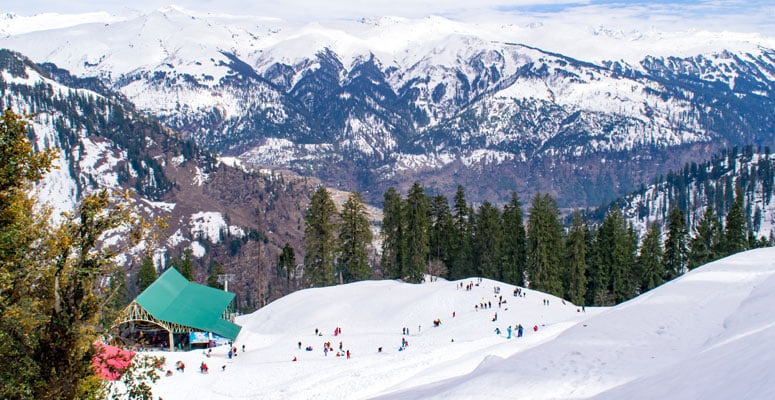
This is Himachal’s most activity-dense zone. It combines river valleys, snow points, adventure sports, and heritage villages.
Manali acts as the central base. Hadimba Temple and Old Manali are best combined for a relaxed, half-day cultural outing with forest walks and cafés. Solang Valley is the dedicated adventure zone for skiing, paragliding, and ropeway activities.
Naggar provides a quieter heritage break with castle views and local art and culture. Rohtang (when open) is a high-priority full-day snow excursion due to permits and travel time.
Best for: Adventure travellers, honeymooners, mixed-interest trips
Smart pairing: Manali core + Solang (adventure day) + Naggar (slow heritage day) + Rohtang (full-day seasonal trip)
Best Time to Visit: December to February (snow) & April to June (activities)
Time needed: 3–5 days
• McLeod Ganj
Unlike typical hill stations, the place is less about viewpoints and more about atmosphere: monasteries, prayer flags, cafés, and everyday spiritual life blending into the mountain setting. The town also serves as the main base for the Triund trek, making it a cultural hub and a starting point for short Himalayan trekking routes.
• Bhagsu Nag
Bhagsu Nag is a quieter extension of McLeod Ganj that combines natural scenery with a laid-back local vibe. The area is centred around Bhagsu Waterfall, which becomes especially lively during the monsoon and post-monsoon months when water flow is stronger, and the surrounding greenery intensifies.
The surrounding cafés and small guesthouses give it a relaxed, backpacker-friendly atmosphere, making it a natural half-day escape from McLeod Ganj.
• Kangra Fort
Kangra Fort is one of the oldest surviving forts in India and holds significant historical importance within Himachal Pradesh. Positioned on a strategic ridge overlooking the Banganga and Manjhi rivers, it offers architectural ruins and wide valley views that reflect its defensive importance in earlier centuries.
• Naggar
Naggar adds a slower heritage layer to the Manali circuit through Naggar Castle, traditional architecture, art spaces and valley views. It works well as a relaxed half-day when travellers want a break from adventure activities.
• Manikaran and Kasol
Manikaran and Kasol fit best as a Kullu Valley extension, especially for travellers interested in hot springs, river scenery and spiritual stops. This route should not be forced into very short Manali-only trips.
• Rohtang Pass
Rohtang should be treated as a full-day seasonal excursion from Manali because access depends on permits, weather and road conditions. Travellers with limited time can prioritise Solang Valley instead.
4. Slow Travel Lakes, Meadows & Forest Retreats
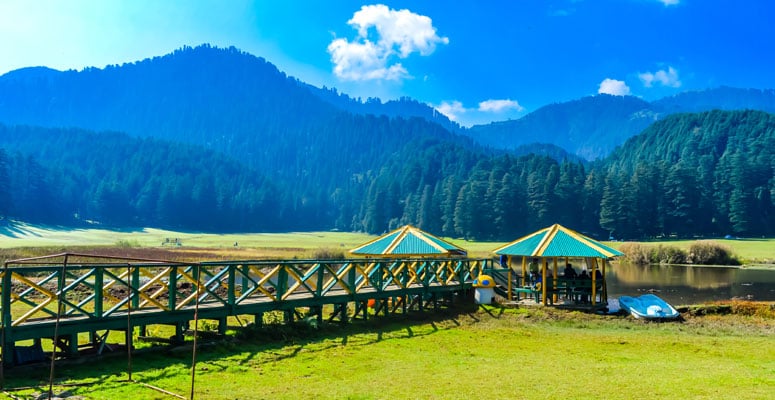
These are less crowded travel zones designed for slow movement rather than sightseeing rush. The focus here is on open landscapes, forest trails, rivers, and meadows.
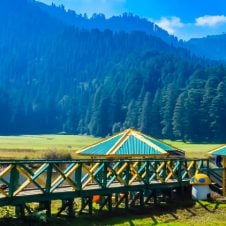
Khajjiar is best explored as a full scenic day from Dalhousie, combining meadow walks and light activities.
Tirthan and Sainj are ideal for longer stays, with short hikes, riverside walks, and village exploration. Barot is more secluded and best used as an overnight nature break rather than a stopover.
Best for: Relaxation, nature stays, offbeat travellers
Smart pairing: Tirthan + Sainj (slow nature circuit) OR Dalhousie → Khajjiar → Kalatop (single-day scenic loop)
Best Time to Visit: April to June & September to November
Time needed: 2–4 days per valley cluster
• Tirthan Valley
Tirthan Valley is one of Himachal’s most serene river valleys, shaped by the crystal-clear Tirthan River, which flows through dense forests. The region is part of the Great Himalayan National Park buffer zone, which helps preserve its natural environment and low-impact tourism character.
• Jibhi & Shoja
Jibhi and Shoja are small forest settlements known for their wooden cottages, pine-covered slopes, and gentle waterfalls hidden within the hills. The region has grown in popularity but still retains a quiet, slow-travel atmosphere compared to mainstream hill stations.
Jibhi is centred around riverside stays and short walking trails, while Shoja sits higher up with wider valley views and dense forest cover. Together, they form a compact but diverse nature circuit.
• Barot Valley
Barot Valley is a lesser-known destination shaped by the Uhl River and surrounding forested mountains. Originally developed for hydroelectric projects, it has evolved into a quiet retreat with very limited tourist infrastructure, making it ideal for solitude-seeking travellers.
The valley features a simple village way of life, trout fishing zones, and forest walking paths. Its remoteness is part of its appeal, as it remains far less crowded even during peak travel seasons.
• Prashar Lake
Prashar Lake works as a scenic lake-and-trek extension from Mandi. It is better suited to travellers comfortable with hill roads and moderate walking rather than those seeking easy city-style sightseeing.
• Rewalsar Lake
Rewalsar adds spiritual and cultural value by bringing together Buddhist, Hindu and Sikh associations in a compact lakeside setting. It pairs well with Mandi.
• Renuka Lake
Renuka Lake is a better fit for relaxed nature and family travel in lower Himachal. It should be positioned separately from high-altitude lake circuits like Chandratal or Suraj Tal.
• Chamera Lake
Chamera Lake fits naturally into the Dalhousie–Chamba circuit as a boating and scenic-drive stop. It is useful for families and travellers who want a softer experience than trekking.
5. High-Altitude & Remote Circuit Travel
This is a long-route travel zone where destinations are connected through highways rather than short hops. Each stop is part of a continuous journey rather than a base-and-return plan.
Kinnaur (Kalpa–Sangla belt) serves as a river-valley circuit with villages and orchards. While Spiti follows a linear loop (Kaza–Tabo–Nako–Chandratal), Chandratal is a key overnight stop due to altitude and access conditions.
Best for: Experienced travellers, long road trips, offbeat seekers
Smart pairing: Kinnaur loop first → Spiti circuit next (never mixed with short Himachal trips)
Best Time to Visit: May to October (Spiti & Kinnaur window)
Time needed: 6–10+ days
• Kinnaur Valley (Kalpa–Sangla–Chitkul Belt)
Kinnaur is where Himachal begins to transition into a more rugged Himalayan landscape, shaped by deep river valleys, terraced farms, and traditional wooden architecture. The region follows the course of the Sutlej and Baspa rivers, creating dramatic valley drops and winding mountain roads throughout the journey.
• Spiti Circuit (Kaza–Tabo–Nako–Chandratal Loop)
Spiti is a high-altitude cold desert region where the Himalayas open into vast, barren landscapes shaped by wind, rock, and centuries-old Buddhist culture. Unlike conventional hill destinations, Spiti is best explored as a continuous loop, with each settlement connected to the next by long, scenic mountain roads.
• Chandratal Lake
Chandratal is a striking high-altitude lake in Himachal Pradesh, known for its constantly changing shades of blue that shift with sunlight and weather conditions. Located along the Kunzum Pass route, it is usually visited as part of the Spiti–Manali journey rather than a standalone destination. Chandratal should be treated as a seasonal high-altitude lake stop, not a casual sightseeing point. It requires careful timing, altitude awareness and weather flexibility.
• Chitkul
Chitkul should be included in the Sangla–Kalpa–Kinnaur belt. It works best for travellers who want river valleys, traditional villages, and frontier landscapes, but it should not be recommended for short trips to Himachal.
• Nako
Nako is a transitional high-altitude stop between Kinnaur and Spiti. It works well for travellers moving gradually toward Spiti rather than rushing directly into higher altitudes.
• Tabo and Key Monastery
Tabo and Key Monastery add cultural depth to the Spiti circuit. These stops are important for travellers interested in Buddhist heritage, monastery architecture and remote Himalayan settlements.
Practical Comfort Guidance for Himachal Sightseeing
Himachal trips can feel tiring when too many regions are combined without considering road time, altitude and weather. Travellers should plan fewer destinations per day and avoid back-to-back long drives wherever possible.
Keep These Points in Mind
- Avoid combining Shimla and Manali in a 2–3 day trip.
- Keep Rohtang, Spiti, Chandratal and Kinnaur flexible because access depends on weather and road conditions.
- Families and senior travellers should prioritise Shimla, Chail, Kasauli, Dharamshala, Dalhousie, Khajjiar and Palampur.
- High-altitude routes such as Spiti, Kinnaur and Chandratal need slower pacing and buffer days.
- During the monsoon, avoid aggressive long-distance routing and choose safer valley stays such as Tirthan, Palampur, Kangra, or Barot only after checking road conditions.
- For snow trips, keep one extra day in case roads around Kufri, Narkanda, Manali or Solang are delayed.
- For cultural circuits, guided context is useful in Kangra, Chamba, McLeod Ganj, Tabo and Spiti.
Suggested Himachal Travel Circuits
3-Day Short Hill Break
Shimla → Kufri → Chail
Families, first-time travellers, weekend trips
4-Day Manali Adventure Break
Manali → Solang Valley → Naggar → Kullu
Adventure, couples, short mountain holidays
5–6 Day Classic Himachal Circuit
Shimla → Manali → Kullu
First-time travellers wanting an iconic Himachal experience
6–7 Day Dharamshala–Dalhousie Circuit
Dharamshala → McLeod Ganj → Kangra → Dalhousie → Khajjiar
Culture, families, slow sightseeing
7–8 Day Offbeat Nature Circuit
Tirthan Valley → Jibhi → Shoja → Sainj
Slow travel, nature stays, low-crowd holidays
8–10 Day Kinnaur Circuit
Shimla → Narkanda → Sangla → Chitkul → Kalpa
Scenic road trips, orchards, village stays
9–12 Day Spiti Circuit
Shimla → Kinnaur → Nako → Tabo → Kaza → Key Monastery → Chandratal → Manali
Experienced travellers, remote landscapes, high-altitude journeys
What to Skip If Time Is Limited
- Skip Spiti and Kinnaur if you have fewer than 6–7 days.
- Skip Rohtang if permits, weather or time are uncertain; choose Solang instead.
- Skip multiple offbeat valleys in one short trip; choose either Tirthan/Jibhi or Barot.
- Skip long temple loops if your main goal is snow or adventure.
- Avoid combining Dalhousie, Dharamshala, Manali and Shimla in a single 5-day trip.
How to Plan Your Time in Himachal Without Rushing
• 3-Day Himachal Highlights Route
Shimla → Kufri → Shimla or Manali → Solang Valley → Manali
This short itinerary focuses on Himachal’s most iconic places, combining hill station charm with nearby viewpoints and light adventure activities. It is ideal for travellers with limited time who want a quick mountain escape without long travel distances.
Recommended focus:
- Mall Road & Ridge walks (Shimla)
- Kufri snow points or Solang Valley activities
- Jakhoo Temple / Old Manali cafés
- Short scenic viewpoints
Best for: First-time visitors, couples, weekend travellers, short holidays
• 5-Day Classic Himachal Route
Shimla → Manali → Shimla or Dharamshala → Dalhousie → Dharamshala
This route balances Himachal’s popular hill stations with valleys, forests, and cultural hubs while maintaining a comfortable travel pace.
Recommended focus:
- Shimla heritage and colonial streets
- Manali river valleys and Old Manali
- Solang Valley adventure activities
- Dharamshala monasteries and cafés
- Dalhousie pine forests and viewpoints
Best for: Families, couples, and first-time travellers
• 7-Day Complete Himachal Circuit
Shimla → Manali → Dharamshala → Dalhousie → Shimla
A well-rounded itinerary covering Himachal’s major hill stations, combining heritage towns, adventure valleys, and cultural regions in one continuous journey.
Recommended focus:
- Shimla heritage + Kufri viewpoints
- Manali snow and adventure sports
- Dharamshala cultural and monastery visits
- Dalhousie scenic drives and Khajjiar meadows
- Mixed nature + culture + leisure balance
Best for: Travellers seeking complete Himachal exploration
• Extended Himachal Route (8–10+ Days)
Shimla → Manali → Spiti → Kinnaur → Shimla
This route is designed for travellers who want to move beyond mainstream hill stations and explore Himachal’s high-altitude deserts and remote mountain valleys.
Recommended focus:
- Spiti monasteries and cold desert landscapes
- Kinnaur river valleys and apple orchards
- Chandratal Lake and high-altitude drives
- Offbeat villages and slow travel
- Photography and extended road journeys
Best for: Experienced travellers, photographers, and slow-travel enthusiasts
Best Time to Visit Himachal Pradesh
| Season | Months | Best For |
|---|---|---|
| Spring | March–May | Sightseeing, Shimla–Manali trips |
| Summer | June–August | Family holidays, hill stations, adventure activities |
| Autumn | September–October | Photography, Spiti–Kinnaur, scenic drives |
| Winter | November–February | Snow trips, skiing, honeymoon travel |