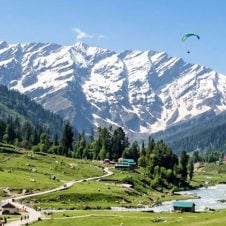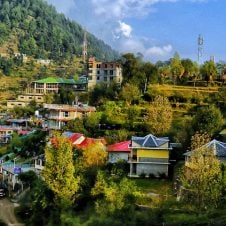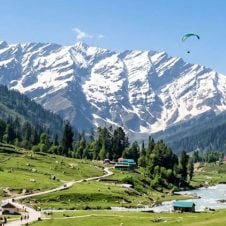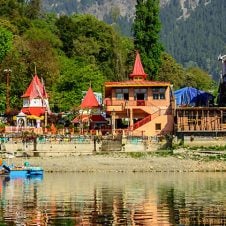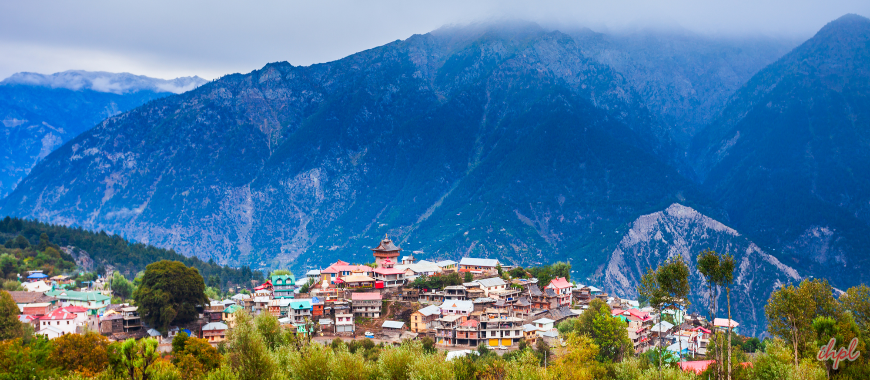

Nestled in the remote northeastern corner of Himachal Pradesh, Kinnaur is where the Indian Himalayas meet the Tibetan plateau, creating a landscape so dramatic and diverse that it feels like stepping into another world.
Quick Overview: Kinnaur at a Glance
| Aspect | Details |
| Location | Northeast Himachal Pradesh, Indo-Tibet border |
| Altitude Range | 2,320m to 6,816m above sea level |
| Best Time | April-June, September-October |
| Duration Needed | 5-7 days minimum |
| Budget Range | ₹8,000-25,000 per person (5 days) |
| Difficulty Level | Moderate (high altitude, mountain roads) |
| Key Attractions | Kalpa, Sangla Valley, Chitkul, Nako Lake |
When to Visit Kinnaur
Best Time: April-June & September-October
April-May is ideal with pleasant weather (5°C to 22°C), blooming apple orchards, and accessible roads. May is perfect for trekking but requires advance booking as it’s peak season.
June offers family-friendly weather (12°C to 25°C) with all facilities operational, though popular spots get crowded.
July-August monsoon brings dangerous landslides and road closures. Avoid this period for safety reasons.
September-October provides crystal clear mountain views, apple harvest experiences, and perfect trekking conditions (5°C to 20°C). This is the golden season for photography.
November-March brings harsh winter with heavy snowfall. Chitkul road closes, and many hotels shut down. Only for experienced mountain travelers.
How to Reach Kinnaur
By Air
Shimla Airport (235 km) has limited Delhi flights. Chandigarh Airport (340 km) offers better connectivity. Taxi costs range ₹8,000-15,000 depending on airport choice.
By Train
Kalka Railway Station (250 km) connects to major cities. Continue by taxi (₹6,000-8,000) or take the toy train to Shimla, then road transport.
By Road (Most Popular)
From Delhi: 570 km via Shimla-Rampur route (12-14 hours). Plan overnight stops at Narkanda or Sarahan.
Key Route: Delhi → Chandigarh → Shimla → Rampur → Reckong Peo → Kalpa/Sangla
Things to Do in Kinnaur: Activities for Every Interest
Kalpa
Kalpa offers spectacular Kinnaur Kailash range views and serves as Kinnaur’s cultural heart. The Kinnaur Kailash Viewpoint provides the best sunrise and sunset experiences at 5:30 AM and 6:30 PM respectively.
Sangla Valley
Often called Himachal’s most beautiful valley, Sangla offers pristine nature and rich cultural heritage along the Baspa River. Kamru Fort, a 15th-century structure with intricate woodwork, charges ₹50 entry.
Chitkul
Chitkul provides a unique experience as India’s last motorable village on the Indo-Tibet border. The famous Last Indian Dhaba serves local food beneath its iconic signboard. Mathi Devi Temple showcases ancient wooden architecture with local deity worship, while the ITBP Post offers glimpses of border security operations (photography prohibited).
Nako
Nako offers Spiti-like landscapes within Kinnaur district. Nako Lake, surrounded by willows, provides peaceful circumambulation walks (1 hour). The ancient Nako Monastery contains rare artifacts, while Tashigang Village displays traditional Tibetan-style architecture.
Hidden Gems Off the Tourist Path
Ribba Village specializes in local grape wine (angoori) and pine nuts (chilgoza), offering wine tasting experiences with local families (₹300 per person).
Lippa-Asrang Wildlife Sanctuary provides opportunities for snow leopard sightings during 3-day wilderness experiences, best attempted October-November.
Moorang’s medieval mud fort ruins offer roadside viewing with short hiking options for historical architecture photography.
Things to Do in Kinnaur: Activities for Every Interest
Adventure Activities
Trekking options range from challenging multi-day expeditions to gentle day hikes.
The Kinnaur Kailash Parikrama (5-7 days) reaches 5,240m altitude and costs ₹15,000-25,000 per person with guides.
Pin Bhaba Pass Trek (4-5 days) connects Kafnu to Pin Valley in Spiti for ₹12,000-18,000 per person.
Easier options include Sangla Kanda day trek (6-8 hours, ₹2,000-3,000 with guide) and Chaka Meadows trek from Kalpa (4-5 hours, ₹1,500-2,000 with guide).
Water activities feature river rafting on Baspa River (Grade II-III, ₹1,500-2,500 per person) during May-September season. Trout fishing requires Forest Department permits (₹500 per day) with equipment rental available (₹300 per day). Best fishing spots include Sangla, Chitkul, and Baspa tributaries during April-June and September-October.
Cultural Experiences
Phulaich Festival (February/March) celebrates traditional harvest with folk dances and local cuisine.
Sazo Festival (September) marks post-harvest celebrations with cultural programs and community feasts.
Dakhrain Festival (October) features unique Kinnaur traditions including wrestling competitions and handicraft exhibitions.
Safety and Health: Essential Mountain Travel Guidelines
Altitude Sickness Prevention
Gradual ascent prevents most altitude issues by not gaining more than 500m sleeping altitude per day above 2,500m.
Hydration requires 3-4 liters of water daily, while avoiding alcohol, especially in the first 48 hours.
Light meals emphasizing high-carbohydrate, low-fat foods aid acclimatization.
Mountain Road Safety
Recommended vehicles include SUVs or high ground clearance cars, with local drivers preferred for their route knowledge and mountain driving experience.
Common hazards include landslides during monsoon, narrow single-lane sections with blind curves, high altitude effects on driver alertness, and sudden weather changes bringing fog, rain, or snow.
Driving safety tips emphasize starting early to avoid afternoon weather changes, maintaining safe distances, using horns before blind curves, and avoiding night driving.
Emergency kit essentials should include first aid supplies, personal medications with extras, fully charged power bank, emergency blanket and warm clothes, energy bars and water purification tablets, flashlight with extra batteries, and copies of important documents.
Shopping and Local Products
Authentic items include Kinnauri shawls (₹2,000-8,000), traditional caps (₹300-800), chilgoza pine nuts (₹1,500-2,000/kg), fresh seasonal apples, hand-carved wooden items, and Tibetan artifacts.
Shopping locations feature Reckong Peo’s main market with the largest selection, Kalpa’s traditional family-run shops with authentic handicrafts, and limited options in Sangla for basic supplies. Bargaining guidelines suggest starting at 60-70% of asking price with respectful negotiation, typically reaching 70-80% of initial quotes.