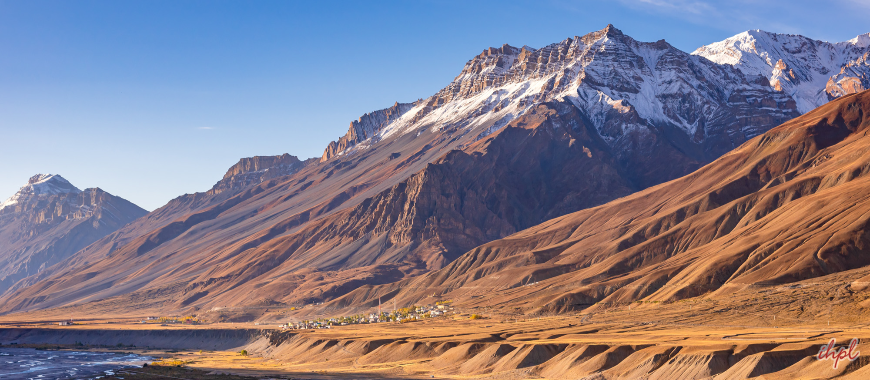

Discover the mystical beauty of Spiti Valley with our comprehensive travel guide. From ancient monasteries perched on cliffs to crystal-clear high-altitude lakes, explore everything you need to plan your perfect Himalayan adventure to “The Middle Land.”
Quick Facts About Spiti Valley:
- Location: Himachal Pradesh, India (Lahaul-Spiti District)
- Best Time to Visit: May to October
- Famous For: Ancient monasteries, fossil hunting, high-altitude trekking, snow leopards
Best Time to Visit Spiti Valley:
Understanding Spiti’s extreme weather patterns is crucial for planning your trip. The valley experiences dramatic seasonal changes that significantly impact accessibility, activities, and overall travel experience.
Peak Season: May to September
May – June: Spring Awakening (Best Overall Time)
- Temperature: 5°C to 20°C (day), -5°C to 5°C (night)
- Accessibility: Both Manali and Shimla routes open
- Highlights: Perfect weather, wildflowers in bloom, all villages accessible
- What to expect: Clear skies, snow-capped peaks, comfortable daytime temperatures
July – August: Monsoon Season (Cultural Peak)
- Temperature: 10°C to 25°C (day), 5°C to 10°C (night)
- Weather: Rain shadow area – limited rainfall, but surrounding regions may experience landslides
- Highlights: Losar Festival, Ladarcha Fair, vibrant local culture
- Considerations: Possible road blocks in Kinnaur due to monsoon in lower regions
September: Golden Autumn
- Temperature: 5°C to 15°C (day), -5°C to 5°C (night)
- Highlights: Clear mountain views, autumn colors, excellent photography conditions
- Considerations: Tourist crowds begin to thin out
Shoulder Seasons
April: Early Spring
- Temperature: 0°C to 10°C (day), -10°C to 0°C (night)
- Accessibility: Shimla route open, Manali route may be partially blocked
- What to expect: Snow melting, limited accommodation options, pristine landscapes
October: Late Autumn
- Temperature: 0°C to 10°C (day), -15°C to -5°C (night)
- Considerations: Early snowfall possible, some high-altitude passes may close
- Ideal for: Adventure seekers, budget travelers (lower accommodation costs)
Winter Season: November to March
November – December: Early Winter
- Temperature: -10°C to 5°C (day), -25°C to -10°C (night)
- Accessibility: Only via Shimla route, Manali route closed
- Highlights: Snow-covered landscapes, fewer tourists, authentic local life
January – February: Deep Winter (Snow Leopard Season)
- Temperature: -20°C to -5°C (day), -35°C to -20°C (night)
- Special Attraction: Snow leopard sighting opportunities
- Considerations: Extreme cold, limited facilities, requires proper winter gear
- Ideal for: Wildlife enthusiasts, extreme adventure seekers
March: Winter’s End
- Temperature: -15°C to 0°C (day), -25°C to -10°C (night)
- What to expect: Snow begins melting, preparation for tourist season
How to Reach Spiti Valley: Complete Transportation Guide
Spiti Valley’s remote location makes the journey an adventure in itself. Understanding your transportation options is crucial for planning an unforgettable trip.
By Air: Nearest Airports
Primary Option: Bhuntar Airport (Kullu-Manali)
- Distance from Kaza: 245 kilometers
- Travel time: 8-10 hours by road
- Best for: Manali route travelers (May-October only)
Alternative: Shimla Airport (Jubbarhatti)
- Distance from Kaza: 420 kilometers
- Travel time: 12-14 hours by road
- Advantage: Year-round accessibility (weather permitting)
By Train: Railway Connections
Shimla Railway Station (UNESCO World Heritage Kalka-Shimla Railway)
- Nearest major station: Kalka (connected to Delhi, Chandigarh)
- Special experience: Toy train journey from Kalka to Shimla
- Distance to Spiti: 420 kilometers from Shimla
- Recommended route: Shimla → Kinnaur → Spiti Valley
Jogindernagar Railway Station
- Distance from Manali: 160 kilometers
- Connection: Pathankot → Jogindernagar (another toy train route)
- Best for: Manali route approach
By Road: The Heart of the Adventure
Route 1: Via Manali (Seasonal – May to October) Delhi → Manali → Rohtang Pass → Kunzum Pass → Kaza
- Total distance: 530 kilometers from Delhi
- Highlights: Atal Tunnel, Rohtang Pass, Kunzum Pass, Chandratal Lake
- Travel time: 2 days (recommended overnight stay in Manali)
- Road conditions: Challenging but scenic, high-altitude passes
Route 2: Via Shimla-Kinnaur (Year-round) Delhi → Shimla → Kinnaur → Spiti Valley
- Total distance: 650 kilometers from Delhi
- Highlights: Kinnaur Valley, Hindustan-Tibet Highway, gradual altitude gain
- Travel time: 3 days (recommended stops in Kinnaur)
- Advantage: Better for acclimatization, accessible in winter
Complete Places to Visit in Spiti Valley
Major Towns and Villages
Kaza
Kaza serves as Spiti’s administrative headquarters and your primary base for exploration. This bustling town offers essential amenities including ATMs, medical facilities, restaurants, and accommodation options.
Must-see in Kaza:
- Kaza Monastery: Peaceful gompa with stunning valley views
- Local market: Shop for traditional handicrafts and supplies
- Sakya Abode: Cultural center and cafe
- Government offices: For permits and information
Tabo:
Founded in 996 CE, Tabo Monastery stands as one of the world’s oldest continuously functioning Buddhist centers, earning its nickname as the "Ajanta of the Himalayas."
Highlights:
- Tabo Monastery: Ancient murals, sculptures, and manuscripts
- Tabo Caves: Meditation chambers used by monks for centuries
- Living heritage: Active monastery with resident monks
- UNESCO consideration: Proposed World Heritage Site
Dhankar:
Dramatically perched on a cliff 300 meters above the confluence of Spiti and Pin rivers, Dhankar offers some of the most spectacular views in the entire valley.
Key attractions:
- Dhankar Monastery: 1,200-year-old gompa with incredible architecture
- Dhankar Lake: High-altitude lake accessible via 1.5-hour trek
- Ancient fort ruins: Historical significance as former capital of Spiti
- Panoramic viewpoints: 360-degree mountain vistas
High-Altitude Villages Circuit
Kibber Distance from Kaza: 18 kilometers
Once claimed to be the world’s highest motorable village, Kibber remains one of Spiti’s most elevated permanent settlements.
Attractions:
- Kibber Wildlife Sanctuary: Snow leopard habitat
- Traditional architecture: Well-preserved Spitian houses
- Trekking base: Starting point for Kanamo Peak trek
- Fossil hunting: Ancient marine fossils in surrounding areas
Langza Distance from Kaza: 21 kilometers
Famous for its giant Buddha statue and incredible fossil deposits from when the region was under the Tethys Sea millions of years ago.
Highlights:
- Giant Buddha statue: Overlooks the village with Chau Chau Kang Nilda peak backdrop
- Fossil park: Marine fossils including ammonites and trilobites
- Traditional lifestyle: Experience authentic Spitian culture
- Photography paradise: Dramatic landscapes and unique light conditions
Komic Distance from Kaza: 22 kilometers
Officially recognized as the world’s highest village connected by motorable road, Komic offers an extraordinary high-altitude experience.
Special features:
- Tangyud Monastery: Highest gompa in India
- Extreme altitude experience: Effects of thin air and harsh conditions
- Panoramic views: Stunning mountain vistas
- Traditional architecture: Ancient Spitian building techniques
Hikkim Distance from Kaza: 19 kilometers
This tiny village gained international fame for hosting the world’s highest post office, making it a must-visit for postal history enthusiasts.
Attractions:
- World’s highest post office: Send postcards from 4,400 meters
- Meet the postmaster: Local personality who maintains this remote outpost
- Village life: Experience one of Spiti’s smallest communities
- Scenic location: Surrounded by barren mountains and vast skies
Spiritual and Cultural Sites
Key Monastery (Kee Gompa)
Perched dramatically on a hilltop, Key Monastery stands as Spiti’s largest and most important Buddhist center, housing over 300 monks.
Pin Valley National Park
India’s only national park located entirely in the cold desert region, Pin Valley offers incredible biodiversity and trekking opportunities.
Wildlife highlights:
- Snow leopards: Primary predator of the region
- Ibex: Himalayan wild goats
- Blue sheep (Bharal): Snow leopard’s primary prey
- Tibetan wolf: Rare high-altitude predator
- Bird species: Himalayan snowcock, golden eagle, bearded vulture
Mud Village:
- Last motorable village in Pin Valley
- Traditional Spitian architecture
- Base for Pin Parvati Pass trek
- Incredible mountain scenery
Hidden Gems and Offbeat Destinations
Gue Village Distance from Kaza: 83 kilometers
Home to a 500-year-old naturally preserved mummy of a Tibetan monk, displayed in the village monastery.
Chicham Bridge Distance from Kaza: 35 kilometers
Asia’s highest motorable bridge at 4,650 meters, connecting Chicham and Kibber villages over a dramatic 900-meter deep gorge.
Chandratal Lake Distance from Kaza: 120 kilometers
A pristine crescent-shaped lake that changes colors throughout the day, from azure blue to emerald green to deep turquoise.
Things to Do in Spiti Valley: Complete Activity Guide
Adventure Activities
High-Altitude Trekking
Pin Parvati Pass Trek (Expert Level)
- Duration: 11-13 days
- Difficulty: Extremely challenging
- Highlights: Connects Pin Valley (Spiti) to Parvati Valley (Kullu)
- Best time: July-September
- Requirements: Experienced trekkers only, professional guide mandatory
Chandratal Lake Trek (Moderate)
- Duration: 1-2 days
- Distance: 14 kilometers from parking area
- Highlights: Pristine lake, camping under stars
- Best time: June-September
Kanamo Peak Trek (Advanced)
- Altitude: 5,974 meters
- Duration: 4-5 days
- Base: Kibber village
- Requirements: Mountaineering experience, proper equipment
Spiti Left Bank Trek (Moderate)
- Duration: 6-8 days
- Route: Village-to-village trekking (Langza-Hikkim-Komic-Demul-Lhalung)
- Accommodation: Village homestays
- Highlights: Cultural immersion, traditional lifestyle
Motorbiking Adventures
Manali-Spiti-Ladakh Circuit
- Duration: 10-15 days
- Difficulty: Expert level
- Highlights: Three high-altitude passes, diverse landscapes
- Requirements: Experienced riders, bike in excellent condition
Shimla-Kinnaur-Spiti Loop
- Duration: 7-10 days
- Difficulty: Moderate to advanced
- Advantages: Gradual altitude gain, year-round possibility (summer)
Astrophotography and Stargazing
- Best locations: Chandratal Lake, Komic, Langza
- Optimal conditions: New moon phases, clear skies
- Equipment needed: DSLR camera, sturdy tripod, warm clothing
Cultural Experiences
Monastery Immersion Programs
- Tabo Monastery: Multi-day stays, meditation sessions
- Key Monastery: Festival participation, monk interactions
- Dhankar Monastery: Historical tours, spiritual discussions
Traditional Craft Workshops
- Thangka painting: Buddhist art form
- Tibetan cooking classes: Local cuisine preparation
- Wool spinning: Traditional Spitian handicrafts
- Pottery making: Ancient ceramic techniques
Festival Participation
Losar (Tibetan New Year)
- Time: January-February
- Duration: 3 days
- Highlights: Traditional dances, special foods, cultural ceremonies
Ladarcha Fair (August)
- Location: Kaza
- Duration: 3-4 days
- Significance: Trade and cultural exchange
What to Eat in Spiti Valley: Complete Food Guide
Traditional Spitian Cuisine
Unique Local Delicacies
Churpe (Yak Cheese)
- Description: Dried yak cheese, extremely hard texture
- Taste: Salty, concentrated flavor
Gundruk
- Type: Fermented leafy vegetable soup
- Ingredients: Fermented mustard, spinach, or radish leaves
Tingmo
- Description: Steamed bread, soft and fluffy
- Purpose: Perfect for dipping in curries and soups
Shapta
- Type: Stir-fried meat dish
- Preparation: Tender meat cooked with tomatoes and mild spices
- Meat varieties: Yak, goat, chicken
Best Restaurants and Eateries
Kaza (Main Dining Hub)
Sol Café
- Type: Social enterprise café
- Specialties: Fresh baked goods, coffee, continental dishes
- Atmosphere: Modern, comfortable, mountain views
- Price range: ₹150-400 per dish
Café Kunzum Top
- Cuisine: Mix of local and continental
- Specialties: Pizzas, momos, thukpa
- Ambiance: Cozy, traveler-friendly
- Popular items: Wood-fired pizzas, local beer
- Price range: ₹200-500 per dish
The Himalayan Café
- Location: Central Kaza
- Offerings: Traditional Spitian dishes, Indian cuisine
- Atmosphere: Family-run, authentic local experience
- Recommendations: Thenthuk, traditional momos
- Price range: ₹100-300 per dish
Taste of Spiti
- Focus: Authentic local cuisine
- Chef: Local Spitian family
- Specialties: Traditional tsampa preparations, churpe dishes
- Experience: Cultural dining, story-sharing
- Price range: ₹150-350 per dish
Tabo Village
Norling Restaurant
- Location: Near Tabo Monastery
- Specialties: Monastery-style vegetarian food
- Atmosphere: Simple, peaceful, spiritual
- Popular dishes: Vegetable thukpa, tingmo
- Price range: ₹80-200 per dish
Dietary Considerations and Tips
Vegetarian Options
- Abundant availability: Buddhist culture supports vegetarian cuisine
- Monastery food: Completely vegetarian, simple preparations
- Seasonal vegetables: Potatoes, turnips, radishes, peas
- Protein sources: Lentils, dairy products, nuts
Food Safety and Health
- Water: Drink boiled or bottled water
- Raw vegetables: Limited availability, mostly cooked foods
- Meat preparation: Ensure proper cooking at high altitudes
- Dairy: Fresh yak milk products, generally safe
Shopping for Food
- Local markets: Kaza has small grocery stores
- Dry rations: Bring snacks, energy bars, instant foods
- Fresh produce: Limited availability, seasonal variations
- Emergency supplies: Always carry extra food for road delays
Packing Essentials
Clothing Requirements
Summer Season (May-September)
- Layered clothing: Temperature varies greatly between day and night
- Warm jacket: Essential for mornings and evenings
- Thermal wear: For high-altitude villages and night camping
- Sun protection: Hat, sunglasses, long sleeves
- Waterproof layer: Rain jacket for unexpected weather
Winter Season (October-April)
- Heavy winter jacket: -30°C rated
- Multiple thermal layers: Base layer, insulating layer, outer shell
- Warm accessories: Insulated gloves, warm hat, neck warmer
- Waterproof boots: For snow and wet conditions
- Sleeping gear: Warm sleeping bag for extreme conditions
Technical Equipment
- High-SPF sunscreen: UV radiation intense at altitude
- Lip balm: With SPF protection
- Power bank: Multiple high-capacity power banks
- Headlamp/flashlight: Essential for power outages
- Camera equipment: Extra batteries, memory cards, lens cleaning kit
Health and Hygiene
- Personal medications: Prescription drugs, pain relievers
- Altitude sickness medication: As prescribed by doctor
- Hand sanitizer: Limited water availability
- Toilet paper: Not always available
- Wet wipes: Useful when water is scarce
Money and Banking
Cash Requirements
- ATM availability: Very limited, only 1-2 ATMs in Kaza
- ATM reliability: Often out of service or cash
- Recommended cash: Carry sufficient cash from Manali or Shimla
- Emergency fund: Extra cash for unexpected expenses
Digital Payments
- UPI payments: Widely accepted in Kaza
- Mobile data: Required for digital payments
- Backup options: Always carry cash as backup
- Small denominations: Useful for small purchases and tips
Cultural Etiquette and Respect
Monastery Visits
- Dress code: Cover shoulders and legs, remove hats
- Photography: Ask permission before photographing people or interiors
- Behavior: Maintain silence, respect prayer times
- Donations: Small contributions appreciated
Local Interactions
- Greetings: "Julley" (hello/goodbye in local language)
- Photography consent: Always ask before photographing locals
- Cultural sensitivity: Respect local customs and traditions
- Environmental responsibility: Follow Leave No Trace principles
Check out our packages: Spiti valley tour packages, Tabo tour packages, Shimla tour packages, Palampur tour packages, Mcleodganj tour packages, Kullu tour packages, Khajjiar tour packages, Kangra Valley tour packages, Dharamshala tour packages, Chamba tour packages, Himachal Pradesh tour packages.