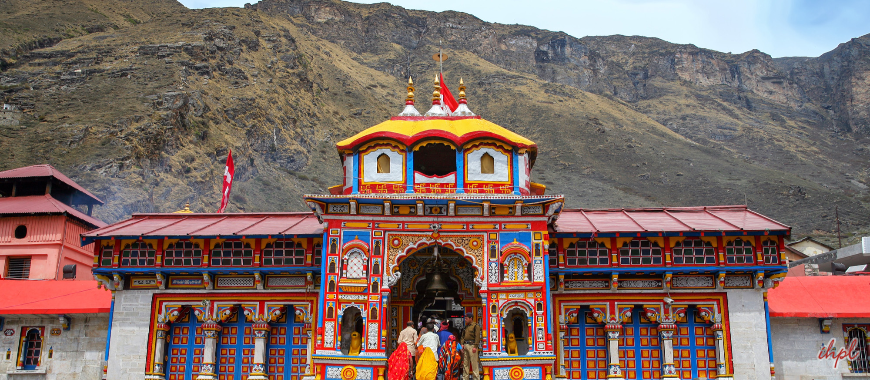

Nestled in Uttarakhand, Badrinath is a scenic town. The place is home to Badrinath Temple and is highly revered by Hindu devotees. Thus, the best time to visit the Badrinath temple is from May to June and from September to October. This year, 6th May 2026 and 6th November 2026 (tentative) mark the opening and closing dates of the Badrinath temple in 2026. So you can plan your Badrinath Yatra package accordingly.
| Seasons | Months | Temperature |
|---|---|---|
| Summers | April to June | 7°c – 18°c |
| Monsoon | July to Sep | 5°c – 15°c |
| Winter | Oct to March | -1°c – 14°c |
When & Where to Visit in Badrinath
Badrinath in Summer – From April to June
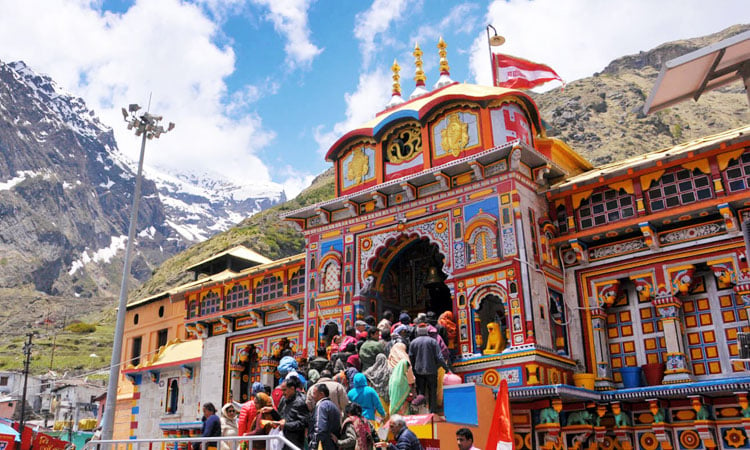
Summer is the best time to visit Badrinath. Months between May and June mark the summer in Badrinath. The temperature during these months stays between 7°C to 18°C. The climate is moderately cool and pleasant. Thus, this is the perfect time to have darshan at the Badrinath Dham.
Temperature in Summer
In March, Badrinath experiences an average temperature from 3°C to 11°C. The weather remains cold, and the region receives occasional snow showers.
The average temperature of Badrinath in April ranges from 6°C to 16°C. The days remain sunny and balmy. Badrinath Temple usually reopens in late April for pilgrims.
In May, the average temperature in Badrinath ranges from 11°C to 22°C. Therefore, this is the best time to undertake the Badrinath Yatra, as the pleasant weather makes the holy journey comfortable.
The average temperature in Badrinath in June ranges between 9°C and 14°C. The region experiences sunny and comfortable weather during the daytime, the perfect time to visit the Badrinath Yatra.
Badrinath in Monsoon – From July to September
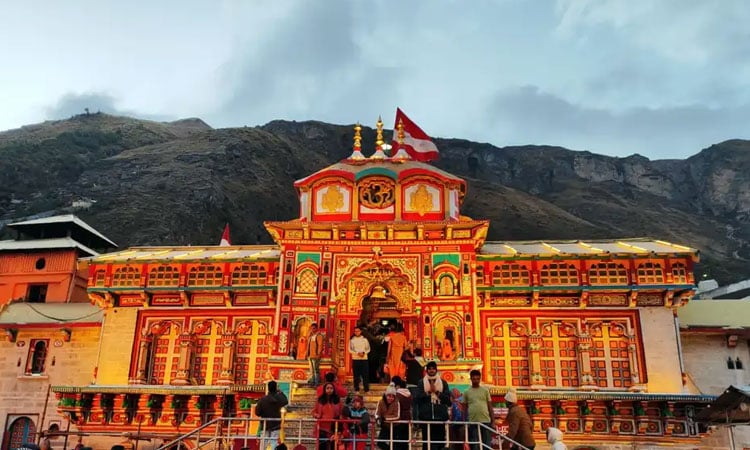
Regular rain showers occur in the monsoon months here, starting in July and ending in September. The holy Badrinath Yatra, which takes you to one of the sacred Char Dhams, is not recommended during the monsoon. The occurrence of landslides might create a hindrance to your pilgrimage. The temperature during this time hovers around 5–15°C. Rainfall starts to recede in September. Thus, the influx of tourists began rising again this month.
Temperature in Monsoon
In Badrinath, the monsoon season begins in July, and the region receives an average amount of rainfall. The temperature ranges between 11°C and 14°C. The landslides may hinder the Yatra, so it is advisable to keep buffer days.
In August, the average temperature of Badrinath ranges between 12°C and 16°C. During the daytime, the region remains humid. Therefore, it is highly recommended to carry a raincoat and an umbrella.
The average temperature in September in Badrinath ranges between 11°C and 14°C. The weather remains balmy and comfortable throughout this month, making it an ideal time for the Badrinath Yatra.
Note: Travel during the monsoon season requires careful planning. Add buffer days and stay safe with our guided packages.
Badrinath in Winter – From October till March
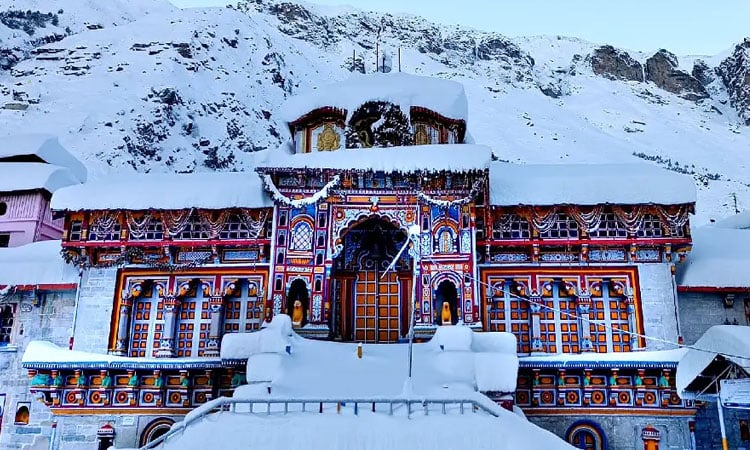
Again, October is sometimes considered suitable to visit Badrinath. However, in later months, the temperature falls to -1°C, and it reaches its highest point of 14°C. Additionally, during the winter months, Badrinath is often covered in snow. Therefore, this is also not an ideal time for planning a trip to Badrinath.
Temperature in Winter
The temperature in Badrinath ranges from 12°C to 17°C in October. This month, the region experiences cold weather and occasional snow showers. Therefore, it is advisable to carry woollen.
In November, the average temperature ranges between 6°C and 14°C. The region begins to receive heavy snowfall, and the Badrinath Temple typically closes this month.
The temperature in Badrinath ranges from 5°C to 12°C in December. This is because the region receives heavy snowfall, which blocks the routes.
In January, the average temperature in Badrinath ranges from 1°C to 8°C. Unfortunately, the region receives heavy snowfall this month, and the temple remains closed.
The climate of Badrinath in February remains cold. The average temperature in Badrinath in February ranges from 6°C to 10°C. In addition, the region receives snow showers.
In March, Badrinath experiences an average temperature from 3°C to 11°C. However, the weather remains cold, and the region receives occasional snow showers.
For more detailed information on Badrinath’s temperature and weather conditions checkout this blog
Why visit Badrinath Temple?
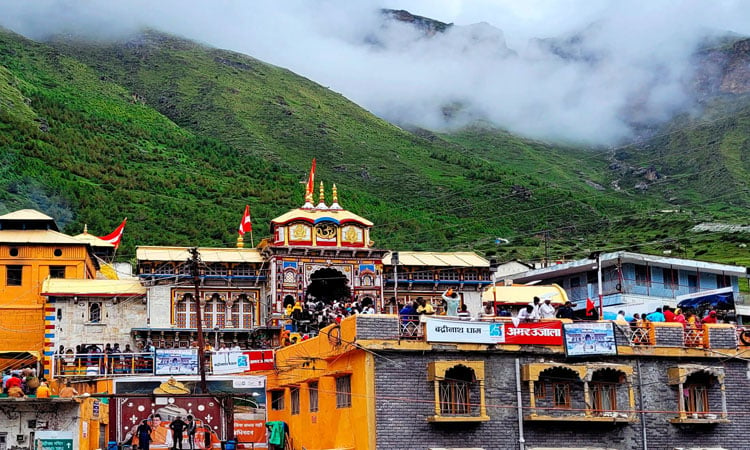
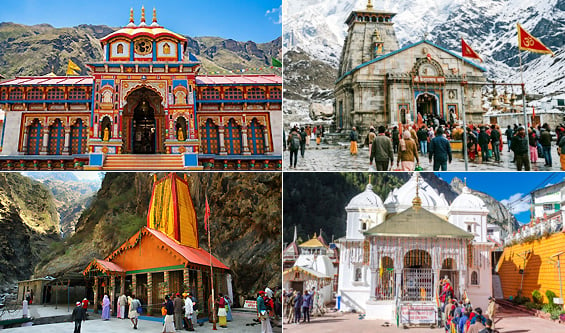
Badrinath is one of the Chota Char Dhams of Uttarakhand, along with Gangotri, Yamunotri, and Kedarnath. It is also among India’s Char Dham pilgrimage sites, including Dwarka, Puri, and Rameshwaram. The temple is also known as Badrinarayan Temple and is dedicated to Lord Vishnu.
Situated at an altitude of 3,133 m above sea level, Badrinath Dham is located amidst the Nar and Narayan peaks in the Chamoli district of Uttarakhand. This is one of the most revered pilgrimage sites, set against the breathtaking backdrop of the mighty Neelkanth peak. The numerous legends add to the temple’s glory. The temple remains open for six months and closed for the remaining part of the year.
The region experiences balmy and pleasant weather during the summer season, making it the best time to visit for the Badrinath Yatra. During the monsoon season, the area receives heavy rainfall, which increases the likelihood of frequent landslides. Therefore, it is not advisable to travel during the monsoon season. However, if you plan to visit Badrinath during the monsoon, be sure to include buffer days. Badrinath experiences snowfall in the winter season. In September and October, the region enjoys pleasant weather and moderate cold, making these months the best time to visit for the Badrinath Yatra. However, the temple closes in November due to heavy snowfall.
Things to know before you visit Badrinath
Badrinath Temple opens from late April or early May to late October or mid-November. The rest of the year, the temple remains closed due to heavy snowfall.
The ideal time to visit the temple is from May to June and September to October.
It is highly recommended to avoid late winters and monsoon seasons. The region experiences heavy snowfall during the winter season and intense downpours during the monsoon, which can cause landslides and floods. Allow for buffer days if you plan a trip during the monsoon season.
Carry heavy woollens, including caps, socks, thermals, and gloves, in the winter season. Also, be sure to carry sunscreen and sunglasses to protect yourself from sunburn.
Carry light woollens if you plan to take the Badrinath Yatra in the summer season.
During the monsoon, don’t forget to carry an umbrella and a raincoat.
Always carry a medical kit with necessary medications for fever, cough, and altitude sickness. Also, take painkillers and antiseptic creams.
Wear comfortable clothes and sturdy shoes while travelling.
Carry a battery-operated torch, a fully charged power bank, and extra batteries for your camera.
Cover the batteries with warm clothes in winter. The battery dies in harsh winters. Only the BSNL SIM operates here. Make sure you carry one.
Book accommodation in advance, as during the peak season, the chances of getting a reasonable accommodation at a favourable price decrease.
Carry important documents, including tickets, cash, and a photo ID. Pack them in a waterproof bag in the monsoon and winter seasons.
Festivals and Events
If you want to blend spirituality with celebration, plan your trip around these occasions:
Mata Murti Ka Mela (August): A vibrant festival celebrating the mother of Lord Badrinath. Pilgrims gather in large numbers to witness rituals and cultural activities.
Closing Ceremony (October/November): A grand ritual before the temple shuts for winter. The idol of Lord Vishnu is shifted to Joshimath, accompanied by chants and festivities.
Opening Ceremony (April/May): A sacred event where the temple reopens after six months, drawing thousands of devotees.
When to Avoid Visiting
Monsoon Season (July–September): Landslides, floods, and slippery roads make travel unsafe.
Peak Winters (November–April): The temple is closed, and the region becomes inaccessible due to heavy snow.
Overcrowded Peak Days: During May–June long weekends and festival days, queues at the temple can last several hours. Traveling just after the opening rush or in September is more comfortable.
Plan Your Badrinath Yatra with IndianHoliday
At IndianHoliday.com, we’ve been guiding travellers and pilgrims on unforgettable spiritual journeys for over 35 years. From seamless logistics to personalised service, our Uttarakhand tour experts ensure your Badrinath Yatra is not only well-planned but also deeply enriching.
Why travel with us?
- Trusted by thousands of Char Dham pilgrims
- Comfortable stay near Badrinath Temple
- Dedicated support before and during your trip
- Tailored itineraries to match your schedule and pace
Trip Planning Suggestions
Acclimatize First: Badrinath sits at an altitude of 3,300 meters. Spend a day in Joshimath or Pipalkoti before heading further to avoid altitude sickness.
Book in Advance: During peak season (May–June), accommodation gets sold out quickly. Reserve hotels or dharamshalas early.
Carry Essentials: Warm clothes (even in summer), rain gear (July–Sept), medicines, and sturdy walking shoes are musts.
Connectivity: Internet and mobile networks can be patchy. Download offline maps and carry cash as ATMs may not always work.
Combine with Char Dham Yatra: Many travelers plan Badrinath along with Kedarnath, Gangotri, and Yamunotri for a complete pilgrimage experience.