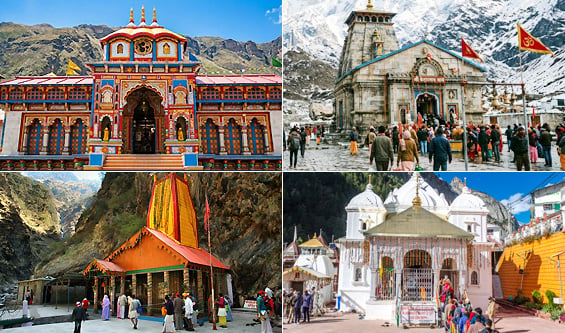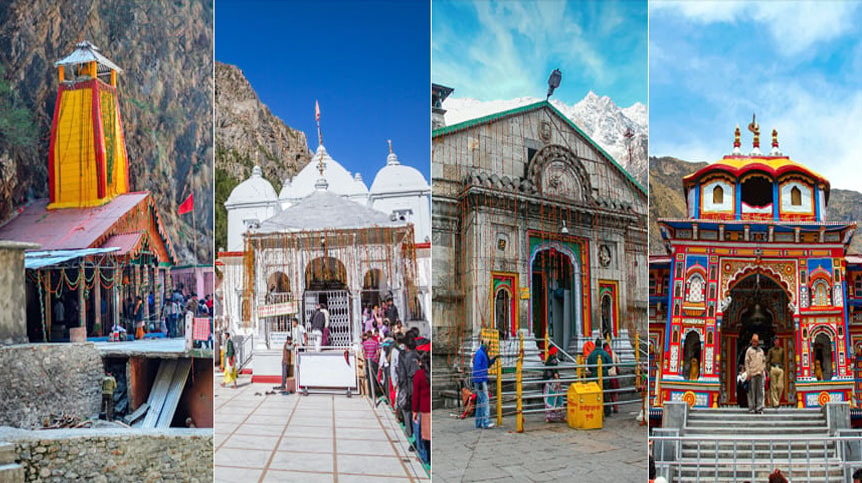

Char Dham is not about planning four separate transport journeys but about entering Uttarakhand first, then completing the yatra as a single, connected mountain circuit. In real terms, this matters more than chasing the fastest entry option on paper. What usually shapes the journey is road time, halt planning, and how comfortably you move between the four shrines once the pilgrimage begins.
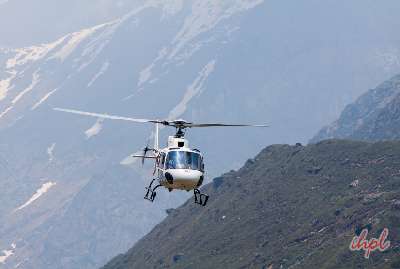
This is especially important because Char Dham is not a single-stop route. Two shrines are directly accessible by road, while two require a final stage of access beyond the last motorable point. So the smartest way to plan a Char Dham is to think of it as a single road-based pilgrimage with different approaches.
By Air
The air entry point for Char Dham is Dehradun. Flying helps most when you are coming from farther away or have limited time, because it shortens the long entry into Uttarakhand. But it is important to see this clearly, as flying only helps with the first leg. The yatra itself still becomes road-led once you enter the hills.
This option suits pilgrims who want a cleaner, less tiring start, especially families, senior-inclusive groups, or travellers trying to keep the first day manageable. It is usually the most efficient entry point when the aim is to begin the pilgrimage well rather than rush it.
By Train
This works best as a gateway into Uttarakhand rather than as a solution to the entire yatra. In practical terms, Haridwar, Rishikesh, and Dehradun are the most relevant rail entry points, after which the journey continues by road into the mountain circuit.
For many pilgrims, train plus road is a sensible balance when the trip is not being compressed. It suits travellers who are comfortable with rail travel and do not mind changing to a road transfer before the yatra begins. The key point is that the train only gets you into the state corridor. The real Char Dham journey still depends on the road route between the shrines.
By Road
Road travel is the backbone of Char Dham. Even when the journey begins by air or rail, the pilgrimage itself is shaped by the mountain road circuit linking the four shrines. This is why road planning matters more than the entry mode. Once you are in Uttarakhand, what affects the journey most is not how you arrived in the state but how well the route is paced from one dham to the next.
This is also why Char Dham is usually best done as one managed route rather than as disconnected shrine visits. The yatra works better when handled as a continuous overland journey, with sensible halts and realistic daily movement, rather than treating each shrine as a standalone transport problem.
Which Option Is Best for Different Travellers
For senior citizens and families, the best plan is usually a managed road itinerary with sensible stops rather than an overly compressed schedule. For pilgrims with limited time, flying into Dehradun is usually the most convenient entry point. For travellers doing the full circuit properly, road-led planning remains the strongest option because it fits the natural sequence of the yatra.
Plan the Onward Route
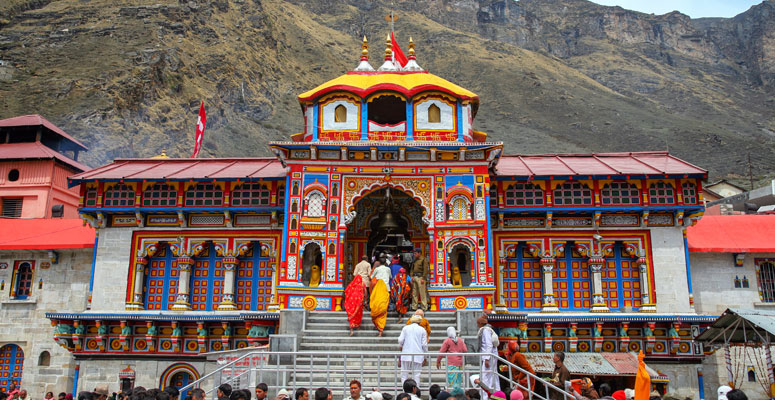
The clearest way to think about reaching Char Dham is to enter Uttarakhand comfortably, let the road circuit shape the pilgrimage, and plan around the two final-trek shrines rather than treating all four as equal-access stops.
From here, the natural next step is to navigate to the following: