
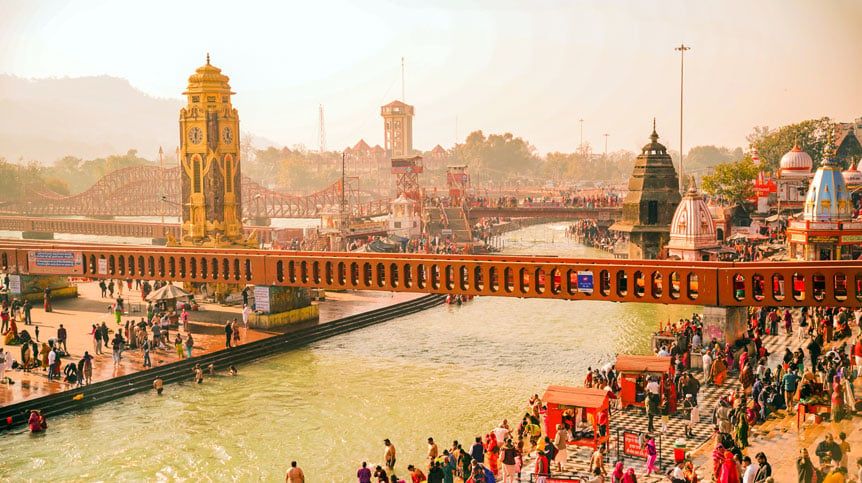

Haridwar is best experienced by combining its Ganga-facing ghats, hill temples, old pilgrimage shrines, ashram spaces, and nearby nature or wellness stops at a sensible pace. The best way to plan it is around the rhythm of the river with quieter mornings for temples and ghats, slower afternoons for selective visits, and evenings reserved for Har Ki Pauri.
These places are especially suited to travellers interested in Ganga rituals, temple visits, peaceful ashram settings, family pilgrimage breaks, and spiritually focused travel.
Planning Snapshot
Top attractions to explore in Haridwar
Ghats and Ganga Experiences
1. Har Ki Pauri
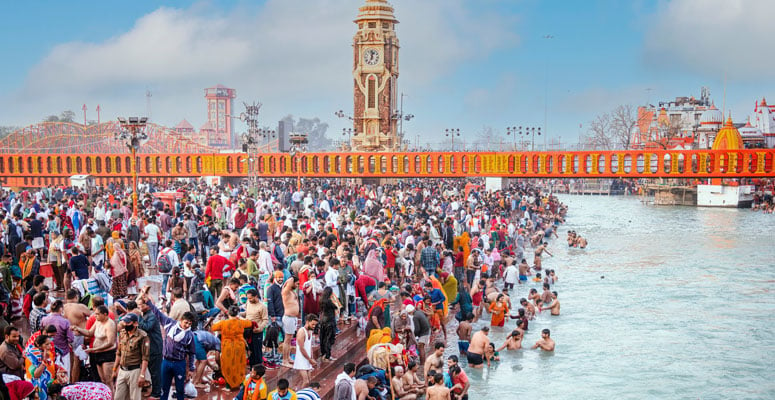
This is the main spiritual and riverside experience of Haridwar. For most first-time visitors, this is the place that defines the city. It is where pilgrims gather for rituals, families spend time near the river, and travellers witness the evening Ganga Aarti.
Who it suits: First-time visitors, pilgrims, families, photographers, and travellers interested in the Ganga Aarti.
Time needed: Around 1 to 2 hours; longer in the evening because of crowd movement.
Best timing: Early morning for a quieter visit; evening for Ganga Aarti.
Pairing logic: Pair with nearby markets, old-city temples, and a relaxed walk around the ghat area.
Practical constraint: Crowded during weekends, festivals, Kanwar season, and major bathing dates.
2. Subhash Ghat and Nearby Riverside Stretches
Subhash Ghat and the nearby riverfront areas serve well as calmer spaces around the main Har Ki Pauri zone. They are not a replacement for Har Ki Pauri, but they are useful when you want a slower pause near the river without staying in the busiest section.
Who it suits: Visitors who want a slower riverfront experience, families, and older travellers.
Time needed: Around 30 to 45 minutes.
Best timing: Morning or late afternoon, depending on your Har Ki Pauri plan.
Pairing logic: Works naturally with Har Ki Pauri and nearby bazaar walks.
Practical constraint: Keep it as a supporting stop, not the day’s main focus.
Hill Temples and Viewpoint Shrines
3. Mansa Devi Temple
One of Haridwar’s key hill temples, Mansa Devi is commonly included in a first-time visit. The temple is important for pilgrims, but it also gives travellers a different view of Haridwar beyond the riverfront.
Do not treat it as a quick stop. Ropeway waits, queues, and local movement can easily stretch the visit, especially during busy periods.
Who it suits: Pilgrims, first-time visitors, families, and travellers who want a hilltop temple experience without going far from the city.
Time needed: Around 1.5 to 2.5 hours, depending on queues and ropeway wait times.
Best timing: Morning is better to avoid heavier crowds.
Pairing logic: Can be paired with Chandi Devi Temple if you have a full day and start early.
Practical constraint: Ropeway queues can affect the pace of your entire day.
4. Chandi Devi Temple
Chandi Devi Temple adds another layer to Haridwar’s hill shrine circuit. It is best to plan it with Mansa Devi if your day allows, but the two should not be squeezed into a late-start schedule. This temple is better suited to travellers who want to cover Haridwar’s main pilgrimage circuit rather than only the ghat area.
Who it suits: Pilgrims and travellers who want to cover the main temple circuit.
Time needed: Around 2 to 3 hours depending on access and queue.
Best timing: Start early if combining it with a visit to Mansa Devi.
Pairing logic: Best done with Mansa Devi as a half-day or full-day temple circuit.
Practical constraint: Not ideal to squeeze in late if you also want to attend the evening Aarti at Har Ki Pauri.
Old Pilgrimage Temples
5. Maya Devi Temple
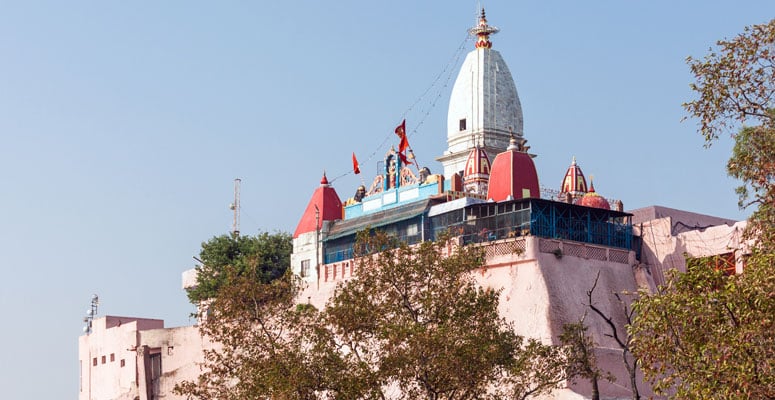
Maya Devi Temple is one of the older sacred temples associated with Haridwar. It does not require a long visit, but it adds context for travellers who want to understand the city’s older pilgrimage geography.
Who it suits: Pilgrims and travellers interested in the older sacred layout of the city.
Time needed: Around 30 to 45 minutes.
Best timing: Morning or early afternoon, before returning to the ghat area.
Pairing logic: Can be paired with Har Ki Pauri and nearby temple stops.
Practical constraint: Better treated as part of an old-city temple route.
6. Daksheshwar Mahadev Temple
Daksheshwar Mahadev Temple is a significant Shiva temple in Kankhal and part of Haridwar’s wider pilgrimage circuit. It is located away from the main Har Ki Pauri area, so it requires separate planning. This temple is especially relevant for pilgrims, Shiva devotees, and travellers who want to see Haridwar beyond its central ghat area.
Plan your visit:
Who it suits: Pilgrims, Shiva devotees, and visitors interested in temple routes beyond the main ghat.
Time needed: Around 45 minutes to 1 hour, excluding local travel.
Best timing: Morning or early afternoon works better.
Pairing logic: Works well with Kankhal-area sightseeing.
Practical constraint: Do not squeeze it between Har Ki Pauri visits; plan it as a separate temple-side outing.
7. Bharat Mata Mandir
Bharat Mata Mandir offers a different kind of temple experience. Instead of a conventional shrine visit, it focuses on national, cultural, and spiritual symbolism, which makes it useful for families and older travellers.
Who it suits: Families, older travellers, and visitors looking for a less crowded stop.
Time needed: Around 45 minutes to 1 hour.
Best timing: Late morning or afternoon.
Pairing logic: Can be combined with nearby ashram-side visits.
Practical constraint: Works better as a supporting stop, not the central reason to visit Haridwar.
Ashrams and Spiritual Spaces
8. Shantikunj
Shantikunj is a well-known spiritual and educational centre in Haridwar. It should be approached differently from a standard sightseeing attraction, as it is an active spiritual space rather than a place designed solely for visitors.
Who it suits: Travellers interested in quieter spiritual spaces, meditation-led environments, and ashram culture.
Time needed: Around 1 hour, depending on interest.
Best timing: Morning or late afternoon.
Pairing logic: Works better as a slow visit rather than a rushed checklist stop.
Practical constraint: Keep the visit respectful and avoid treating it like a photo-stop attraction.
9. Sapt Rishi Ashram and Sapt Sarovar
The Sapt Rishi Ashram and Sapt Sarovar area are part of Haridwar’s quieter spiritual belt. This is not a high-intensity sightseeing stop. It is more suited to travellers who want a calmer break from the crowded ghats. The area works best when you value atmosphere over the number of places covered.
Who it suits: Travellers looking for a peaceful break away from the main ghat crowds.
Time needed: Around 45 minutes to 1 hour.
Best timing: Morning or late afternoon.
Pairing logic: Can be paired with Shantikunj or Bharat Mata Mandir.
Nature, Wellness, and Nearby Extensions
10. Rajaji National Park
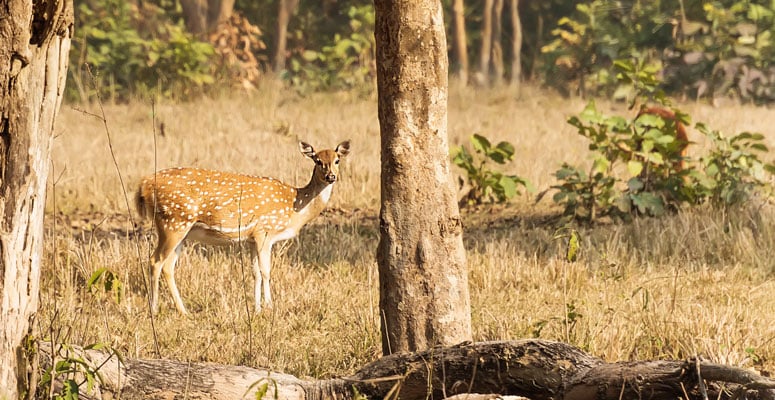
Rajaji National Park should be treated as a nearby natural extension, not a core attraction in Haridwar city. It is useful for travellers who want to add forests, wildlife, and a break from temple-heavy sightseeing.
This stop requires more time and planning than most city attractions, so it does not fit well into a rushed one-day visit to Haridwar.
Who it suits: Families, nature lovers, repeat visitors, and travellers staying longer.
Time needed: Half a day or more.
Best timing: Depends on safari schedule, zone access, and season.
Pairing logic: Better planned as a separate half-day extension.
Practical constraint: Safari timings, zones, and seasonal access should be checked before planning.
11. Patanjali Yogpeeth
Patanjali Yogpeeth is a wellness and Ayurveda-linked stop near Haridwar. It is relevant for travellers specifically interested in yoga, Ayurveda, wellness institutions, or longer stays in the region.
Who it suits: Travellers interested in yoga, Ayurveda, wellness, or longer Haridwar stays.
Time needed: Around 1 to 2 hours depending on purpose.
Best timing: Better planned separately from the main ghat-temple circuit.
Pairing logic: Works as a standalone wellness-side visit.
How to plan Haridwar sightseeing based on time
1. If you have half a day
A half-day visit should not aim to cover the hill temples unless you have a very early start and enough buffer time. Haridwar’s strongest short-stay experience is the riverfront, especially if you can be there in the evening.
2. If you have one full day
A full day allows you to include the main temple circuit and the evening Ganga experience. Start early if you want to include ropeway temples. If queues are heavy, choose one hill temple and keep the rest of the day lighter, rather than rushing through both.
3. If you have two days
Two days make Haridwar feel calmer and more meaningful.
Day 1: Har Ki Pauri, nearby ghats, old temples, and evening Ganga Aarti.
Day 2: Mansa Devi, Chandi Devi, Kankhal temples, Shantikunj, Sapt Rishi Ashram, or Rajaji/Patanjali, depending on interest.
This pace works better for families, senior travellers, and pilgrims who want time for rituals, rest, and local movement.
Plan your Haridwar trip with IndianHoliday!
A well-planned Haridwar trip is about choosing the right mix of ghats, temples, ashrams, and nearby extensions for your pace. Indian Holiday can help structure a stay in Haridwar as a short spiritual break, a Haridwar-Rishikesh journey, or a comfortable starting point for a wider Uttarakhand pilgrimage route.


