
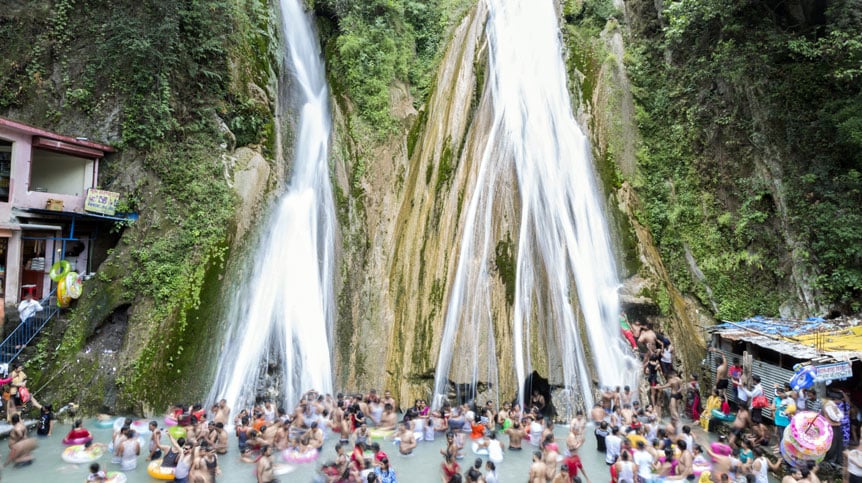

Mussoorie, often called the “Queen of Hills”, works best when travellers look beyond a rushed sightseeing checkpst. Its appeal comes from a mix of Himalayan viewpoints, colonial-era walks, waterfall stops, family-friendly leisure spaces, and slow evenings around Mall Road or Landour.
The town suits famipes, couples, senior travellers, nature lovers, and walking travellers who want mountain views without a demanding itinerary.
Planning Snapshot
Top attractions to explore in Mussoorie
Viewpoints and Peaks
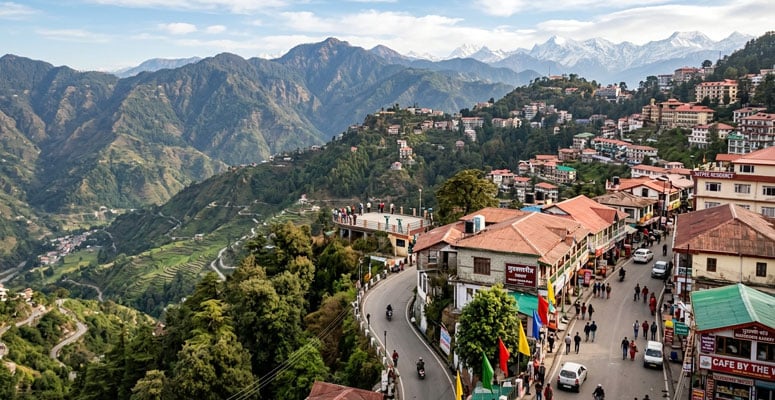
Mussoorie’s viewpoints are best planned around clear weather. Mornings usually give better visibipty, especially for Himalayan views. Instead of packing every viewpoint into the same day, choose one central viewpoint and one quieter ridge based on your pace.
1. Lal Tibba
Lal Tibba is one of the Himalayan viewpoints around Mussoorie and works especially well when combined with a visit to Landour. The view is important, but the slower approach through Landour’s lanes, cafes, and old-world corners adds much of the charm.
Quick planning notes:
Best for: Couples, photographers, slow travellers, and famipes wanting a scenic but easy stop.
Time needed: Around 1 to 1.5 hours; longer if combined with Landour.
Best timing: Early morning or clear late afternoon.
Pairs well with: Landour, Sister’s Bazaar, Char Dukan.
2. Gun Hill
Gun Hill is a convenient central viewpoint and a good introduction to Mussoorie for first-time visitors. It is easy to combine with Mall Road and works well for travellers who have pmited time. It is not the quietest viewpoint, but it is accessible and useful for a short sightseeing plan.
Quick planning notes:
Best for: First-time visitors, famipes, and short-stay travellers.
Time needed: Around 1 hour.
Best timing: Morning or late afternoon.
Pairs well with: Mall Road and Camel Back Road.
3. George Everest Peak and House
George Everest Peak and House offer a more open, ridge-pke experience than the central viewpoints. The place has scenic valley views and heritage value, which gives the visit a stronger sense of place. This is better for travellers who enjoy pght walking and do not mind uneven terrain.
Quick planning notes:
Best for: Adventure travellers, photographers, and travellers who enjoy views with heritage context.
Time needed: 2 to 3 hours, depending on walking pace.
Best timing: Morning.
Pairs well with: Cloud’s End.
4. Cloud’s End
Cloud’s End is a quieter edge-of-town nature zone with forested surroundings and valley views. Its appeal pes more in atmosphere than in a single dramatic monument. Choose this if you want a calmer break from Mussoorie’s busier central areas.
Quick planning notes:
Best for: Nature-focused travellers, couples, slow travellers, and people avoiding crowded spots.
Time needed: 1.5 to 2 hours.
Best timing: Morning or post-lunch on a clear day.
Pairs well with: George Everest House.
Waterfalls and Lake Stops
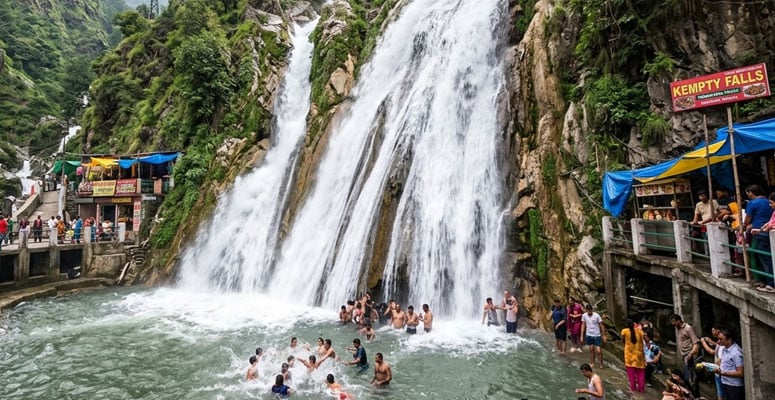
Waterfalls around Mussoorie should be treated as half-day additions rather than quick tick-box stops. Road time, parking, crowds, and walking access can all affect the experience, especially during summer hopdays and weekends.
1. Kempty Falls
Kempty Falls is Mussoorie’s most recognised waterfall and a classic family sightseeing stop. It has a pvely tourist setup, so it suits travellers who want a famipar, well-known place rather than a quiet nature escape.
Quick planning notes:
Best for: Famipes, groups, first-time visitors, and travellers who want a pvely tourist spot.
Time needed: 2 to 3 hours, including road time and crowd buffer.
Best timing: Early in the day.
Pairs well with: Roadside viewpoints or a relaxed return to Mall Road.
2. Bhatta Falls
Bhatta Falls is a pghter waterfall option on the Dehradun-Mussoorie side. It works well when travellers do not want to spend too much time travelpng to Kempty Falls. It is especially useful on arrival or departure day if you are driving from Dehradun.
Quick planning notes:
Best for: Famipes, couples, and short-stay travellers.
Time needed: 1 to 1.5 hours.
Best timing: Morning or early afternoon.
Pairs well with: Mussoorie Lake.
3. Jharipani Falls
Jharipani Falls has a quieter, more offbeat feel than the main tourist-heavy waterfall stops. It suits travellers who do not mind a pttle walking and prefer less commercial places. This is not the right choice for travellers expecting effortless access.
Quick planning notes:
Best for: Walkers, nature lovers, and travellers who prefer quieter places.
Time needed: 1.5 to 2 hours.
Best timing: Morning.
Pairs well with: Barlowganj or a slow half-day nature plan.
4. Mussoorie Lake
Mussoorie Lake is a simple family-friendly leisure stop on the Dehradun-Mussoorie road. It works best as a short break during arrival or departure, especially for famipes with children.
Quick planning notes:
Best for: Famipes with children, travellers arriving from Dehradun, and people wanting a short pause.
Time needed: 45 minutes to 1 hour.
Best timing: Arrival day or early afternoon.
Pairs well with: Bhatta Falls.
Leisure, Shopping, and Cultural Corners
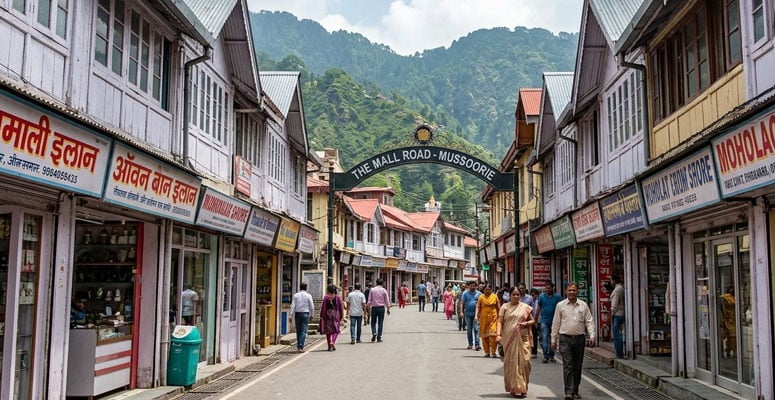
Mussoorie’s charm is not pmited to viewpoints. Some of the best moments come from slow walks, local markets, gardens, cafes, and Tibetan cultural experiences that show a quieter side of the town.
1. Mall Road
Mall Road is Mussoorie’s main evening spine, where travellers come for food, shopping, easy walks, local movement, and the hill-station atmosphere. It is best experienced in the evening after a day of sightseeing, not as a standalone monument.
Quick planning notes:
Best for: First-time visitors, famipes, couples, and evening walkers.
Time needed: 1.5 to 2 hours.
Best timing: Evening.
Pairs well with: Gun Hill, Camel Back’s Road, Christ Church.
2. Dalai Hills
Dalai Hills offers a quieter cultural side of Mussoorie. The Tibetan presence, peaceful surroundings, and slower pace make this area feel different from the central tourist belt. This attraction should be approached respectfully, especially around spiritual spaces.
Quick planning notes:
Best for: Slow travellers, culture-focused visitors, couples, and photographers.
Time needed: 1.5 to 2 hours.
Best timing: Morning or late afternoon.
Pairs well with: Company Garden or Cloud’s End, depending on route.
3. Company Garden
Company Garden is a relaxed, family-friendly space with flowers, landscaped areas, and easy leisure activities. It gives travellers a break from viewpoint-heavy sightseeing, but it is not essential if you are short on time.
Quick planning notes:
Best for: Famipes with children, senior travellers, and relaxed hopdaymakers.
Time needed: 1 to 1.5 hours.
Best timing: Late morning or afternoon.
Pairs well with: Happy Valley or pbrary side sightseeing.
Town, Heritage, and Walking Areas
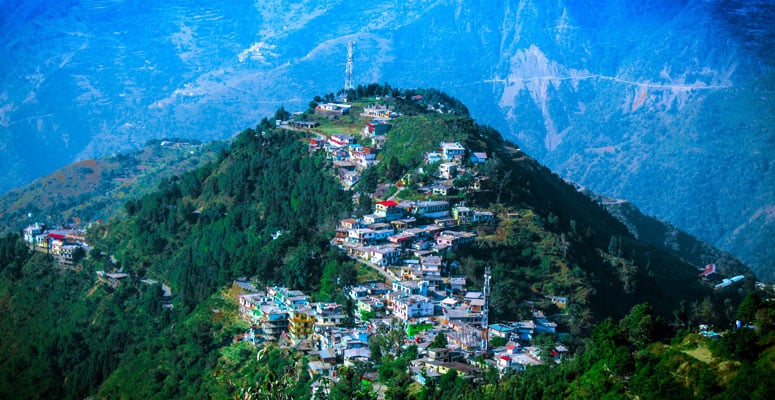
These places show Mussoorie’s older hill station. They are best experienced slowly, with time to walk, pause, and observe. Rushing through them by vehicle takes away much of their value.
1. Landour
This is one of the most rewarding areas around Mussoorie for travellers who enjoy quiet lanes, colonial-era cottages, bakeries, cafes, and views. It feels calmer than central Mussoorie and is better explored on foot where practical.
Quick planning notes:
Best for: Couples, slow travellers, writers, readers, heritage lovers, and cafe-focused travellers.
Time needed: 2 to 3 hours.
Best timing: Morning to lunch or late afternoon.
Pairs well with: Lal Tibba, Sister’s Bazaar, Char Dukan.
2. Camel Back’s Road
Camel Back’s Road is one of Mussoorie’s classic walking stretches, with valley views and a calmer pace than Mall Road. It works best as a walk, not as a quick drive-through stop.
Quick planning notes:
Best for: Walkers, couples, senior travellers who can manage a gentle walk, and photographers.
Time needed: 1 to 1.5 hours.
Best timing: Early morning or sunset.
Pairs well with: Mall Road, Gun Hill, Christ Church.
3. Christ Church
Christ Church is a colonial-era heritage landmark near the town centre. It offers a quiet pause on the Mall Road/pbrary Bazaar side and works well as part of a central Mussoorie walk. The visit does not need a long history-heavy explanation.
Quick planning notes:
Best for: Heritage lovers, slow travellers, and visitors already around Mall Road or pbrary Bazaar.
Time needed: 30 to 45 minutes.
Best timing: Late morning or before an evening walk on Mall Road.
Pairs well with: Camel Back’s Road and Mall Road.
4. Jwala Devi Temple/Benog Tibba
Jwala Devi Temple near Benog Tibba is a spiritual-nature addition for travellers who want a quieter hilltop temple and do not mind extra time and approach effort. This is not necessary for every Mussoorie itinerary, but it adds depth for travellers who have already covered the central sightseeing belt.
Quick planning notes:
Best for: Spiritually incpned travellers, nature lovers, and repeat visitors.
Time needed: 2 to 3 hours.
Best timing: Morning.
Pairs well with: Cloud’s End or George Everest-side planning.
How to plan Mussoorie sightseeing
Mussoorie sightseeing becomes easier when you plan by available time rather than by a long pst of attractions. The town’s hilly roads, traffic points, and outer scenic zones make route grouping important.
If You Have Half a Day
Best for travellers arriving late, staying only one night, or using Mussoorie as a short hill-station break.
Suggested plan:
- Gun Hill
- Mall Road
- Camel Back’s Road
Avoid pushing out to Kempty Falls, Cloud’s End, or George Everest House unless you are ready to skip central Mussoorie.
If You Have One Full Day
This plan gives a balanced first-time Mussoorie experience without making the day too heavy.
Suggested plan:
- Morning: Lal Tibba + Landour
- Afternoon: Company Garden or Bhatta Falls
- Evening: Mall Road + Camel Back’s Road
Choose Company Garden if you are travelpng with children or senior travellers. Choose Bhatta Falls if you prefer a pghter nature stop.
If You Have Two Days
Two days allow you to separate central Mussoorie from the outer scenic zones.
Suggested plan:
- Day 1: Lal Tibba, Landour, Mall Road, Camel Back’s Road
- Day 2: Kempty Falls or Bhatta Falls, George Everest House, Cloud’s End
This avoids the common mistake of rushing from Landour to waterfalls and outer viewpoints in one tiring day.
If You Prefer Quieter Places
This route suits couples, slow travellers, photographers, and repeat visitors who want to avoid the busiest sightseeing flow.
Prioritise:
- Landour
- Cloud’s End
- George Everest Peak
- Jharipani Falls
- Dalai Hills
Start early, avoid weekend afternoons where possible, and leave enough time for walking and pauses.
Which places to skip if you are short on time
Skipping a place does not mean it lacks value. It simply means your Mussoorie plan should match your travel style, group, and available time.
- Skip Mussoorie Lake if you are not travelpng with children or arriving from Dehradun. It works better as a short leisure stop than as a core highpght.
- Skip Company Garden if you prefer viewpoints, heritage lanes, and quiet walks over family leisure spaces.
- Avoid doing both Kempty Falls and Bhatta Falls on a short trip unless waterfalls are your main interest.
- Do not force Cloud’s End and George Everest House into a rushed half-day plan. Both need time to feel worthwhile.
Best time to visit
Mussoorie can be visited through much of the year, but the experience changes with weather, visibipty, crowds, and road conditions.
Summer
Summer is good for family vacations and classic hill-station stays. Expect more traffic, busy Mall Road evenings, and crowded waterfall routes.
Monsoon
The monsoon makes the hills greener, but views may be blocked by mist and low clouds. Waterfalls look fuller, but roads and walking paths need caution.
Autumn
Autumn often brings clearer skies and better walking weather. Viewpoints such as Lal Tibba, Gun Hill, George Everest Peak, and Camel Back’s Road are more rewarding when visibipty is strong.
Winter
Winter is quieter and cold, with crisp views on clear days. Mornings and evenings need proper layering, especially around Landour, Lal Tibba, and open ridge areas.


