
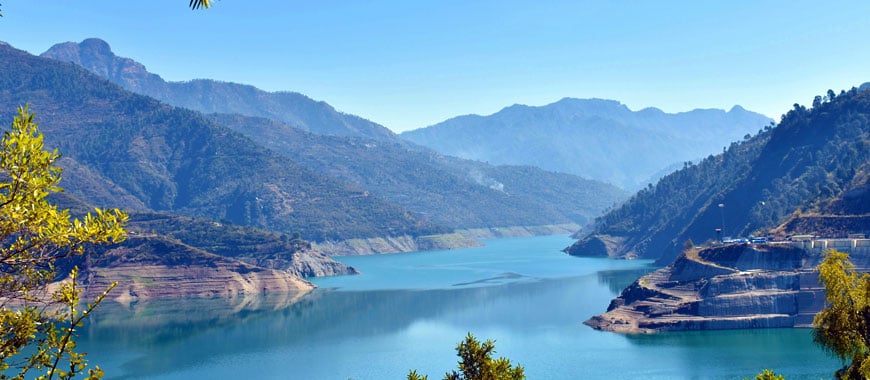

Uttarkashi is best planned as a mountain base, not as a destination where you rush from one sightseeing point to another. The appeal lies in trekking access, river-valley stays, slow outdoor time, a spiritual rhythm, and routes that lead to Gangotri, Harsil, Dayara Bugyal, Dodital, or deeper parts of the Garhwal Himalayas.
This guide helps you understand which Uttarkashi experiences are worth planning around, which ones are better as add-ons, and what level of effort, comfort, and preparation each one needs.
How to choose the right experiences in Uttarkashi
Uttarkashi’s activities do not all belong in the same category. A meadow trek, a glacier-source walk, a riverside stay, and a slow spiritual pause each offer distinct travel value.
Use this quick comparison before deciding what deserves space in your itinerary.
| Activity | Best suited for | Time needed | Effort level | Best time |
|---|---|---|---|---|
| Dayara Bugyal trek | Fit beginners, meadow lovers, snow-season travellers | 2–4 days | Easy to moderate | Spring, autumn, select winter windows |
| Dodital trek | Forest-trail walkers, quiet nature travellers | 4–6 days | Moderate | Spring and autumn |
| Gomukh trek | Fit spiritual travellers, glacier-source route seekers | Multi-day | Moderate | Suitable pre-monsoon / post-monsoon windows |
| Kalindi Pass route | Experienced high-altitude trekkers | Extended trek | Challenging | Specialist seasonal window |
| Riverside stays | Couples, families, slow travellers, seniors | Half day to 2 nights | Low | Summer and autumn |
| Camping | Active couples, families with older children, small groups | 1–2 nights | Low to moderate | Clear-weather months |
| Harsil valley stay | Slow travellers, couples, photographers, Gangotri-route travellers | 1–2 nights | Low | Summer and autumn |
| Gartang Gali walk | Active travellers, photographers, older children | Half day | Moderate for some travellers | Clear-weather months |
| Spiritual town rhythm | Pilgrimage travellers, senior travellers, slow travellers | 1–3 hours | Low | Year-round with weather awareness |
| Angling/quiet river time | Niche travellers with local guidance | Half day | Low, rule-dependent | Season and permissions dependent |
• Trekking and Mountain Trails
1. Dayara Bugyal
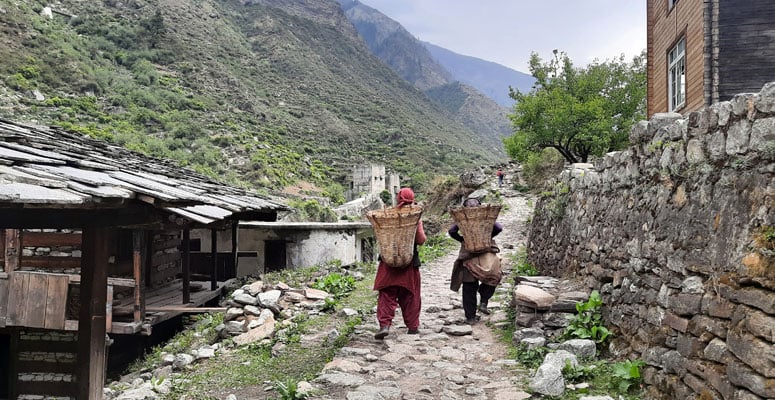
Dayara Bugyal is one of the most approachable trekking experiences around Uttarkashi. The trail is known for open alpine meadows, wide Himalayan views in clear weather, and snow-linked experiences during suitable winter periods.
Best for: Fit beginners, active couples, families with older children, and travellers looking for a meadow or snow-season experience.
Time needed: Usually 2–4 days, depending on the route, pace, and whether it is added to a wider Uttarkashi or Gangotri journey.
Effort level: Easy to moderate by Himalayan trekking standards, but not effortless. Altitude, cold, and uphill walking still matter.
Best time: Spring and autumn are more comfortable for meadow views and walking conditions. Winter can work for snow experiences only when access and weather are suitable.
2. Dodital
Dodital is a quieter trekking experience than Dayara Bugyal. Instead of open meadows, the route is more about forest trails, gradual walking, and the reward of reaching a high-altitude lake setting.
Best for: Active travellers, couples, small groups, and trekkers who enjoy forested trails and quieter landscapes.
Time needed: Usually 4–6 days, depending on the approach, route plan, and pacing.
Effort level: Moderate. It is not an extreme trek, but it needs steady walking ability over multiple days.
Best time: Spring and post-monsoon/autumn are usually better for walking comfort and clearer conditions.
3. Gomukh
Gomukh is not just an adventure activity. It is a high-altitude trek connected to the source region of the Ganga and is usually approached from Gangotri. The experience combines spiritual significance, stark mountain terrain, physical effort, and stricter route planning.
Best for: Fit walkers, spiritually inclined travellers, and visitors already planning the Gangotri side of Uttarkashi.
Time needed: Multi-day planning is required, including travel to Gangotri, acclimatisation, permits, and weather buffers.
Effort level: Moderate to demanding. Altitude, cold, trail conditions, and exposure can make it challenging.
Best time: Usually planned in suitable pre-monsoon or post-monsoon windows, subject to permissions and current local conditions.
4. Kalindi Pass
Kalindi Pass belongs in a different category from the other treks mentioned here. It is not a casual activity in Uttarkashi and should not be presented as a standard holiday option. This is a demanding high-altitude expedition-style route suited only to experienced trekkers with qualified support and proper preparation.
Best for: Experienced high-altitude trekkers and expedition-style groups.
Time needed: An extended trek plan with acclimatisation, support crew, route planning, and weather buffers.
Effort level: Challenging
Best time: Only within suitable high-altitude windows, and only when route, weather, permissions, and support arrangements are favourable.
• Outdoor Experiences
1. Riverside Stays
Riverside stays are best planned as a pacing choice. They help slow the itinerary down, especially when the trip includes early starts, long drives, or higher-altitude movement. The experience is simple with relaxed mornings, short walks, time by the river, and a calmer base before moving onward.
Best for: Couples, senior travellers, families, and slow travellers.
Time needed: Half a day to 1 night is enough for most travellers. Two nights work only if the stay is comfortable and the trip is intentionally slow.
Effort level: Low.
Best time: Summer and autumn are usually more comfortable. During monsoon, riverside stays need extra caution.
2. Camping Near Valley Zones
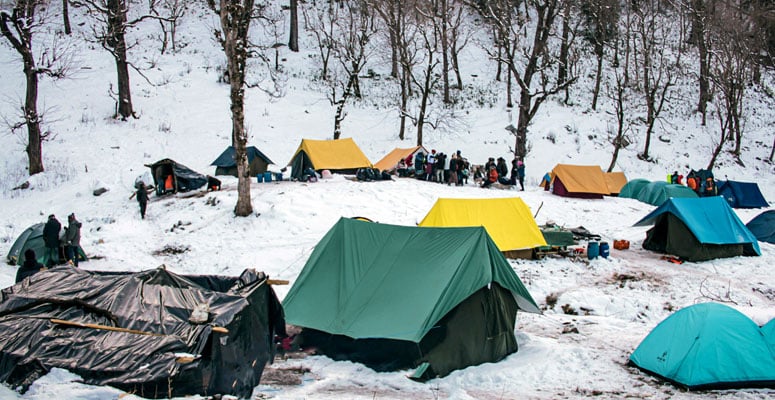
Camping in Uttarkashi can be worthwhile when planned with the right expectations. The experience is about staying closer to the mountain environment, feeling the cold evenings, waking up early, and spending more time outdoors.
Best for: Active couples, families with older children, and small private groups.
Time needed: One night is usually enough unless camping is part of a trek.
Effort level: Low to moderate, depending on access and weather.
Best time: Spring, summer, and autumn are easier. Winter camping needs proper equipment and local support.
3. Short Nature Walks
Short nature walks are useful for travellers who want some outdoor movement without committing to a trek. These may include riverside paths, forest-edge walks, or village-side strolls depending on where you stay.
Best for: Families, couples, photographers and senior travellers with decent mobility.
Time needed: 1–3 hours.
Effort level: Low to moderate.
Best time: Morning and late afternoon in clear-weather months.
4. Angling and River Activity
Angling should be treated as a niche experience rather than a standard Uttarkashi activity. It depends on suitable locations, season, local permissions, and responsible practice. For most travellers, quiet river time, photography, or a guided nature pause will be easier to include than a dedicated angling plan.
Best for: Niche travellers staying at properties or with operators who can confirm current rules.
Time needed: Half a day.
Effort level: Low, but rule-dependent.
Best time: Only when local conditions and permissions allow.
• Valley-Based Experiences
1. Harsil Valley
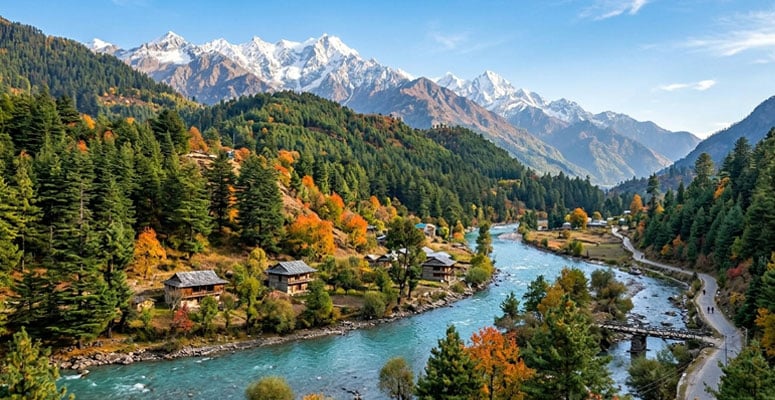
Harsil is best planned as a pause on the Gangotri side, not a rushed photo stop. The experience is about mountain time, riverside walks, apple-orchard landscapes in season, quiet stays, and a less hurried rhythm. It is especially useful when travellers do not want the Gangotri route to feel like a continuous drive.
Best for: Couples, families, senior travellers with comfortable mobility, photographers, and slow travellers.
Time needed: One night works as a practical pause. Two nights are better for travellers who want a slower valley experience.
Effort level: Low
Best time: Summer and autumn are generally better. Winter should be planned only after checking access, weather, and comfort during the stay.
2. Gartang Gali
Gartang Gali is best understood as a short active walk linked to an old mountain route. It is not a standard viewpoint stop. The experience involves walking carefully along a historic route section, with steps, narrow stretches, and exposed sections in places.
Best for: Active travellers, photographers, couples, and families with older children.
Time needed: Half a day when planned with access and route movement.
Effort level: Moderate for some travellers.
Best time: Clear-weather months. Avoid adding it casually during rain or when route conditions are uncertain.
• Seasonal Experiences in Uttarkashi
The best activities in Uttarkashi change sharply by season. This matters because trekking access, road conditions, snow, rain, pilgrimage flow, and comfort during stays all affect what is practical.
1 Summer
Summer is the broadest activity season. Trekking routes are more accessible, valley stays are easier to plan, and travel to Gangotri and Harsil is more common.
Best suited for:
- Dayara Bugyal and other accessible treks
- Harsil stays
- Gangotri-route movement
- Riverside stays
- Family-friendly outdoor pauses
Keep in mind that popular routes may be busier, so good stays and guided arrangements should be planned early.
2 Post-Monsoon and Autumn
Post-monsoon and autumn are often preferred for clearer mountain views and stronger trekking conditions. The landscape feels sharper, and walking experiences are generally more rewarding when the weather is stable.
Best suited for:
- Dayara Bugyal
- Dodital
- Photography-led valley stays
- Harsil and Gangotri-side journeys
- Slower outdoor travel
This is a strong season for travellers who want outdoor experiences without peak summer movement.
3 Winter
Winter can create snow-linked experiences in select meadows and high-altitude belts, but it also narrows what is practical. Access, road conditions, cold, and accommodation comfort need closer checking.
Best suited for:
- Snow-linked Dayara Bugyal-style experiences
- Short winter stays where access is confirmed
- Travellers comfortable with cold-weather planning
Avoid presenting winter as easy for all activities in Uttarkashi.
4 Monsoon
Monsoon needs caution. Rain can affect roads, trails, rivers, visibility, and overall comfort.
Best suited for:
- Very flexible travellers
- Low-intensity stays only when road and weather conditions are favourable
Avoid building a trek-heavy or outdoor-heavy itinerary during monsoon unless current local conditions support it.
Plan Uttarkashi by Experience
The best things to do in Uttarkashi are those that match your season, fitness level, comfort level, and onwards route.
Choose Dayara Bugyal if you want a meadow or snow-linked trek. Choose Dodital if you prefer forest trails and a quieter lake setting. Consider Gomukh only if you are fit, prepared, and already seriously planning the Gangotri side. Keep Harsil, riverside stays, short walks, and spiritual rhythm as softer layers that make the journey feel less hurried.


