
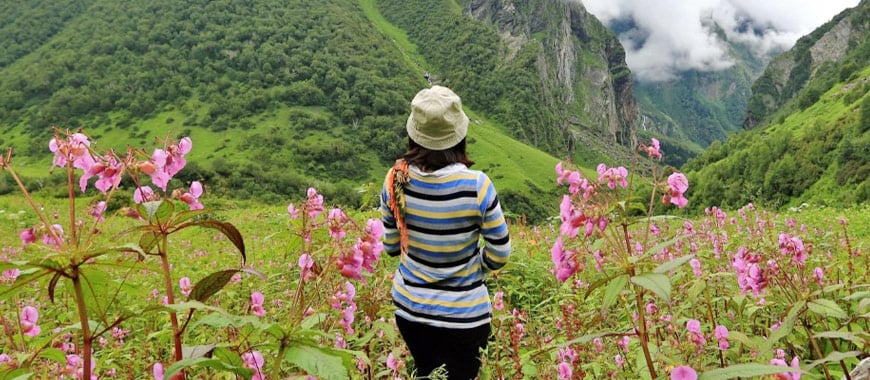

The best time to visit the Valley of Flowers depends on the experience you want: walking through peak alpine blooms, enjoying a comfortable family trek, or capturing vibrant Himalayan landscapes.
Since the national park is open only for a short window each year (usually from June to early October), choosing the right travel period makes a big difference in how much of the valley you see in bloom and how smooth your trekking experience feels.
When to Visit the Valley of Flowers: Tips for Different Kinds of Travellers
If you want to witness the full bloom of alpine flowers, enjoy gentle family trekking, or photograph the stunning Himalayan scenery, the following guide will help you choose the ideal time for your experience.
Best Time for Comfort and Leisurely Treks
Want to walk through the Valley at a relaxed pace? Mid-July to mid-August is the most comfortable time to do this. During these weeks, most of the flowers are open, and the trails are clear and easy to walk. In fact, the paths are smooth, so you can take breaks, enjoy the views, and walk without feeling rushed.
Best Time for Families
Families planning a relaxed Himalayan trip can combine the Valley of Flowers trek with other destinations in Uttarakhand. Explore Uttarakhand family tour packages that include comfortable stays, guided treks, and scenic hill stations.
Best Time for Nature Lovers and Wildlife Enthusiasts
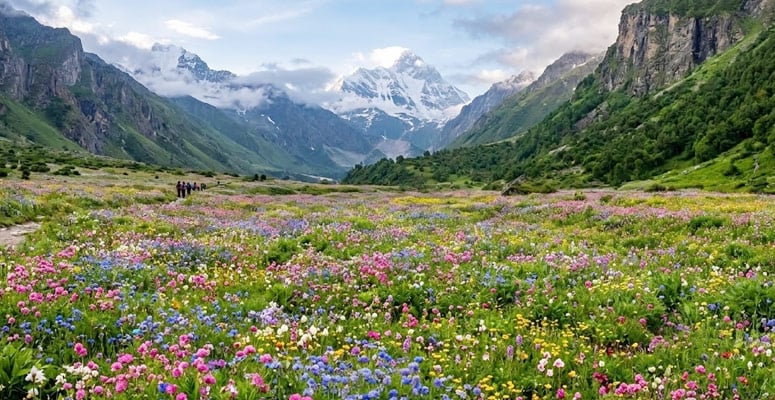
Nature lovers often prefer to visit from mid-July to late August, when the Valley has the greatest variety of flowers and wildlife activity. During this time, you can walk through colourful meadows filled with alpine flowers such as blue poppies, cobra lilies, Himalayan bellflowers, and primulas. Butterflies are often seen around the flowers, and it’s also common to spot birds and other small wildlife along the trails.
Travellers who enjoy trekking and alpine landscapes can explore curated Himalayan adventure tours in India.
Best Time for Heat-Sensitive Travellers
Travellers who prefer cooler conditions may enjoy visiting between late June and mid-July. Temperatures are moderate, and the weather usually feels comfortable for long walks. The trails also have shaded areas where you can rest if needed.
Travellers looking for guided trekking support can explore the Valley of Flowers Trek tour package.
Best Time for Photographers
Photographers usually visit from mid-July to mid-August, when the Valley is filled with colourful flowers and the landscape looks especially vibrant. Early mornings and late afternoons offer soft natural light, which is perfect for wide landscape shots and close-up photos of alpine flowers. So, if you want to return home with plenty of great photos, this is a great time to visit.
Photographers can explore guided trips and trekking routes through the Valley of Flowers travel guide and tour options.
When to Avoid Crowds
If you prefer quieter trails, consider visiting in late June or early September. The Valley still has beautiful scenery, but there are fewer visitors compared to the peak flowering weeks. During these periods, the trails from Ghangaria to the Valley are less crowded, streams are easier to cross, and accommodations in Ghangaria are easier to book. Early mornings offer soft light for photography, and you can enjoy the alpine flowers and waterfalls without the peak-season hustle.
Valley of Flowers by Season: What Each Time of Year Feels Like
Each season in the Valley of Flowers shows a different colour of Uttarakhand, so what you would enjoy most depends on the experience you’re looking for.
Late June to Early July: When the Valley Reopens
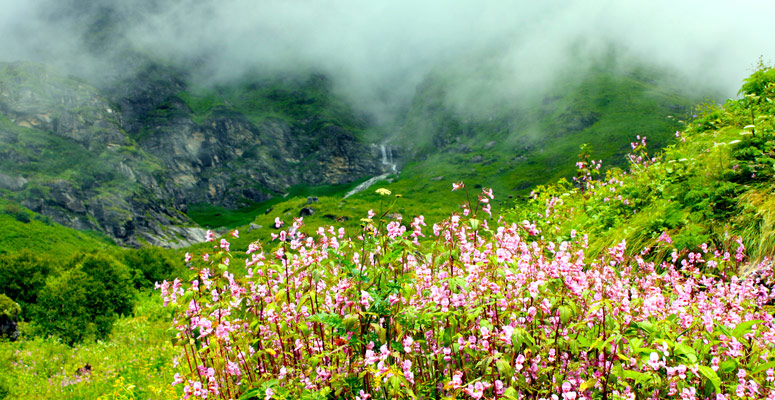
Wondering what the Valley looks like right after it opens? This is the time when the snow from winter has just melted, and the trekking routes become accessible again. Streams flow strongly through the landscape, and the first alpine flowers begin appearing along the trails. The Valley feels fresh and quiet during these weeks, so you can explore without large crowds.
Mid-July to Mid-August: When the Valley Turns Colourful
This is the season when the Valley of Flowers truly comes alive. Meadows fill with a wide variety of blooming alpine flowers, creating the colourful scenery the park is known for. The trails are fully open, and many travellers visit during this time for nature walks and photography. Because the landscape is at its most vibrant, this period also sees the highest number of visitors.
Late August to Early September: When the Valley Becomes Quieter Again
What if you want to see the Valley but avoid the busiest weeks? Late August and early September offer a calmer experience. Some flowers are still visible across the meadows, but visitor numbers begin to drop. The trails feel more peaceful, which suits travellers who prefer a slower and quieter trekking experience.
Late September to Late October: Snow Season in the Valley
From late September onward, heavy snowfall begins to cover the valley and trekking routes close completely. The park typically reopens the following summer once the snow melts and safe trekking conditions return.
Practical Planning Tips for Visiting the Valley of Flowers
1. Book early during peak bloom
If you plan to visit between mid-July and mid-August, it’s wise to arrange accommodations and tour packages three to four weeks in advance. This is when the Valley attracts the most visitors because the flowers are at their peak, so hotels in Govindghat and Ghangaria tend to fill quickly.
2. Expect higher prices during the busiest weeks
The same peak flowering period usually comes with higher accommodation and transport costs due to strong demand. Travellers looking for slightly lower prices and easier bookings sometimes choose late June or early September, when visitor numbers are lower.
3. Start your trek early to avoid crowds
Trails inside the Valley can become busy later in the day during peak season. Beginning your hike early in the morning often means quieter paths, cooler temperatures, and more time to explore the meadows before larger groups arrive.
4. Plan enough time for the full experience
Most travellers spend three to five days in the region. This allows time for the trek from Govindghat to Ghangaria, a full day exploring the Valley, and often an additional day to visit Hemkund Sahib, a nearby pilgrimage site that operates during the same summer season.
Explore Relevant Tours / Itineraries
No matter your preference, these packages help you experience Uttarakhand’s beauty without worrying about logistics, so you can focus on enjoying the flowers, wildlife, and landscapes.


