 Overland journey
Kailash Mansarovar Yatra Fixed Departure – 2026 (Overland Trip)
Kathmandu • Pashupatinath • Kerung • Saga • Lake Mansarovar • Mount Kailash
Starting From ₹269,999 Per Person
Request a quote →
Sacred Himalayan pilgrimages
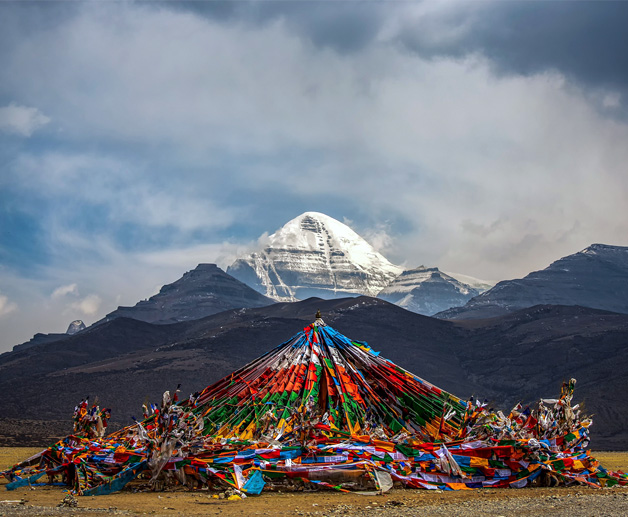
Panch Kailash Yatra is considered one of the most significant spiritual journeys in Hinduism. The term “Panch Kailash” specifically refers to five sacred mountains that are believed to be earthly manifestations of Lord Shiva’s heavenly abode.
Current tour options
Choose between an overland journey and two helicopter-assisted routes, based on your available time and preferred travel approach.
Overland journeyKathmandu • Pashupatinath • Kerung • Saga • Lake Mansarovar • Mount Kailash
 Helicopter route
Nepalgunj • Simikot • Hilsa • Purang • Mansarovar • Mount Kailash
 Ex Kathmandu
Kathmandu • Nepalgunj • Simikot • Hilsa • Mansarovar • Mount Kailash
The spiritual context
Panch Kailash Yatra is considered one of the most significant spiritual journeys in Hinduism. The term “Panch Kailash” specifically refers to five sacred mountains that are believed to be earthly manifestations of Lord Shiva’s heavenly abode. This pilgrimage involves visiting these five sacred mountains, collectively known as the 5 Kailash Parvatas. Each location possesses its own unique characteristics, yet they all embody the divine presence of Lord Shiva and his consort, Goddess Parvati.
For Hindu devotees seeking salvation (moksha), the 5 Kailash Parvat Yatra is both an arduous physical challenge and a deeply transformative spiritual undertaking. According to Hindu scriptures, completing these pilgrimages cleanses one’s soul of accumulated sins and brings the devotee closer to ultimate liberation.
While each location has its distinct characteristics, they all embody the divine presence of Lord Shiva and his consort, Goddess Parvati, within their peaks, glaciers, and surrounding landscapes.
According to ancient Hindu texts, including the Puranas and Skanda Purana specifically, Lord Shiva selected these five magnificent peaks as his earthly residences. Each of the 5 Kailash names connects to different aspects of Shiva’s divine personality and specific mythological events:
The Panch Kailash Yatra is mentioned in various ancient texts as a pathway to attain salvation. Completing pilgrimages to these five sacred sites is believed to free the soul from the cycle of rebirth and lead to moksha (liberation).
Below is a comprehensive list of the Panch Kailash names with their geographical locations across the Himalayan region:
| Kailash Name | Location | State/Region | Altitude |
|---|---|---|---|
| Adi Kailash (Chhota Kailash) | Near the Indo-Tibet border | Uttarakhand, India | 6,191 meters (20,312 ft) |
| Kinnaur Kailash | Kinnaur Valley | Himachal Pradesh, India | 6,050 meters (19,849 ft) |
| Srikhand Kailash | Kullu-Shimla border | Himachal Pradesh, India | 5,155 meters (16,914 ft) |
| Manimahesh Kailash (Chamba Kailash) | Budhil Valley | Himachal Pradesh, India | 5,653 meters (18,546 ft) |
| Mount Kailash (Kailash Mansarovar) | Ngari Prefecture | Tibet, China | 6,638 meters (21,778 ft) |
Now, let’s explore each of these five sacred mountains in detail, providing everything you need to know about completing the Panch Kailash Yatra.
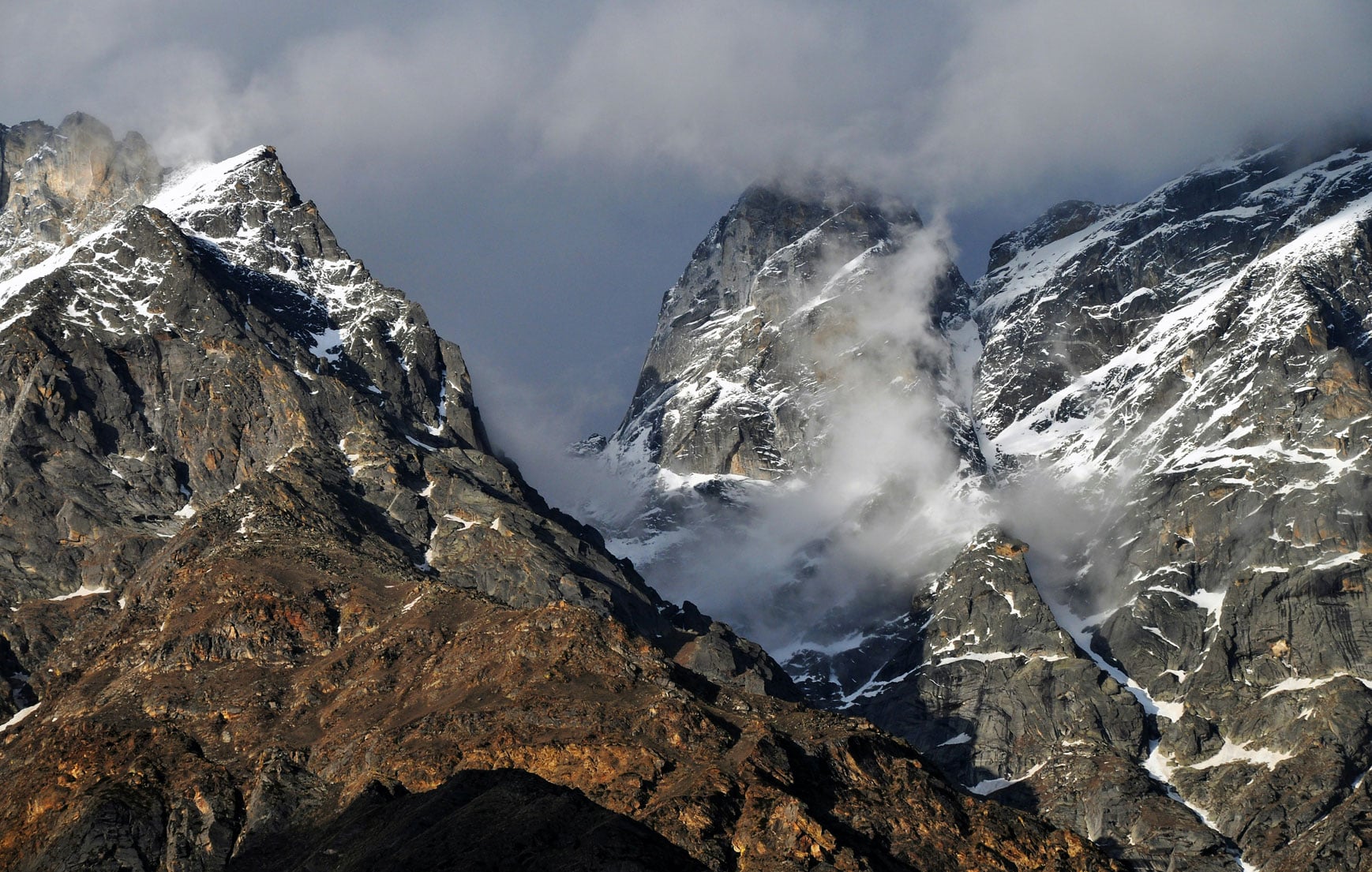
 Adi Kailash, also known as Chhota Kailash (Little Kailash), is located within Indian territory near the Indo-Tibet border in the Pithoragarh district of Uttarakhand. This magnificent peak rises to an impressive height of 6,191 meters (20,312 ft). The sacred mountain lies in the eastern Kumaon region, just south of the Lipulekh Pass that leads into Tibet.
According to Hindu mythology, Adi Kailash was Lord Shiva’s first dwelling place on earth, hence the name “Adi” meaning original or primordial. Legend tells that when Lord Shiva and Goddess Parvati traveled from Mount Kailash, they occasionally rested at this location, leaving their divine imprint. Some scriptures suggest that during times when access to Mount Kailash in Tibet was restricted, devotees were directed to Adi Kailash as an alternative sacred site offering similar spiritual benefits.
 Kinnaur Kailash is located in the stunning Kinnaur Valley of Himachal Pradesh, near the Indo-Tibet border. This sacred peak is situated at coordinates 31°35′N 78°48′E. The mountain is part of a range that forms the mighty Dhauladhar range in the Lesser Himalayas.
The region derives its name from the “Kinners” (celestial musicians) of Hindu mythology, who were said to have chosen this heavenly location for their abode due to its resemblance to paradise. According to local legends, Lord Shiva dances on this mountain with his celestial band, and the unique Shivling rock formation at the summit is believed to have emerged naturally rather than being man-made. The 79-foot-tall Shivling-shaped rock is composed of white rock that glistens when sunlight falls upon it.
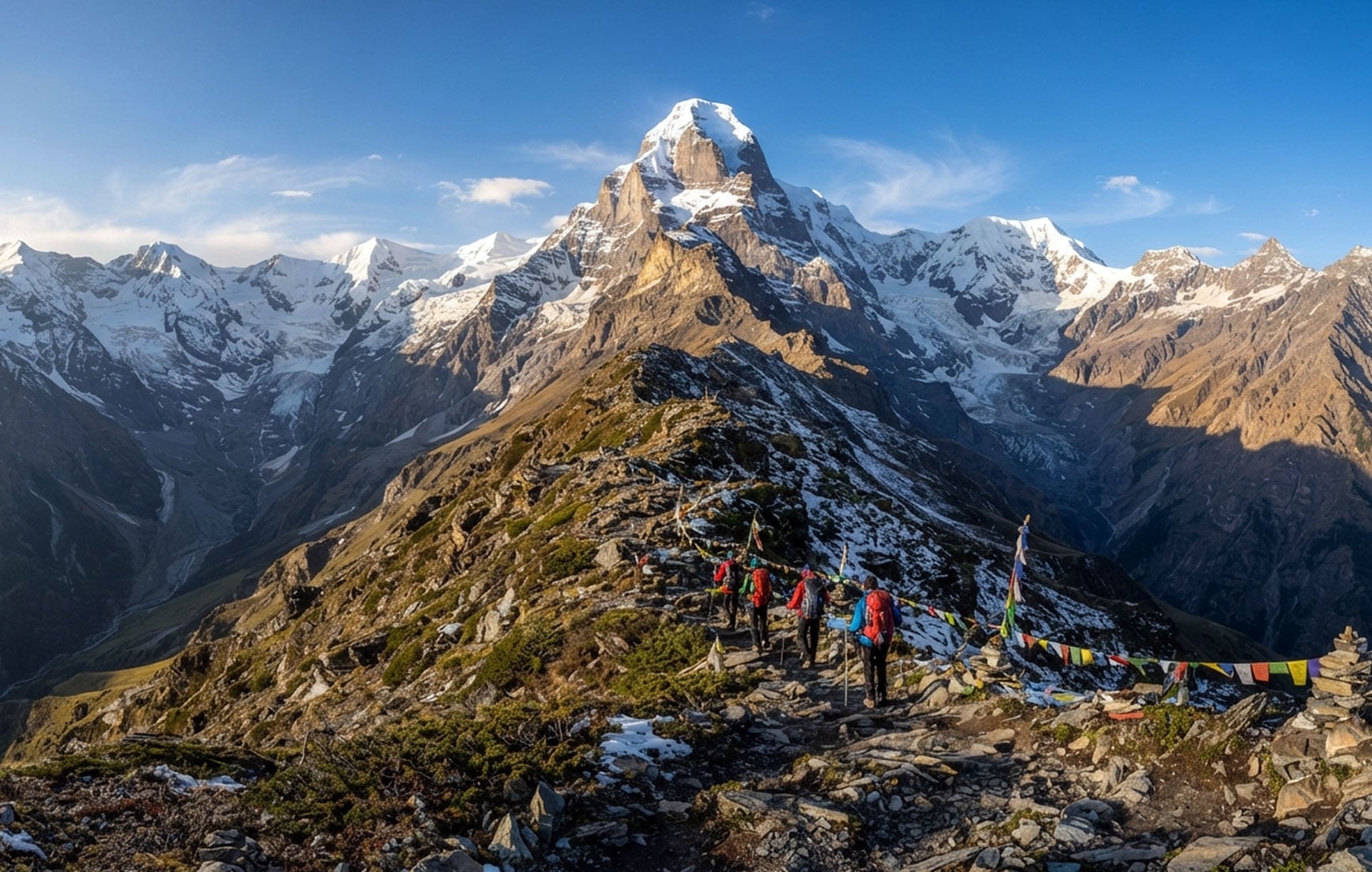 Srikhand Kailash stands at an elevation of 5,155 meters (16,914 ft) in the Kullu-Shimla region of Himachal Pradesh. This majestic peak forms part of the Greater Himalayan range. The mountain is situated within the boundaries of the Great Himalayan National Park, a UNESCO World Heritage Site known for its remarkable biodiversity.
According to Hindu legends, Srikhand Kailash houses a natural Shivalinga at its summit that miraculously remains uncovered by snow throughout the year despite heavy snowfall in the region. Local traditions suggest that Lord Shiva meditated here after consuming the deadly poison during the Samudra Manthan (churning of the ocean). The mountain’s name, “Srikhand” refers to the milky white appearance of the peak, symbolizing Lord Shiva’s throat that turned blue after holding the poison.
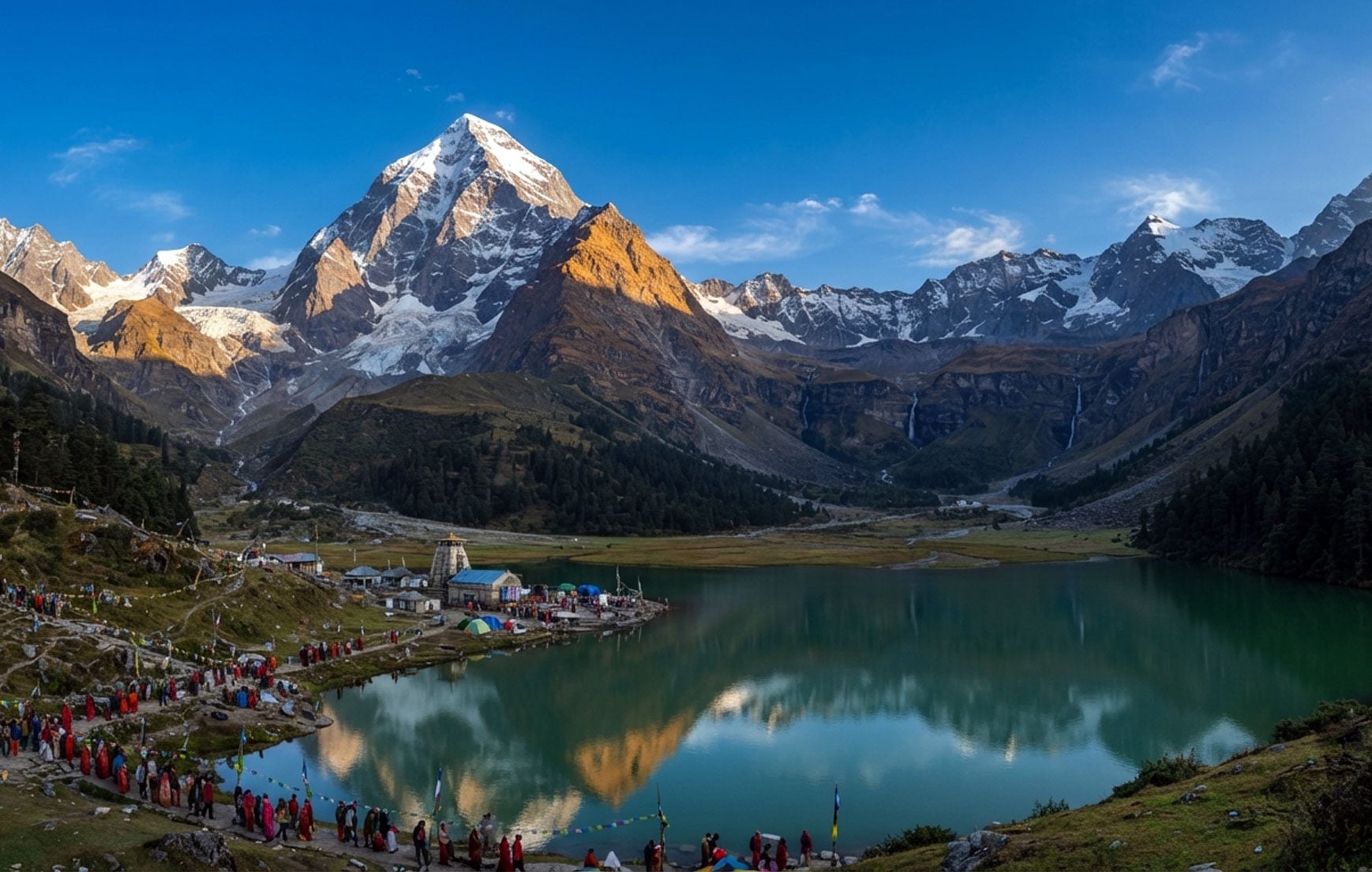 Manimahesh Kailash, commonly known as Chamba Kailash, is located in the Budhil valley of Chamba district in Himachal Pradesh. This sacred peak stands at an altitude of 5,653 meters (18,546 ft). The mountain is characterized by its distinctive peak resembling a Shivling when viewed from certain angles.
According to local beliefs, Lord Shiva resides at Manimahesh Kailash with his consort Parvati. The name “Manimahesh” derives from Sanskrit, where “Mani” means jewel and “Mahesh” is another name for Lord Shiva, referring to the jewel-like glow often visible on the peak when sunlight reflects off its snow-covered summit. The sacred Manimahesh Lake at the foot of the mountain is believed to be the bathing place of Lord Shiva and Goddess Parvati.
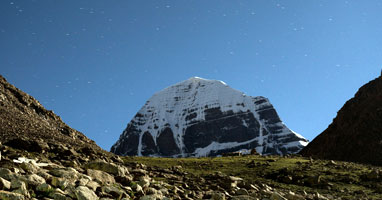
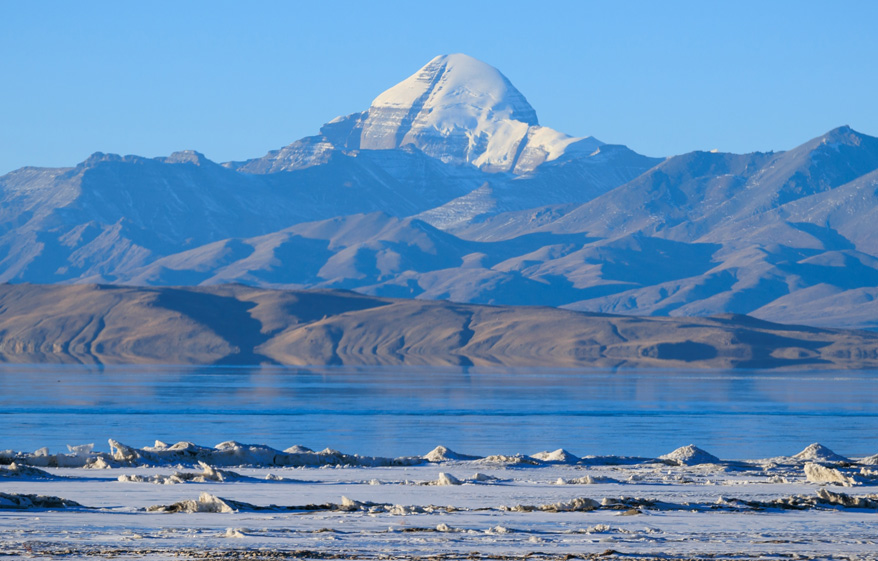
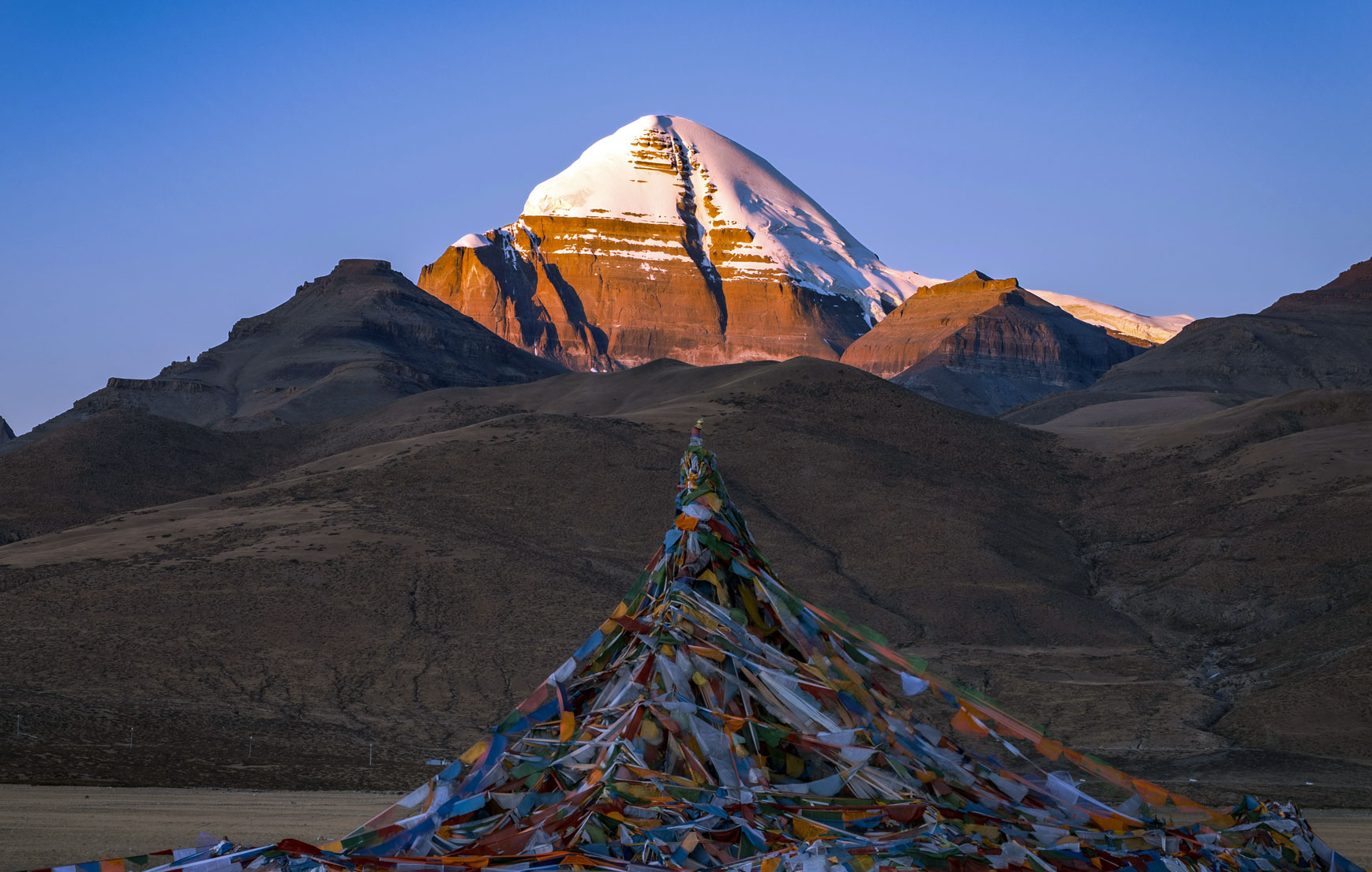 Mount Kailash, the most revered of the 5 Kailash Parvat, is located in the Ngari Prefecture of Tibet Region. This magnificent peak rises to an impressive height of 6,638 meters (21,778 ft), making it the tallest among all five Kailash mountains. Glaciers surround the distinctive pyramid-shaped peak with its perpetually snow-covered summit and stand near the sources of four major rivers: the Indus, Sutlej, Brahmaputra, and Karnali.
Mount Kailash holds unparalleled significance not only in Hinduism but also in Buddhism, Jainism, and Bon religions. For Hindus, it is the ultimate abode of Lord Shiva and Goddess Parvati, where they reside along with their sons, Lord Ganesha and Lord Kartikeya. The mountain is described in ancient texts as a cosmic axis or “Sumeru” that connects heaven, earth, and the netherworld. According to Hindu cosmology, Mount Kailash is the center of the universe where Lord Shiva sits in eternal meditation.
To help pilgrims choose which of the 5 Kailash Parvat Yatras to undertake based on their physical capabilities, time constraints, and spiritual goals, here’s a comparative analysis:
| Factors | Adi Kailash | Kinnaur Kailash | Srikhand Kailash | Manimahesh Kailash | Mount Kailash |
|---|---|---|---|---|---|
| Difficulty Level | Moderate-Difficult | Difficult | Very Difficult | Moderate | Very Difficult |
| Duration (Days) | 7-10 | 3-5 | 5-7 | 2-3 | 12-18 |
| Maximum Altitude | 6,191 m | 6,050 m | 5,155 m | 5,653 m | 6,638 m |
| Best Season | May-Jun, Sep-Oct | Jun-Sep | Jul-Sep | Jul-Sep | May-Oct |
| Special Permits | Yes | Yes | Yes (Registration) | No | Yes (Multiple) |
| Helicopter Option | No | No | No | Yes | No |
| Foreigner Access | Restricted | Restricted | Allowed | Allowed | Restricted |
| Religious Significance | High | High | High | High | Highest |
Completing the 5 Kailash Parvat pilgrimages requires significant physical stamina. Here’s how to prepare:
The cost varies significantly depending on which of the five Kailash locations you plan to visit:
The Panch Kailash Yatra is not merely a physical journey but a profound spiritual undertaking. Here are some traditional practices observed by pilgrims:
The Panch Kailash Yatra represents one of the most profound spiritual journeys in Hinduism, offering devotees the opportunity to connect with Lord Shiva through five magnificent manifestations across the Himalayan landscape. From the relatively accessible Manimahesh Kailash to the challenging Mount Kailash in Tibet, each of these five sacred mountains provides unique spiritual experiences while requiring different levels of physical preparation and logistical planning.
Whether you’re drawn to these pilgrimages for religious devotion, spiritual growth, or the magnificent beauty of the Himalayas, the list of 5 Kailash names mentioned in this guide offers pathways to profound transformative experiences. By understanding the significance, preparations, and practices associated with each of these sacred sites, pilgrims can undertake these journeys with proper reverence and practical knowledge.
As you plan your journey to any of these five Kailash locations, remember that the physical ascent of these mountains mirrors the spiritual ascent of the soul. The challenges faced during these pilgrimages are considered purifying tests that prepare devotees for the ultimate darshan (divine vision) at the sacred peaks.
May Lord Shiva bless all pilgrims undertaking the Panch Kailash Yatra with the strength, determination, and spiritual clarity needed to complete these sacred journeys successfully.
A: Manimahesh Kailash (Chamba Kailash) is considered the easiest of the five Kailash pilgrimages, requiring only 2-3 days with moderate difficulty. It also offers helicopter services during the yatra period for those unable to trek.
A: It is theoretically possible but extremely challenging to complete all five Kailash yatra in one season (May-September). Most pilgrims spread the Panch Kailash Yatra over multiple years, especially considering the difficulty of obtaining permits for Mount Kailash.
A: Mount Kailash (Kailash Mansarovar) in Tibet is considered the most revered among the Panch Kailash. However, all five locations hold significant spiritual importance in Hinduism.
A: While there are no official age restrictions for Adi Kailash, Kinnaur Kailash, Srikhand Kailash, and Manimahesh Kailash, the government-organized Kailash Mansarovar Yatra typically restricts participation to those between 18 and 70 years of age due to the extreme conditions.
A: Yes, there are alternatives for those unable to complete the physical journeys:
A:According to Hindu mythology, these five manifestations of Kailash represent different aspects of Lord Shiva’s divine personality.
Custom-designed journeys supported by experienced travel planners and trusted local partners.
Assisted pilgrimage planning
High altitude, permits, route difficulty and travel duration vary considerably across the five yatras. Begin with the Kailash you wish to undertake and the assistance you will need.