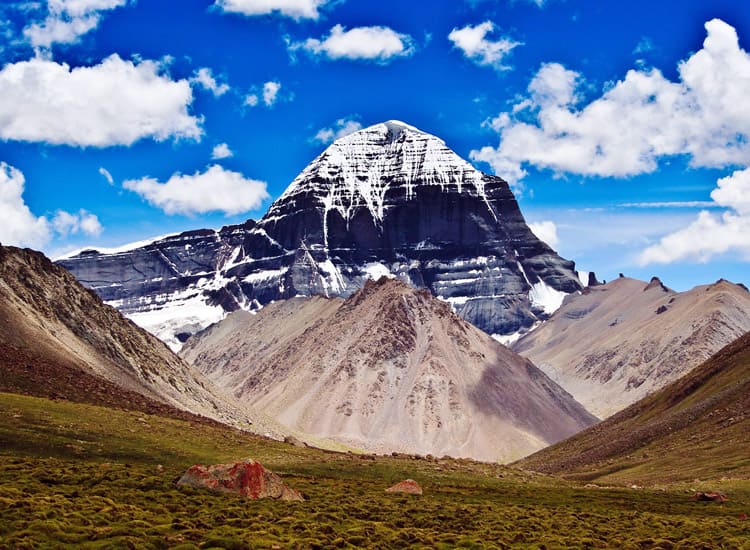
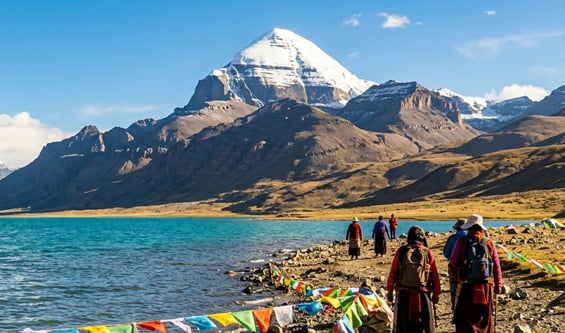
Kailash Mansarovar Yatra is one of the most sacred pilgrimages in the world, attracting devotees from various faiths, including Hinduism, Buddhism, Jainism, and the Bon religion.
LIMITED DEPARTURES – FILLING FAST
Planning Kailash Mansarovar Yatra?
Reserve your seats for July–October 2026 and experience a carefully managed, spiritually significant journey with expert ground support.
Sold Out: April, May & June Selling Fast: July, August, September & October
Nestled in the remote Trans-Himalayan region of Tibet Autonomous Region in China, Mount Kailash (6,638 meters) is revered as the abode of Lord Shiva and Goddess Parvati. In comparison, the pristine Lake Mansarovar (4,590 meters) is believed to have been created by Lord Brahma himself.
This pilgrimage is a spiritual quest and an adventure into one of the most challenging terrains on Earth. The high altitude, unpredictable weather, and remote location make thorough preparation essential for a successful journey. This comprehensive guide provides vital travel tips for Kailash Mansarovar Yatra 2026 to ensure your sacred journey is safe, comfortable, and spiritually fulfilling.
Kailash Mansarovar Yatra Tips & Insights for 2026
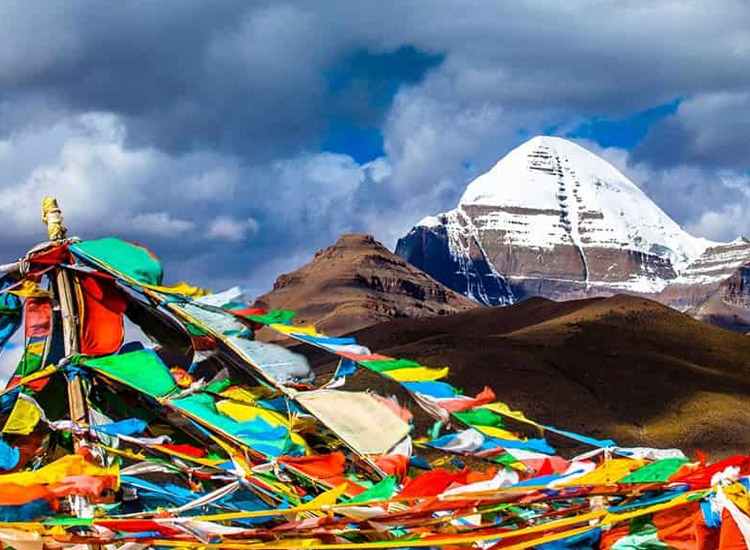
Here are some important travel tips to keep in mind for the Kailash Mansarovar Yatra 2026. By following these tips, your yatra will be memorable, enjoyable, and hassle-free.
1 – 6-Month Preparation Timeline
Proper preparation for Kailash Mansarovar Yatra begins at least 6 months before your departure date. Follow this timeline for optimal readiness:
6 Months Before: Initial Planning
- Schedule a comprehensive medical check-up with emphasis on cardiovascular and respiratory health
- Begin researching different route options and tour operators
- Start a daily walking routine (30 minutes) to build basic fitness
- Research visa requirements and gather necessary documentation
- Make initial booking inquiries and secure your spot with a deposit
5 Months Before: Build Your Base
- Increase walking duration to 45-60 minutes daily, and add 2-3 days of light strength training.
- Begin initial breathing exercises and basic yoga for flexibility
- Submit passport for renewal if the validity is less than 6 months
- Start gathering essential gear and equipment
- Make dietary improvements (increase protein intake, reduce processed foods)
4 Months Before: Intensify Training
- Increase walking to include inclines and stairs (60 minutes, 4-5 times weekly)
- Add a weighted backpack to walks (starting with 5 kg)
- Begin altitude training techniques if available in your area
- Complete and submit the initial visa application forms
- Schedule required vaccinations
3 Months Before: Specialized Preparation
- Add specific high-altitude conditioning (stair climbing with an 8-10 kg backpack)
- Consult with a physician about altitude sickness medications
- Finalize all booking arrangements and payments
- Purchase recommended equipment and clothing
- Begin acclimatization exercises (specialized breathing techniques)
2 Months Before: Equipment and Documentation
- Test all equipment during longer training sessions
- Complete all required medical tests and obtain a fitness certificate
- Finalize visa and permit applications
- Arrange travel insurance with high-altitude coverage
- Intensify cardiovascular training (interval training, 5-6 times weekly)
1 Month Before: Final Preparations
- Complete final medical check-up
- Pack and weigh all gear to ensure compliance with restrictions
- Confirm all bookings and arrangements
- Begin altitude medication (Diamox) trial if prescribed by your doctor
- Focus on mental preparation and spiritual readiness
- Make copies of all essential documents
1 Week Before: Last Checklist
- Rest and recover from intensive training
- Confirm all documentation is in order
- Finalize packing and check weather forecasts
- Exchange currency and prepare emergency funds
- Brief family members on communication limitations and emergency contacts
Read the complete guide on how to prepare for the Kailash Mansarovar Yatra.2 – Is Kailash Mansarovar Yatra Difficult? Understanding the Challenge
Many prospective pilgrims wonder about the difficulty level of the Kailash Mansarovar Yatra. The honest answer is: yes, this pilgrimage is challenging, but with proper preparation, it’s achievable for most reasonably fit individuals. The main challenges include:
Altitude Considerations
- The highest point during the Kailash Parikrama is Dolma La Pass at 5,636 meters (18,500 feet)
- Lake Mansarovar is situated at 4,590 meters (15,060 feet)
- Most people begin experiencing altitude-related symptoms above 3,500 meters
- Rapid ascent without proper acclimatization significantly increases risk
Physical Demands
- The Kailash Parikrama (circumambulation) covers approximately 52 kilometers over 3 days
- Terrain varies from rocky paths to steep inclines and occasional snow
- Pilgrims typically walk 6-8 hours per day during the parikrama
- Weather conditions can add to physical strain
Remote Location Challenges
- Limited medical facilities in the region
- Basic accommodation with minimal amenities
- Communication limitations
- Simple food options
Check Out Kailash Mansarovar Yatra Helicopter Package
Route-Specific Difficulty Levels
| Route | Physical Difficulty | Duration | Altitude Challenge | Comfort Level |
| Via Nepal | Moderate to High | 12-14 days | Moderate | Basic |
| Via Lhasa | Moderate | 15-18 days | Lower (gradual ascent) | Better |
| Helicopter | Low to Moderate | 7-10 days | Higher (rapid ascent) | Better |
: The helicopter route reduces physical exertion but increases altitude-related risks due to faster ascent.
Book our 13 Nights 14 Days Kailash Mansarovar Yatra by Road Package.
Who Should Reconsider?
While most healthy individuals can complete the yatra with proper preparation, those with the following conditions should consult specialised medical advice or consider alternative pilgrimages:
- Severe cardiovascular conditions
- Chronic respiratory issues
- Uncontrolled diabetes or hypertension
- Recent surgery or major illness
- Pregnancy
- Severe joint problems
- History of blood clots or stroke
- Severe altitude sickness in previous high-altitude travel
3 – Comprehensive Health and Medical Preparation
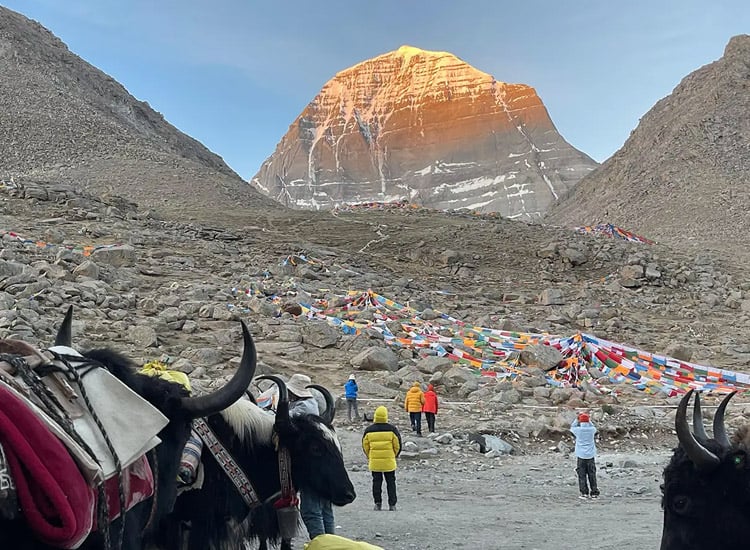
Health preparation is the most critical aspect of Kailash Mansarovar Yatra planning. The high altitude and remote location make managing medical emergencies particularly challenging.
Required Medical Check-ups
- Before embarking on the yatra, undergo these essential medical examinations:
- Complete blood count (CBC)
- Liver and kidney function tests
- Chest X-ray
- ECG/Echocardiogram (especially for those over 40)
- Pulmonary function test
- Blood pressure assessment
- Blood sugar levels
- Oxygen saturation levels
Altitude Sickness: Prevention and Management
Acute Mountain Sickness (AMS) is the most common health challenge during the yatra. Understanding its prevention and management is crucial:
Prevention Strategies:
- Gradual Ascent: The most effective prevention is slow, gradual acclimatization
- Hydration: Drink 4-5 liters of water daily during the journey
- Medication: Consider prophylactic medication like Acetazolamide (Diamox) after consulting your doctor
- Rest Days: Utilize rest days during the itinerary for proper acclimatization
- Listen to Your Body: Never ignore symptoms; communicate them immediately to your guide
Essential Medications to Carry
Note: Consult your physician before taking any medication
Basic Medical Kit:
- Acetazolamide (Diamox) – for altitude sickness prevention
- Pain relievers (Paracetamol/Acetaminophen)
- Anti-inflammatories (Ibuprofen)
- Anti-diarrheal medication (Loperamide)
- Broad-spectrum antibiotics (as prescribed by your doctor)
- Antihistamines for allergies
- Throat lozenges
- Cold and flu medication
- Rehydration salts
- Anti-nausea medication
Read the Complete Guide to Medical Requirements for the Kailash Mansarovar YatraSpecialized Physical Preparation
Begin these exercises at least 3-4 months before your journey:
Cardiovascular Conditioning:
- Walking: Progress from 30 minutes daily to 2-hour walks with a weighted backpack
- Stair Climbing: Excellent for simulating uphill hiking
- Cycling: Low-impact endurance building
- Swimming: Great for building lung capacity
Strength Training:
- Lower Body: Focus on squats, lunges, and step-ups
- Core Strength: Planks, bridges, and rotational exercises
- Upper Body: Basic strength for carrying backpacks and using trekking poles
Altitude-Specific Training:
- Breathing Exercises: Pranayama techniques like Anulom Vilom and Kapalbhati
- Yoga: Especially poses that expand lung capacity
- Intermittent Hypoxic Training: If available in your area
4 – Complete Guide to Visa and Permits for Kailash Mansarovar Yatra
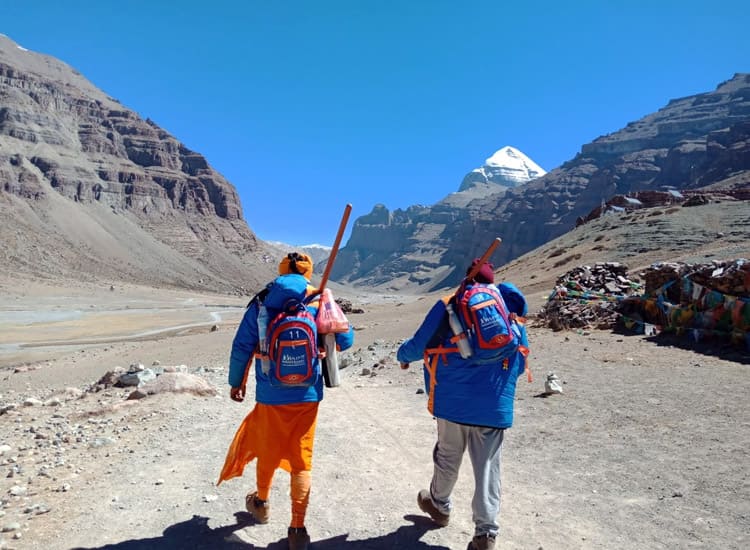
The documentation process for Kailash Mansarovar Yatra is complex and requires careful attention to detail. Here’s a complete breakdown of the visa for Kailash Mansarovar:
Required Documents
- Passport: Valid for at least 6 months beyond your return date with at least four blank pages
- Chinese Visa/Group Visa: Special paper visa issued for a group
- Tibet Travel Permit: Required for all foreign travelers to Tibet
- Alien’s Travel Permit: Required for travel to restricted areas in Tibet
- Military Permit: Required for border areas like Mount Kailash
- Frontier Pass: For traveling in border regions
- Nepal Visa (if traveling via Nepal): Available on arrival or in advance
Application Process Timeline
- 90 Days Before: Submit passport copies, photos, and preliminary application
- 60 Days Before: Complete detailed application forms
- 45 Days Before: Submit medical certificates and insurance documentation
- 30 Days Before: Group visa application processing begins
- 15 Days Before: Permits issued and finalized
- 7 Days Before: Visa collection and verification
Documentation Requirements
- Passport-sized Photos: 8-10 recent color photos with white background
- Identification: Passport copy and additional government-issued ID
- Medical Certificate: Official document confirming fitness for high-altitude travel
- Employment Letter: Confirmation of employment and approved leave
- Application Forms: Multiple forms for different permits
- Travel Insurance: Certificate showing appropriate coverage
- Liability Waiver: A Signed document acknowledging risks
- Financial Proof: Bank statements or proof of funds for the journey
Special Considerations for 2026
- Biometric Requirements: New digital fingerprinting and facial recognition for permits
- Online Verification System: Pre-registration in the new Chinese online system
- Extended Processing Times: Allow extra time due to increased security measures
- Restricted Areas Updates: New designation of sensitive areas requiring additional permissions
Common Documentation Challenges and Solutions
| Challenge | Solution |
| Passport expiring within 8 months | Renew before application |
| Incorrect photo specifications | Use a professional photography service familiar with Chinese visa requirements |
| Incomplete medical information | Work with a doctor experienced in high-altitude expedition certification |
| Previous visa issues | Disclose and provide explanation letters |
| Name variations in documents | Provide name change documentation or affidavit |
5. Detailed Route Options for Kailash Mansarovar Yatra
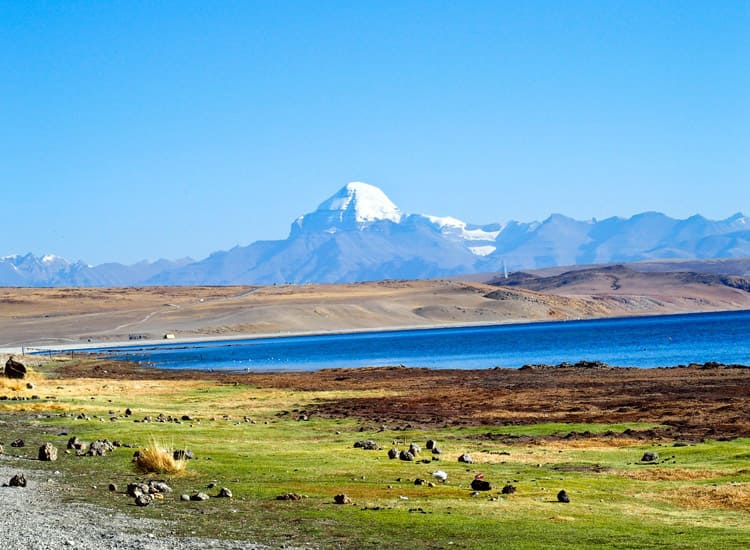
There are several routes to Mount Kailash and Lake Mansarovar, each with distinct characteristics, advantages, and challenges.
a) Via Nepal (Kathmandu – Nepalgunj – Simikot – Hilsa – Taklakot)
- Duration: 12-14 days
- Best For: Those seeking a balance between adventure and comfort
- Difficulty Level: Moderate to High
Pros:
- The scenic beauty of the Nepal Himalayas
- The cultural experience of both Nepal and Tibet
- Better acclimatization profile
- More affordable than the helicopter option
Cons:
- Multiple flight connections required
- Weather-dependent flight segments
- Some trekking required (Simikot to Hilsa)
- Border crossing procedures
Key Stages:
- Kathmandu (1,400m) – Gateway city
- Nepalgunj (150m) – Transit point
- Simikot (2,910m) – Beginning of trek/helicopter segment
- Hilsa (3,700m) – Nepal-Tibet border
- Taklakot/Purang (3,930m) – First stop in Tibet
- Lake Mansarovar (4,590m)
- Darchen (4,575m) – Base for Mount Kailash Parikrama
b) Via Lhasa (Kathmandu/Chengdu – Lhasa – Shigatse – Saga – Darchen)
- Duration: 15-18 days
- Best For: Comprehensive Tibet experience, better acclimatization
- Difficulty Level: Moderate
Pros:
- Gradual acclimatization
- Visit to Lhasa and important Tibetan monasteries
- Better infrastructure and accommodation
- Comprehensive cultural experience
- Lower altitude sickness risk
Cons:
- Longer duration
- More expensive
- Additional permits required
- Longer driving distances
Key Stages:
- Kathmandu (1,400m) or Chengdu
- Lhasa (3,656m) – Capital of Tibet
- Gyantse (3,977m) – Historical city
- Shigatse (3,845m) – The Second largest city in Tibet
- Saga (4,640m) – Important stop for acclimatization
- Lake Mansarovar (4,590m)
- Darchen (4,575m) – Base for Mount Kailash Parikrama
c) Helicopter Route (Kathmandu – Nepalgunj – Simikot – Hilsa by Helicopter)
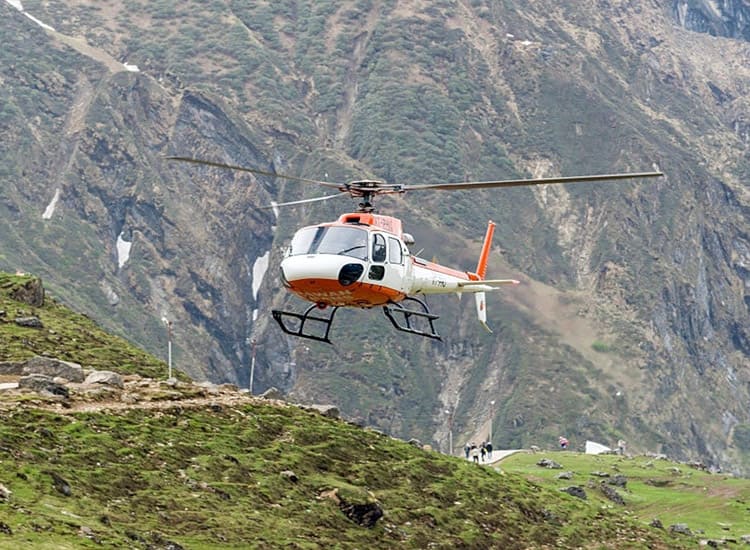
- Duration: 7-10 days
- Best For: Limited time, elderly pilgrims, those with moderate fitness concerns
- Difficulty Level: Low physical exertion but higher altitude adaptation challenge
Pros:
- Significantly reduced physical exertion
- Shorter duration
- Spectacular aerial views
- Avoids difficult trekking sections
- More time at sacred sites
Cons:
- Higher cost
- Weather-dependent operations
- Faster ascent increases altitude sickness risk
- Reduced acclimatization time
- Luggage restrictions
Key Stages:
- Kathmandu (1,400m) – Gateway city
- Nepalgunj (150m) – Transit point
- Simikot (2,910m) – Helicopter departure
- Hilsa (3,700m) – Nepal-Tibet border
- Taklakot/Purang (3,930m) – First stop in Tibet
- Lake Mansarovar (4,590m)
- Darchen (4,575m) – Base for Mount Kailash Parikrama
Route Selection Guidance
| Factor | Best Route Option | Why |
| Limited time (7-10 days available) | Helicopter Route | Shortest duration |
| Better acclimatization | Lhasa Route | Gradual altitude gain |
| Budget constraints | Nepal Route | Most economical |
| Elderly pilgrims | Helicopter or Lhasa Route | Less physical exertion |
| Cultural immersion | Lhasa Route | Most historical sites |
| Adventure experience | Nepal Route | More trekking opportunities |
| First-time high-altitude travelers | Lhasa Route | Safer acclimatization profile |
| Photography enthusiasts | Nepal or Helicopter Route | More diverse landscapes |
6. Weather and Best Time to Visit Kailash Mansarovar
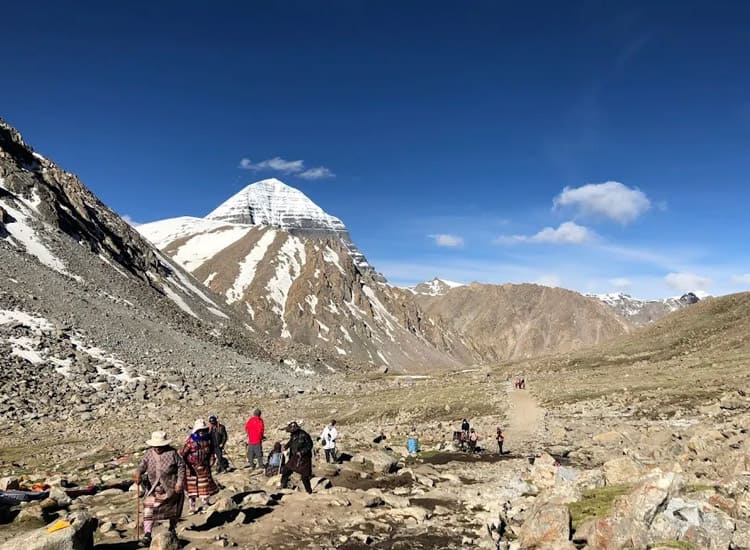
The weather in the Kailash Mansarovar region is harsh and varies significantly throughout the year. Understanding seasonal patterns is crucial for planning your pilgrimage.
Pilgrimage Season Overview
The Kailash Mansarovar Yatra is typically open from mid-May to mid-September. For the rest of the year, heavy snow and extreme cold will make the region largely inaccessible.
Month-by-Month Weather Guide
May (Early Season)
- Temperature Range: -5°C to 15°C (23°F to 59°F)
- Precipitation: Minimal
- Advantages: Fewer crowds, clearer mountain views
- Challenges: Colder temperatures, some snow patches on Dolma La Pass
- Recommendation: Good for experienced high-altitude travelers
June (Peak Season)
- Temperature Range: 0°C to 20°C (32°F to 68°F)
- Precipitation: Increasing chance of light rain
- Advantages: Warmer temperatures, Saga Dawa Festival (Buddha Purnima)
- Challenges: More crowded, especially during Saga Dawa
- Recommendation: Ideal for most pilgrims, especially those interested in Buddhist celebrations
July (Peak Season)
- Temperature Range: 5°C to 22°C (41°F to 72°F)
- Precipitation: Moderate rain possibility
- Advantages: Warmest month, vibrant landscapes
- Challenges: Occasional rain, muddy conditions possible
- Recommendation: Best overall conditions for most travelers
August (Peak Season)
- Temperature Range: 5°C to 20°C (41°F to 68°F)
- Precipitation: Highest rainfall probability
- Advantages: Warm days, lush landscapes
- Challenges: Rain can cause delays, and cloud cover is possible
- Recommendation: Good for general pilgrims, prepare for rain
September (Late Season)
- Temperature Range: 0°C to 15°C (32°F to 59°F)
- Precipitation: Decreasing
- Advantages: Fewer crowds, clearer skies, autumn colors
- Challenges: Temperatures are beginning to drop, especially at night
- Recommendation: Good for photographers and those preferring solitude
Weather Considerations by Route
| Route | Best Months | Weather Considerations |
| Nepal Route | June-August | Weather impacts flights to Simikot/Hilsa |
| Lhasa Route | May-September | More consistent road conditions throughout the season |
| Helicopter Route | June-August | Highly dependent on clear weather for flights |
Special Weather Phenomena
- Katabatic Winds: Strong downslope winds in the morning near Mount Kailash
- Afternoon Clouds: A Typical buildup around the mountain peaks by midday
- Rapid Weather Changes: Conditions can shift quickly; always be prepared
- UV Intensity: Extremely high UV radiation at high altitudes, even on cloudy days
Grab the best deals on Kailash Mansarovar yatra packages with Indian Holiday today!
7. Complete Packing Guide for Kailash Mansarovar Yatra
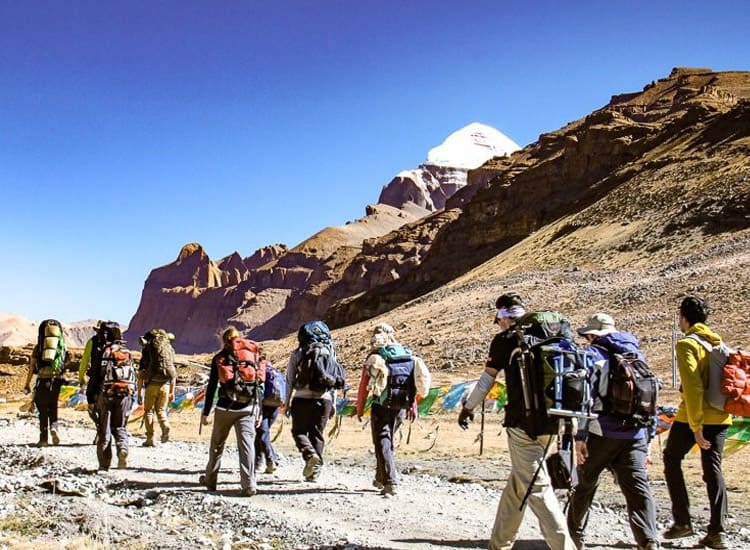
Proper packing is essential for comfort and safety during your pilgrimage. Remember that you’ll need to carry your daypack during the parikrama, so pack efficiently and consider weight limitations.
Clothing Essentials
Base Layers:- 3-4 moisture-wicking t-shirts/thermals
- 2-3 thermal long-sleeve tops
- 2-3 thermal leggings/long underwear
- 5-7 pairs of moisture-wicking socks
- 5-7 sets of underwear
Mid Layers:- 2 fleece jackets or wool sweaters
- 2 lightweight trekking pants (quick-dry)
- 1 fleece pants
- 1 softshell or windproof pants
Outer Layers:- 1 down jacket (rated for below-freezing temperatures)
- 1 waterproof and windproof jacket with a hood
- 1 waterproof pants
- 1 pair of waterproof gloves
- 1 warm hat covering the ears
- 1 sun hat with brim
- 1 buff/neck gaiter
- 1 pair UV-protective sunglasses
Footwear:- 1 pair waterproof hiking boots (broken in before the trip)
- 1 pair of camp shoes/sandals for evening use
- 1 pair of gaiters (for snow conditions)
Read here: Essential Packing List for Kailash Mansarovar Yatra Religious and Ceremonial Items- Prayer beads (mala)
- Prayer flags (to be placed at Dolma La Pass)
- Small idols or pictures of deities
- Traditional attire for ceremonies at Lake Mansarovar
- Offerings for rituals
Personal Hygiene and Toiletries- Biodegradable wet wipes
- Hand sanitizer
- Toothbrush and toothpaste
- Quick-dry towel
- Toilet paper
- Sunscreen (SPF 50+ for high altitude)
- Lip balm with sunscreen
- Moisturizer (for dry mountain air)
Sleep and Comfort Items- Sleeping bag liner (for guest houses)
- Travel pillow
- Earplugs
- Eye mask
- Hot water bottle (for cold nights)
Electrical and Communication- Power bank (high capacity, 20000+ mAh)
- Charging cables
- Universal adapter
- Headlamp with extra batteries
- Camera with extra batteries
- Spare memory cards
Documents and Money- Passport and visa documents (multiple copies)
- Travel insurance certificate
- Medical certificate
- Permit copies
- Emergency contact information
- Cash in multiple currencies
- Credit card (limited acceptance)
- Money belt or secure pouch
Essential Gear- Backpack (30- 40L for daily use during parikrama)
- Duffel bag for main luggage (to be carried by porters/vehicles)
- Trekking poles
- Water bottles (2 x 1 liter)
- Water purification tablets or a filter
- Snacks and energy foods
- Ziploc bags for waterproofing
- Lightweight dry bags
Weight Considerations- Helicopter Route: Strict 10-15 kg luggage limit
- Other Routes: Recommended 20 kg maximum
- Parikrama Daypack: Keep under 5-6 kg for comfort
8. Accommodation and Food Expectations
Understanding what to expect regarding accommodation and food helps prepare mentally for the journey.
Accommodation Types Along the Journey
Major Cities (Kathmandu, Lhasa)- 3-4 star hotels with western amenities
- Private rooms with attached bathrooms
- Restaurant facilities
Tibetan Towns (Saga, Shigatse, Taklakot)- Basic guest houses or simple hotels
- Twin-sharing rooms typically
- Shared bathroom facilities are common
Near Mount Kailash and Lake Mansarovar- Very basic guest houses
- Dormitory-style accommodations common
- Limited or no hot water
- Shared toilet facilities (often squat toilets)
During Parikrama- Basic tea houses or guest houses
- Dormitory-style sleeping arrangements
- Minimal facilities
- No guaranteed hot water
Food Availability and Options Major Cities- Wide variety of cuisine options
- Both Western and local food are available
- Restaurant-quality meals
En Route and Remote Areas- Simple, basic meals
- Limited menu options
- Primarily vegetarian food
- Rice, noodles, bread, staples
- Basic vegetables and lentils
Special Dietary Considerations- Vegetarian options are available throughout
- Vegan options are limited in remote areas
- Gluten-free options are very limited
- Food allergies are difficult to accommodate
Food Safety Tips- Drink only bottled, boiled, or purified water
- Avoid raw vegetables in remote areas
- Eat freshly cooked, hot food
- Carry electrolyte solutions for rehydration
- Bring familiar snacks and energy bars
9. Communication During Kailash Mansarovar Yatra
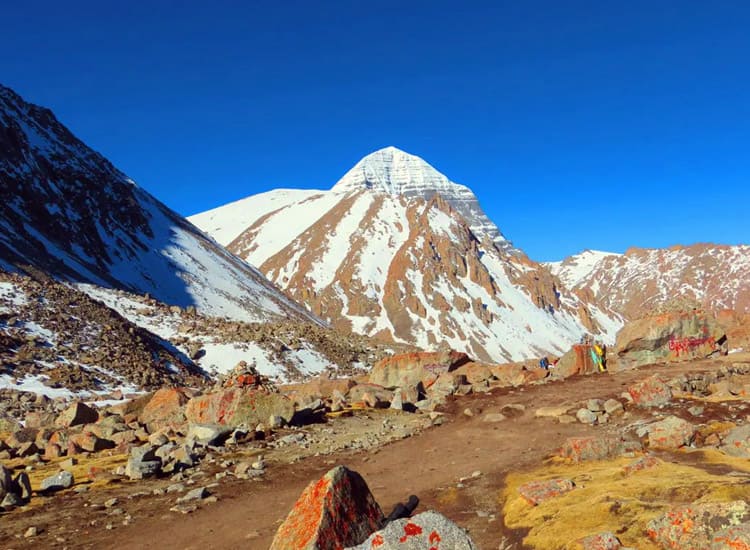
Limited communication is one of the challenges of the Kailash Mansarovar pilgrimage. Understanding the options and limitations helps manage expectations and prepare alternatives.
Mobile Network Coverage- Kathmandu/Major Nepal Cities: Good coverage for calls, 3G/4G data
- Remote Nepal Areas: Very limited to no coverage
- Tibet Major Towns: Limited Chinese network coverage (requires international roaming)
- Taklakot/Darchen: Basic call service, minimal to no data
- Kailash Parikrama Route: No mobile coverage
- Lake Mansarovar: No reliable coverage
Communication Options Mobile Phones- International roaming must be activated before departure
- Chinese SIM cards are difficult to obtain and require registration
- Limited usefulness beyond major towns
Satellite Communications- Satellite phones technically require permits in China
- Tour operators often have emergency satellite phones
- Personal satellite messengers (like Garmin InReach) are useful for basic text messaging
Internet Access- Available in major cities (Kathmandu, Lhasa)
- Very limited in smaller Tibetan towns
- Non-existent during parikrama and at Lake Mansarovar
- Social media and many Western websites are blocked in China
Communication Planning Before Departure- Inform family/friends about limited communication
- Provide the tour operator’s emergency contact information
- Set up a predetermined check-in schedule if possible
- Download offline maps and translation apps
Emergency Communications- Tour guides typically have satellite communication for emergencies
- Establish emergency protocols and contacts before departure
- International emergency services have limited reach in remote areas
10. Transportation Details for Kailash Mansarovar Yatra
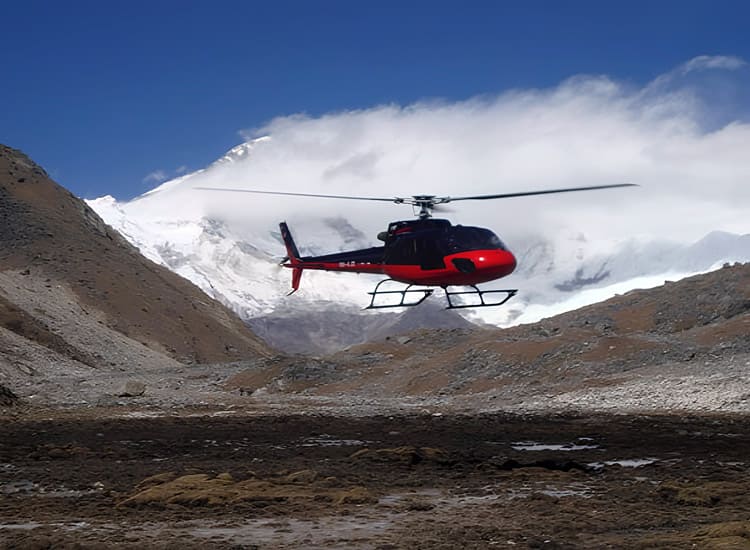
The journey to Kailash Mansarovar involves multiple modes of transportation, each with unique characteristics and considerations.
Air Travel Components
International Flights- To Kathmandu (Nepal Route and Helicopter Route)
- To Chengdu/Beijing (Lhasa Route)
- Luggage restrictions typically 20-30 kg checked, 7 kg hand luggage
Domestic Flights (Nepal Route)- Kathmandu to Nepalgunj: Regular commercial flights
- Nepalgunj to Simikot: Small fixed-wing aircraft (12-18 seats)
- Weather-dependent operations
- Strict luggage restrictions (10-15 kg total)
Helicopter Segments (Helicopter Route)- Simikot to Hilsa: 15-20 minute flight
- 5-6 passenger helicopters
- Very strict weight limitations
- Weather-dependent operations
- Incredible views, but higher altitude gain
Road Transportation
Tibet Highway Travel- Toyota Land Cruisers or similar 4WD vehicles are common
- 4-5 passengers per vehicle plus driver
- Long driving days (sometimes 6-8 hours)
- Varied road conditions from paved highways to rough tracks
- High mountain passes and stunning landscapes
- Regular stops for photography and acclimatization
Nepal Road Segments- Various vehicles, depending on group size
- Generally good roads in populated areas
- Mountain roads can be affected by landslides in the monsoon season
Special Transportation
Parikrama Support- Porters are available to carry extra supplies during Kailash Parikrama
- Horses/Yaks available for those unable to walk (additional cost)
- Support vehicles meet at designated points
Border Crossing Transport- Short walk across the Nepal-Tibet friendship bridge at Hilsa
- Immigration procedures on both sides
Transportation Tips During Mansarovar Yatra 2026- Altitude Considerations: Remember, oxygen levels decrease during high-altitude drives
- Motion Sickness: Prepare medication if prone to motion sickness on mountain roads
- Comfort Items: Neck pillows and earplugs help during long drives
- Window Seating: Rotate window seats for views and photography
- Hydration: Continue drinking water during transportation segments
- Packing Access: Keep essential items accessible during long drives
11. Cultural and Religious Etiquette
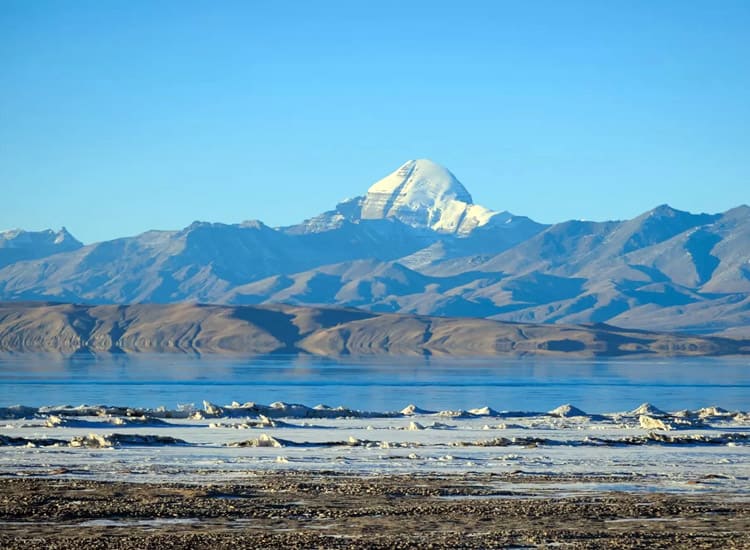
Respecting local customs and religious practices is essential when visiting sacred sites like Mount Kailash and Lake Mansarovar.
Sacred Site Etiquette- Walk clockwise around Mount Kailash (Buddhist/Hindu tradition)
- Remove shoes when entering temples and monasteries
- Ask permission before photographing local people or religious ceremonies
- Speak quietly in sacred areas
- Do not climb on or touch sacred structures
Dress Code- Dress modestly at religious sites (shoulders and knees covered)
- Remove hats when entering temples
- Avoid wearing clothing with religious symbols of other faiths
- Traditional dress is welcome during ceremonies
Respect for Local Customs- Ask permission before entering local homes
- Accept the offered tea as a gesture of hospitality
- Small gifts for hosts are appreciated
- Learn basic Tibetan greetings
- Do not discuss sensitive political topics
- Do not purchase antiques or wildlife products
Photography Guidelines- No photography inside most temples and monasteries
- No photography of military installations or checkpoints
- Ask permission before photographing locals
- Respect “no photography” signs
- No drones without special permits (rarely granted)
Religious Ceremonies at Lake Mansarovar- Holy Dip (Snan)
- Use clean containers for collecting sacred water
- Join group prayers or perform individual prayers as desired
- Performed parikrama clockwise around the lake
12. Emergency Protocols and Safety
Despite thorough preparation, emergencies can occur during the Kailash Mansarovar Yatra 2026. Knowing the proper protocols can be life-saving.
Recognizing Emergency Situations
Medical Emergencies- Severe altitude sickness (confusion, inability to walk, severe breathing difficulty)
- Chest pain or severe shortness of breath
- Loss of consciousness
- Severe injury or bleeding
- Hypothermia (uncontrollable shivering, confusion, slurred speech)
Environmental Emergencies- Severe weather conditions
- Landslides or rockfalls
- Flooding
- Snowstorms
Emergency Response Protocol
Inform Your Guide Immediately- All organized groups have trained guides with emergency protocols
- Don’t delay reporting symptoms or concerns
First Aid and Stabilization- Guides will administer basic first aid
- Oxygen supplementation, if available
- Group medical kits contain emergency supplies
Evacuation Decision- The guide will assess the need for evacuation
- Never continue ascent with significant symptoms
- Descent is the primary treatment for severe altitude sickness
Evacuation Methods- On Foot: Assisted descent with support team
- Horse/Yak: Available in some areas for transport
- Vehicle: Where road access exists
- Stretcher: In areas without vehicle access
- Helicopter: For severe cases where landing is possible (weather dependent)
Emergency Contact Information- Memorize or save your tour operator’s emergency number
- International emergency contact: Your country’s embassy in Nepal/China
- Travel insurance emergency assistance number
- Guide’s satellite phone number (if available)
Travel Insurance Requirements
Essential Coverage Components- High-altitude trekking (up to 6,000 meters)
- Helicopter evacuation
- Medical treatment in remote areas
- Repatriation
- Trip cancellation/interruption
These are some important travel tips you should keep in mind for the Kailash Mansarovar Yatra 2026. If you are planning for the yatra, you should contact our travel experts. They will provide you with the best package for the Kailash Parvat Yatra and arrange everything for you, including flight tickets, helicopter booking, visa, and permits. So don’t wait—contact our experts now and book your yatra!
Related Post:Frequently Asked Questions About Kailash Mansarovar Yatra
Q1. How difficult is Kailash Mansarovar Yatra compared to other pilgrimages? Ans. Kailash Mansarovar is considered one of the most challenging pilgrimages due to its remote location, high altitude, and basic facilities. However, with proper preparation, it’s achievable for most people in reasonable health.
Q2. What is the best time to visit Kailash Mansarovar in 2026? Ans. Mid-June to early August offers the best overall conditions with warmer temperatures and stable weather. May and September have fewer crowds but cooler temperatures.
Q3. What type of visa is required for Kailash Mansarovar Yatra? Ans. A special group visa is issued for Tibet/China, typically a paper visa rather than a passport stamp. If travelling via Nepal, a Nepal visa is also required (available on arrival or in advance).
Q4. What religious ceremonies are performed at Lake Mansarovar? Ans. Typical ceremonies include a holy dip (snan), circumambulation (parikrama), prayer offerings, and meditation. Guides typically assist with the appropriate rituals based on your faith.
Q5. Can women participate in all aspects of the pilgrimage? Ans. Yes, women can participate in all aspects of the pilgrimage. There are no gender-based restrictions. However, women should note that bathroom facilities are very basic throughout the journey.
Q6. Is photography allowed at Mount Kailash and Lake Mansarovar? Ans. Photography is generally permitted in outdoor areas but prohibited inside temples and monasteries. Always ask before photographing local people or religious ceremonies.