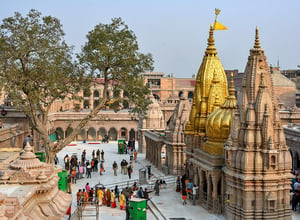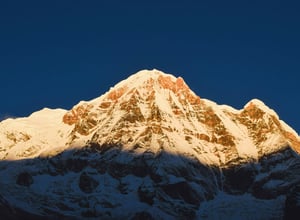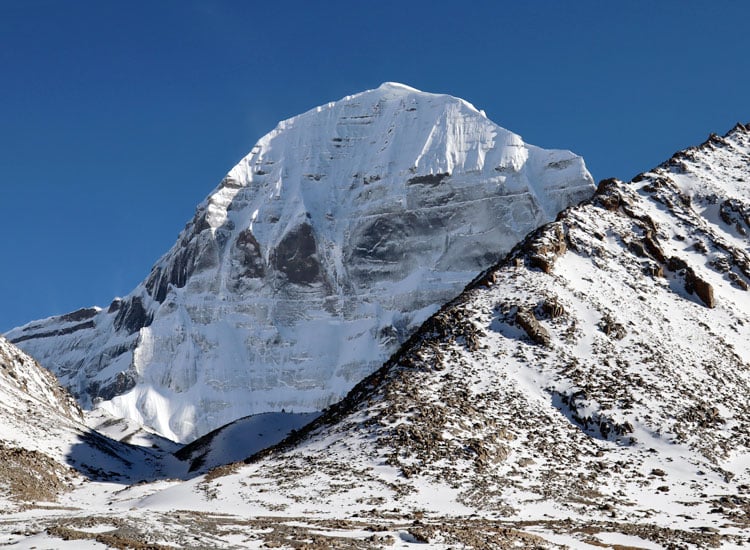
The Kailash Mansarovar Yatra is one of the most sacred pilgrimages for Hindus, Buddhists, and Jains. It takes devotees to the holy Mount Kailash and Lake Mansarovar in Tibet. The journey presents unique challenges due to extreme weather conditions, high altitude, and limited access to supplies.
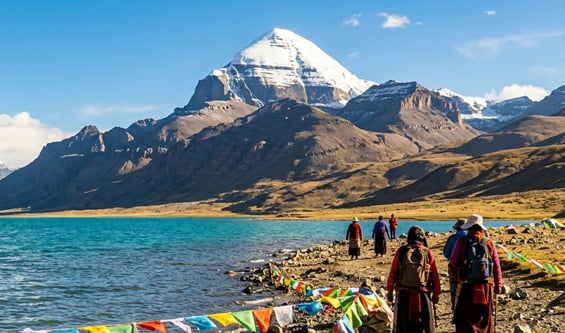
Proper preparation and packing are essential for a comfortable, safe, and spiritually fulfilling experience. Having guided many pilgrims on this sacred journey, I have compiled a Kailash Mansarovar packing list to help you prepare effectively.
Understanding the Challenges of Kailash Mansarovar Yatra
Before diving into the packing list, it’s crucial to understand what makes this journey unique:- High Altitude: The route reaches elevations above 18,000 feet, with Lake Mansarovar at 15,060 feet and Dolma La Pass at 18,600 feet
- Temperature Fluctuations: Temperatures can range from scorching sun during the day to below freezing at night
- Rugged Terrain: Varied, including rocky paths, grasslands, and potentially snow-covered areas
- Limited Facilities: Access to modern amenities, medical facilities, and shopping options is extremely limited
- Weight Restrictions: Depending on your chosen route (helicopter, overland, etc.), baggage weight limits may apply
Complete Kailash Mansarovar Packing List 2026 for a Hassle-Free Yatra
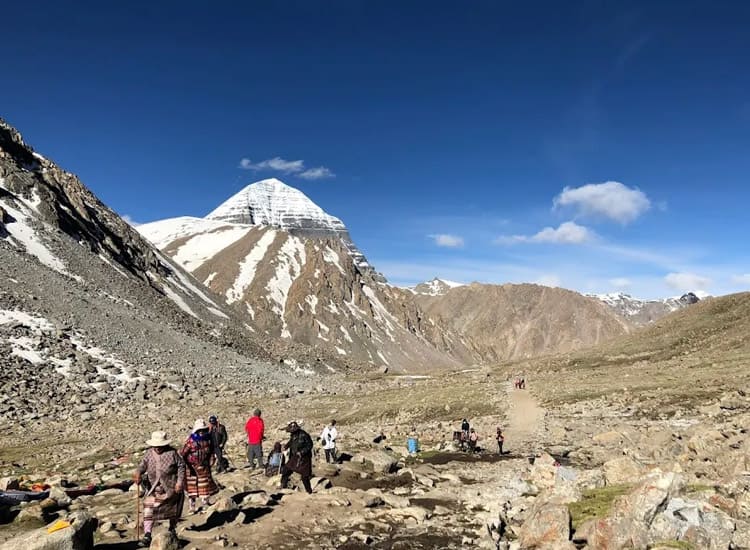 Take a look at this packing list for Kailash Mansarovar and begin packing accordingly:
1 – Essential Documents and Finances
- Your journey begins with having the right paperwork in order:
- A passport with a minimum of 6 months’ validity and at least four blank pages
- Multiple photocopies of passport (keep in different bags)
- Chinese visa (Tibet Travel Permit arranged by your tour operator)
- Travel insurance with high-altitude coverage and emergency evacuation
- Yatra permit from the Ministry of External Affairs (for Indian citizens)
- Medical certificate clearing you for high-altitude travel
- Passport-size photographs (8-10 copies)
- Credit/debit cards (inform your bank about international travel)
- Emergency contact information (laminated card)
- Travel insurance details (printed copy)
- Waterproof Document Pouch: To protect all of the above
- Chinese Yuan (for Tibet)
- Nepali Rupees (if entering via Nepal)
- US Dollars (widely accepted)
- Local currency of your departure country
2 – Kailash Mansarovar Clothing Checklist
Proper layering is key to staying comfortable throughout your journey. This allows you to adapt to changing temperatures and activity levels by adding or removing layers as needed. Base Layers- Thermal Underwear: 2-3 sets of moisture-wicking thermal tops and bottoms (merino wool is excellent)
- Undergarments: 5-7 pairs of quick-dry underwear
- Liner Socks: 4-5 pairs of thin, moisture-wicking liner socks to prevent blisters
- Fleece Jackets: 2 lightweight to medium-weight fleece jackets or pullovers
- Trekking Pants: 2-3 pairs of comfortable, quick-drying trekking pants (convertible pants with zip-off legs are versatile)
- Long-Sleeve Shirts: 3-4 moisture-wicking long-sleeve shirts
- Woolen Sweater: 1 warm woolen sweater for extra cold nights
- Thermal Socks: 4-5 pairs of thick thermal or woolen socks
- Down Jacket: 1 high-quality down jacket for extreme cold (800+ fill power recommended)
- Waterproof Jacket: 1 breathable, waterproof, and windproof outer shell jacket
- Waterproof Pants: 1 pair of waterproof pants to wear over trekking pants during rain or snow
- Rain Poncho: 1 lightweight, packable poncho for sudden downpours
- Sun Hat: 1 wide-brimmed hat for sun protection
- Warm Hat: 1 woolen or fleece beanie that covers your ears
- Gloves: 1 pair of waterproof outer gloves and 1 pair of fleece inner gloves
- Neck Gaiter or Buff: 1-2 multi-purpose neck gaiters for sun, wind, and dust protection
- Face Mask: 1 lightweight mask to protect from dust and cold air

3 – Footwear for Varied Terrain
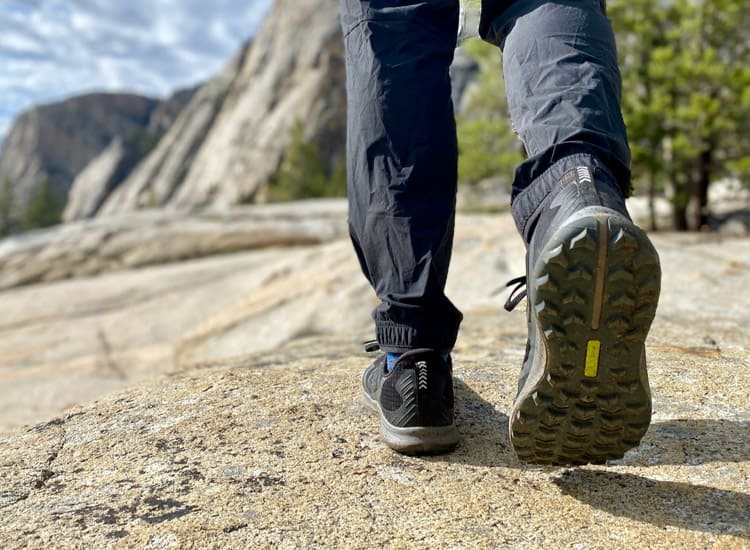
- Your feet need special attention during this challenging pilgrimage:
- Waterproof hiking boots with ankle support (broken in before the trip)
- Lightweight camp shoes/sandals for rest periods
- Indoor slippers for guest houses
- Sneakers/comfortable walking shoes for temple visits
- Extra shoelaces
- Crampons or spikes (if traveling during potential snow conditions)
4 – Trekking Equipment
The right gear will make your trekking experience safer and more comfortable:- Backpack: 1 small daypack (20-30 liters) for daily essentials during treks
- Duffel Bag: 1 durable, water-resistant duffel (60-90 liters) for your main luggage
- Trekking Poles: 1 pair of adjustable trekking poles to reduce strain on your knees
- Headlamp: 1 reliable headlamp with extra batteries
- Water Bottles: 2 one-liter water bottles or a hydration bladder system
- Dry Bags: 2-3 waterproof dry bags of various sizes to protect electronics and important documents
- Sleeping Bag: 1 four-season sleeping bag rated for temperatures of at least -10°C (14°F)
- Sleeping Bag Liner: 1 silk or thermal liner for added warmth and hygiene
- Microfiber Towel: 1-2 quick-drying towels of different sizes
5 – Medical Kit and Altitude Sickness Prevention
A well-stocked medical kit is crucial for this high-altitude journey: Essential Medications- Altitude Sickness Prevention: Acetazolamide (Diamox) as prescribed by your doctor
- Pain Relief: Paracetamol/Acetaminophen, Ibuprofen, and Aspirin
- Cold and Flu: Antihistamines, decongestants, and throat lozenges
- Stomach Issues: Anti-diarrheal medication, digestive aids, and rehydration salts
- Antibiotics: Broad-spectrum antibiotics (prescribed by your doctor)
- Bandages: Assorted sizes of adhesive bandages and sterile gauze pads
- Athletic Tape: For blisters and minor sprains
- Antiseptic Wipes: For cleaning wounds
- Antibiotic Ointment: For minor cuts and scrapes
- Blister Treatment: Moleskine, Compeed, or similar blister pads
- Medical Tape: For securing bandages
- Tweezers and Scissors: For removing splinters and cutting tape
- Pulse Oximeter: To monitor oxygen saturation levels
- Portable Oxygen Canister: Small emergency oxygen supply
- Digital Thermometer: To monitor body temperature
- Prescription Medications: Bring twice the amount you think you’ll need
- Prescription Glasses/Contacts: Bring spares and solutions
- Sunscreen: SPF 50+ for high-altitude sun protection
- Lip Balm: With SPF protection
- Hand Sanitizer: Travel-sized bottles for frequent use
- Insect Repellent: Though insects are rare at high altitudes, it’s useful for lower elevations
Read the Complete Guide to Medical Requirements for the Kailash Mansarovar Yatra
6 – Personal Hygiene and Toiletries
- Maintaining hygiene in limited facilities environments:
- Biodegradable wet wipes (for “shower-free” days)
- Quick-dry towel (medium size)
- Toilet paper (2-3 rolls in waterproof bags)
- Hand sanitizer (multiple small bottles)
- Toothbrush with cover and toothpaste
- Deodorant
- Lip balm with SPF
- Moisturizer for face and body (extremely important in dry air)
- Sunscreen (SPF 50+, water-resistant)
- Feminine hygiene products
- Shaving kit (if needed)
- Nail clippers
- Small mirror
- Biodegradable soap/shampoo
- Dry shampoo
7 – Electronics and Communication
Balance functionality with weight considerations:- Smartphone: With offline maps and medical reference apps installed
- Power Bank: High-capacity for multiple device charges
- Camera: Optional, but many pilgrims want to document their journey
- Extra Memory Cards and Batteries: For your camera
- Universal Travel Adapter: For charging in Nepal and Tibet
- Headphones: For personal time and rest days
- Emergency Contact Information: Laminated card with significant phone numbers
8 – Religious and Spiritual Items
For this sacred pilgrimage, you may want to bring:- Prayer Items: Beads, prayer wheel, or other religious items according to your faith
- Offerings: Small, lightweight items to leave at holy sites
- Holy Texts: Travel-sized editions of relevant texts
- Puja Materials: Small amounts of basic puja materials (often available locally as well)
9. Bags and Packing Organization
Proper luggage selection makes a significant difference:- Waterproof duffel bag (70-90 liters for main luggage)
- Daypack (30-40 liters) for daily essentials
- Waist pouch or money belt for valuables
- Compression sacks for clothes
- Plastic zip-lock bags in various sizes
- Cloth bags for dirty laundry
10. Food and Nutrition Supplements
Maintain energy levels at high altitudes:- Energy bars and protein bars
- Trail mix and dried fruits
- Chocolate and hard candies
- Instant soups and noodles
- Tea bags and instant coffee
- Electrolyte powders or tablets
- Vitamin C supplements
- Ginger candies for nausea
- Favorite snacks from home (comfort food)
- Stainless steel thermos
11. Eco-Friendly Considerations
Practice responsible pilgrimage:- Reusable shopping bag
- Silicone travel containers for toiletries
- Menstrual cup instead of disposable products
- Biodegradable soap and shampoo
- Waste collection bag (pack out what you pack in)
12. Specialized Items for Kora (Parikrama)
The circumambulation of Mount Kailash requires special consideration:- Energy foods specifically for Kora day
- Extra water bottles
- Blister prevention supplies
- Prayer items to be carried during Kora
- Small backpack dedicated to Kora items
- Extra warm clothing layers
13. Miscellaneous Essentials
- These items don’t fit neatly into categories but can be extremely useful:
- Sunglasses: High-quality UV protection for snow glare
- Water Purification: Tablets or portable filter
- Multi-tool or Pocket Knife: For various uses (pack in checked luggage)
- Sewing Kit: Basic kit for emergency repairs
- Zip-lock Bags: Various sizes for organization and waterproofing
- Laundry Soap: Small amount for washing clothes
- Clothesline and Clips: Lightweight for drying clothes
- Notebook and Pen: For journaling your spiritual journey
- Reading Material: Book or e-reader for downtime
- Playing Cards: For socializing and downtime
- Earplugs and Eye Mask: For better sleep
- Carabiners: For attaching items to your backpack
- Whistle: For emergencies
- Duct Tape: Small roll wrapped around a pencil
- Garbage Bags: For dirty laundry and waterproofing
Book our 13 Nights 14 Days Kailash Mansarovar Yatra by Road Package.
Special Considerations for Different Routes
For Helicopter Route (via Nepalgunj-Simikot-Hilsa)
- Weight Restrictions: Limit baggage to 10-15 kg per person
- Prioritize: Essential clothing, medications, and documents
- Consider: Renting equipment in Kathmandu to save weight
For the Overland Route (via Kyirong Border)
- More Clothing Options: You can bring more layers and comfort items
- Entertainment: Longer drives mean books, music, etc., are valuable
- Vehicle Comfort: Cushion or inflatable pillow for long drives
For the Lhasa Route
City Clothes: One set of casual but presentable clothes for Lhasa sightseeing Cultural Sensitivity: Modest clothing for monastery visits Camera Equipment: More extensive photography gear if desiredWhat NOT to Bring
Some items are either prohibited, unnecessary, or potentially problematic:- Political Materials: Any materials related to Tibetan independence or the Dalai Lama
- Religious Propaganda: Materials intended for distribution or conversion
- Sleeping Pills: Avoid these as they can be dangerous at high altitudes
- Raw Meat or Dairy: Prohibited for import
- Expensive Jewelry: Unnecessary and risky
- Heavy Books: Consider e-readers instead
- Alcohol: Not appropriate for a spiritual pilgrimage
- Tobacco: Discouraged due to health implications at high altitude
Packing Strategies and Tips for a Smooth Mansarovar Yatra
Organize by Access Needs
- Immediate access items: Keep in daypack (medications, water, snacks, camera)
- Daily access items: Pack at the top of your duffel
- Occasional access items: Pack in the middle
- Rarely needed items: Pack at the bottom
Weight Management
- Keep your daypack under 5 kg (11 lbs)
- Main duffel should not exceed 15 kg (33 lbs)
- Use packing cubes to compress clothing
- Wear your heaviest items during travel
Weather Adaptation
- For summer yatra: Reduce some heavy layers, but still bring cold-weather gear
- For the monsoon period: Add extra waterproofing and quick-dry options
- For colder months: Increase thermal layers and add hand warmers
- Check all items against this list
- Test all equipment, especially electronics
- Break in hiking boots if new
- Start taking altitude medication if prescribed
- Confirm all documentation is in order
- Check weather forecasts for your travel dates
- Notify banks of travel plans
- Arrange travel insurance
Grab the best deals on Kailash Mansarovar yatra packages with Indian Holiday today!