Due to the extreme altitude, harsh terrain, and remote location, the journey requires thorough medical preparation. The following comprehensive guide outlines the Kailash Mansarovar medical requirements and fitness considerations for pilgrims planning to make the Yatra in 2026.
Essential Medical Requirements for Kailash Mansarovar Yatra
According to the Ministry of External Affairs guidelines, pilgrims must meet specific medical criteria to be eligible for the Kailash Mansarovar Yatra:Age and BMI Requirements
- Age Requirement: 18-70 years (as of January 1st of the travel year)
- BMI Requirement: 27 or less
- Physical Fitness: Must be physically fit and medically healthy
Health Conditions That May Disqualify Participants
Individuals with the following conditions are generally advised against undertaking the yatra due to increased health risks at high altitudes:- High blood pressure/hypertension
- Diabetes
- Asthma or other chronic respiratory disorders
- Heart disease or a history of cardiac issues
- Epilepsy or seizure disorders
- Recent surgeries (within the last 6 months)
- Severe obesity
- Pregnancy
Mandatory Medical Examinations
Official Testing Centers
For government-organized yatras, all selected applicants must undergo and qualify in comprehensive medical examinations conducted by:- Delhi Heart and Lung Institute (DHLI)
- Indo-Tibetan Border Police (ITBP) Base Hospital in New Delhi
Required Medical Tests
The following tests are typically included in the pre-yatra medical examination:- Blood Tests:
- Complete Blood Count (CBC)
- Blood Sugar (fasting and post-prandial)
- Lipid profile
- Liver and kidney function tests
- Cardiovascular Assessment:
- ECG (electrocardiogram)
- Blood Pressure monitoring
- Stress test (for individuals over 50 or with risk factors)
- Respiratory Function:
- Lung capacity tests
- Oxygen saturation levels
- Spirometry tests
- Other Assessments:
- BMI calculation
- General physical fitness evaluation
- Vision and hearing tests
Additional Testing During the Journey
Medical assessments don’t end with pre-departure examinations. During the journey, additional medical tests are conducted by ITBP at checkpoint locations such as:- Gunji (for travelers going through Lipulekh Pass)
- Sherathang (for pilgrims traveling via Nathu La Pass)
How to Manage Altitude Sickness during Kailash Mansarovar Yatra?
 Altitude sickness, or Acute Mountain Sickness (AMS), occurs when you ascend to high altitudes too quickly without proper acclimatization. The Kailash Mansarovar Yatra reaches elevations up to 19,500 feet, placing all participants at risk of developing altitude-related illnesses.
Types and Symptoms of Altitude Sickness
Mild to Moderate (AMS):
- Persistent headache that worsens at night
- Nausea and sometimes vomiting
- Dizziness and fatigue
- Loss of appetite
- Sleep disturbance
- Shortness of breath with exertion
Severe Forms:
High Altitude Pulmonary Edema (HAPE):- Severe shortness of breath, even at rest
- Persistent cough, sometimes with pink frothy sputum
- Chest tightness or congestion
- Extreme fatigue and weakness
- Bluish discoloration of lips and fingernails
- Severe headache resistant to medication
- Confusion and disorientation
- Unsteady walk (ataxia)
- Irritability and irrational behavior
- Extreme lethargy progressing to coma
Prevention Strategies for Altitude Sickness
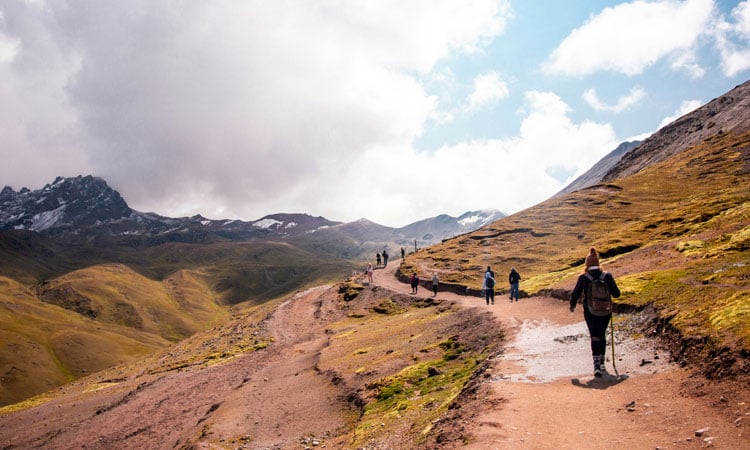
- Gradual Ascent: The single most important prevention strategy is a slow, gradual ascent. Climb no more than 300-500 meters per day once above 3,000 meters altitude.
- Proper Acclimatization: Include rest days at intermediate altitudes. Follow the “climb high, sleep low” principle—where you take day hikes to higher elevations but return to lower elevations for sleeping.
- Hydration: Drink 3-4 liters of water daily to prevent dehydration, which can worsen altitude sickness.
- Avoid Alcohol and Sedatives: These substances can suppress breathing and worsen symptoms.
- Light Diet: Consume easily digestible, high-carbohydrate foods and avoid heavy, fatty meals.
- Preventive Medication: Consider using Acetazolamide (Diamox) under medical supervision:
- Typical preventive dosage: 125-250mg twice daily
- Start 24 hours before ascent to an altitude over 3,000 meters
- Continue for two days at your highest altitude
- Monitor Your Body: Pay attention to symptoms and be honest about your condition with guides and fellow pilgrims.
Treatment of Altitude Sickness
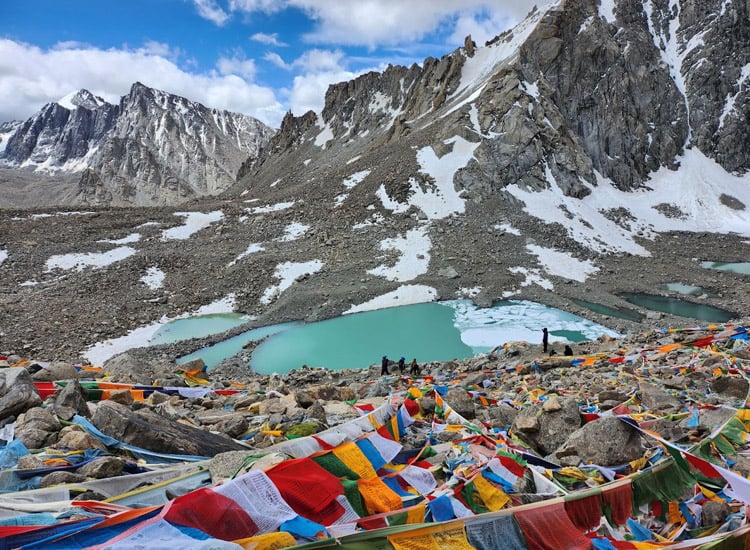 If symptoms develop despite prevention efforts:
- Stop Ascending: Do not go higher until symptoms improve.
- Descend if Symptoms Worsen: Descent is the most effective treatment for severe altitude sickness. Even a descent of 500-1,000 meters can significantly improve symptoms.
- Oxygen Supplementation: For moderate symptoms, supplemental oxygen can provide relief.
- Medications:
- Acetazolamide (Diamox) can help treat mild AMS
- Dexamethasone for severe symptoms (prescription required)
- Pain relievers for headache
- Portable Hyperbaric Chamber: In some cases, a portable pressure bag (Gamow Bag) may be used to simulate descent for emergency treatment.
Physical Fitness Preparation Timeline
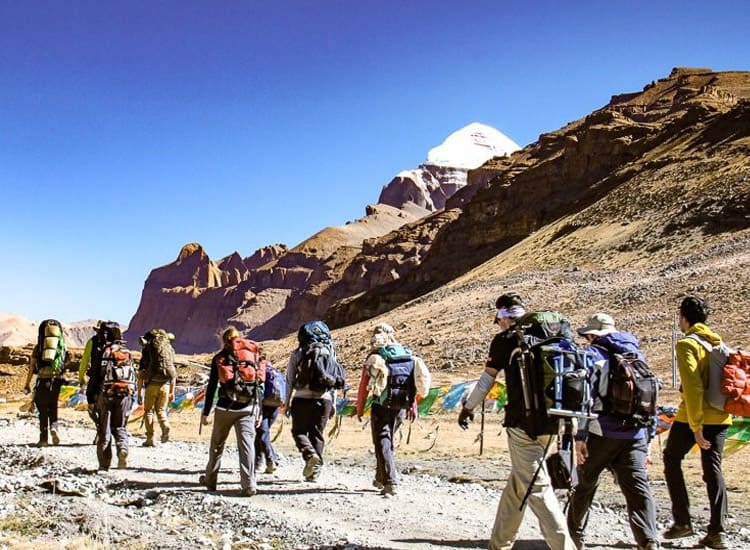 In order to handle the demanding conditions of the Kailash Mansarovar Yatra, it is crucial to prepare physically. Using the timeline, you can develop the stamina and strength you need.
6 Months Before Departure:
Cardiovascular Training:- Begin daily 30-minute brisk walking
- Gradually include jogging or cycling 2-3 times weekly
- Aim for 150 minutes of moderate exercise weekly
- Basic strength exercises 2-3 times weekly
- Focus on legs, core, and back muscles
- Include squats, lunges, and step-ups
- Start basic breathing exercises
- Learn simple pranayama techniques
- Consider consulting with a yoga instructor
- Schedule a comprehensive medical check-up
- Discuss your travel plans with your physician
- Address any existing health concerns
3-4 Months Before Departure:
Intensify Cardiovascular Training:- Increase walking duration to 60 minutes daily
- Add incline walking or stair climbing 3 times weekly
- Begin practice hikes with a loaded backpack (5-7 kg)
- Increase the intensity of strength exercises
- Add resistance training
- Continue to focus on leg and core strength
- Practice advanced pranayama techniques
- Increase duration and complexity
- Train in different environmental conditions
- Consider hiking at higher elevations if accessible
- Try training with reduced oxygen (hypoxic training) if available
1-2 Months Before Departure:
Peak Conditioning:- Practice hikes of 5-10 km on varied terrain
- Carry a backpack matching your expected Yatra load
- Include uphill and downhill training
- Daily pranayama breathing exercises
- Focus on Anulom Vilom and Kapalbhati
- Practice deep breathing during exercise
- Learn meditation techniques for stress management
- Practice visualization of successfully completing the journey
- Study the route and prepare mentally for challenges
- Complete required medical tests
- Discuss altitude medications with your doctor
- Get necessary vaccinations and medications
Essential Physical Training Elements:
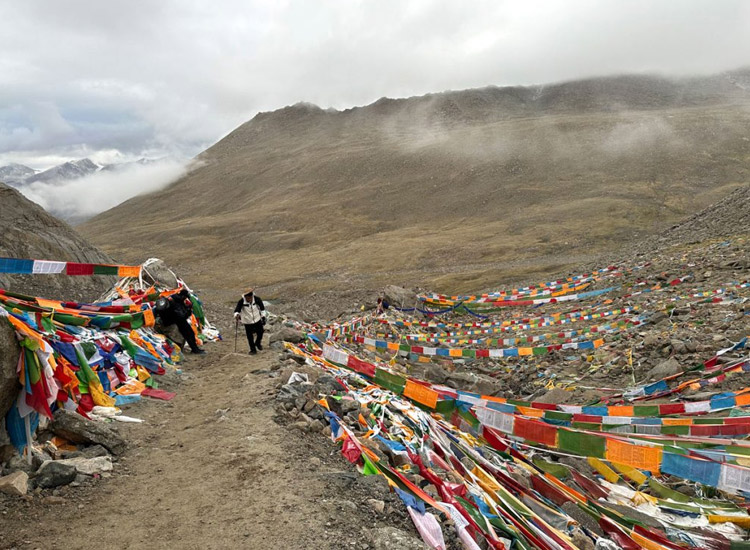
- Cardiovascular Endurance: The foundation of your preparation, helping your body use oxygen efficiently.
- Recommended activities: Walking, jogging, cycling, swimming
- Target: Building up to 2-3 hours of continuous activity
- Strength Training: Focuses on the muscles needed for the trek.
- Key exercises: Squats, lunges, step-ups, core exercises
- Target: Ability to carry a 10-kg backpack over uneven terrain for 5-6 hours
- Flexibility: Helps prevent injuries and aids recovery.
- Incorporate yoga or stretching routines.
- Focus on hips, knees, ankles, and lower back
- Balance and Stability: Important for navigating uneven and sometimes slippery terrain.
- Practice exercises on unstable surfaces
- Single-leg exercises and balance training
- Respiratory Training: Improves oxygen utilization at high altitudes.
- Pranayama techniques: Anulom Vilom, Kapalbhati, and deep breathing
- Target: Increased lung capacity and efficient breathing patterns
Essential Medical Kit and Supplies for Kailash Mansarovar Yatra
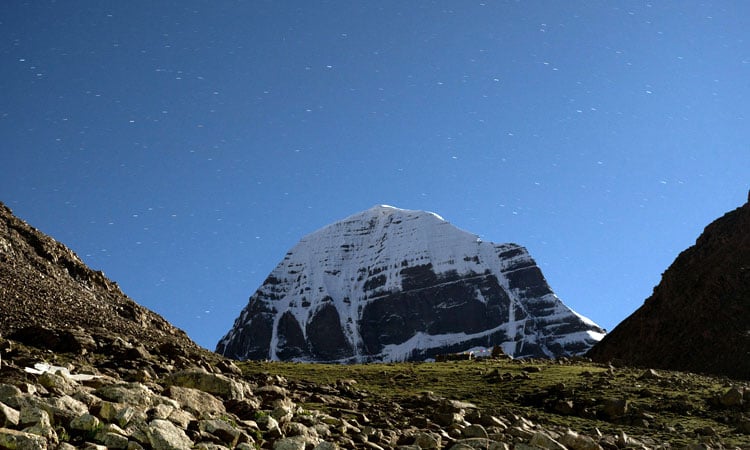 A well-prepared medical kit is crucial for addressing health issues during the yatra. Here’s a comprehensive list of what to include:
Personal Medications:
- Personal prescribed medications (bring twice the amount needed)
- Written prescriptions with generic names
- Doctor’s note for any unusual medications or medical devices
Altitude-Related Medications:
- Acetazolamide (Diamox) for prevention/treatment of AMS (prescription required)
- Dexamethasone for severe altitude sickness (prescription required)
- Nifedipine for high altitude pulmonary edema (prescription required)
Basic Medications:
- Pain relievers/fever reducers (acetaminophen/paracetamol, ibuprofen)
- Anti-diarrheal medication (loperamide)
- Antiemetics for nausea (ondansetron if prescribed)
- Broad-spectrum antibiotics (prescription required)
- Antihistamines for allergic reactions
- Throat lozenges
- Cough suppressant
- Sleep aid for temporary use
First Aid Supplies:
- Adhesive bandages of various sizes
- Gauze pads and rolls
- Medical tape
- Antiseptic wipes
- Antibiotic ointment
- Tweezers and scissors
- Thermometer
- Blister treatment supplies (moleskin, blister bandages)
- Elastic bandages for sprains
High-Altitude Specific Items:
- Portable oxygen canister (can be purchased in Tibet)
- Pulse oximeter for monitoring oxygen levels
- Emergency space blanket
- Chemical heat packs
Skin Protection:
- Sunscreen (SPF 50+)
- Lip balm with sunscreen
- Moisturizing lotion (altitude and cold cause skin dryness)
- Petroleum jelly (for chafing)
Hygiene Supplies:
- Hand sanitizer
- Disinfectant wipes
- Biodegradable soap
- Toilet paper
- Menstrual products if needed
Other Essential Health Items:
- Rehydration salts or electrolyte tablets
- Multivitamins
- Insect repellent
- Face mask for dust protection
- Water purification tablets or a portable filter
Documentation:
- Medical insurance information
- Emergency contact information
- Blood type card
- List of allergies and medical conditions
- Vaccination record
Emergency Medical Procedures During the Yatra
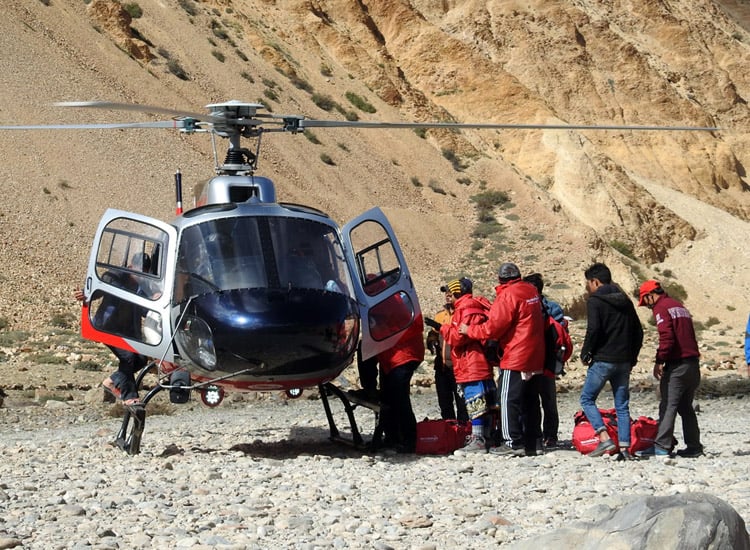 Despite careful preparation, medical emergencies can occur at high altitudes. Being prepared with knowledge of emergency procedures can be lifesaving.
Recognizing Medical Emergencies:
Be alert for these warning signs that require immediate attention:- Severe headache unrelieved by rest or pain medication
- Difficulty breathing, especially at rest
- Confusion, disorientation, or altered mental status
- Inability to walk straight (ataxia)
- Persistent vomiting
- Decreased consciousness
- Coughing up pink, frothy sputum
- Severe chest pain
- Paralysis or severe weakness
- Seizures
Emergency Response Protocol:
- Initial Assessment:
- Stop all physical activity.
- Find shelter from environmental elements
- Assess airway, breathing, and circulation
- Check the level of consciousness and orientation
- Immediate Actions:
- Inform your guide immediately.
- Position the person for optimal breathing (typically semi-upright)
- Begin supplemental oxygen if available
- Keep the person warm and calm
- Prepare for a possible descent
- Communication:
- Use a satellite phone or radio to contact emergency services
- Provide clear information about the location and condition
- Follow instructions from medical professionals
- Evacuation Decisions:
- For HAPE, HACE, or other severe conditions, immediate descent is critical
- Determine the fastest evacuation route (foot, animal, vehicle, helicopter)
- Consider weather conditions and time of day
Route-Specific Emergency Resources:
Lipulekh Pass Route:
- Maximum Altitude: 5,029 meters (16,500 feet)
- Critical Acclimatization Points:
- Dharchula (915m): Initial acclimatization
- Gunji (3,500m): Medical checkpoints and extended rest period required
- Medical Facilities: ITBP medical posts at Gunji and Nabhi Dang
- Unique Challenges:
- Steeper ascents requiring greater cardiovascular fitness
- Extended trekking portions
- River crossings and potential hazards
- Recommended Additional Preparation:
- Focused training on steep inclines
- Enhanced leg strength conditioning
- Practice with trekking poles
Nathu La Pass Route:
- Maximum Altitude: 4,310 meters (14,140 feet)
- Critical Acclimatization Points:
- Gangtok (1,650m): Initial acclimatization
- Sherathang (3,930m): Medical checkpoint and extended rest day required
- Medical Facilities: Medical checkpoint at Sherathang, basic facilities at Nathu La
- Unique Challenges:
- Longer driving routes
- Extreme temperature variations
- Potential for motion sickness on winding mountain roads
- Recommended Additional Preparation:
- Conditioning for long periods of sitting in vehicles
- Motion sickness prevention strategies
- Cold-weather endurance training
Helicopter Route (from Lucknow or Kathmandu):
- Rapid Altitude Change Risks: Higher chance of altitude sickness due to rapid ascent
- Additional Preparation Required:
- Pre-acclimatization exercises strongly recommended
- Prophylactic medication often advised (consult physician)
- Medical Facilities:
- Limited medical facilities at Nepalgunj; full facilities at Simikot
- Unique Challenges:
- Less time for natural acclimatization
- Increased importance of pre-trip fitness
- Greater reliance on medication for altitude adaptation
- Recommended Additional Preparation:
- More rigorous pre-trip cardio conditioning
- Start Diamox earlier (as advised by the physician)
- Practice breathing exercises more intensively
Inner Kora (Parikrama) Additional Considerations:
The Inner Kora is the most challenging part of the yatra, taking pilgrims to the highest elevations, including Dolma La Pass at 5,630 meters (18,470 feet).- Medical Requirements:
- Successful completion of earlier medical assessments
- Oxygen saturation above 85% at rest
- No signs of altitude illness
- Adequate physical stamina demonstrated during earlier stages
- Age Restrictions:
- Travelers above 60 years are generally advised against the Inner Kora
- Additional Equipment:
- Portable oxygen recommended
- Extended medical supplies
- Additional high-energy food
Important Notes on Medical Evacuation:
- Standard travel insurance often does not cover high-altitude evacuations above 4,500 meters
- Specialized mountaineering insurance is recommended
- Evacuation costs can exceed $10,000 for helicopter services
- Weather conditions can delay evacuations in remote areas
- Some areas of the yatra route have limited or no cell phone coverage
Expert Advice and Personal Experiences
Medical Expert Insights:
Dr. Sharma, a high-altitude medicine specialist with experience treating yatris, offers this advice: “Altitude illness is entirely preventable with proper acclimatization and preparation. The single most important factor is a slow, gradual ascent once above 3,000 meters. Even the physically fittest individuals can develop altitude sickness if they ascend too quickly. Pay attention to your body’s signals and never ignore early symptoms of altitude illness. Remember that continuing to ascend with symptoms can be life-threatening.”Pilgrim Experiences:
Overcoming Altitude Challenges
“Despite being physically fit and a regular marathon runner, I experienced altitude sickness at Darchen (4,575m). Following the guide’s advice to rest, hydrate, and take prescribed medication helped me recover within 24 hours and successfully complete the parikrama.” – Rajesh M., Delhi, 2023 YatriPreparation Makes a Difference
“Starting a 6-month fitness program made all the difference. At 65 years old, I was concerned about my stamina, but daily walking and breathing exercises prepared me well. I monitored my oxygen levels throughout the journey and maintained levels above 85% even at the highest points.” – Lakshmi P., Bangalore, 2024 YatriThe Importance of Medical Insurance
“My travel companion developed HAPE symptoms near Dirapuk and required emergency evacuation. Having comprehensive high-altitude medical insurance saved his life and covered the $8,000 evacuation costs. Never compromise on proper insurance coverage.” – Amit S., Mumbai, 2022 YatriPost-Yatra Recovery Recommendations
The journey doesn’t end when you return home. Consider these recovery practices:- Gradual Return to Normal Activities: Allow your body 1-2 weeks to readjust to lower altitudes.
- Hydration Continuation: Maintain high fluid intake for several days after returning.
- Post-Yatra Medical Check-up: Schedule a follow-up examination, particularly if you experienced any health issues during the journey.
- Rest Period: Plan for adequate rest after the yatra before returning to regular work or strenuous activities.
Conclusion
The Kailash Mansarovar Yatra offers an unparalleled spiritual experience, but it comes with significant physical challenges. Thorough medical preparation is not just a requirement—it’s essential for your safety and the success of your Kailash Mansarovar Yatra. Understanding these medical requirements will increase your chances of completing this sacred pilgrimage safely and meaningfully. Remember that the spiritual rewards of this journey are magnified when undertaken with proper preparation and respect for your physical limitations.Checkout Kailash Mansarovar Yatra Packages
Frequently Asked Medical Questions
Q: Can I participate in Kailash Mansarovar Yatra with high blood pressure?
A: Generally, controlled high blood pressure with medication is not an absolute contraindication, but you must:- Have well-controlled BP for at least 6 months before the yatra
- Get specific clearance from a cardiologist
- Monitor your BP regularly during the journey
- Be aware that high altitude can affect BP medication effectiveness