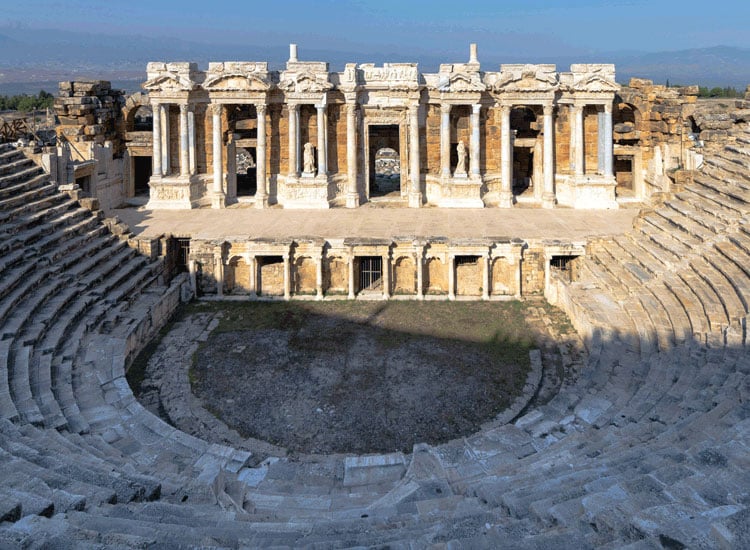
Turkey is a country where civilisations meet — where Greek, Roman, Ottoman, and Byzantine legacies coexist in living harmony. It’s no surprise that Turkey has 21 UNESCO World Heritage Sites, each telling a unique story.
From fairy-tale landscapes to ancient ruins and sacred architecture, these sites offer some of the best cultural experiences you can have on your trip.
Top UNESCO World Heritage Sites in Turkey
1. Göreme National Park & Rock Sites of Cappadocia
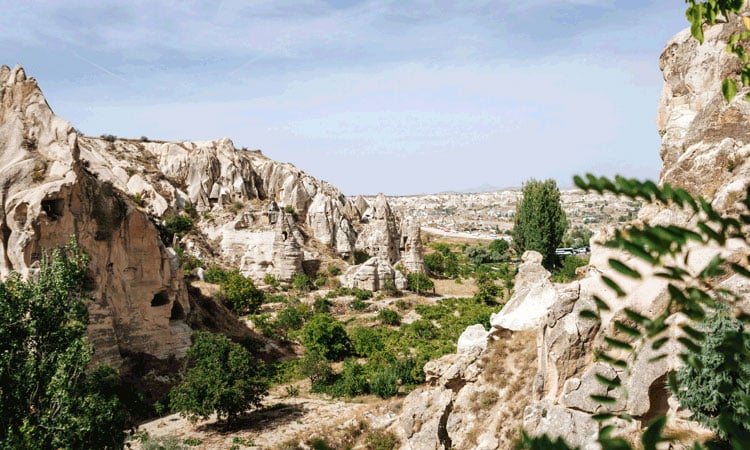
Location: Central Anatolia (Nevşehir Province)
Why Visit: A UNESCO World Heritage Site, this surreal region is famous for its fairy chimneys, volcanic rock formations, and cave-carved architecture that served as homes, churches, and hideouts for early Christians.
Cappadocia’s soft tufa rock was shaped over centuries by erosion and human ingenuity, forming entire underground cities and monasteries carved directly into stone. It’s one of the few places on Earth where geological wonder meets living history.
Must-See:
Göreme Open-Air Museum – rock-cut frescoed churches like Tokalı and Elmalı
Love Valley and Devrent Valley – known for phallic-shaped and animal-like rock formations
Hot-air balloon ride at sunrise – offering panoramic views over Göreme, Pasabag, and Uçhisar
Local Tip: Book a sunrise balloon ride with IndianHoliday packages for priority boarding and panoramic viewing spots.
Combine culture and adventure with this 8-Day Istanbul Cappadocia Tour.
2. Hierapolis–Pamukkale
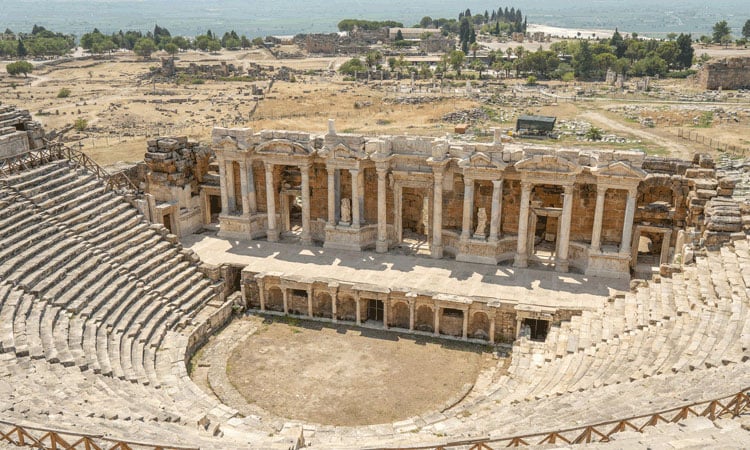
Location: Denizli Province
Why Visit: This stunning UNESCO site combines natural hot springs with Greco-Roman architecture. The white travertine terraces of Pamukkale (‘cotton castle’) are created by mineral-rich water that flows down the cliffs, forming shallow, turquoise-hued pools.
Perched just above is Hierapolis, an ancient Roman spa city with a sacred past — believed to be founded by the kings of Pergamon.
Also featured in our Family Holidays in Turkey guide.
3. Ephesus
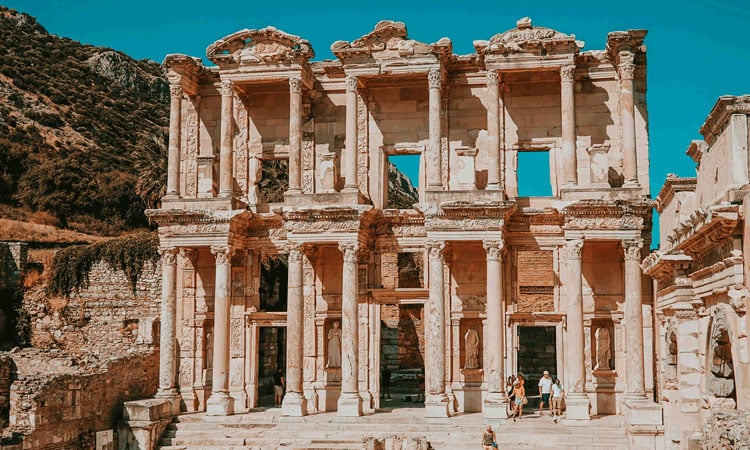
Location: Near Selçuk, Izmir Province
Why Visit: Once the second-largest city in the Roman Empire, Ephesus is a vast archaeological site featuring temples, baths, theaters, and mansions. It’s also the site of the Temple of Artemis, one of the original Seven Wonders of the Ancient World.
Must-See:
Library of Celsus – intricately reconstructed façade and historic heart of Ephesus
Great Theatre – seated over 25,000 people; now used for festivals
Terrace Houses – elite Roman villas with mosaics and underfloor heating
Local Tip: Pair your visit with Şirince village, known for fruit wines and cobbled streets.
Covered in our Wine Tourism in Turkey blog.
4. Historic Areas of Istanbul
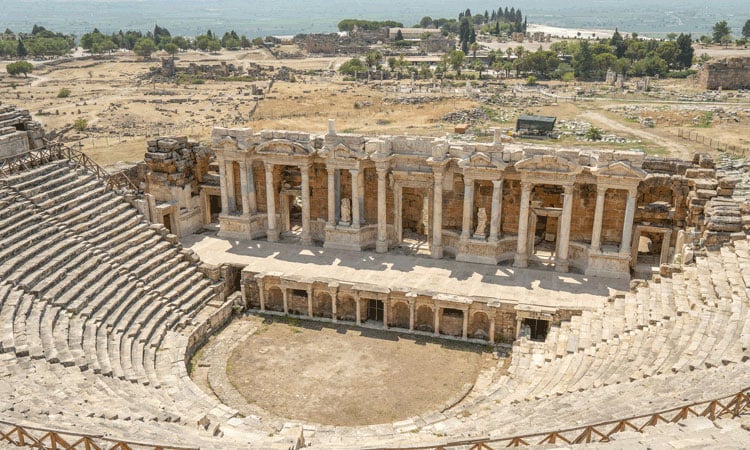
Location: Istanbul (Sultanahmet district)
Why Visit: Few cities bridge continents and cultures like Istanbul. This area features some of the world’s most iconic religious and imperial monuments, from the Byzantine to the Ottoman era.
Top Sites:
Hagia Sophia – originally a church, then mosque, then museum, and now a mosque again
Blue Mosque – renowned for its six minarets and interior İznik tiles
Topkapi Palace – residence of Ottoman sultans, with harem quarters and imperial treasures
Book a complete 6-Days Istanbul Tour Package covering all major attractions.
5. Mount Nemrut
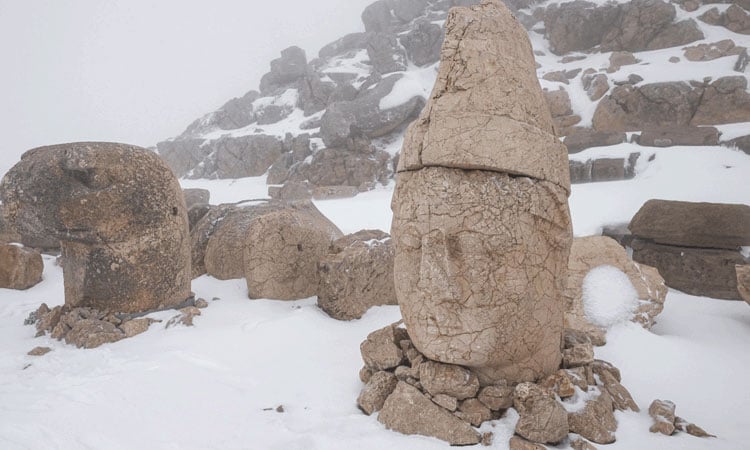
Location: Adıyaman Province, Southeastern Turkey
Why Visit: Mount Nemrut is a mountaintop tomb sanctuary built by King Antiochus I of Commagene in the 1st century BC. The site is famous for its colossal stone heads of gods and kings, arranged in dramatic poses facing sunrise and sunset.
What Makes It Special: The sunrise view over the Taurus Mountains and Euphrates River creates an eerie, almost sacred atmosphere. The heads represent deities like Zeus, Apollo, and Fortuna — part of the king’s attempt to immortalise himself.
Local Tip: Visit between May and October — roads are often closed in winter due to heavy snow.
Also included in our Best Road Trips in Turkey itinerary.
6. Troy Archaeological Site
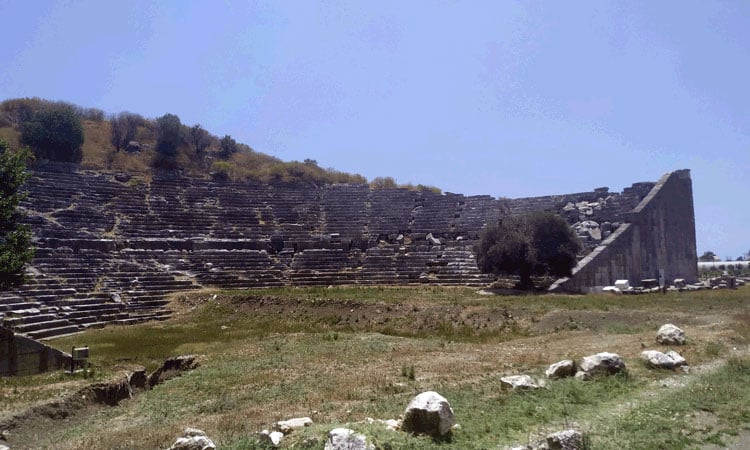
Location: Çanakkale Province, Northwestern Turkey
Why Visit: Troy, immortalized by Homer’s Iliad, is more than myth — it’s a multi-layered city with over 4,000 years of continuous settlement, including Bronze Age walls, Roman amphitheaters, and a life-sized Trojan Horse replica.
What to See:
Nine excavation levels showing layers of ancient civilisations
Schliemann’s Trench — one of the first major archaeological digs
On-site museum with artifacts from the Trojan War era
Also Read: Best Tourist Places in Turkey for a remarkable Holiday
7. Pergamon and Its Multi-Layered Cultural Landscape
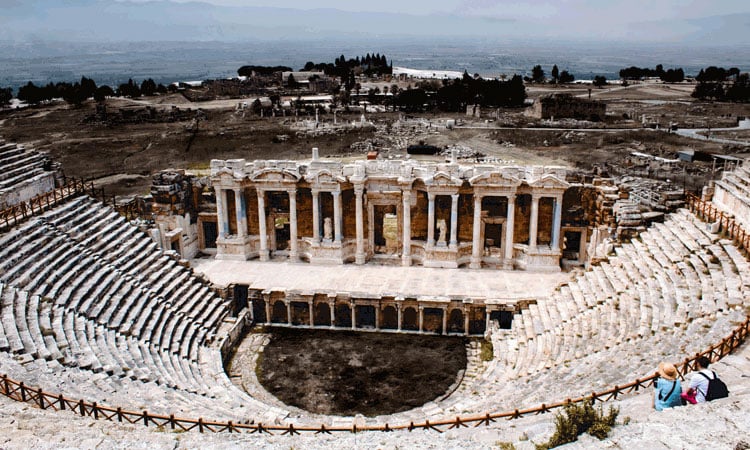
Location: Bergama, Izmir Province
Why Visit: Pergamon was a Hellenistic capital, known for its library (second only to Alexandria), innovative healing centre (Asclepion), and the steepest theater in the ancient world.
Must-See:
Acropolis of Pergamon – hilltop citadel with sweeping views
Red Basilica – an ancient Egyptian temple later converted to a Christian church
Asclepion – a therapeutic sanctuary that used music, water, and dreams for healing
Local Tip: Arrive early to avoid the strong afternoon winds atop the acropolis hill.
8. Aphrodisias
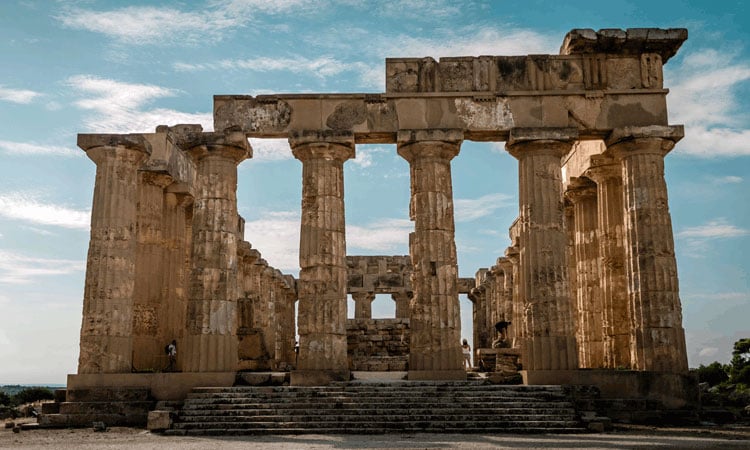
Location: Aydın Province
Why Visit: Dedicated to Aphrodite, the goddess of love, this well-preserved city includes a stadium, temples, and one of the best sculpture museums in Turkey.
Recommended in our Turkey Honeymoon Guide
9. Safranbolu City
Location: Karabük Province, Black Sea Region
Why Visit: A UNESCO-listed Ottoman-era town, Safranbolu is a living museum of 17th-century architecture, featuring timber-framed mansions, arched bazaars, and cobbled alleys.
What to Explore:
Cinci Han – historical caravanserai
Old Town Bazaar – traditional crafts, copperware, and textiles
Tarihi Safranbolu Evleri – iconic white-walled Ottoman houses
Planner Tip: Buy saffron, rose-scented soap, and handmade Turkish delight from local artisans.
Nearby forest parks and caves are listed in our Wildlife & National Parks in Turkey guide.
10. Ani Archaeological Site
Location: Kars Province, Eastern Turkey (near Armenian border)
Why Visit: Known as the “City of 1001 Churches,” Ani was a flourishing Silk Road city in the 10th century, with a unique blend of Armenian, Byzantine, and Seljuk architecture.
Local Tip: Visit at sunrise or sunset for atmospheric light and minimal footfall. Bring warm layers — Ani sits at high elevation and is windy even in summer.
Covered in our Offbeat Places to Visit in Turkey
Bonus: Cultural Landscapes of Bursa & Cumalıkızık
Location: Near Istanbul
Why Visit: Birthplace of the Ottoman Empire with charming heritage houses.
Best Time to Visit UNESCO Sites in Turkey
| Season | Best Regions | Experience Type |
|---|---|---|
| April–June | Cappadocia, Pamukkale, Ephesus | Ideal weather, spring bloom |
| July–Sept | Istanbul, Antalya, Troy | Long sightseeing hours |
| Oct–Nov | Cappadocia, Mount Nemrut | Mild climate, fewer tourists |
To learn more, visit our Best Time to Visit Turkey page.
Travel Tips for Indian Visitors
All sites accept Turkish Lira or card payments for entry.
Wear comfortable shoes — many sites involve walking.
Get a Museum Pass Turkey if visiting multiple destinations.
Combine 2–3 UNESCO sites in one region for efficient travel.
Plan Your Cultural Journey Across Turkey
Walk through ancient cities, touch thousand-year-old stones, and witness living history unfold across landscapes of unmatched beauty. With every site, you’ll discover a new chapter of Turkey’s timeless story. – Click here
FAQs
Q: How many UNESCO World Heritage Sites are there in Turkey?
Ans: There are 21 listed sites as of 2026, with several more on the tentative list.
Q: Which UNESCO site is a must-visit for first-timers?
Ans: Pamukkale and Cappadocia — both combine nature and history.
Q: Are these sites child-friendly?
Ans: Yes, most are open-air with wide paths; ideal for family trips.
Q: Can IndianHoliday organize guided tours to these sites?
Ans: Absolutely — we arrange licensed guides, private transfers, and curated itineraries for all major heritage regions.
Q: How long should I spend at each UNESCO site?
Ans: Half a day for smaller sites (Troy, Safranbolu); a full day for major ones (Cappadocia, Ephesus, Pamukkale).