
Who it’s for: Travellers who love meaningful keepsakes and authentic shopping
Best Shopping Time: March–November (pleasant weather and open bazaars)
Highlights: Handcrafted goods, sweets, textiles, spices, and local art pieces
What Makes Turkish Souvenirs Special?
If you’ve ever strolled through Istanbul’s Grand Bazaar or Cappadocia’s cave shops, you know Turkish souvenirs are more than just items—they’re stories. Every trinket carries centuries of artistry, from Ottoman calligraphy to Anatolian weaving. The joy is in the mix: the smell of roasted nuts, the sound of bargaining, and the glint of mosaic lamps under warm yellow lights.
Whether you’re wandering through Istanbul’s bazaars, Antalya’s coastal boutiques, or Cappadocia’s cave markets, these souvenirs blend heritage, craftsmanship, and personal meaning. And as every local planner will tell you, the best finds aren’t always the most expensive—they’re the ones with a story behind them.
1. Hand-Painted Ceramics & Iznik Pottery
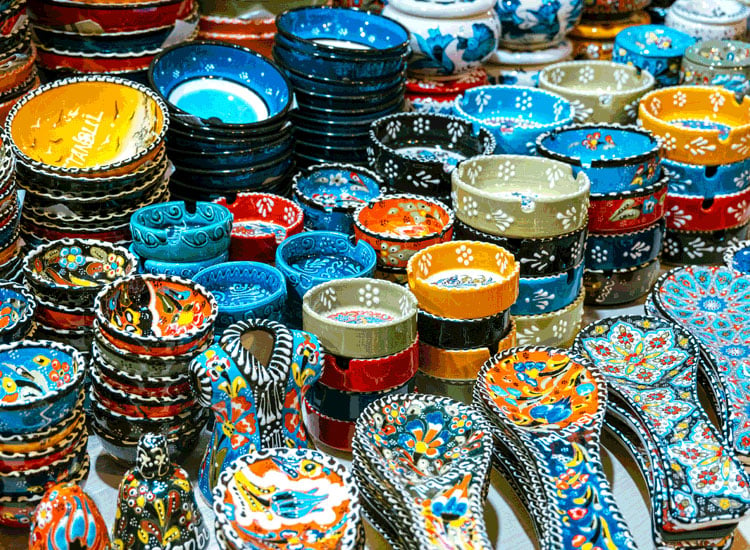
Price Range: ₹1,000 – ₹10,000 depending on size and detailing
The Iznik tiles you see in the Blue Mosque or Topkapi Palace are the same art form that now lives in bowls, plates, and vases. Crafted with deep cobalt blues, coral reds, and floral Ottoman motifs, these ceramics make for stunning souvenirs or home décor pieces.
2. Turkish Delight (Lokum) & Baklava
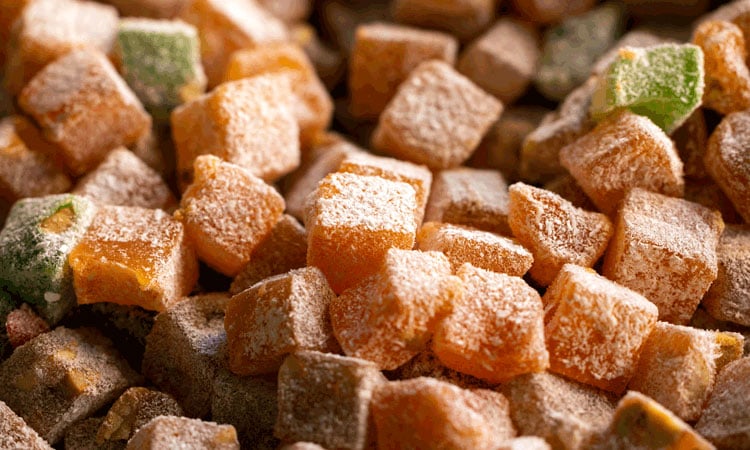
Price Range: ₹500 – ₹2,500 per box
Lokum is a melt-in-the-mouth candy made from sugar, rosewater, and nuts—once a royal treat in the Ottoman courts. Flavours like pistachio, pomegranate, and rose are the most authentic. For a richer bite, grab a box of baklava, the layered filo pastry dripping with honey and crushed nuts.
3. Evil Eye (Nazar Boncuğu) Charms
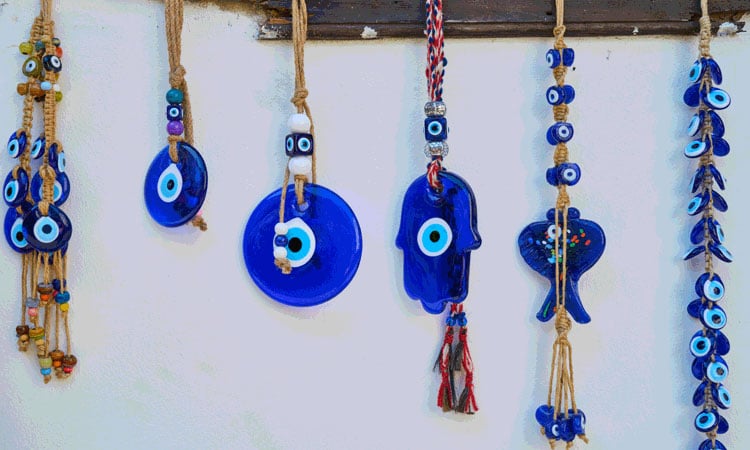
Price Range: ₹100 – ₹3,000 depending on size and design
This blue glass charm is one of Turkey’s most recognisable symbols. Believed to ward off bad energy, Nazar Boncuğu makes for a lightweight, meaningful gift. You’ll find it embedded in jewellery, keychains, wall hangings, or even door knockers.
4. Turkish Lamps & Lanterns
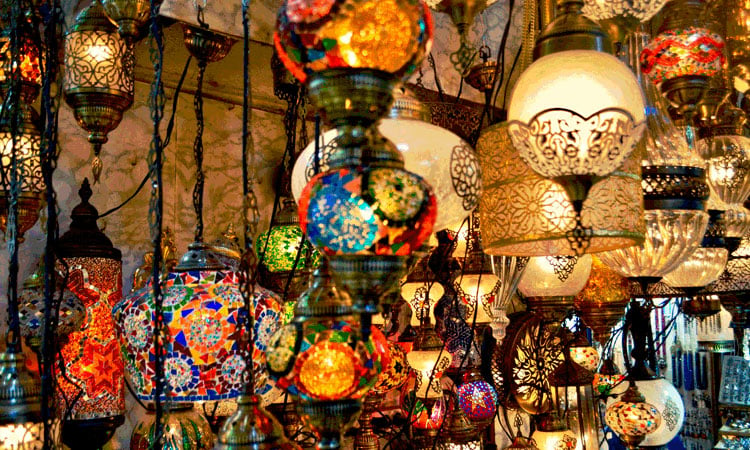
Price Range: ₹2,000 – ₹15,000
The colourful mosaic lamps you see glowing in every café are handcrafted from glass beads and brass. Each one is unique, creating a warm kaleidoscope of colours when lit.
5. Turkish Carpets & Kilims
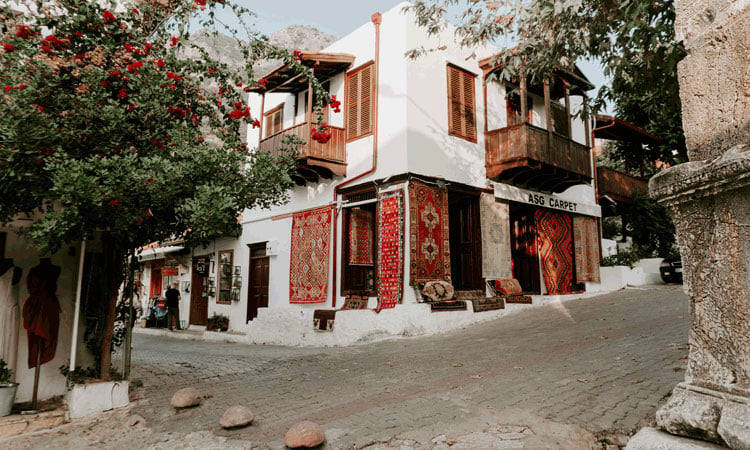
Price Range: ₹5,000 – ₹2,00,000+ depending on weave, material, and size
A Turkish carpet isn’t just décor—it’s an heirloom. Each kilim or carpet tells a story through patterns symbolising love, protection, or fertility. Cappadocia is famous for handwoven kilims, while Konya is known for its wool and silk blends.
6. Spices & Teas
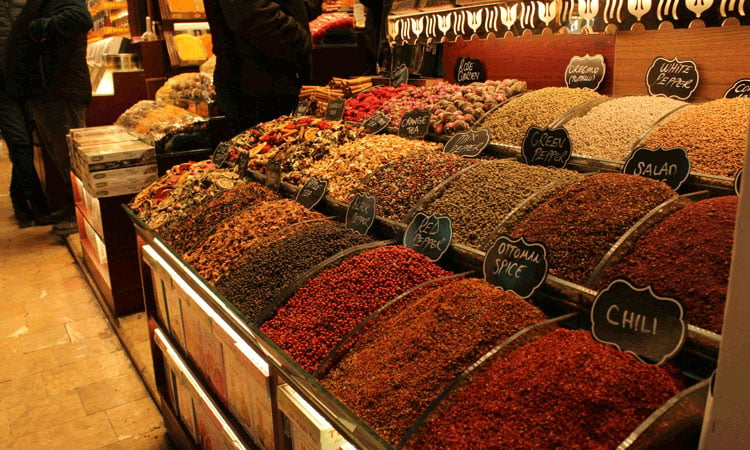
Price Range: ₹300 – ₹2,000
From vibrant red sumac and paprika to apple tea and Turkish black tea, Turkey’s spice stalls are a treat for the senses. Locals buy their spices fresh in small quantities to preserve aroma.
7. Turkish Coffee Sets & Copperware
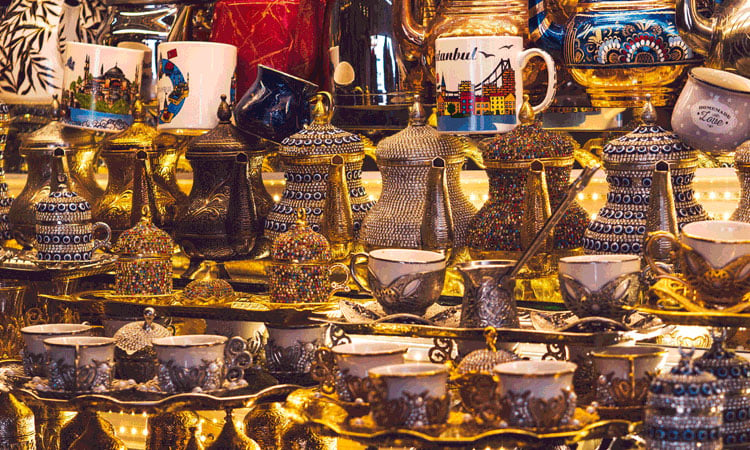
Price Range: ₹1,500 – ₹8,000
Coffee in Turkey isn’t just a drink—it’s a ritual. The fine powder is brewed in a cezve (long-handled copper pot) and served in miniature cups. Authentic Turkish coffee sets often come with filigree patterns, saucers, and ornate trays.
8. Leather Goods & Handmade Shoes
Price Range: ₹3,000 – ₹20,000
Turkey’s leatherwork rivals Italy’s in craftsmanship. From soft lambskin jackets to handmade sandals, you’ll find both luxury and traditional options. Cappadocia specialises in hand-stitched leather boots designed for walking its rocky valleys.
9. Turkish Textiles & Towels (Peshtemal)
Price Range: ₹1,000 – ₹5,000
The peshtemal—a lightweight, quick-drying Turkish towel—is one of the most practical souvenirs you can bring back. Originally used in Turkish baths, they’re now trendy as scarves, beach wraps, or travel towels.
10. Local Wines & Olive Oil Products
Price Range: ₹1,500 – ₹8,000
Few travellers know that Turkey has an emerging wine scene, especially in Thrace and the Aegean. Pair this with artisan olive oils, soaps, and cosmetics from Ayvalık or Bodrum, and you have a perfect premium gift pack.
Quick Souvenir Reference Table
| Item | Best Place to Buy | Ideal For | Approx. Price Range (INR) |
|---|---|---|---|
| Ceramics / Iznik Pottery | Istanbul, Avanos | Home décor, collectors | ₹1,000–₹10,000 |
| Turkish Delight & Baklava | Istanbul, Gaziantep | Food lovers, gifting | ₹500–₹2,500 |
| Evil Eye Charms | Nationwide | Lightweight gifts | ₹100–₹3,000 |
| Mosaic Lamps | Istanbul, Cappadocia | Home lighting | ₹2,000–₹15,000 |
| Carpets & Kilims | Cappadocia, Konya | Premium souvenirs | ₹5,000–₹2,00,000 |
| Spices & Teas | Spice Bazaar, Antalya | Culinary enthusiasts | ₹300–₹2,000 |
| Coffee Sets & Copperware | Istanbul, Gaziantep | Kitchen décor | ₹1,500–₹8,000 |
| Leather Goods | Izmir, Cappadocia | Fashion accessories | ₹3,000–₹20,000 |
| Towels (Peshtemal) | Denizli | Practical travel gifts | ₹1,000–₹5,000 |
| Wines & Olive Oils | Tekirdağ, Bozcaada | Gourmet gifting | ₹1,500–₹8,000 |
Common Shopping Mistakes Tourists Make
- Overpaying at First Shop: Always browse a few stalls before finalising. Bargaining is expected in bazaars.
- Ignoring Quality Marks: For carpets and ceramics, insist on authenticity certificates.
- Buying from Airport Shops: Prices can be double compared to local markets.
- Skipping Packaging: Delicate items like lamps or ceramics need bubble wrap or box sealing.
- Forgetting Customs Rules: Liquids and large food items must be checked in, not carried on.
Plan Your Shopping Holiday with IndianHoliday
From Istanbul’s glittering bazaars to Cappadocia’s cave boutiques, Turkey’s markets are a sensory adventure waiting to be explored.
Our experts at IndianHoliday.com can design custom itineraries that blend sightseeing with authentic shopping stops – ensuring you bring home more than memories.
Talk to our Turkey travel planners today and discover a shopping experience as vibrant as the country itself.
FAQs
Q: What are the best souvenirs to buy in Turkey?
Ans: Turkish delight, carpets, evil-eye charms, lamps, ceramics, and spices are top picks for authenticity and variety.
Q: Is bargaining acceptable in Turkey?
Ans: Yes, especially in bazaars and open markets. Start with half the quoted price and negotiate politely.
Q: Can I bring Turkish sweets or oils back to India?
Ans: Vacuum-sealed sweets and packed olive oils are allowed, but always declare them if asked.
Q: Are credit cards widely accepted?
Ans: Yes, in most cities. However, keep small cash notes for local stalls.
Q: What’s the best place for souvenir shopping in Istanbul?
Ans: The Grand Bazaar, Spice Bazaar, and Arasta Bazaar are must-visits. For modern boutiques, try Karaköy and Galata.