Quick Summary
Where are the Best Places to Shop in Turkey?
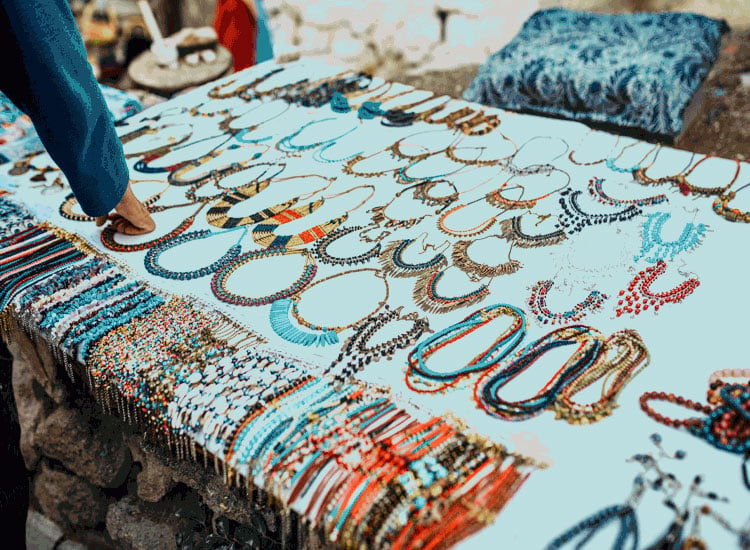
Turkey’s markets are an experience — colourful, loud, and full of history. From Istanbul’s covered bazaars to coastal boutiques and Cappadocia’s pottery towns, every region offers something unique.
Here’s what local planners at IndianHoliday.com recommend:
Shopping Locations:
Istanbul: Grand Bazaar, Spice Bazaar, Arasta Market
Cappadocia: Avanos pottery village, Göreme handicraft shops
Antalya: Old Town (Kaleiçi) and local markets for leather goods
Bodrum: Marina Bazaar and designer beach boutiques
Pamukkale: Cotton and onyx souvenirs
What can I buy in the Grand Bazaar of Istanbul?
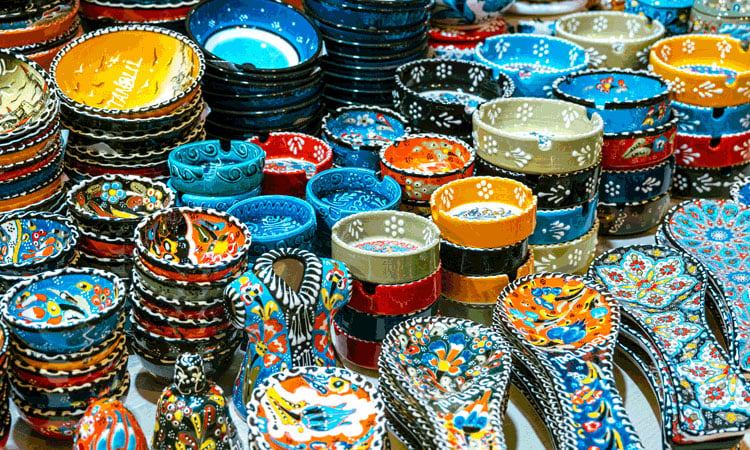
The Grand Bazaar (Kapalıçarşı) is one of the world’s oldest markets, with over 4,000 shops across 60 lanes. You can spend hours exploring carpets, jewellery, ceramics, spices, and lamps.
Top Souvenirs:
Turkish carpets and kilims
Iznik ceramics and mosaic lamps
Silver jewellery and Nazar (evil eye charms)
Leather jackets and brassware
What makes the Spice Bazaar Special?
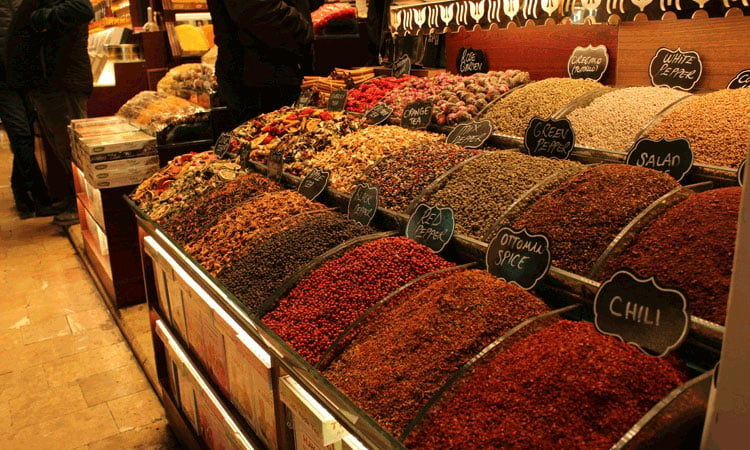
Also known as the Egyptian Bazaar, this 17th-century market fills your senses with the aroma of cinnamon, saffron, and rose tea.
What to Buy:
Spices (sumac, saffron, paprika)
Herbal teas and Turkish coffee
Honey, nuts, and dried fruits
Fresh Turkish delight (lokum)
Nearby: Visit the Galata Bridge afterwards for a balık ekmek (fish sandwich) — one of Istanbul’s must-try street foods.
Pair it with our Turkish Food Guide for a culinary experience.
What’s worth Buying in Cappadocia?

Cappadocia is a treasure trove for handmade crafts, especially pottery and onyx souvenirs. The town of Avanos has been shaping clay for over 4,000 years using traditional kick wheels.
Top Finds:
Ceramic plates, vases, and lamps
Onyx chess sets and ornaments
Handwoven rugs and scarves
Are Turkish Carpets Worth Buying?
Yes — Turkish carpets (halı or kilim) are globally renowned for their craftsmanship.
Kilim: Flat-woven, geometric patterns; lightweight and affordable.
Halı: Knotted, thicker pile rugs; more intricate and expensive.
Regions to Buy:
Cappadocia (Göreme, Avanos)
Istanbul’s Grand Bazaar
Konya and Uşak for traditional weaving
What about Jewellery and Accessories?
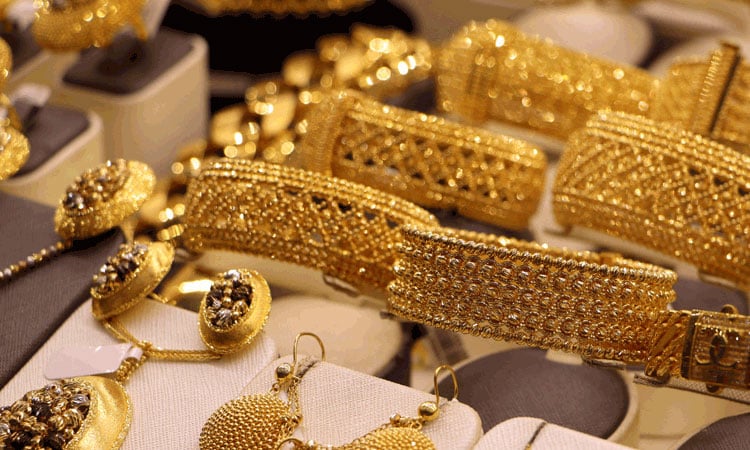
Turkey has a rich jewellery tradition influenced by Ottoman and Byzantine art. You’ll find both affordable and luxury options:
Jewellery Options:
Silver filigree work from the southeast
Blue Nazar amulets for protection
Gold bangles and gemstone rings (Istanbul’s Kapalıçarşı is famous for these)
What Food Items Make the Best Souvenirs?
Turkish Delight (Lokum): Soft, chewy cubes in rose, pistachio, or lemon flavours. Always buy fresh — not pre-packed.
Baklava: Gaziantep’s pistachio baklava travels well if vacuum-sealed.
Coffee & Tea: Turkish coffee powder, copper cezve pots, and tulip-shaped glasses are traveller favourites.
Olive oil & spices: Available in local markets in the Aegean and Mediterranean regions.
What are the Best Local Markets Outside Istanbul?
Market Destinations:
Antalya Old Town (Kaleiçi): Handmade jewellery, leather goods, and local wines.
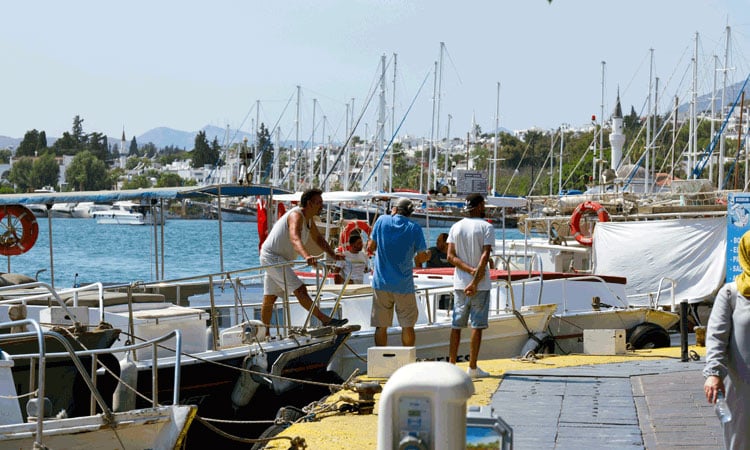
Bodrum Marina Bazaar: Chic beachwear, home décor, and organic soaps.
Fethiye Market: Tuesday bazaar with clothes, spices, and fresh produce.
Kuşadası & Selçuk: Great for cotton towels and ceramics after visiting Ephesus.
Pamukkale Village: Onyx stone carvings and thermal skincare products.
Explore Day Trips from Istanbul and plan stops at smaller bazaars.
How do I Shop Smart and Avoid Tourist Traps?
Shopping Tips:
Bargain respectfully: Smile, offer 60–70% of the quoted price, and negotiate upward.
Pay in local currency: You’ll get better conversion rates.
Check return policies: Many reputable stores provide receipts and authenticity papers.
Avoid impulse buys: Walk around before finalising. Prices vary widely between shops.
Use IH local guides: They know which co-ops and stores offer fixed, transparent pricing.
When do Turkey’s Shopping Festivals Happen?
Shopping Festivals:
Istanbul Shopping Festival: Usually held in June–July, featuring discounts up to 50% in malls and boutiques.
Antalya and Bodrum Summer Sales: Peak in July–August for designer brands.
Winter Clearance: January–February sees the best deals for leather goods and carpets.
How can I Bring Souvenirs Back Safely?
Souvenir Safety:
Carpets and ceramics can be shipped directly by certified sellers.
Carry delicate glass lamps in hand luggage with bubble wrap.
Keep receipts for customs, especially for carpets or antiques.
Avoid taking ancient artefacts — export of historical items is illegal.
Not sure where to start? Dive into the ultimate guide to things to do in Turkey.
Common Mistakes Indian Travelers Make While Shopping in Turkey
Shopping in Turkey can be a cultural delight — but without local know-how, it’s easy to fall into common tourist traps. Many Indian travelers overpay, pick up poor-quality souvenirs, or miss out on authentic treasures simply because they weren’t aware of a few critical details. Here’s what our travel planners recommend watching out for:
Mistake 1: Not Bargaining, or Bargaining Too Hard
In traditional markets like the Grand Bazaar or Spice Bazaar, haggling is part of the experience. However, many Indian tourists either avoid bargaining altogether or take an aggressive approach that offends local sellers.
What to do: Politely start with 60–70% of the quoted price and be willing to meet halfway. Vendors expect negotiation but appreciate friendliness. Don’t show too much excitement about an item — it weakens your position.
Mistake 2: Paying in USD or Euro Instead of Turkish Lira
Most stores accept foreign currency, but they often use inflated conversion rates.
What to do: Always carry Turkish Lira in cash, especially for small shops, village stalls, and inland markets. You’ll get better deals and avoid hidden exchange losses.
Mistake 3: Buying Mass-Produced Items Thinking They’re Handcrafted
Not every “handmade” carpet or ceramic piece is genuine. Many are factory-made reproductions, especially in high-traffic tourist areas.
What to do: Always ask for a certificate of authenticity when buying carpets, pottery, jewelry, or antiques. Visit cooperative stores or artisan-run workshops — IndianHoliday organizes visits to trusted sellers across Cappadocia, Pamukkale, and Kuşadası.
Mistake 4: Buying at the First Stall Without Comparing Prices
Prices can vary greatly across shops. Many travelers purchase impulsively without browsing the market or comparing options.
What to do: Walk around the market first, take mental notes, and return to the best vendor after evaluating quality, pricing, and variety. In bazaars like Arasta Bazaar or Marmaris Old Town, this approach helps avoid regretful purchases.
Mistake 5: Ignoring Customs Rules and Export Regulations
Some items, especially antiques or historic-looking artifacts, may not be legally exported. Buying without asking about shipping, documentation, or guarantees can lead to customs issues.
What to do: Avoid buying anything that looks ancient unless it’s properly certified. Ask for detailed receipts. If shipping is offered, ensure it’s insured and trackable. IndianHoliday offers shipping coordination for items like ceramics and carpets.
Mistake 6: Assuming Only Istanbul Has Good Markets
While Istanbul’s Grand Bazaar is iconic, you’ll find authentic goods and better prices in lesser-known regional markets.
Where to shop smart:
Avanos (Cappadocia): For hand-thrown pottery and stone crafts
Kuşadası: Famous for Turkish cotton, pestemal towels, and hammam products
Fethiye Tuesday Market: Great for soaps, spices, fabrics, and organic produce
Pamukkale: Local skincare products, herbal oils, and handmade souvenirs
See our Turkey itinerary planner to include these stops in your route.
How IndianHoliday Helps
IndianHoliday Services:
All shopping tours are guided by Turkish locals or verified experts
We work with certified artisans to ensure you get genuine, fixed-rate deals
Assistance with international shipping, documentation, and packaging for large purchases
Final Tip from Our Travel Experts
Turkish sellers respect genuine curiosity. If you ask about the making process, material, or history behind a product, they’re more likely to offer discounts or complimentary items. Shopping in Turkey is not just a transaction — it’s a cultural interaction.
Plan your journey effortlessly with our guides on the best time to visit Turkey and how to reach Turkey.
Plan Your Shopping Adventure with IndianHoliday
From Istanbul’s historic bazaars to Cappadocia’s pottery villages, shopping in Turkey is about more than souvenirs — it’s about stories and craftsmanship.
Let IndianHoliday design your Turkey itinerary that includes authentic market visits, trusted workshops, and local cultural stops.
FAQs about Shopping in Turkey
Q: What is the most famous thing to buy in Turkey?
Ans: Turkish carpets, evil eye charms, baklava, and ceramics are the top souvenirs.
Q: Is bargaining common in Turkish markets?
Ans: Yes. It’s part of the culture in bazaars — just keep it friendly and polite.
Q: Can I use credit cards in bazaars?
Ans: Large shops accept cards, but small stalls often prefer cash.
Q: Are Turkish carpets cheaper in Turkey than abroad?
Ans: Yes — you’ll find better quality and pricing when buying directly from local artisans.
Q: Does IndianHoliday offer shopping tours in Turkey?
Ans: Yes, IndianHoliday.com arranges guided market walks and authentic shopping experiences.