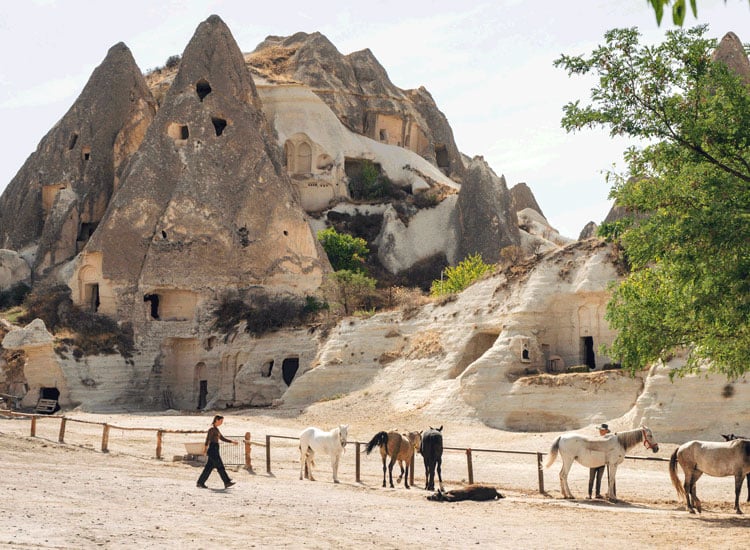
Turkey’s wild side is as diverse as its history — where eagles soar over volcanic valleys and sea turtles nest on the same beaches that once hosted ancient ships. For travellers who love nature, the wildlife in Turkey offers a surprising range — from Mediterranean wetlands to snowy mountain forests.
With over 40 national parks and 100+ protected areas, the country shelters rare species like brown bears, lynxes, wild goats, and flamingos. Whether you’re trekking in the Kaçkar Mountains or watching dolphins in Fethiye Bay, you’ll find that Turkey’s landscapes hold life in every form.
1. Kaçkar Mountains National Park – High-Altitude Wildlife Haven
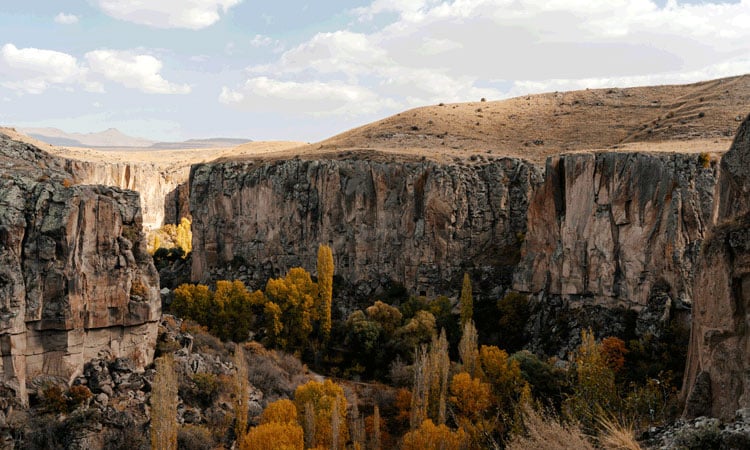
Located in the remote northeast corner of Turkey, the Kaçkar Mountains offer an alpine ecosystem that is rarely touched by mass tourism. This national park, part of the Pontic Alps, is perfect for those seeking raw wilderness.
Wildlife Highlights:
Caucasian black grouse, golden eagles, and bearded vultures in the higher ridges
Brown bears, lynxes, wild goats, and even wolves in the deep valleys
Rare species of orchids, lilies, and endemic butterflies in summer
Why Visit: Its rich biodiversity, glacier lakes, and high-altitude trails offer a completely different side of Turkey.
Best Time: June to September. Snow-free trekking season.
Explore stunning landscapes and ancient cities among the top Turkey attractions.
2. Köprülü Canyon National Park – Rafters Meet Eagles
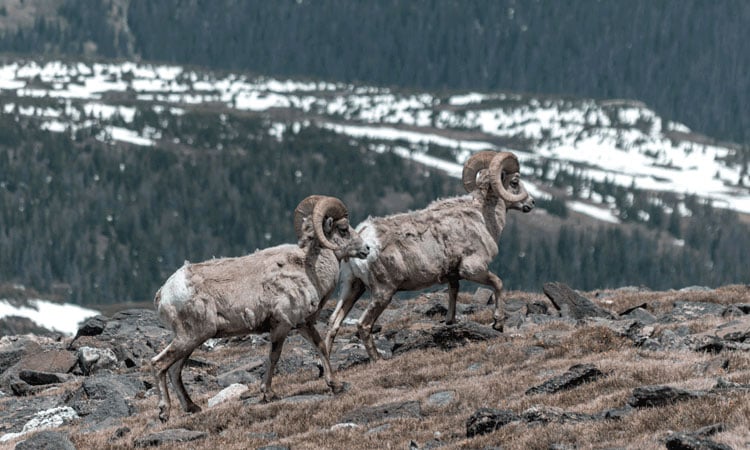
Nestled in Antalya province, Köprülü Canyon is a nature-lover’s playground and a rafting hotspot. The namesake canyon runs for over 14 km with cliffs reaching 400 meters in height.
Wildlife:
Raptors like golden eagles, kestrels, buzzards, and falcons
Mountain goats, wild boars, badgers, and reptiles in the pine forests
Experiences: Raft down Class II–III rapids, explore Roman bridges, hike pine-covered trails.
3. Lake Manyas Bird Paradise – For Bird-Watching Enthusiasts
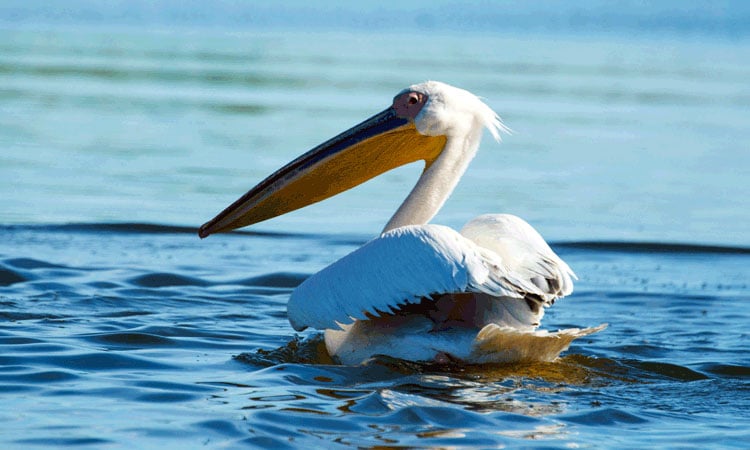
Also called “Kuş Cenneti,” this UNESCO Biosphere Reserve near Bandırma is one of Turkey’s best wetland birding destinations. It’s a key resting and breeding site for migratory birds travelling between Europe, Asia, and Africa.
Species to Spot:
White pelicans, Dalmatian pelicans, flamingos, glossy ibis, and night herons
Spring and autumn migrations can bring over two million birds
Facilities: Watchtowers, nature education centre, bird photography trails.
Best Season: April–May and September–October.
From cultural tours to coastal adventures, check out the top Things to do in Turkey.
4. Göksu Delta – Turtles & Migratory Birds
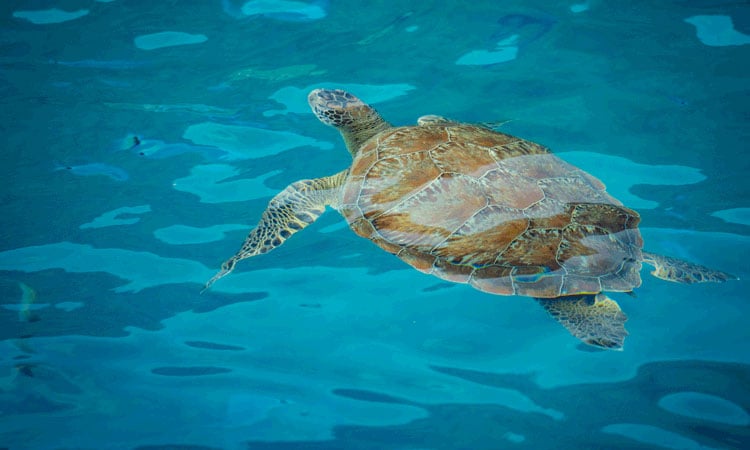
A Mediterranean coastal delta system in Mersin province, the Göksu, is internationally protected under the Ramsar Convention. It’s an ecological treasure for both reptiles and avians.
Unique Sightings:
Loggerhead turtles (Caretta caretta) nesting on the sandy beaches
Over 300 bird species, including cormorants, kingfishers, and white-tailed eagles
Otters, wild boars, and mongoose along freshwater channels
5. Uludağ National Park – From Snow to Summits
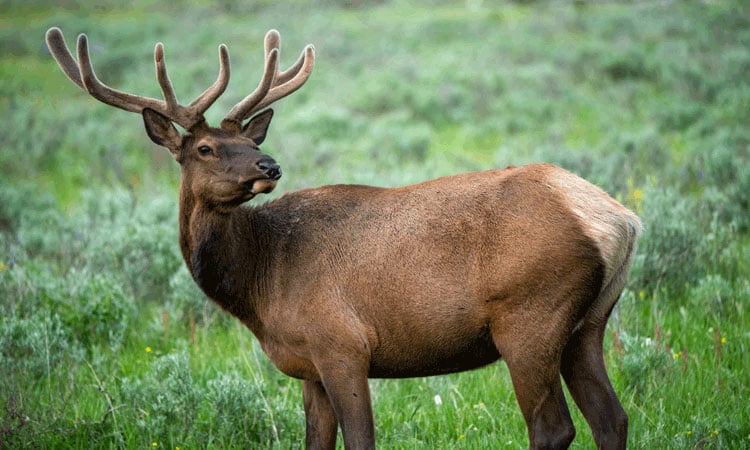
Located in Bursa and easily accessible from Istanbul, Uludağ is both a ski resort and a summer hiking paradise. It’s one of Turkey’s richest alpine ecosystems.
Wildlife:
Red deer, wildcats, foxes, hedgehogs, eagles, beetles, and butterflies
Pine, beech, and fir forests form the main vegetation zones
Activities: Snowboarding in winter; alpine trekking and cable car rides in summer.
6. Yedigöller National Park – The Seven Lakes Miracle
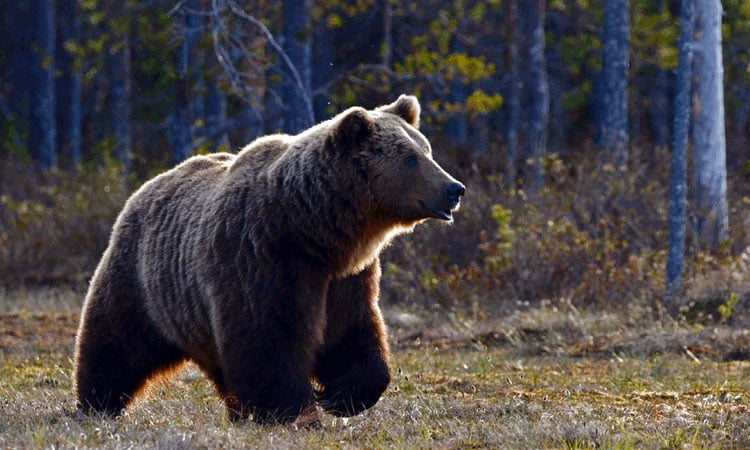
Tucked away in Bolu province, this park features seven glacial lakes connected by wooden bridges, waterfalls, and thick deciduous forests.
Wildlife:
Brown bears, deer, badgers, red foxes, eagles, owls, and amphibians
Over 200 plant species, including ferns, mosses, and wild mushrooms
Scenic Best: Autumn foliage in October–November is surreal.
Stay: Forest bungalows or camping allowed in designated areas.
Also Read: 35 Best Things to do in Turkey
7. Dilek Peninsula–Büyük Menderes Delta National Park
A rare combo of marine and mountain biodiversity, this park south of Kuşadası stretches across 27,000 hectares.
Highlights:
Land fauna: wild boars, wolves, caracals, foxes, jungle cats
Marine life: Mediterranean monk seals, loggerhead turtles, bottlenose dolphins
Birdlife: Eagles, pelicans, snipes, cranes
Must-Do: Visit Kalamaki beach, join a guided safari, and explore cave systems.
8. Sultan Marshes (Sultan Sazlığı) – Wetland Wonders in Cappadocia’s Backyard
Situated between Erciyes and Hasan mountains in Kayseri, this Ramsar wetland offers biodiversity amidst volcanic landscapes.
Fauna:
Spoonbills, white-fronted geese, marbled ducks, flamingos, raptors
Marshland also hosts frogs, lizards, and aquatic insects
Local Experience: Use small boats (kayık) for marsh tours and stay in eco-lodges in Yeşilhisar or Ovaçiftlik village.
Wondering about connectivity? Here’s everything you need to know about how to reach Turkey.
Planning Your Wildlife-Focused Turkey Itinerary
Ideal Duration:
Plan for at least 7 to 12 days to truly experience Turkey’s diverse wildlife zones. This gives you enough time to explore both coastal wetlands and inland mountains, which vary dramatically in terrain, fauna, and travel logistics.
Suggested Itinerary Combos:
Uludağ + Lake Manyas + Sultan Marshes (Marmara & Central Anatolia) Begin with the forests and snow-clad landscapes of Uludağ National Park, then descend to Lake Manyas for waterfowl and flamingo sightings. Wrap up at Sultan Marshes near Kayseri, close to Cappadocia, ideal for bird photography and balloon tours.
Kaçkar Mountains + Yedigöller + Göksu Delta (Black Sea to Mediterranean) Trek through high-altitude trails in Kaçkar Mountains, admire the mirror lakes and autumn forests of Yedigöller, and finish with a peaceful coastal exploration of Göksu Delta, one of Turkey’s richest bird habitats and turtle nesting zones.
Best Time to Visit:
Spring (April–early June): Lush landscapes, active breeding season, and migratory bird activity.
Autumn (late September–November): Mild weather, clear trails in mountain parks, and visible bird flocks in wetlands.
To know more, Check out our best time to visit Turkey page.
What to Pack:
Clothing: Moisture-wicking T-shirts, quick-dry hiking pants, warm fleece or down jacket for evenings, and waterproof outerwear.
Footwear: Durable, broken-in hiking boots with ankle support.
Photography Gear: DSLR or mirrorless camera with telephoto lens (300mm+), tripod or monopod, spare batteries.
Essentials: Headlamp, field guidebook on Turkish flora/fauna, binoculars (8×42 preferred), reusable water bottle, mosquito repellent, sunscreen.
For Custom Wildlife Tours:
Ready to Explore Turkey’s Wild Heart?
From snowy mountains to sun-kissed deltas, Turkey’s national parks prove that nature here is as alive as its history. Spot eagles, turtles, and deer — and feel the country’s true pulse beyond its cities.
Plan your wildlife trip to Turkey with IndianHoliday — our experts design eco-friendly routes blending comfort, culture, and conservation.
FAQs about Wildlife in Turkey
Q: Is Turkey a good destination for wildlife travel?
Ans: Yes, Turkey has a remarkably diverse ecosystem — from mountain predators to coastal birds — with over 40 national parks offering varied habitats.
Q: Can I see bears or wolves in Turkey?
Ans: Yes, especially in the Kaçkar and Eastern Anatolia regions. Guided tours ensure safe viewing from protected distances.
Q: Are these parks family-friendly?
Ans: Most parks like Uludağ and Yedigöller are ideal for families with short trails and picnic areas.
Q: What’s the best region for bird-watching?
Ans: Lake Manyas and Göksu Delta are premier bird hotspots with over 250 species spotted seasonally.
Q: Does IndianHoliday offer wildlife packages in Turkey?
Ans: Yes, IndianHoliday curates eco-tours and photography trips tailored for nature lovers and families seeking authentic wildlife experiences.