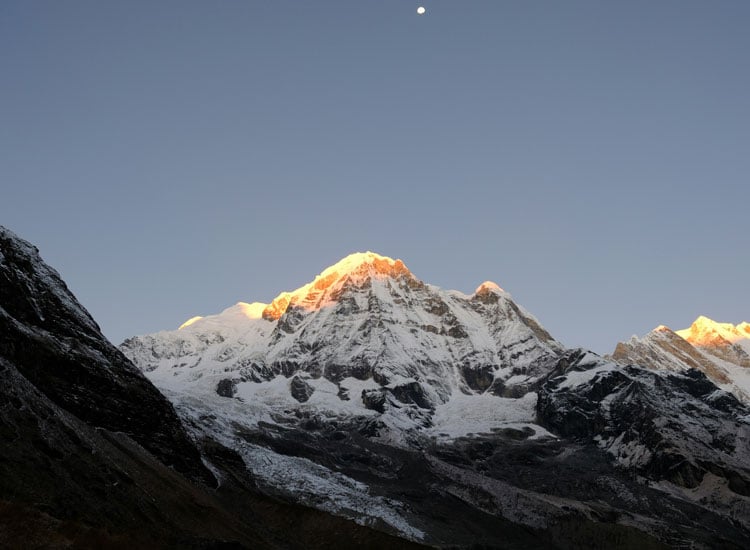
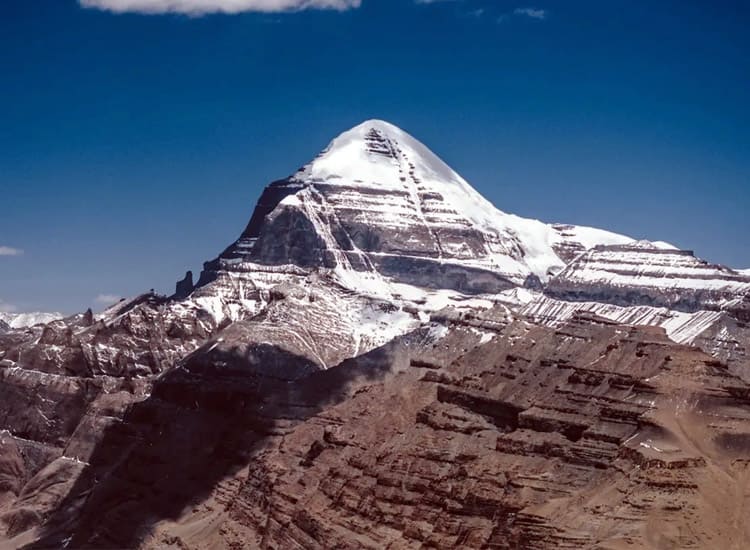
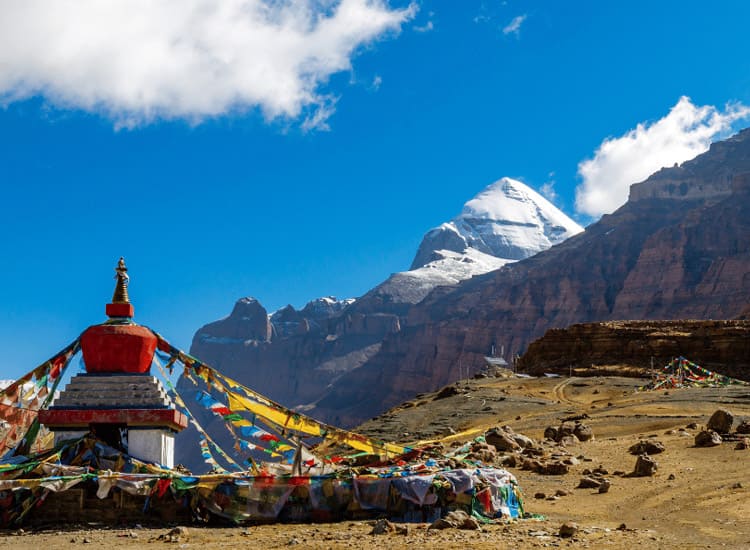
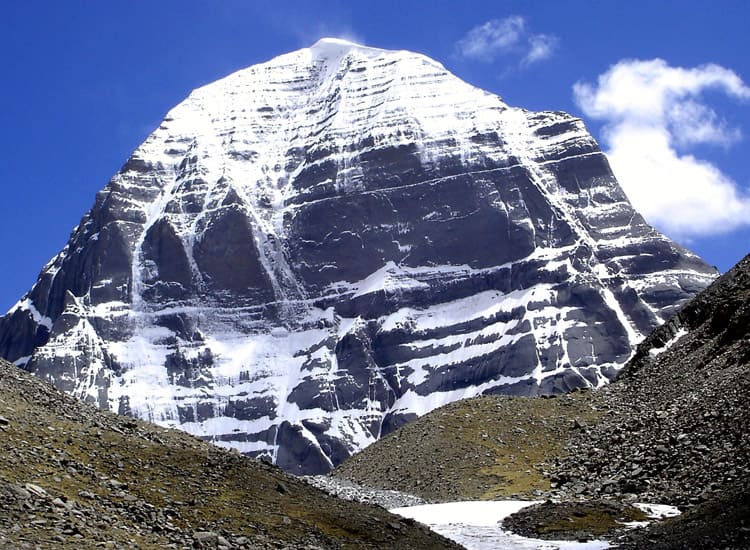
Kailash Mansarovar Yatra is a sacred pilgrimage for Hindus, Buddhists, Jains, and Bon followers. Thousands of devotees visit Mount Kailash and Lake Mansarovar, located in the Tibet Autonomous Region of China. However, due to its sensitive location near international borders, accessing this holy site requires specific permits and documentation.
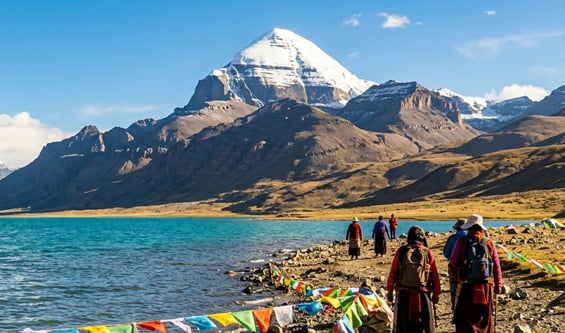
If you’re planning your Kailash Mansarovar Yatra for 2026f, understanding the permit requirements is crucial for a successful pilgrimage. This comprehensive guide will walk you through everything you need to know about Kailash Mansarovar permits, including application processes, document requirements, and essential tips to ensure a smooth journey.
Types of Permits Required for Kailash Mansarovar Yatra
Before diving into the details, it’s essential to understand that multiple permits are required for the journey, depending on your nationality, chosen route, and whether you’re traveling through the official Ministry of External Affairs (MEA) program or with a private tour operator.1. Chinese Group Visa
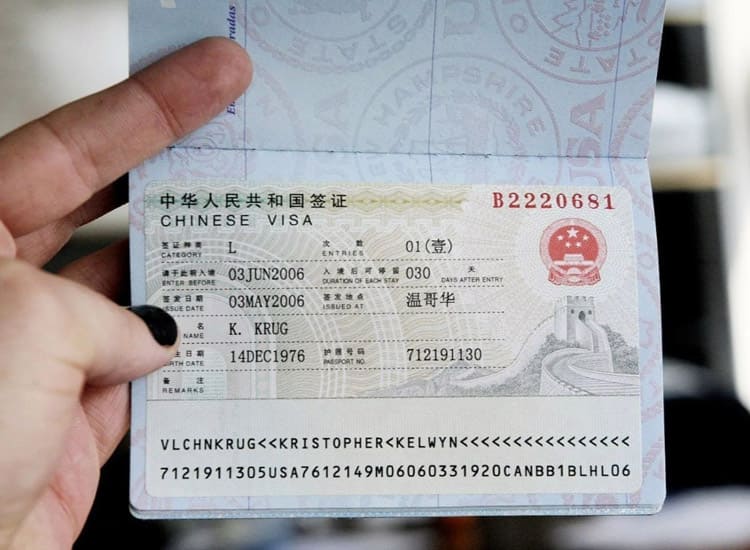 All pilgrims, regardless of nationality, require a Chinese visa to enter Tibet. For Indian citizens and those participating in the Kailash Mansarovar Yatra, a special Chinese Group Visa is issued rather than an individual visa. Key characteristics of the Chinese Group Visa:
- It’s a paper-based document (not stamped in your passport)
- Valid only for the duration of the pilgrimage and the approved route
- Cannot be applied for individually; must be processed through authorized travel agencies
- Processing time: Typically 3-5 working days after Tibet Travel Permit approval
- For Indian citizens, processed through the Chinese Embassy in Delhi
- For non-Indian citizens traveling via Nepal, processed through the Chinese Embassy in Kathmandu
2. Tibet Travel Permit (TTP)
The Tibet Travel Permit is mandatory for all foreigners (including Indians) visiting Tibet. This permit:- Is issued by the Tibet Tourism Bureau (TTB)
- Must be obtained before entering Tibet
- Cannot be applied for individually; must be arranged through authorized travel agencies
- Processing time: 7-10 days
- Required at checkpoints, hotels, and major attractions in Tibet
3. Alien’s Travel Permit
For travel to restricted areas like Mount Kailash and Lake Mansarovar, an Alien’s Travel Permit is required. This permit:- Is issued by the Public Security Bureau (PSB) in Tibet
- Can only be arranged by authorized travel agencies
- Is usually included in tour packages
- Processing time: Usually obtained by your travel agency upon arrival in Tibet
4. Military Permit
A Military Permit is required specifically for sensitive border areas including the Mount Kailash region:- Issued by the Military Affairs Office in Tibet
- Arranged by your travel agency
- Usually included in comprehensive tour packages
- Required for security checkpoints near border areas
5. Inner Line Permit for Kailash Mansarovar
The Inner Line Permit is a critical document required for Indian citizens traveling to border areas. For the Kailash Mansarovar Yatra:- It’s usually arranged as part of the complete permit package
- Contains essential information such as your name, passport details, and the duration of stay
- Must be presented at multiple checkpoints along the journey
- Is different from the Inner Line Permits required for other Indian states like Arunachal Pradesh, Nagaland, etc.
How to obtain Kailash Mansarovar Yatra Permits?
 The process for obtaining Kailash Mansarovar Permits varies depending on whether you are traveling through the government-sponsored program or with a private tour operator.
Option 1: Through Ministry of External Affairs (MEA) Program
The Government of India, through the Ministry of External Affairs, organizes the Kailash Mansarovar Yatra annually between June and September. Here’s the process:- Online Registration:
- Visit the official website: https://kmy.gov.in
- Fill out the application form accurately
- Choose your preferred route (Lipulekh Pass in Uttarakhand or Nathu La Pass in Sikkim)
- Upload required documents (scanned passport pages, photograph)
- Submit the application before the deadline (usually announced in January-February)
- Selection Process:
- Pilgrims are selected through a computerized random draw
- Results are announced on the official website
- Selected pilgrims must pay a non-refundable confirmation fee
- Permit Arrangements:
- The MEA coordinates with Chinese authorities for visa and permit processing
- Selected pilgrims provide original passports and other required documents
- The government handles all permit arrangements
- Pilgrims attend a mandatory briefing session in Delhi before departure
Option 2: Through Private Tour Operators
Many pilgrims choose to travel with private tour operators for more flexibility and additional services. The process typically involves:- Tour Booking:
- Check out our Mansarovar tour packages.
- Choose your preferred route and package
- Sign up at least 9-10 months in advance for better planning
- Document Submission:
- Submit scanned copies of your passport (first and last pages)
- Provide passport-sized photographs
- Fill out the application forms provided by the tour operator
- Make the required payment for registration
- Permit Processing:
- We arranges all necessary permits (Group Visa, Tibet Travel Permit, etc.)
- For Indian passport holders, your original passport may be required 7-10 days before the trip
- We coordinates with the authorities in China/Tibet for all permissions
Essential Documents Required for Kailash Mansarovar Permits
 Regardless of your chosen route or tour organizer, these documents are essential for obtaining Kailash Mansarovar permits:
For Indian Citizens:
- Valid Indian Passport:
- Must be valid for at least six months from the date of travel
- Must have blank pages for visa stamps
- Both first and last pages must be clear and undamaged
- Passport-sized Photographs:
- Recent photos (taken within the last six months)
- White background
- Clear front-facing image
- Usually, 3-4 photos are required
- Identity Proof:
- Voter ID card (especially important for Indian citizens)
- Additional government-issued ID may be required
- Medical Documents:
- Medical fitness certificate from a recognized hospital
- Documentation of any pre-existing medical conditions
- Health insurance details (recommended)
- Additional Forms:
- Consent forms for emergency evacuation
- Undertaking for possible cremation on Chinese territory (in case of unfortunate incidents)
- Other forms specific to your tour operator or the MEA program
For Non-Indian Citizens:
- Valid Passport:
- Valid for at least six months from the date of travel
- At least two blank pages for visa stamps
- Passport-sized Photographs:
- Usually 2-4 recent photographs
- White background
- Front-facing, clear image
- Completed Application Forms:
- China Group Visa application
- Tibet Travel Permit application
- Other forms provided by your tour operator
Route Options and Corresponding Permit Requirements
The permit requirements can vary slightly depending on your chosen route:1. Via Lipulekh Pass (Uttarakhand, India)
This is the traditional route organized by the MEA:- Requires all standard permits (Chinese Group Visa, Tibet Travel Permit, etc.)
- Inner Line Permit for travel through restricted areas in Uttarakhand
- Journey typically takes 19-20 days
- Approximately 18 groups with 60 pilgrims each are allowed annually
- Involves significant trekking and higher altitude challenges
2. Via Nathu La Pass (Sikkim, India)
This is the newer, motorable route introduced in 2015:- Requires all standard permits plus special permission for the Nathu La border crossing
- Inner Line Permit for Sikkim (for non-Sikkim residents)
- Journey typically takes about 21 days
- Approximately 10 batches with 50 pilgrims each are allowed annually
- Suitable for elderly pilgrims as it involves less trekking
3. Via Nepal (Kathmandu-Kyirong Route)
Popular with both Indian and international pilgrims:- Permits arranged through Nepal-based tour operators
- Chinese Group Visa processed in Kathmandu
- All Tibet permits arranged by the tour operator
- Option for helicopter services for part of the journey
- More flexible departure dates compared to government-organized routes
Eligibility Criteria for Permit Applications
Before applying for Kailash Mansarovar permits, ensure you meet these eligibility criteria:For Indian Citizens (MEA Program):
- Must be an Indian citizen (OCI and PIO cardholders are not eligible)
- Age between 18 and 70 years
- Body Mass Index (BMI) of 27 or less
- Physically and mentally fit for high-altitude travel
- No severe medical conditions like uncontrolled diabetes, heart disease, etc.
- Valid Indian passport with at least six months’ validity
For Private Tours (Indian and International Pilgrims):
- Age guidelines depend on the tour operator (many accept pilgrims up to 75 years)
- Physical fitness for high-altitude travel
- Medical clearance for pre-existing conditions
- Valid passport with required validity (usually 6-9 months)
- Ability to obtain a Chinese visa (some nationalities may face restrictions)
Application Timeline For Kailash Mansarovar Yatra
For MEA Program (Indian Citizens):
- January-February: Application portal opens
- February-March: Selection process completed
- March-April: Medical checks and document verification
- May: Final briefing and preparation
- June-September: Yatra execution (different batches)
For Private Tours:
- 9-10 months before: Initial registration with a tour operator
- 6 months before: Document submission
- 3-4 months before: Permit application process
- 1-2 months before: Final confirmation and preparation
- Travel period: Typically between May and October (depending on weather conditions)
Common Challenges and Solutions for Permit Applications
Challenge 1: Delayed Processing
Solution:- Apply well in advance (at least 9 months before planned travel)
- Ensure all documents are complete and accurate the first time
- Work with experienced tour operators who have established relationships with authorities
- Keep copies of all correspondence and receipt numbers
Challenge 2: Document Discrepancies
Solution:- Double-check all information before submission
- Ensure your passport name matches exactly on all application forms
- Address any discrepancies immediately with your tour operator or the MEA
- Keep original documents accessible throughout the process
Challenge 3: Medical Requirements
Solution:- Get comprehensive medical check-ups well before applying
- Disclose all pre-existing conditions honestly
- Follow recommended fitness preparation for high-altitude travel
- Carry all prescribed medications with proper documentation
Challenge 4: Last-Minute Changes
Solution:- Maintain regular contact with your tour operator
- Keep flexible travel plans if possible
- Have contingency funds for unexpected expenses
- Purchase comprehensive travel insurance that covers trip cancellation
Reasons for Rejection of Kailash Mansarovar Yatra Permits
Despite careful preparation, permit applications may be rejected. Common reasons include:Documentation Issues
- Incomplete application forms
- Missing or incorrect supporting documents
- Passport validity is less than required
Health Concerns
- Failing medical examinations
- Undisclosed medical conditions
- Age beyond permitted limits
Political Factors
- Diplomatic tensions between countries
- Changes in regional policies
- Temporary restrictions due to political events
Capacity Limitations
- Annual quotas are being filled
- Seasonal restrictions
- Special religious events causing closures
Previous Violations
- History of overstaying visas
- Previous illegal entry attempts
- Violations of terms during previous visits to China/Tibet
Cost for Kailash Mansarovar Yatra
The cost of permits is usually included in the overall package price, but it’s helpful to understand the approximate breakdown:For MEA Program (2026 estimates):
- Application Fee: Non-refundable registration fee of approximately ₹1,000
- Yatra Cost: Approximately ₹1.5-2.5 lakh (including all permits, accommodation, and transportation)
- Additional Expenses: Personal gear, medical tests, travel to Delhi, etc.
For Private Tours:
- Registration Fee: Typically ₹5,000-25,000 (non-refundable)
- Package Cost: ₹1.5-4.5 lakh, depending on route and services (helicopter options cost more)
- Permit Costs: Usually bundled in the package, but amount to approximately ₹15,000-25,000
Insider Tips for Smooth Permit Processing
- Start Early: Begin the application process at least 9-10 months before your intended travel date.
- Choose Experienced Operators: Select tour operators with a proven track record in organizing Kailash Mansarovar Yatra.
- Document Backups: Keep digital and physical copies of all important documents.
- Accuracy is Key: Double-check all information on application forms; even minor errors can cause delays.
- Medical Preparation: Get comprehensive medical check-ups and fitness assessments before applying.
- Stay Informed: Follow updates from the MEA and your tour operator regarding any changes in procedures.
- Financial Planning: Budget for all permit costs and potential additional expenses.
- Visa Considerations: If you already have a regular Chinese visa in your passport, understand that it will need to be cancelled for the group visa process.
- Verification Process: Be prepared for multiple document verification steps throughout the process.
- Local Contacts: If possible, establish contacts with people who have completed the yatra recently for current insights.
Conclusion
Obtaining permits for the Kailash Mansarovar pilgrimage requires careful planning, preparation, and patience. By understanding the requirements, you can increase your chances of successfully obtaining a Kailash Mansarovar yatra permit. Remember that regulations can change without notice, so always verify the most current requirements with official sources or your tour operator before beginning the application process.Checkout Kailash Mansarovar Yatra Packages