
Varanasi Travel Guide: Experience Spiritual Bliss
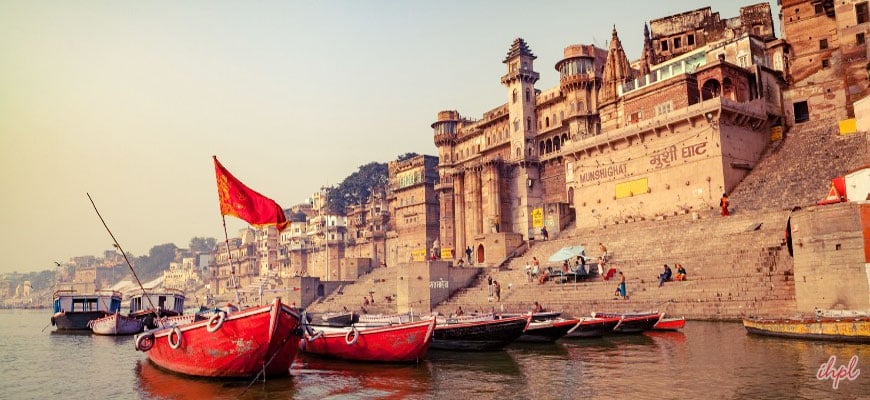
Varanasi is best known for its narrow winding lanes, numerous temples, and Ghats, the centres of many religious activities. From dawn to dusk, the banks of the pious river Ganges are frequented by a large number of pilgrims. You can take a dip in the sacred river, perform various religious rites, collect water in pots to take back home for different rituals, and seek the blessings of the saints.Popular Tourist Attractions in Varanasi
There is no dearth of places to visit in Varanasi. Here is a list of some of the popular tourist attractions you can explore during your trip to Varanasi. These tourist places comprise old-world charm and attract many tourists from all over the world. Some of the top places to visit in Banaras are:Ghats in Varanasi
The Ghats of Banaras have a quaint charm that is not explicable in words. One can best view these Ghats while enjoying boat rides on the Ganges River.- Assi Ghat is known for its tranquil sunrise view, meditation and serene evening aarti rituals.
- Dashashwamedh Ghat is the iconic ghat where you can enjoy the grand Ganga Aarti in the evening. This unmissable spiritual spectacle draws tourists seeking vibrant cultural experiences.
- Manikarnika Ghat is the most prominent cremation ghat, offering an insight into the cycle of life and death. A visit to this site is a way to discover the dark side of spirituality.
- Shivala Ghat is rich in history, soaked in peaceful ambience, and gives the best heritage sights through old temples and palaces.
- Ahilyabai Ghat, named after the famous Maratha queen, is famous for its ancient temples and tranquil views of the river, which combine devotion and heritage.
- Rana Mahal Ghat is located near the beautiful palace, which has incredible architecture and stands tall as a mark of Varanasi’s royal connections.
- Panchganga Ghat is one of Varanasi’s oldest ghats, which is also believed to be the convergence of five rivers, and pilgrims come to it for its historical and religious significance.
- Kedar Ghat has a South Indian architectural influence and is popular among pilgrims seeking blessings from Lord Shiva.
- Manmandir Ghat features an exquisite Rajputana palace and an astronomical observatory, which attract tourists who are more inclined towards history and science.
Temples in Varanasi
The ancient temples of Varanasi have a unique charm and are connected to Hindu mythologies. These architectural marvels can leave anyone spellbound.- Kashi Vishwanath Temple is the revered Lord Shiva temple and one of the twelve Jyotirlingas that promises spiritual liberation.
- Tulsi Manas Temple is well known for its Ramcharitmanas inscriptions, literary importance, and serene atmosphere.
- Durga Temple is dedicated to the Hindu Goddess Durga, and tourists come in large numbers to seek blessings. The major highlight of this temple is its striking red colour and large pond.
- Sankat Mochan Hanuman Temple is believed to ward off troubles and draws crowds of devoted worshippers.
- Sita Samahit Sthal is a peaceful temple offering insight into epic Ramayana’s spiritual legacy.
- Bharat Mata Mandir: This is one of the unique temples in Varanasi dedicated to India. It enshrines a map of undivided India, symbolising patriotism and unity, making it a rare attraction.
Checkout: Vrindavan Tour Packages, Agra Tour Packages, Uttar Pradesh Tour Packages, Varanasi Tour Packages, Prayagraj Tour Packages, Kushinagar Tour Packages
Browse the entire list of the most renowned places to visit in Varanasi. Choose the place that you want to visit.Cultural Sites in Varanasi
Varanasi is also home to some popular forts and observatories. However, its museums have exciting collections of art and artefacts.- Ramnagar Fort & Museum stands in a stall overlooking the Ganges, which still reflects royal life. Its museum houses artefacts from the Maharaja’s collection and an astronomical clock from the old era.
- Bharat Kala Bhavan Museum is situated in Banaras Hindu University (BHU) and a hub of more than 1 lakh ancient art, sculptures, and textiles, perfect for art enthusiasts.
- Man Mandir Observatory is home to ancient astronomical instruments and intrigues tourists who want to see the blend of science and heritage.
Things to do in Varanasi
There are many things to do in Varanasi, which can make your tour to Varanasi memorable and a lifetime experience. Here are the top things to do in Banaras:Spiritual and Cultural Experiences
- Attend the evening Aarti ceremony at Dashashwamedh Ghat to witness Varanasi’s devotion and culture at its best. This spiritual marvel of chants, lights, and scent draws visitors in large numbers.
- Take a morning boat ride in the Ganges River to experience the calm and spirituality of the Ganges, with breathtaking sunrise views over the ghats.
- Take a holy bath in the Ganges River, which brings pilgrims closer to their spiritual beliefs and spiritually cleanses their souls.
- Strolling along the Ghats is a way to immerse yourself in the city’s rituals, culture, and spiritual vibes. Here, you can spot historic architecture, ghats, and cultural treasures.
- Seek Blessing from the temples, from iconic Kashi Vishwanath to the ancient Sankat Mochan Hanuman Temple, to let you connect with spirituality and centuries-old culture.
- Shopping in the local market to collect its famous Banarasi sarees, handicrafts, and brassware makes them a paradise for those seeking authentic souvenirs.
- Savour the local delicacies, such as Banarasi paan, Aaloo Chaat, Lassi, and many more. These are treats for lovers of traditional flavours.
- Attend festivals in Varanasi, including Diwali, Holi, or the grand Dev Deepawali, with unmatched fervour, providing tourists with unforgettable cultural experiences.
Best Time to Visit Varanasi
This city is full of charm throughout the year and receives heavy footfall from domestic and international tourists. However, knowing the best time to visit Varanasi will help you know what to expect during your visit.- Winter: From November to March, Varanasi enjoys pleasant and soothing weather, which is ideal for sightseeing and outdoor activities. Festivals like Ganga Mahotsav, Deepavali, Maha Shivaratri, and Chhath Pooja are celebrated, showcasing Banaras’s rich cultural heritage and attracting many tourists.
- Monsoon: The city experiences hot and humid weather and challenging outdoor activities.
- Summer: Varanasi experiences hot and humid weather, making sightseeing difficult.
How to reach Varanasi?
The holy city of Varanasi is well-connected to the rest of the country by air, rail, and road.By Air
Lal Bahadur Shastri Airport: An international airport located at Babatpur, 26 km away. Regular flights from all major cities and countries fly to this city.By Train
Two major railway stations serve Varanasi: Mughal Sarai Junction (18 km) and Varanasi Junction (2 km). Both stations are well-linked with the country’s prime cities via an extensive rail network.By Road
Varanasi enjoys excellent road connectivity with cities like Allahabad, Lucknow, Patna, Gorakhpur, and Ranchi. Several air-conditioned luxury and ordinary buses frequently ply from the nearby cities and towns. To know more about how to reach Varanasi click here !How to get around in Varanasi?
There are various ways to explore Varanasi like a local and connect with this city more delightfully.- Rickshaw: Cycle rickshaws and auto-rickshaws are available all over the city but are restricted near the famous ghats.
- Buses: Mini-buses operate on major roads near railway stations or airports.
- Online Cab/Taxi: These are more comfortable modes of transport in the city for long distances.
- Walk: Some streets are too narrow for vehicles, making walking the only option.
- Boat: You can also use the ship to travel from one ghat to another.
Accommodation in Varanasi
There is a wide range of accommodation options available in Varanasi, such as hotels, resorts, guest houses, lodges, ashrams, and Dharamshalas. Here are some of the best places to stay in Varanasi:Luxury
- Taj Ganges
- BrijRama Palace
- Taj Nadesar Palace
Semi-Luxury
- Ramada Plaza JHV
- Amritara Suryauday Haveli
- Hotel Surya, Kaiser Palace
- Ganges Grand
- Hotel Heritage Inn
- Shiva Ganges View Guest House
- Palace on the Ganges
- Hotel Banaras Haveli
Where to Eat in Varanasi
Varanasi also has another side as a paradise for food lovers. Here, you will find different food options to give your taste buds an incredible treat. Here is a list of a few handpicked locations where you can savour the local culinary delights during your trip to Varanasi.| Name | Must-Try | Location | Price (for Per Person) |
| Kashi Chaat Bhandar | Tomato Chaat, Dahi Puri, Chura Matar, Palak Patta Chaat | Dashashwamedh Ghat Rd, Godowlia | INR 100-200 |
| Aum Café | Dal Chilla, Chocolate Chip Pancake with Masala Chai | Assi Rd, opp. Shri Ram Janki Math, Assi Ghat | INR 200-400 |
| Zaika Restaurant | Mughlai cuisines, Veg and non-veg Kebabs | Durgakund Road, Ravindrapuri Rd, Bhelupur. | INR 500 |
| Ram Bhandar | Kachori Sabzi, Jalebi, Samosa, Cutlet | Katra Ratanlal, Thatheri Bazar, Dashaswmedh Road | INR 250-300 |
Shopping in Varanasi
There are several local markets in the city from where you can buy religious artefacts, silk and woollen products, antique jewellery, and handicrafts. Here are some of the best markets in Varanasi where you can enjoy shopping during your visit.| Market | Popular Products |
| Thatheri Bazar | Brass products, antiques, copper products, and religious artifacts |
| Vishwanath Lane | Designer bangles, wooden toys, décor items, and dupattas |
| Godowlia Market | Clothing items and décor items |
| Golghar | Designer and trendy footwear, clothing, and home décor items |
| Rajan Silk Market | Banarasi Sarees, suits, and dupattas |
| Lahurabir | Clothing, house décor items, home appliances, and jewelry |
| Banaras Art Gallery | Tribal statues, contemporary statues, paintings (both old and contemporary), and bronze statues |
Travel Tips for Varanasi
There are some travel tips for Varanasi that you should follow to get the most out of this city.- Take an overnight train to Varanasi to maximise sightseeing during the day.
- Book accommodation beforehand to avoid last-minute stress, especially during peak tourist seasons.
- Keep your valuables safe, and be mindful of your belongings in crowded places.
- Pay respect to Manikarnika Ghat by not taking photos or interfering, as these are places of spiritual significance.
- Cover your head and shoulders while visiting religious places to show respect.
- Wear comfortable clothing and sturdy shoes for exploring the city, as you may walk on uneven paths.