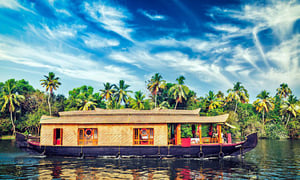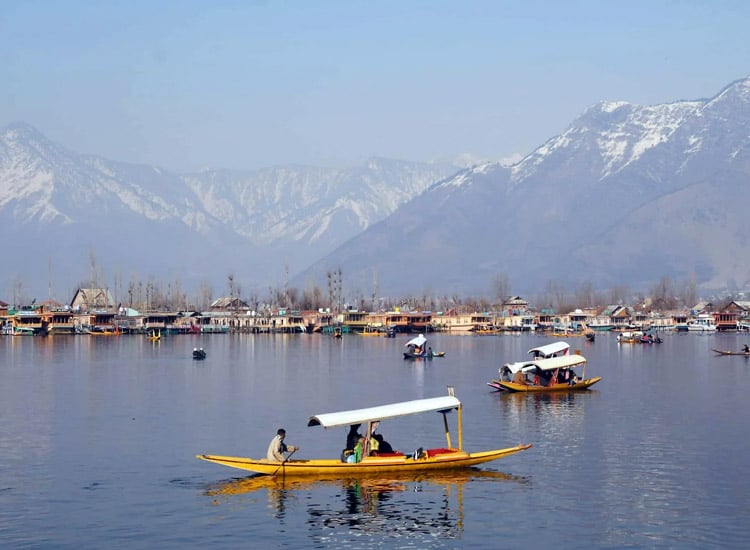
Remember when vacation meant one big annual trip? But not anymore! Indian travellers spent ₹2.3 lakh crores on domestic tourism last year , reflecting key Travel Trends 2026—like choosing four mini-breaks over one long holiday. According to the travel report, solo travel has increased by nearly 67%, sustainable accommodations dominate bookings, and authentic experiences remain the primary focus.
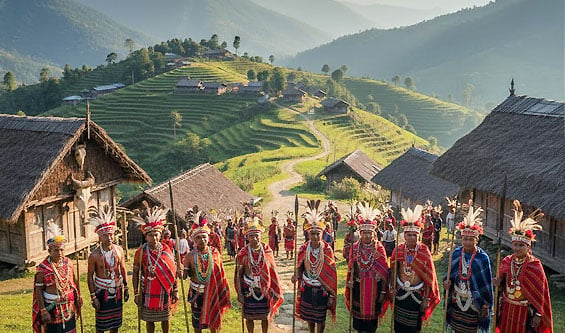
“With the concept of AI-featured planning, this year’s travel trends reflect a bold and mindful shift in how Indians are approaching travel,” says Pranali Mishra, a travel expert. “It’s no longer about one traditional international trip but multiple meaningful experiences throughout the year.”
Why Trust This Guide?
- Compiled data from the current travel trends/insights.
- Features real traveller experiences from Mumbai, Delhi, and Bangalore.
- Prices verified as of January 2026.
- Includes failures and reality checks, not just success stories.
Quick Facts
- Who it’s for: Millennials, Gen Z, solo travelers, wellness seekers, digital nomads
- New Reality: 4 quarterly escapes replacing that annual 15-day vacation
- Ideal Duration: 3-5 days (domestic), 7-9 days (international)
- New Priorities: Wi-Fi speed over star ratings and experiences over hotels
- Surprising Shift: Goa searches down 23%, Northeast up 312% (Google Travel Insights)
The Big 12 Travel Trends for 2026
- Solo Adventures – Youths now account for the majority of solo travellers
- Quarterly Mini-Breaks – 3-5 day trips replacing one annual holiday
- Green Stays – 7 in 10 choose eco-certified properties
- Month-Long Workations – Remote work extends travel to 30+ days
- AI Integrated Planning – 85% use tech tools for trip planning
- Hidden Gems – Offbeat destinations are seeing significant growth
- Activities Over Hotels – Experiences booked first, stays second
- Tribes Form – Interest-based group travels
- Wellness Deepens – 2-week transformation programs trend
- Festival Tourism – Cultural events drive 45% of trips
- Transit Tourism – Travel in between layovers
- Hitchhiking – Budget adventure travel
1. Solo Travel
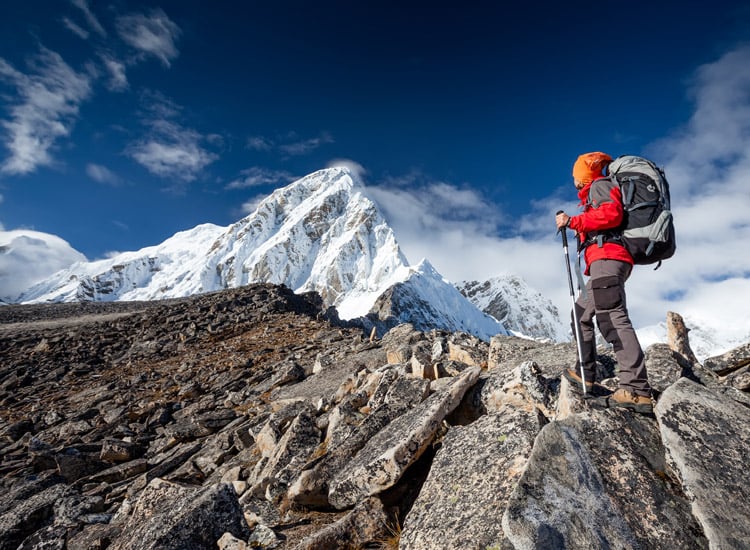
One of the fastest-growing among Indians, with young professionals and women leading the charge, Solo travel has become mainstream. Now, no longer waiting for a friend’s schedule to align, Indians are embracing independent exploration for personal growth, brain rewiring, and flexible itineraries.
Why is it transforming travel?
Solo travellers can make plans instantly, spend more time on personal interests, and form deeper connections with locals and fellow travellers. The rise of solo-friendly accommodations and safety apps has made this trend accessible to all age groups.
Expert Tip: “Start with hostels that offer private rooms, as they’re 40% cheaper than hotels but provide the safety of a 24/7 reception and community spaces.”
Common Mistake to Avoid: Overpacking for solo trips. With no one to share luggage duties, stick to packing only what’s necessary.
Safety First: Share your itinerary with family, use verified accommodation platforms, and consider joining solo traveller groups.
2. Sustainable Travel
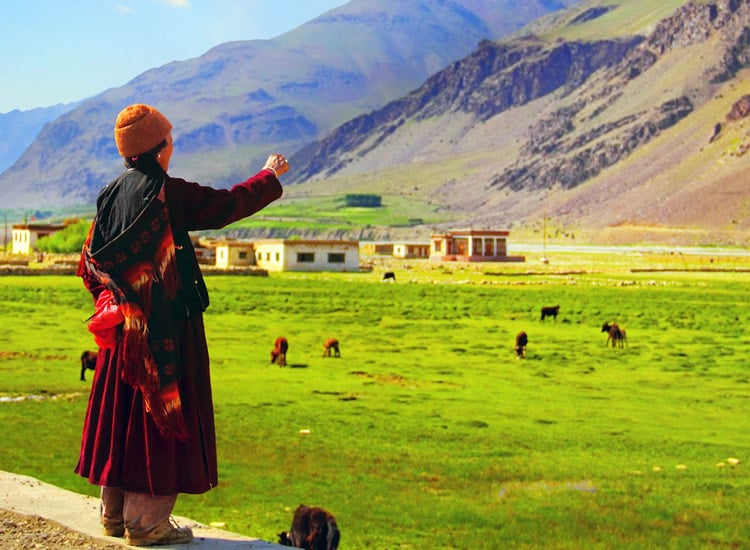
According to the travel statistics, 65% of travellers are prioritising sustainability, with climate change taking centre stage. People are increasingly seeking eco-friendly options, such as homestays, over luxurious resorts, which helps in environmental conservation.
What does sustainable travel mean?
- Choosing properties with rainwater harvesting and solar power.
- Supporting locally owned businesses and homestays.
- Minimising plastic use and carbon footprint.
- Participating in conservation activities.
Expert Tip: “Look beyond marketing terms like ‘eco-friendly’ or ‘green’. Real sustainable properties will proudly share specific metrics.”
Personal Failure: I once booked an “eco-resort” in Goa that had a massive swimming pool, imported flowers, and served only packaged food. The solar panels were decorative. So do your homework correctly. ~ Aanya Dixit, traveller from Mumbai
Budget Reality: Sustainable options often cost the same as, or sometimes even more than, regular accommodations.
3. Offbeat Destinations
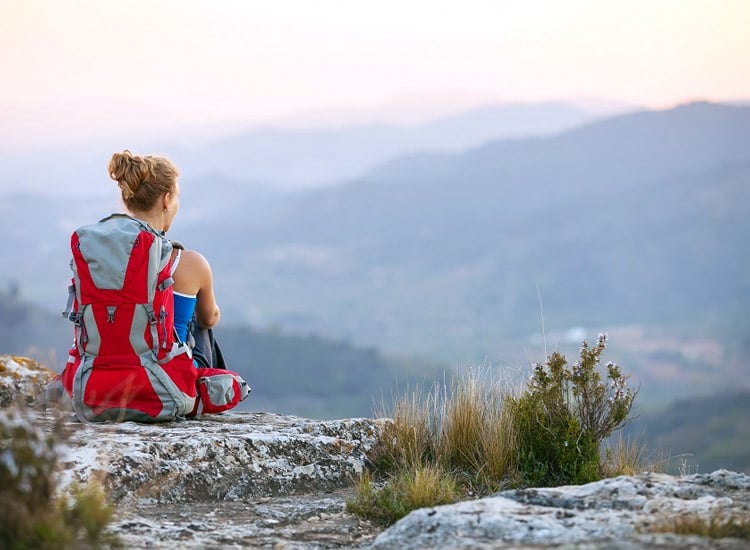
Hidden gems are winning over mainstream destinations, with Indian travellers looking for untouched landscapes, authentic culture, and Instagram-worthy spots. The government’s focus on developing Tier 2 and Tier 3 destinations makes these places more accessible than ever. So, visit them before these destinations reach 10,000+ monthly Instagram posts, prices jump 40%, and crowds triple.
Emerging Destinations for 2026
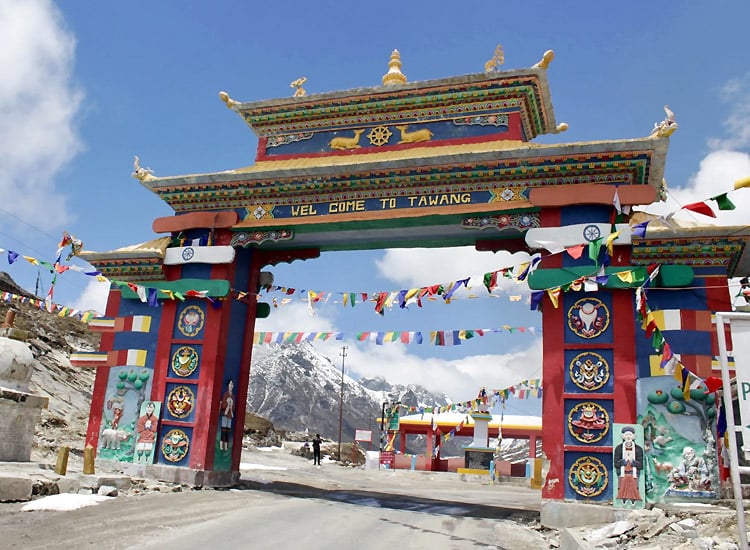
- Northeast Circuit: Ziro Valley, Tawang, Majuli Island
- Himalayan Valleys: Gurez, Spiti, Parvati Valley
- Coastal Secrets: Gokarna, Tarkarli, Galgibaga
- Cultural Treasures: Orchha, Mandu, Hampi
Expert Tip: “Visit Gurez Valley in early June when meadows bloom with wildflowers, with only 300 tourists weekly versus 10,000 in Gulmarg.”
Planning Strategy: Consider visiting during the shoulder seasons for better prices and fewer crowds. Book directly with local homestays for authentic experiences.
The Problem Nobody Talks About: These “hidden” places often have terrible infrastructure. No ATMs, shaky internet, and limited food options. That’s part of the charm until you need medical help.
Travel Tip: Book accommodations early, as options tend to become limited.
If you are looking for offbeat tours, check out these packages from Indian Holiday:
- 7 Nights 8 Days Uttarakhand Offbeat Tour
- 17 Nights 18 Days Rajasthan Offbeat Tour
- 4 Nights 5 Days Goa Offbeat Tour
- 6 Nights 7 Days Offbeat Kerala Tour
4. Micro-Vacations
Long annual vacations are being replaced by multiple short breaks throughout the year. The math is simple: Four 4-day trips cost less than one 16-day vacation and deliver 4x the mental health benefits. Indians have cracked the code, with nearly 73% now preferring quarterly escapes, according to Industry metrics.
Why do micro-vacations work?
- Less planning stress and lower costs
- Regular mental health breaks
- Easier to get leave approved (try asking for 2 weeks off vs 4 days)
- More destination variety annually
- No jet lag, no FOMO, no exhaustion
Smart Planning Approach:
- Map out long weekends at the start of the year.
- Book flights during Tuesday and Wednesday sales.
- Choose destinations within a 3-hour flight radius.
- Pack light with just cabin baggage.
Pro Tip: Create a “weekend escape fund” with monthly savings for spontaneous trips.
Honest Confession: This only works if you live in a metro with good flight connections. If you’re in a smaller city, you’ll spend half your vacation just traveling.
Planning for a short escape, check out these travel packages:
- 2 Nights 3 Days Short Trip to Dharamshala
- 2 Nights 3 Days Short Escape to Jog Falls From Bangalore
- 2 Nights 3 Days Gir National Park Tour
- Short Tour of Wayanad
5. Experience-First Travel
Modern Indian travellers book experiences, then plan trips around them. Industry data show that 73% of travellers are now inclined towards unique experiences over standard sightseeing, with natural phenomena and cultural festivals driving destination choices.
Top Experiences & Travel Trenbds Trending in 2026
| Experience | Location | 2026 Dates | Book By | Insider Tip |
|---|---|---|---|---|
| Cherry Blossoms | Kashmir | March 20-April 10 | January | Skip Srinagar; head to Badamwari |
| Tulip Festival | Srinagar | March 25-April 15 | January | 3 PM entry avoids crowds |
| Hornbill Festival | Nagaland | Dec 1-10 | September | Days 3-4 are the best, less touristy |
| Living Root Bridges | Meghalaya | Oct-March | No booking needed | Guide mandatory, ₹500/day |
| Rann Utsav Full Moon | Gujarat | Nov, Dec, Jan | 90 days prior | Tent city books fast |
| Flamingo Migration | Mumbai | Nov-March | Walk-in | Sewri jetty at 6 A |
Expert Insight: “The shift from ‘seeing’ to ‘doing’ reflects how Indians now value memories over photos. Book the experience first; everything else follows,” says Aarav Gupta, a travel expert.
Booking Strategy: Research the experience dates first, book activity tickets immediately, and then arrange accommodation and transportation around these fixed dates.
Common Mistakes to Avoid: Assuming experiences are available year-round. Many are seasonal or date-specific; if missed by even a week, it means waiting another year.
Unpopular Opinion: Some experiences are overhyped. The living root bridges in Meghalaya are impressive, but the 2-hour trek each way in humid weather may not be for everyone.
6. Workation Culture
The laptop lifestyle has made month-long workations in mountain towns and beach destinations a mainstream trend. Indians are combining work productivity with travel exploration, choosing destinations based on internet connectivity and lifestyle amenities.
But Remote work + travel sounds perfect until you’re on a video call with your boss while construction noise hammers outside your “peaceful mountain retreat”. 45% of professionals tried workations last year, and the results were mixed.
Essential Workation Requirements:
- Internet that works during office hours (test it first)
- Proper desk and chair (your back will thank you)
- Power backup for uninterrupted work
- Proximity to cafes and co-working spaces
- Time zone compatibility for meetings
Top Workation Destinations:
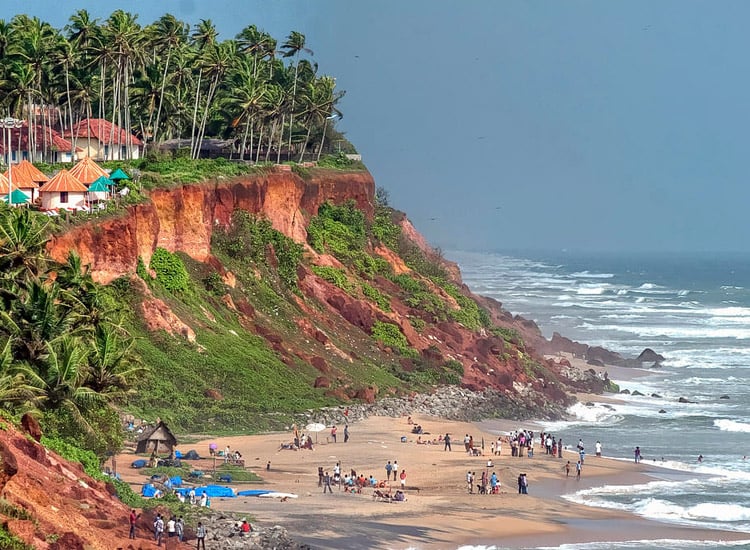
- Mountains: McLeodganj, Bir, Mukteshwar
- Beaches: Varkala, Gokarna, Pondicherry
- Cities: Jaipur, Mysore, Kochi
Reality Check: Two weeks working from Kasol sounds romantic until you realize the WiFi dies every time it rains, and it rains a lot ~ Sneha, a traveller from Pune
7. Tech-Powered Travel Planning
Indian travellers embrace technology for every aspect of trip planning. From AI-generated itineraries to real-time translation apps, technology makes travel more accessible and personalised.
Essential Travel Tech for 2026:
- AI chatbots for itinerary planning
- Price tracking apps for flight deals
- Digital payment solutions for cashless travel
- Offline maps and translation tools
- Virtual reality previews of destinations
Smart Usage Tips:
- Use AI for initial research, but verify with recent traveller reviews.
- Set price alerts 3-4 months before travel.
- Download offline content before reaching destinations.
- Keep digital copies of all documents.
Personal Mishap Experience: The AI-generated itinerary suggested I visit a temple in Rajasthan during a local festival. Didn’t mention it’d be packed with 50,000 pilgrims, and I’d need special permission to enter the town. ~ Shivam Kothari, Ahmedabad
Privacy Note: Read app permissions carefully and limit location sharing to essential services only.
8. Wellness and Transformation Travel
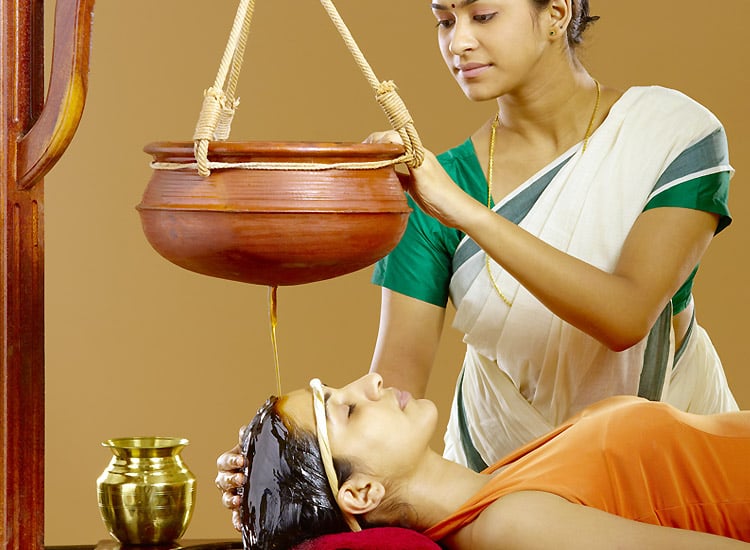
Indians seek travel that heals both body and mind. Beyond generic spa vacations, travellers want authentic wellness experiences with measurable outcomes, whether it’s Ayurvedic treatments, meditation retreats, or digital detox programmes.
Authentic Wellness Options:
- Kerala: Traditional Panchakarma treatments
- Rishikesh: Yoga teacher training programs
- Himalayas: Meditation and mindfulness retreats
- Goa: Holistic healing and alternative therapies
Selection Criteria: Verify practitioner credentials, check programme accreditations, read detailed reviews about outcomes, and understand what’s included in packages.
Duration Guide: Meaningful wellness programmes require a minimum of 7-10 days for noticeable benefits.
Honest outcome: I did a 10-day Vipassana course. Life-changing? Maybe. Comfortable? Absolutely not. Not talking for 10 days is more challenging than any yoga pose. ~ Avinash Sethi from Delhi
9. Group Travel/Family Trips
Indian families are planning generational trips reflecting strong family bonds. Additionally, theme-based travel, such as women-only groups, photography tours, and LGBTQ+ groups, is experiencing a surge in popularity. These ensure safety, shared interest, and instant communities.
Popular Group Travel Themes:
- Senior-Citizen tours
- Motorcycle tours
- Trekking communities
- Cultural heritage walks
- Wildlife safaris
Benefits Beyond Safety:
- Shared costs reduce individual expenses
- Expert guides enhance experiences
- Built-in social connections
- Coordinated logistics save planning time
Selection Tip: Check group size (8-15 is ideal), leader credentials, and detailed itineraries before booking.
10. Festival Tourism
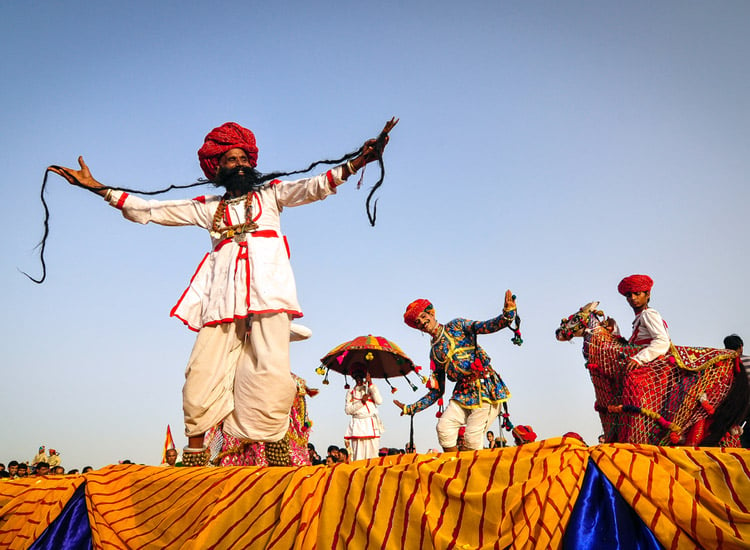
According to industry metrics, a 45% increase in cultural tourism is expected in 2026, with Indians increasingly planning trips around festivals. From Hornbill Festival to Pushkar Fair and from Holi to Durga Puja, travellers seek genuine cultural experiences over staged tourist shows.
Festival Planning:
- Book accommodations 2-3 months ahead.
- Research authentic viewing spots vs tourist zones.
- Understand cultural protocols and dress codes.
- Plan for crowd management and safety.
Why is it booming?
The post-pandemic desire for community celebration, social media influence showcasing colourful festivals, and increased awareness of India’s diverse cultural heritage across different states.
Local Tip: Arrive 2-3 days early to witness the preparations and enjoy the destination before the peak crowds arrive.
Accommodation Hack: “We home-swapped with a Jaipur family during Pushkar Fair. They used our Mumbai flat during Ganpati. Zero accommodation cost for both festivals,” shares the Thakkar family.
11. Transit Tourism
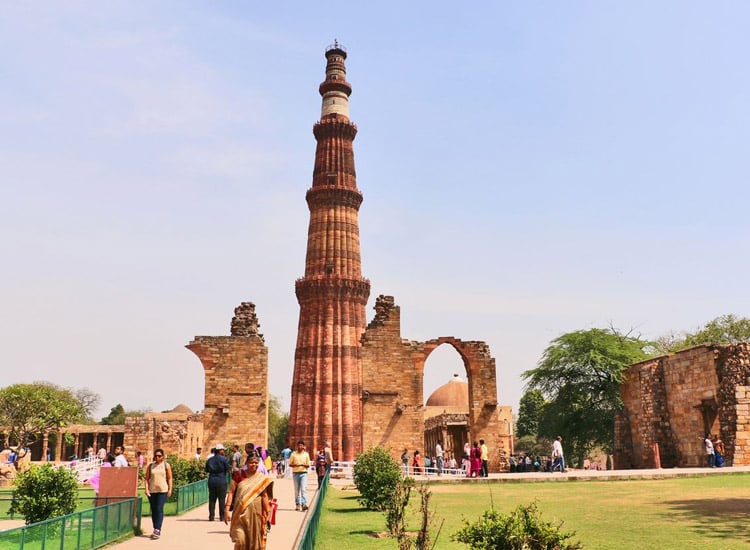
Why waste layovers? Indians discovered that 6+ hour layovers are worth free city tours. But they work great in some places, but are terrible in others. Here’s your guide to India’s best transit tourism:
Delhi Layover Tours:
- 6 hours minimum: India Gate, Lotus Temple circuit
- 8 hours comfort: Add Qutub Minar, Dilli Haat
- Storage: ₹500/bag at the airport
- Transport: Airport Metro Express ₹60 each way
Mumbai Quick Escapes:
- 8 hours needed: Marine Drive, Gateway, Colaba
- 10 hours ideal: Add Elephanta Caves
- Catch: International to domestic terminal = 1.5 hours
- Hack: Pre-book Uber, saves 45 minutes
Bangalore Transit Options:
- 5 hours: Just the Cubbon Park area
- 7 hours: Add Bangalore Palace, local brewery
- Warning: 2-hour airport commute each way
- Alternative: Airport lounge day pass ₹2,000
Singapore Changi Paradise:
- 4 hours: Free city tour (register at the transit desk)
- 6 hours: Jewel waterfall, city center, local food
- Bonus: Best airport facilities globally, comfortable even if you skip the city
Success Story: “Delhi-Bangkok flight had a 9-hour Mumbai layover. Saw the Gateway of India, ate at Leopold Cafe, and walked on Marine Drive. Felt like a bonus vacation!” ~ Bhavya Gandhi, Delhi
12. Hitchhiking Revival
Here’s a trend that nobody saw coming: hitchhiking has grown 156% among young Indians, according to travel statistics. The modern versions include GPS sharing, verified communities, and safety protocols, but nothing can beat the traditional way of asking for a lift.
Popular routes where it works:
- Himachal circuits: Manali to Leh, locals are helpful
- Goa to Karnataka: Short distances, frequent rides
- Rajasthan: Between cities, not in desert areas
Safety evolution:
- Real-time GPS sharing with friends/family
- Hitchhiking communities on WhatsApp with verified members
- Never alone – usually groups of 2-3 people
Budget Impact: Can save 60-80% on transport costs, but you need backup funds for when it doesn’t work.
Honest Reality: Works best if you’re young, male, and in groups. Solo female hitchhiking is still risky despite what adventure bloggers claim.
Failed Attempt: My cousin attempted to hitchhike in Rajasthan and waited for 4 hours in 40°C heat before giving up and taking a bus. So, it’s a must to have a Plan B. ~ Anushka Oberoi, Chandigarh.
Travel Myths vs Reality Check
| What Instagram Shows | What Actually Happens |
|---|---|
| Peaceful workation in the mountains | Construction noise at 7 AM |
| Sustainable eco-resort | AC running 24/7, plastic everywhere |
| Hidden gem destination | 500 other tourists found it too |
| Hitchhiking adventure | 4-hour waits in the scorching sun |
| 10-day transformation | You need 21 days minimum |
How to Plan Your 2026 Travel (the real way)
Step 1: Define Your Travel Style
Identify which travel trends in 2026 resonate with you, such as solo exploration, wellness focus, adventure-seeking, or experiential travel. Your travel style determines destination selection and planning approach.
A better way: Forget what’s trending, and go with what makes YOU happy.
- Need silence? Skip party hostels
- Hate planning? Grab a package
- Love food? Plan around meals, not monuments
Step 2: Create a Travel Calendar
- Seasonal Experiences: Plan in advance.
- Long weekends: 12 in 2026, mark them NOW!
- Quarterly escapes: March, June, September, December
- Flex leaves: Keep 2 for last-minute deals.
Step 3: Budget Strategically
According to the travel industry, Indians now allocate 15-20% of their annual income for travel, up from 10% in previous years. Here’s the typical breakdown:
| Budget Component | Percentage | Smart Saving Tip |
|---|---|---|
| Accommodation | 30-35% | Book during weekday sales |
| Transportation | 25-30% | Use flight price trackers |
| Experiences | 20-25% | Group bookings save 15% |
| Food & Shopping | 15-20% | Eat local, save 40% |
| Insurance & Misc | 5-10% | Never skip travel insurance |
The SIP Strategy: ₹5,000/month travel SIP = ₹60,000 yearly = 3 great trips
Money-Saving Reality: Tuesday flight bookings average 15% less than weekend bookings. Hotel rates drop 20-30% during weekdays in leisure destinations.
Step 4: Book Smartly
- International trips: Book 3-6 months ahead
- Tuesday 3 AM: Flight prices drop 12-15%
- Accommodations: 30-45 days for the best selection
- Experiences: 4+ people save 20%
Step 5: Prepare like a PRO
- WhatsApp broadcast: Share itinerary with five people
- Google Photos backup: Auto-upload on WiFi only
- Offline everything: Maps, translation, tickets
- Local SIM: ₹500 saves ₹5,000 in roaming
FAQs
Q1. What are Indian travellers prioritising in 2026?
Indian travellers are prioritising authentic experiences, wellness, sustainability, and flexible travel options. Solo travel, workations, and immersive cultural experiences are the top priorities, with 65% of travellers focusing on sustainable travel choices and 45% planning workations, according to industry statistics.
Q2. Which destinations are trending for solo travel among Indians?
Popular solo travel destinations include Japan, Singapore, Thailand, and domestic locations like Rishikesh, Goa, Himachal Pradesh, and Kerala. These destinations offer safety, cultural richness, and excellent infrastructure for solo travellers.
Q3. How can I plan a sustainable trip in India?
Choose eco-friendly accommodations, use public transport, support local businesses, carry reusable items, and offset carbon emissions. Focus on destinations with strong environmental policies and avoid over-touristed areas during peak seasons.
Q4. What’s the best time to travel based on 2026 trends?
The best time to travel is generally from March to May and October to December for most destinations. For workations, consider monsoon seasons for better rates and fewer crowds. Wellness travel is ideal during the cooler months (November to February).
Q5. How much should I budget for experience-focused travel?
For experience-focused travel, allocate 40% of your travel budget to experiences, 35% to accommodation, and 25% to transportation. These trips typically cost 20-30% more than traditional tourism but offer significantly higher satisfaction rates.
The Final Draw
Pick 3-4 trends that fit YOUR life, not Instagram’s version of it. Travel for yourself, not for social media. Connect with us at IndianHoliday to book your dream trip!