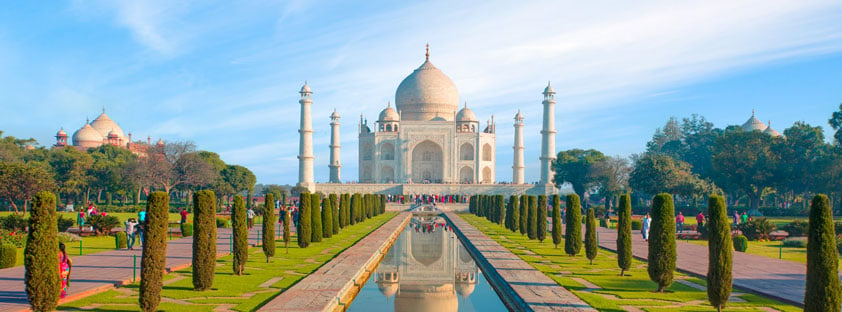
The Golden Triangle is a popular travel route connecting Delhi, Agra, and Jaipur in northern India.
But why do we call it ‘Golden’? Maybe because each of the cities dazzles with its landmarks and historic monuments. All of these offer travelers a glimpse into India’s royal history and Mughal history, royal architecture, and cultural heritage.
Your first glimpse of the Taj Mahal deserves a little time. So does a walk through Old Delhi, where a turn into a narrow lane can lead to a spice shop, a busy courtyard or a small shop serving breakfast. In Jaipur, you may want to linger over the palace details or watch a craftsperson at work.
If you are arriving on a long-haul flight, allow time to settle in before the sightseeing begins. Around eight to ten days is a useful planning window for a relaxed journey, depending on your flight times and interests. It gives you room for the main sights, unhurried meals and afternoons that can change as the holiday unfolds.
Who Will Enjoy a Slower Golden Triangle Trip?
If this is your first visit to India, giving yourself time to settle in can make a real difference. Delhi’s busy streets, unfamiliar sounds, and large crowds can feel intense at first, even when you’re enjoying the experience.
A relaxed Golden Triangle trip works particularly well for couples, families traveling with children, older visitors, and small private groups who prefer a comfortable pace.
It also suits travelers who enjoy more than sightseeing. Perhaps you’d like to explore a local market, spend time learning about traditional crafts, or enjoy a leisurely lunch without worrying about the next scheduled stop.
The idea is simple: plan around what interests you, not just how many attractions you can fit into one day.
How Many Days Are Needed for the Golden Triangle Journey
There’s no single ideal number of days for a Golden Triangle trip. The right length depends on your age, travel style, flights, places of interest, and whether you’re visiting only the Golden Triangle or including it in a longer India trip.
7 Days for the Main Sights
A week is enough to visit Delhi, Agra, and Jaipur if you plan carefully. Focus on the major attractions and avoid overloading your transfer days. If you’re arriving on a long-haul flight, remember that the first day may be spent recovering from the journey.
8-9 Days for More Breathing Space
This is a practical option for visitors who want to see the main landmarks and enjoy something of each city’s daily life. There is more room for rest after arrival, separate sightseeing sessions and a change of plan when traffic or tiredness intervenes.
10 Days or More for a Deeper Visit
With additional time, you can explore historic neighborhoods, arrange craft experiences, or spend longer in a city that particularly interests you.
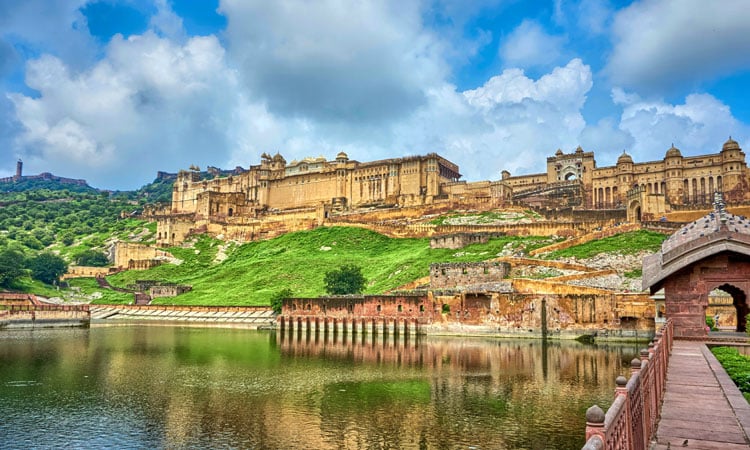
For example, an extra day in Jaipur might mean visiting Amber Fort one morning and exploring the old city’s markets the next, rather than squeezing everything into one busy day.
Our recommendation: For first-time international travelers, eight to ten days offers a comfortable balance of sightseeing, travel, and relaxation.
A Comfortable Way to Divide Your Time Between Delhi, Agra and Jaipur
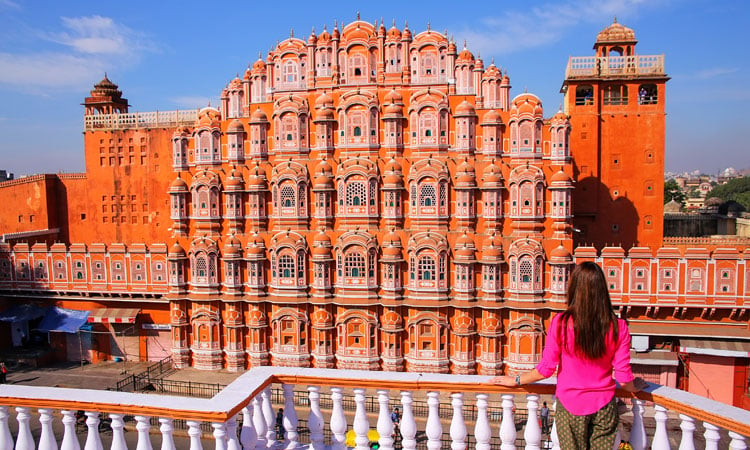
Whether it’s Delhi, Agra or Jaipur, each of the cities has its own character and energy, and they don’t need equal time and attention.
Delhi deserves extra flexibility because it’s a common arrival point for international travelers. Agra needs less time overall, but enough so you don’t have to rush through your exploration of the Taj Mahal. Jaipur rewards travellers who stay long enough to go beyond its main monuments.
Delhi for Historic Neighborhoods and a Gentle Start
For most international travellers, Delhi is their first brush with India, so keep your first day flexible. After an overnight flight, a shower, a meal and some rest may be all you need. A short outing can wait until you feel ready.
Once you have settled in, explore the city in manageable areas. Old Delhi offers the lanes of Chandni Chowk, Jama Masjid and opportunities to try local food with a guide who knows the neighbourhood. A rickshaw ride can be a useful way to experience some of its busy streets.
On another outing, choose from Humayun’s Tomb, Lodhi Garden and central Delhi’s broad avenues. Qutb Minar lies farther south and is better included in a separate session or a route that allows enough travel time.
Pick a few places that interest you and leave room to enjoy them. Crossing Delhi repeatedly can use up more of the day than you expect.
Agra: Give the Taj Mahal the Time It Deserves
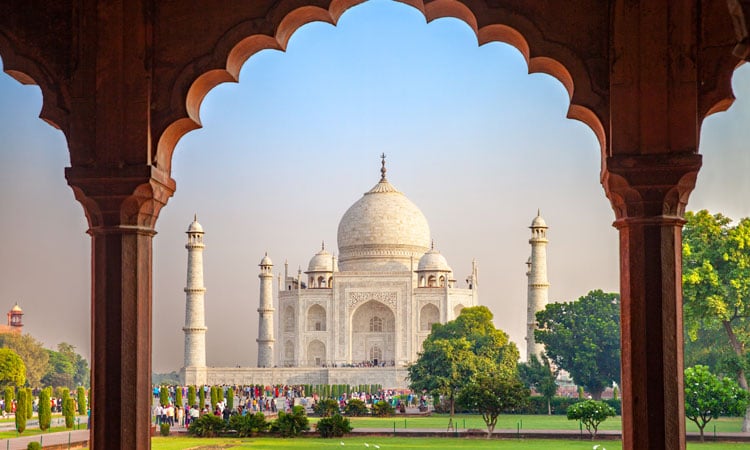
For many travelers, seeing the Taj Mahal is one of the main reasons for visiting India. It’s worth planning your stay so you can enjoy the monument without worrying about a long drive immediately before or afterward.
If possible, arrive in Agra the previous day, check into your hotel, and visit the Taj Mahal the following morning. An early visit can offer cooler conditions and beautiful morning light, although clear skies and smaller crowds are never guaranteed.
Jaipur for Palaces, Markets, and Crafts
Jaipur is also a wonderful place to explore Rajasthan’s traditional crafts. You might browse colorful textiles, watch artisans work with gemstones or block-printed fabrics, or spend time in one of the old city’s markets.
If you’re interested in a workshop or craft demonstration, ask whether it includes a shopping stop. That way, you can choose an experience that matches your interests rather than feeling pressured to buy something.
Planning tip: Keep Amber Fort and the old-city monuments as separate sightseeing sessions if you have enough time. This makes the day more comfortable, especially when traveling with children or older family members.
A Simple Travel Plan for the Golden Triangle
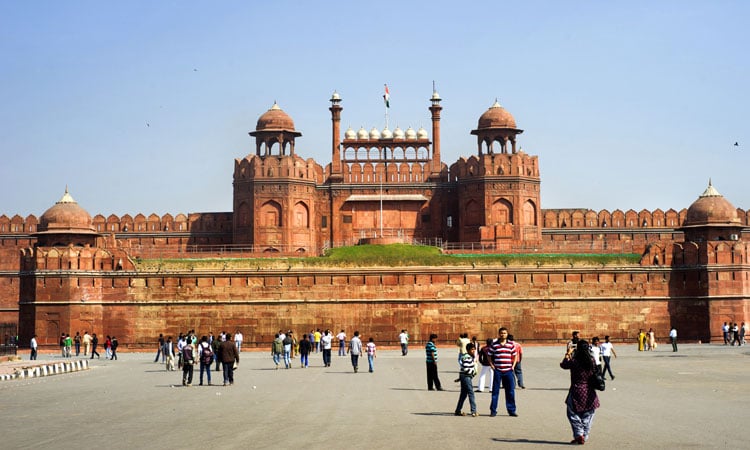
Begin your journey in Delhi, where three nights allow time to recover from your flight and explore the city without rushing. Visit Old Delhi on one outing and choose a few major monuments for another.
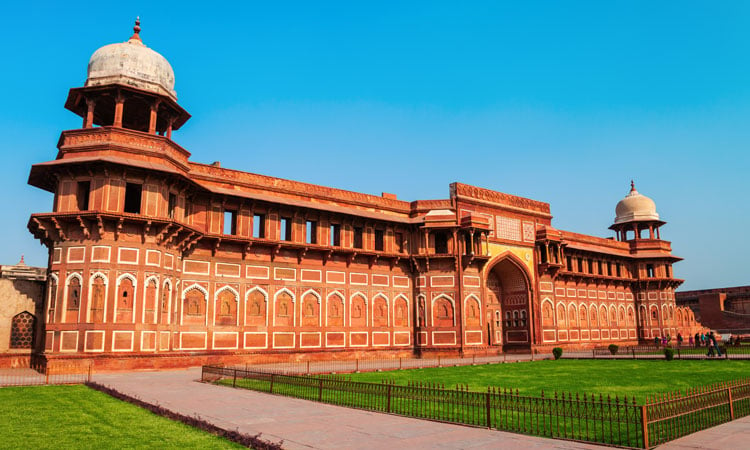
Continue to Agra, approximately three to four hours away by road under favorable conditions. Consider staying two nights so you can visit the Taj Mahal and Agra Fort without squeezing them around a long transfer.
From Agra, travel to Jaipur, generally a four-to-five-hour drive excluding extended sightseeing stops. If you’re interested in Mughal history, you can visit Fatehpur Sikri along the way, but remember that this will make the travel day longer.
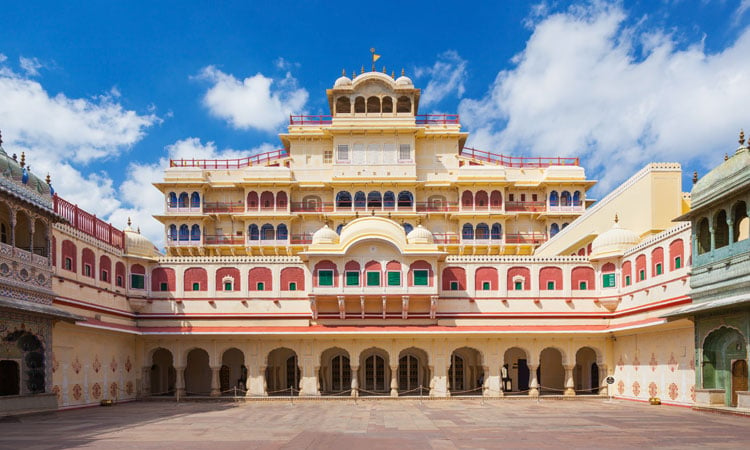
Spend around three nights in Jaipur. Explore Amber Fort, visit the old-city monuments, and leave time for markets, crafts, or a relaxed afternoon at your hotel.
This arrangement involves eight nights and usually works as a nine-day journey if you finish in Jaipur. If your international flight departs from Delhi, allow approximately five to six hours for the return road journey under favorable conditions and consider spending your final night in Delhi.
The key is to allow enough time for the transfers rather than treating travel days as full sightseeing days.
If you’d like to find out more details about a similar travel plan, you can check out IndianHoliday’s Golden Triangle Luxury Tour.
Why Golden Triangle Trips Often Feel More Rushed
It’s not the number of cities included in a trip that causes the rush, but the way each day is planned.
Planning Sightseeing on Every Transfer Day
Hotel checkout, transfer between cities, and checking in to another hotel already take up a major part of the day.
Too Many Monuments in One Day
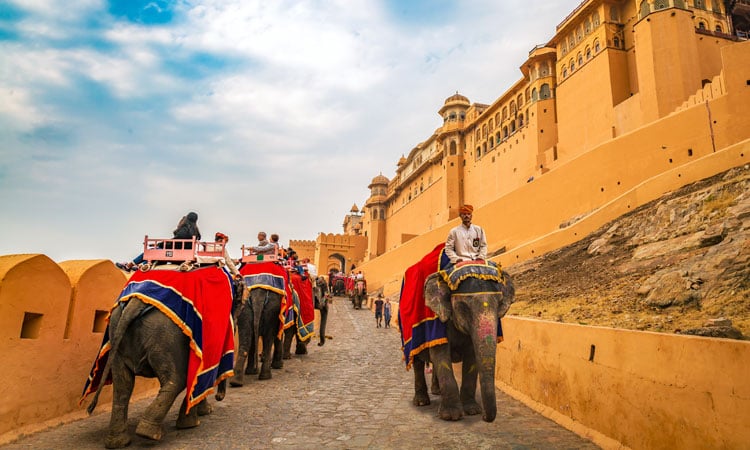
Trying to visit Amber Fort, City Palace, Jantar Mantar, and several markets in one day can leave you with little time to appreciate any of them.
If you visit monuments, palaces or even forts in quick succession, they lose the novelty factor and become just another piece of architecture.
Choose the places you care about most. A knowledgeable guide can help you appreciate the history without overwhelming you with details
Arrival Fatigue
Your first day in India should not be judged by how many places you see.
If you are visiting from North America, Europe or Australia, you may have crossed many time zones before landing in Delhi. Settling in and taking adequate rest is always a part of good itinerary planning, not lost holiday time.
Too Many Extensions
Ranthambore, Udaipur, Varanasi and other destinations can all work well with the Golden Triangle.
If you only have eight or nine days, the Golden Triangle itself may be enough. With 12, 14 or more days, adding one carefully chosen extension becomes much easier.
Practical Ways to Travel More Comfortably
Choose Transportation That Suits Your Pace
A private air-conditioned car with an experienced driver is a convenient option for traveling between Delhi, Agra, and Jaipur. It gives you flexibility for meal breaks, luggage, and departure times.
Make sure the vehicle has enough room for everyone and their bags, particularly when traveling as a family or small group.
Check Hotel Locations Carefully
A beautiful hotel isn’t always the most practical choice if it’s far from the places you plan to visit.
Look for accommodations that balance comfort, location, and atmosphere. A heritage property can be a wonderful experience, but spending an extra hour in traffic every morning may not be worth it.
Use Guides for the Experiences That Matter
A knowledgeable guide can help bring the stories behind India’s monuments and neighborhoods to life.
Private guided visits are particularly useful at places such as the Taj Mahal, Amber Fort, and Old Delhi, where historical context can make the experience much more interesting.
Leave Some Time Unplanned
Not every afternoon needs an activity. You might want to explore a market, return to your hotel for a break, or spend longer at a place that catches your interest.
Plan for Walking and Steps
A slower schedule still involves walking at monuments and through old neighbourhoods. Ask about uneven surfaces, stairs and access before booking, especially if anyone in your group has limited mobility. Comfortable shoes and regular breaks will help.
Best Time to Visit the Golden Triangle
October through March is generally the most comfortable period for exploring Delhi, Agra, and Jaipur, particularly if you plan to spend several hours walking through monuments, forts, and markets.
November and February often offer pleasant sightseeing conditions, although weather can vary. December and January can bring cold mornings, fog, and reduced visibility around Delhi and Agra. Winter air pollution is another consideration, particularly in Delhi.
March begins to get warmer, while April through June can be extremely hot. Outdoor sightseeing during these months is usually more comfortable in the early morning.
The monsoon season, generally from July through September, brings varying amounts of rain and humidity across the route. Travel is still possible, but occasional heavy rainfall can affect sightseeing and road journeys.
Our recommendation: For a first-time visit, consider November, February, or early March if your dates are flexible. If you’re traveling in December or January, keep early-morning sightseeing and onward connections flexible because of possible fog.
A Comfortable Golden Triangle Is About Rhythm, Not Just Duration
Delhi, Agra, and Jaipur offer three very different experiences of India. From the crowded lanes of Old Delhi to the peaceful gardens surrounding the Taj Mahal and the impressive palaces of Jaipur, there’s plenty to discover.
But you don’t need to fit every monument and market into one trip.
Allowing enough time in each city means you can enjoy the major attractions, explore at your own pace, and return home with memories of the places rather than just the journeys between them.
Planning your first visit to India?
Tell Indian Holiday your travel dates, interests, and preferred pace. We’ll help you plan a private Golden Triangle journey with comfortable hotels, guided experiences, and enough free time to enjoy the trip.