Planning a tiger safari in Madhya Pradesh? Before you fill the itinerary with forest lodges and early alarms, leave a little room.
There’s a town where Rama is worshipped as a king. Temples whose famous erotic carvings are only part of the attraction. And a riverside weaving tradition that might persuade you to leave some space in your suitcase.
With a little extra time, you can pair your safari with Orchha’s palaces and Khajuraho’s temples without turning the trip into a series of long road journeys.
For first-time visitors, Orchha, Khajuraho, and Panna make a practical wildlife-and-heritage circuit. An eight-night journey allows you to explore historic palaces, ancient temples, and Panna Tiger Reserve without rushing between destinations.
Maheshwar and Mandu offer another interesting combination in western Madhya Pradesh. Since they are much farther away, it’s better to plan them as a separate heritage circuit or as part of a longer India holiday.
Here’s how to choose – and what makes each stop worth your time.
Orchha: Give the Palace Town More Than a Passing Visit
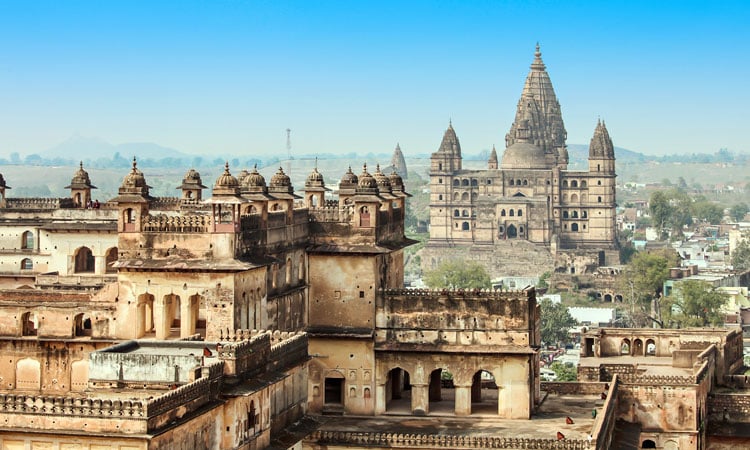
A former palace where Rama is worshipped as a king is a fairly intriguing introduction to a town.
That is Ram Raja Temple, one of Orchha’s active places of devotion. Visit with respect for worshippers and local customs; this building has a role in everyday life that goes well beyond its appeal to visitors.
The palace complex reveals another side of Orchha. Raja Mahal features painted interiors that deserve a closer look, while Jahangir Mahal draws you in with its courtyards and latticework. Beside the Betwa River, the domed chhatris commemorate former Bundela rulers.
Orchha’s main monuments can be explored in a day, but an extra night gives you time for the riverfront, evening views, and a more relaxed visit.
With an extra day, you can return to the river toward evening, explore the town at your own pace, or simply relax at your hotel between guided visits.
For international travelers arriving after a long journey, three nights in Orchha can provide a comfortable start. This allows two full days for sightseeing before continuing to Khajuraho and Panna, where early safari departures may be part of the schedule.
Khajuraho: Look Beyond the Carvings Everyone Mentions
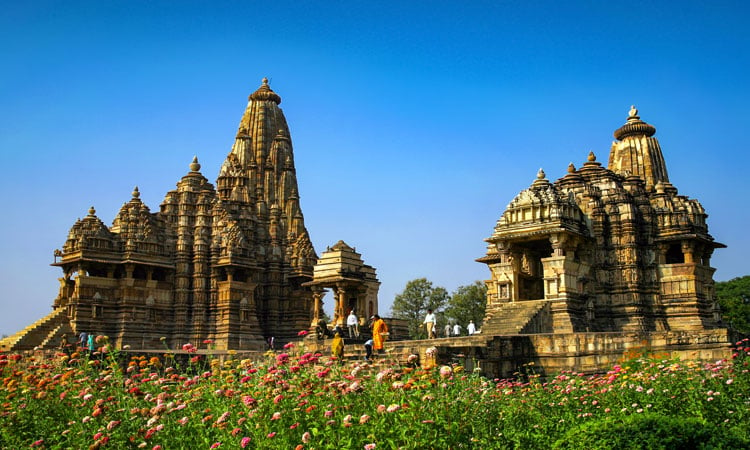
Khajuraho is widely known for its erotic sculptures, but these represent only a small part of the extraordinary artwork found across its temples.
The temple walls also depict musicians, dancers, warriors, deities, and scenes from everyday life. Look closely at the jewelry, clothing, expressions, and smaller decorative details. They reveal much about the artistic skill and cultural traditions of the Chandela period.
The UNESCO-listed monuments were built under the Chandela rulers, largely between the 10th and 11th centuries, and include Hindu and Jain temples.
Begin with the Western Group. At Kandariya Mahadeva, stand back to appreciate the rising towers before examining the sculpture. Seeing the building as a whole makes its individual details even more impressive.
This is a good place to book a knowledgeable guide. Ask what the figures represent and how the sculpture relates to the architecture. You’ll get much more from the visit than a quick introduction to the most photographed carvings.
Two nights work well: arrive, enjoy a substantial temple visit the following day, and leave room for further exploring if your interest holds. Spread the temple visits across the day, with time for lunch and a break between the major complexes.
Panna: The Safari That Fits the Journey
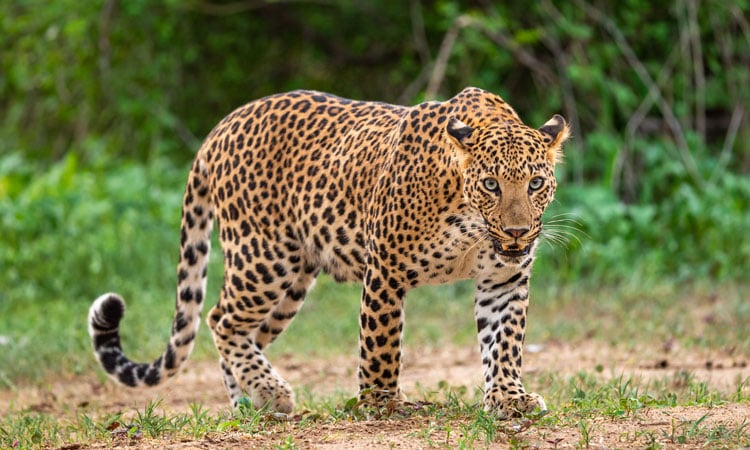
Panna Tiger Reserve is a convenient wildlife addition to a Khajuraho trip. The reserve’s Madla Gate is approximately 25 kilometers (16 miles) from Khajuraho, making it possible to combine temple sightseeing with a safari experience.
Actual travel times depend on your hotel location and the safari entry gate assigned to your booking.
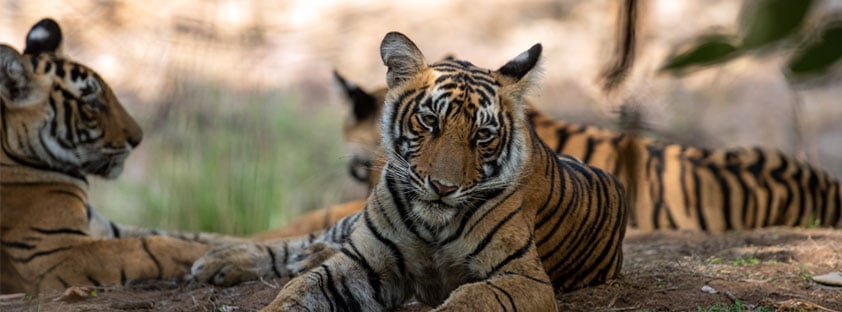
The Ken River flows through forests, rocky gorges, and plateaus, creating a varied landscape for wildlife. The reserve is home to tigers, sambar deer, spotted deer (chital), and several species of vultures.
While spotting a tiger is a major attraction, the reserve’s birds, other wildlife, and landscapes are equally worth appreciating.
Tiger sightings are never guaranteed, so it’s worth paying attention to the smaller wildlife, birds, and landscapes along the way.
Ask about the tracks beside the road or the bird your guide has stopped to identify. Understanding a little more of the forest makes the drive absorbing even when its most famous resident remains out of sight.
Consider three nights near Panna, with two or three drives, subject to permits. Staying near the reserve allows time between outings and avoids repeated journeys from Khajuraho. Confirm the lodge-to-gate transfer before booking; “near the park” can mean different things in practice.
How to Combine Orchha, Khajuraho and Panna
For an unhurried nine-day regional itinerary, use three bases:
| Days | Stay | Suggested plan |
|---|---|---|
| 1–3 | Orchha: three nights | Arrive and settle in, then spend two days exploring the palaces, temples and Betwa riverfront. |
| 4–5 | Khajuraho: two nights | Travel on day four and keep the next morning for the main temple visit. |
| 6–8 | Panna area: three nights | Transfer to your lodge and spread your booked safaris across the stay. |
| 9 | Onward journey | Leave for your confirmed rail or flight connection. |
These are suggested stays, with international travel and any gateway-city nights additional.
Jhansi is a useful rail gateway for Orchha. Continue by road to Khajuraho, allowing roughly four to five hours as a planning estimate, depending on traffic, stops and your exact hotels. Keep the main temple visit for the following day.
The move from Khajuraho towards Panna is shorter, but an afternoon safari still needs to fit the lodge transfer and reporting time. Check onward connections before fixing the direction; reversing the circuit may suit your dates better.
Have fewer nights? Khajuraho and Panna make the most compact pairing. Want Kanha or Bandhavgarh specifically? Build around your preferred reserve first, then choose heritage stops that fit its location.
Tempted by Maheshwar and Mandu? Treat Them as a Separate Circuit
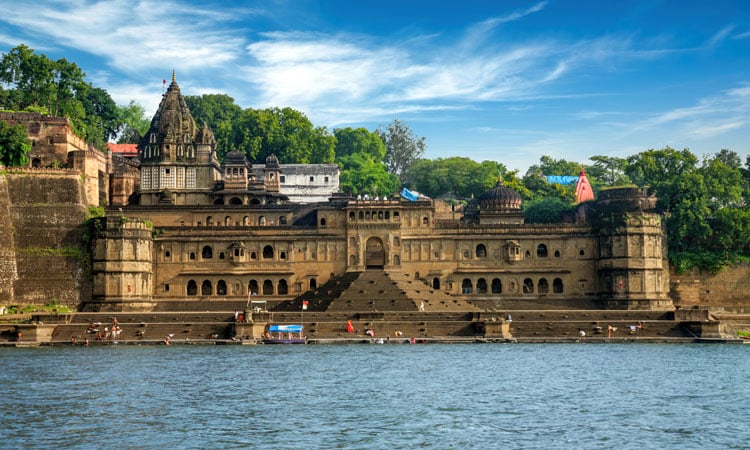
Maheshwar is the place to consider if textiles, architecture and riverfront life appeal to you.
Its Maheshwari fabrics include cotton and silk blends, with designs drawing inspiration from the fort, the Narmada and local plants. Arrange a weaving visit where available, and ask about the patterns before browsing the finished pieces. A souvenir becomes much more interesting when you understand what you’re looking at.
Nearby Mandu offers a different setting. Jahaz Mahal, the Ship Palace, stands between two bodies of water, its long, narrow form explaining the name. The traditions surrounding Baz Bahadur and Roopmati add another reason to explore; ask a guide where documented history meets local legend.
Maheshwar and Mandu are around 65 kilometres apart, with Madhya Pradesh Tourism allowing approximately two hours for the drive. They work well together as a western heritage circuit. They are not a quick addition to the Orchha–Khajuraho–Panna route, so keep them for a longer holiday or a separate visit.
When to Plan Your Wildlife and Heritage Holiday
November to February is a sensible starting point for combining safaris with walks around temples and towns. Bring warm layers for early drives, even when the afternoons feel comfortable.
October and March can also work, depending on your dates and tolerance for warmer weather. Panna’s broader visitor season runs from October to June, but confirm current opening dates, safari availability and any zone-specific restrictions before booking.
Keep the Safari. Make Room for the Rest.
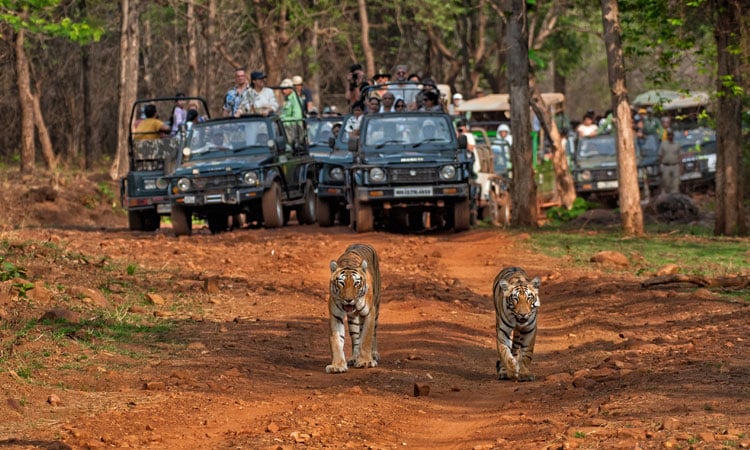
Perhaps Panna and Khajuraho already sound like your kind of holiday. Or perhaps Orchha’s painted rooms and Maheshwar’s weaving have caught your attention.
Those interests are a better starting point than a long list of places to tick off.
Explore Indian Holiday’s Madhya Pradesh tour packages and ask about shaping a route around the experiences you want most. Share your preferred balance of safari drives, guided heritage visits and time to yourselves.
A safari may be what brings you to Madhya Pradesh. The temples, heritage towns, and local experiences could be what makes you want to return.