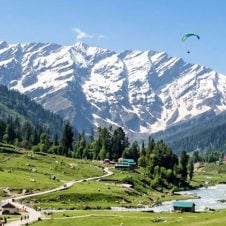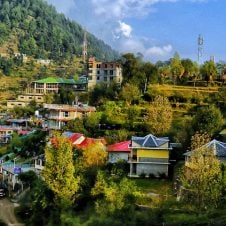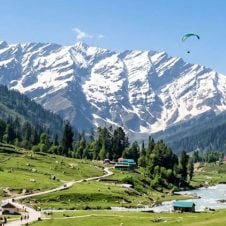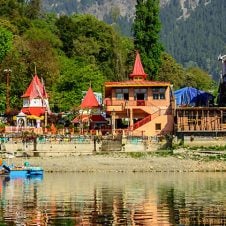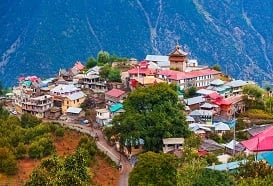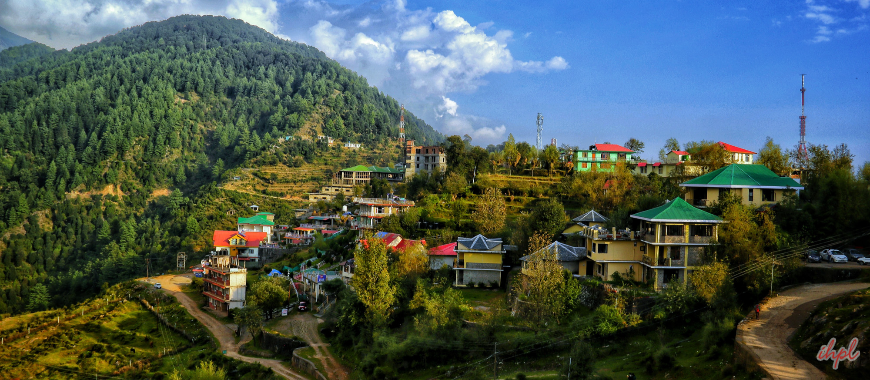

Kalpa is a charming Himachali village that offers endless opportunities for relaxation and exploration. Discover its offbeat charm and enjoy natural beauty, adventure, and cultural richness. Here, you will find a variety of activities for every type of tourist. Adventure seekers can enjoy thrilling treks along scenic trails.
Meanwhile, nature lovers find peace in serene walks through apple orchards and forests. The rich Tibetan cultural influence is noticeable in local markets that attract culture enthusiasts. Besides that, you can shop for unique crafts and souvenirs. Capture the stunning landscapes with your camera, creating memories that last a lifetime. Below is the list of things to do in Kalpa to make your trip eventful and memorable.
Explore 6 nights 7 days Himachal tour package
Adventure Activities in Kalpa
Kalpa offers thrilling adventures like trekking and hiking, perfect for adrenaline seekers. Explore challenging trails and enjoy the breathtaking mountain scenery, making every step an exciting journey.
Trekking
- Highlight: Trek the scenic Kinner Kailash Range Circuit for breathtaking views and an adventurous journey. This activity gives you a complete sense of achievement and keeps you engaged with its thrilling vibe.
- Suggestion: Ensure proper acclimatization before starting this trek, as it has a high elevation.
Rock Climbing
- Highlight: Challenge yourself on natural rock formations around Kalpa for an exhilarating climbing experience.
- Suggestion: Use appropriate safety gear and check weather conditions before enjoying this outdoor activity.
Nature Exploration in Kalpa
Places to see in Kalpa offer natural beauty, including serene walks through apple orchards and pine forests. Discover diverse flora and fauna and experience the tranquility of this picturesque Himalayan landscape.
Scenic Drives
- Highlight: Enjoy picturesque routes with breathtaking views of the Himalayas. There are many opportunities to enjoy scenic rides that offer stunning mountain and valley scenery.
- Suggestion: Drive during daylight hours for the best views and safety.
Explore Kalpa Apple Gardens
- Highlight: Take leisurely walks amidst lush apple orchards in full bloom. Witness beautiful, fragrant blossoms that you can also capture in your camera.
- Suggestion: Visit during harvest season for the freshest experience.
Check out Himachal pradesh Tour Packages, Spiti valley tour packages, Shimla Tour Packages, Palampur Tour Packages, Mcleodganj tour packages
Cultural Experiences
Engage with Kalpa’s rich cultural heritage by visiting local markets, witnessing traditional dances, and participating in festivals. Experience the vibrant customs and unique traditions of this charming village.
Kalpa Monastery
- Highlight: Visit Kalpa Monastery and get insight into ancient Buddhist traditions and architecture. Admire its intricate Tibetan Buddhist artwork and scriptures.
- Suggestion: Respect monastery rules and customs during your visit.
Roghi Village
- Highlight: Take a tour of this village to understand local Himachali culture better. Enjoy Himachali cuisine at Roghi Village and experience warm hospitality while staying in traditional wooden houses.
- Suggestion: Try local delicacies like Himachali Dham for an authentic taste experience.
Sightseeing in Kalpa
Explore Kalpa’s stunning landscapes and scenic viewpoints. Capture the panoramic vistas of the majestic mountains and valleys, and enjoy the serene beauty of this offbeat destination while enjoying Kalpa sightseeing.
Don’t miss these iconic views—check out Places to Visit in Kalpa.
Suicide Point
- Highlight: From this Kalpa Viewpoint, witness stunning sunset views over the Himalayas. Spectacular panoramic views of snow-capped peaks and bird chirping are the only silence breakers here, and they uplift your experience.
- Suggestion: Exercise caution and stay within safe areas for photography.
Chaka Meadows
- Highlight: Visit this Meadow for a serene and peaceful atmosphere amidst nature. You can spend a restful time and admire lush greenery.
- Suggestion: Enjoy your picnic and relax amidst the natural beauty of the meadows.
Check out Manali Tour Packages, Kufri tour packages, Khajjiar tour packages, Kalpa tour packages, Chail tour packages
Leisure Activities in Kalpa
Relax and unwind in Kalpa’s peaceful environment. Enjoy strolls, soak in the scenic views, and experience the slow-paced village life that offers a perfect escape from the hustle.
Photography
- Highlight: Use your camera to capture Kalpa’s natural beauty and cultural richness. There is no shortage of stunning landscapes and vibrant local life in Kalpa, so make sure to be ready with your camera.
- Suggestion: Visit early morning or late afternoon for the best light.
Shopping
- Highlight: Enjoy a Shopping spree in the local markets, where you can purchase handmade crafts and unique souvenirs. You can also find authentic Himachali textiles and traditional artifacts.
- Suggestion: Bargain respectfully and support local artisans by purchasing directly from them.
Discover Kalpa Charm with Indian Holiday
Explore the captivating charm of Kalpa with tour packages from Indian Holiday. Our customizable tours include activities that fit your preferences so you can get the best of this town. Whether you seek serene mountain hikes, cultural explorations, or simply relaxing amidst stunning landscapes, these tour packages have it all for you.
While enjoying a holiday in Kalpa, you can cover local traditions, savor delectable cuisine, and unwind in comfortable accommodations. Embrace the charm of Kalpa your way with our expertly crafted tour designed to create unforgettable memories.
Browse through our Shimla tour packages from Mumbai, Shimla tour packages from Chennai, Manali tour packages from Jaipur