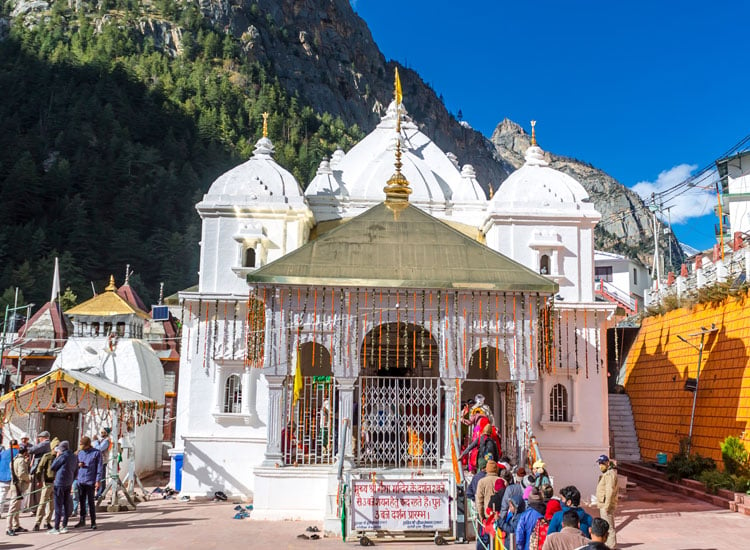
Gangotri is a small town in the Garhwal Himalayas of Uttarakhand, known as the source of the Ganga. It holds deep religious importance, with the Gangotri Temple at its centre drawing thousands of pilgrims each year. Beyond its spiritual side, the town is surrounded by high peaks, pine forests, and trails that lead to glaciers and meadows. Visitors come here both to take part in the rituals of the temple and to experience the landscape that has shaped legends for centuries. This guide introduces some of the best places to visit in Gangotri.
Best Places to Visit in Gangotri
1. Gangotri Temple
Best months: May to June, September to October
Key attraction: Daily aartis and riverbank rituals
The Gangotri Temple was built in the 18th century by Gorkha General Amar Singh Thapa. It is dedicated to Goddess Ganga. The temple is built on the banks of the Bhagirathi River. Tourists find the sound of temple bells and the gushing river soothing to the ears after the chaos of busy cities.
2. Gaumukh Glacier
Best months: May to June, September to early October
Key attraction: The snout of the Gangotri Glacier is the source of the Ganga
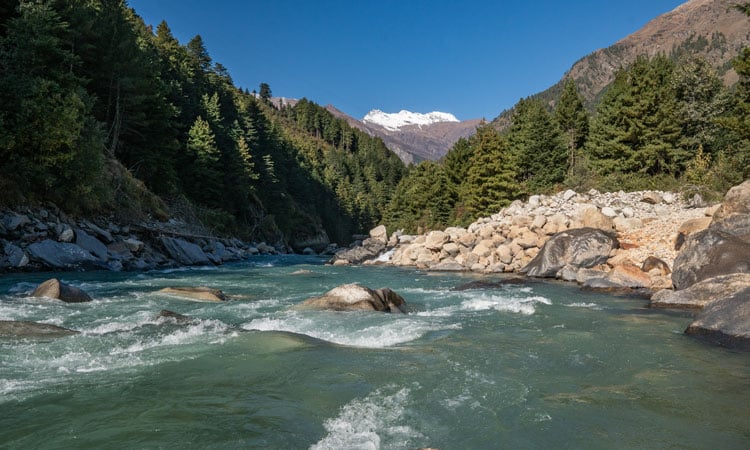
Gaumukh is the snout of the Gangotri Glacier and the official source of the river Ganga. The trekking trail to Gaumukh winds past pine forests, streams, and meadows, while distant Himalayan peaks peek along the way. At the glacier, one sees the beautiful sight of the mighty river emerging from beneath layers of ancient ice. Trekkers often combine this route with Tapovan for a more extended adventure.
3. Bhagirathi Shila
Best months: May to October
Key attraction: Sacred rock linked to King Bhagirath’s meditation
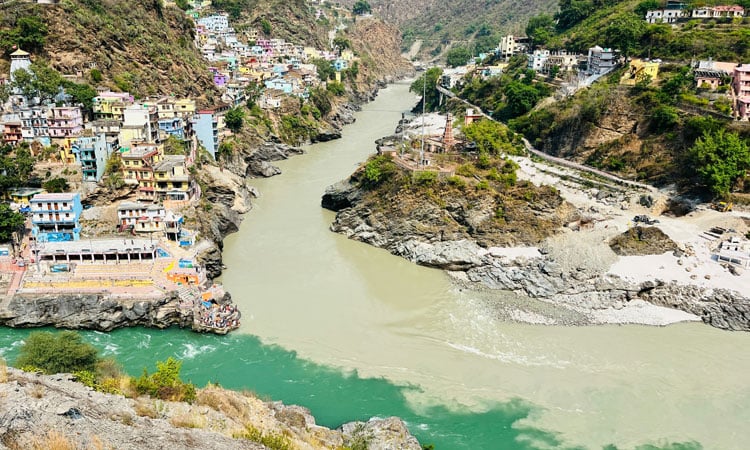
Bhagirathi Shila is a sacred rock where King Bhagirath is believed to have meditated to bring the holy Ganga down to Earth. This stone holds immense spiritual weight for worshippers, and people come from far and wide to offer their prayers here.
Complete your pilgrimage—book the Gangotri Badrinath Kedarnath Yatra now.
4. Pandava Gufa
Best months: May to October
Key attraction: Cave believed to have been the meditation spot for the Pandavas
Around 1.5 km from Gangotri is a cave said to have sheltered the Pandavas during their journey to the Mount Kailash. The trail to Pandava Gufa cuts through thick deodar forests and mountain paths. The experience is both a mythological and a natural exploration.
5. Tapovan
Best months: May to June, September
Key attraction: High-altitude meadow with views of Shivling Peak
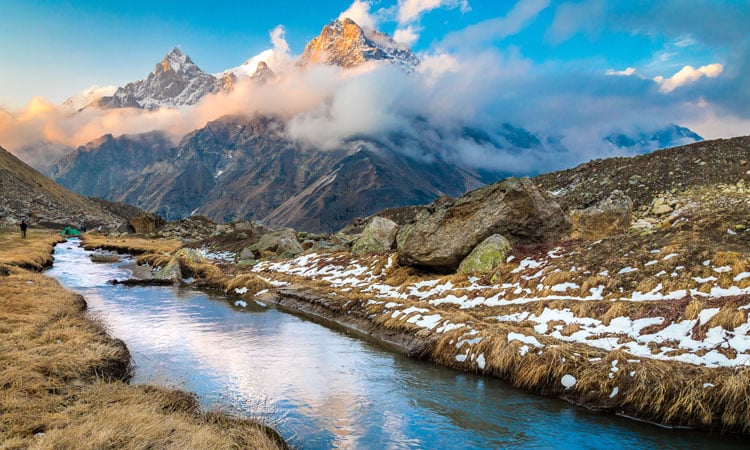
A trekker’s delight, Tapovan lies above Gaumukh at around 4,463 metres. This high-altitude meadow offers sweeping views of Shivling Peak, one of the most famous mountains in India. A magical place, Tapovan is carpeted with alpine flowers and scattered with tents of meditating monks.
Short on time? Try the Gangotri Yamunotri Yatra for spiritual fulfilment.
6. Surya Kund and Gauri Kund
Best months: May to October
Key attraction: Surya Kund’s waterfall and Gauri Kund’s sacred pool.
Surya Kund and Gauri Kund are among the town’s most visited natural spots. Surya Kund is a waterfall where the Bhagirathi River cascades into a rocky gorge. The deafening roar of the waterfall creates a surreal effect. Across a small iron bridge lies Gauri Kund, a pool linked with the legend of Goddess Parvati. Pilgrims often stop here for ritual bathing.
7. Harsil Valley
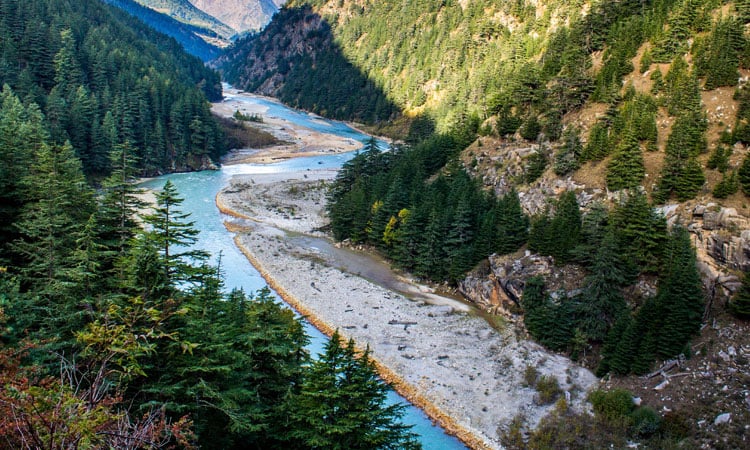
Best months: April to June, September to November
Key attraction: Apple orchards, pine forests, and river views
8. Jalmagna Shivling
Best months: May to early June, September to October (when river levels are low)
Key attraction: Natural rock Shivling linked to the descent of the Ganga
The Jalmagna Shivling is a natural rock formation that remains submerged for most of the year. According to legend, this is where Lord Shiva received the Ganga in his matted locks before releasing her to flow on Earth.
How to Plan Your Trip
1. Best Time to Visit: May to June and September to October are the best months to travel to Gangotri. Winters bring heavy snowfall, and the temple shuts for six months.
2. Permits: Treks to Gaumukh and Tapovan require permits from the Forest Department, and are available at Uttarkashi.
3. Getting There: The nearest airport is Jolly Grant in Dehradun. The closest railway station is Rishikesh, which is a good 234 km away.
4. Where to Stay: Gangotri has hotels and lodges for all budgets and requirements
Want help planning your Gangotri trip? Contact our trip planners or drop a message on WhatsApp, and we will help plan and execute the perfect Himalayan journey.
FAQs
Q: How many days should I spend in Gangotri?
Ans: A 3- or 4-day trip will give you enough time to visit the temple, nearby sacred spots, and pursue short treks . Add 2–3 more days if you plan to trek to Gaumukh and Tapovan.
Q: What is Gangotri famous for?
Ans: It is best known as the source of the Ganga, the Gangotri Temple, and treks like Gaumukh Tapovan.
Q: Can Gangotri be combined with other Char Dham sites?
Ans: Yes. Most travellers combine it with Yamunotri, Kedarnath, and Badrinath as part of the Char Dham Yatra.