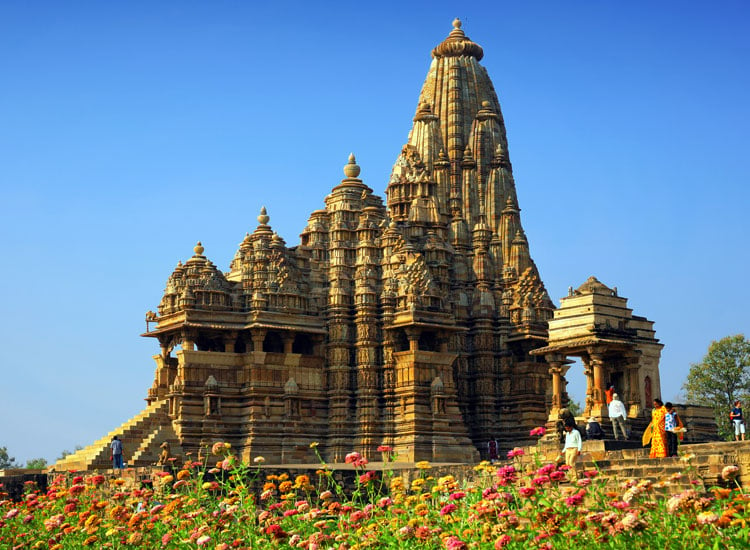
Khajuraho, a UNESCO World Heritage Site in Madhya Pradesh, is famous for its stunning temples, intricate sculptures, and centuries-old architecture. This historic town beautifully blends spirituality, art, and culture, offering visitors a journey that reminisces India’s rich past. Whether you’re a history lover, photography enthusiast, or someone seeking peaceful surroundings, Khajuraho has something unique to offer.
Join us as we uncover the most famous temples in Khajuraho, share useful travel tips, and guide you to planning a seamless trip.
Kandariya Mahadeva Temple
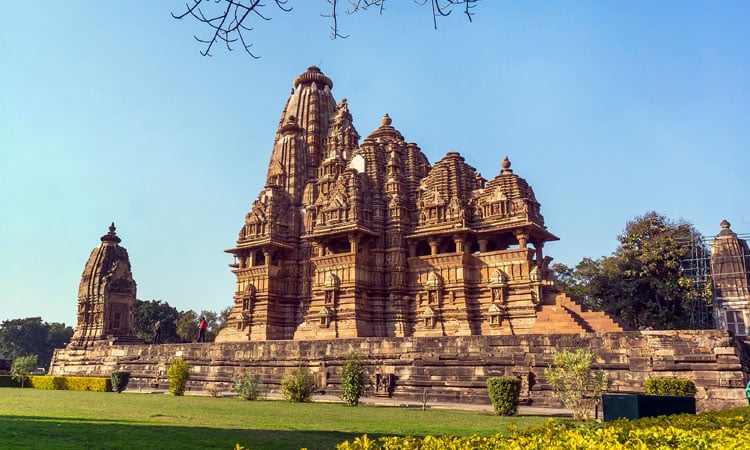
Best month: October to March
Key attraction: The breathtaking sculptures that depict various aspects of life, mythology, and devotion.
The Kandariya Mahadeva Temple is the largest and most ornate temple in Khajuraho. Dedicated to Lord Shiva, it showcases over 800 sculptures depicting deities, celestial beings, and intricate patterns that highlight the peak of Chandela art and architecture. The temple’s towering spires resemble Mount Meru, believed to be the center of the universe in Hindu mythology, making it both spiritually and artistically significant.
Explore temples and heritage on a 3 Days Trip to Khajuraho.
Lakshmana Temple
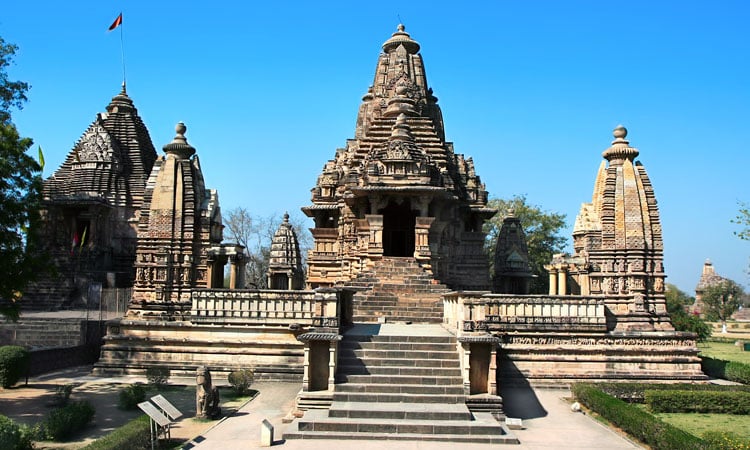
Best month: November to February
Key attraction: The detailed carvings on the outer walls that illustrate themes from Hindu epics.
One of the oldest temples in the Khajuraho complex, the Lakshmana Temple is dedicated to Lord Vishnu. The temple is known for its perfect proportions, intricate carvings, and a sanctum that houses a striking idol of Vaikuntha Vishnu. Its architecture is a masterpiece, symbolizing balance, devotion, and attention to detail, making it a must-visit among the famous places in Khajuraho.
Don’t miss the chance to explore this temple to gain a deeper appreciation for Khajuraho’s heritage.
Chitragupta Temple
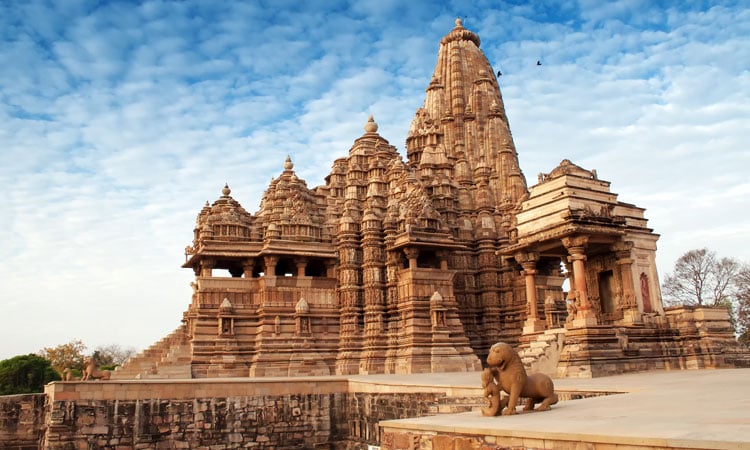
Best month: October to February
Key attraction: The rare representation of Surya and dynamic life scenes carved into the walls.
Chitragupta Temple is dedicated to Surya, the Sun God, and is unique in the Khajuraho group for this reason. Its carvings include depictions of royal processions, hunting scenes, and celestial beings. The temple is especially known for a large image of Surya driving a chariot pulled by seven horses, showcasing the grandeur and symbolic richness of Chandela artistry.
Include this temple in your journey for a glimpse of Khajuraho’s artistic diversity.
Devi Jagdambi Temple
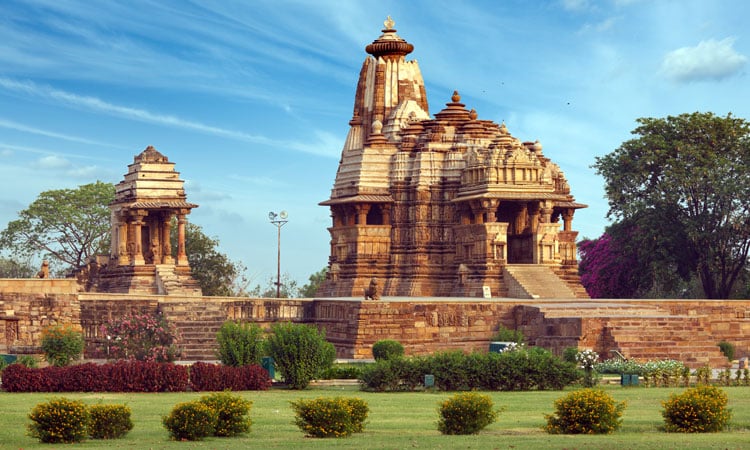
Best month: November to March
Key attraction: Exquisite carvings representing both divine and worldly themes.
Initially dedicated to Lord Vishnu but later associated with Goddess Parvati, Devi Jagdambi Temple stands out for its graceful carvings and serene ambiance. The temple features intricate sculptures that capture feminine beauty, divine grace, and spiritual energy, offering a slightly different tone compared to other Khajuraho temples.
Visit this temple to enjoy Khajuraho’s subtle blend of devotion and art.
Parsvanath Temple
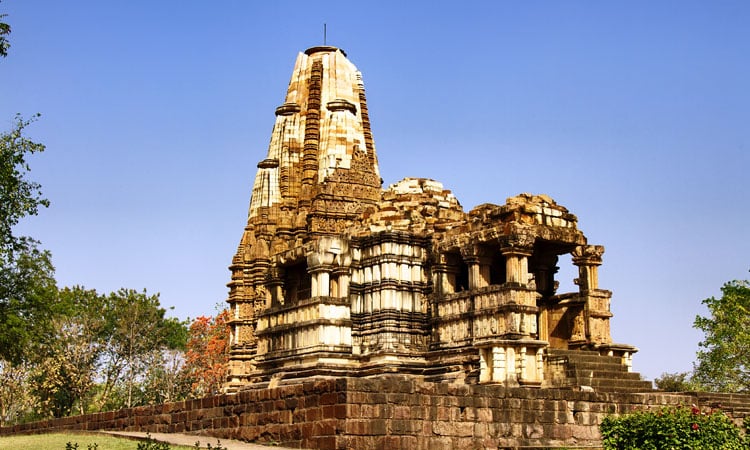
Best month: December to February
Key attraction: Sculptures depicting both human and celestial beings with remarkable attention to detail.
Parsvanath Temple is part of the Eastern Group of Temples and is the largest Jain temple in Khajuraho. It is dedicated to Parsvanath, the 23rd Tirthankara of Jainism, and reflects a serene, spiritual atmosphere. The temple’s sculptures focus less on sensuality and more on grace, divinity, and everyday life, making it unique among the Khajuraho temples.
If you appreciate Jain culture and peaceful surroundings, the Parsvanath Temple should be part of your trip.
Duladeo Temple
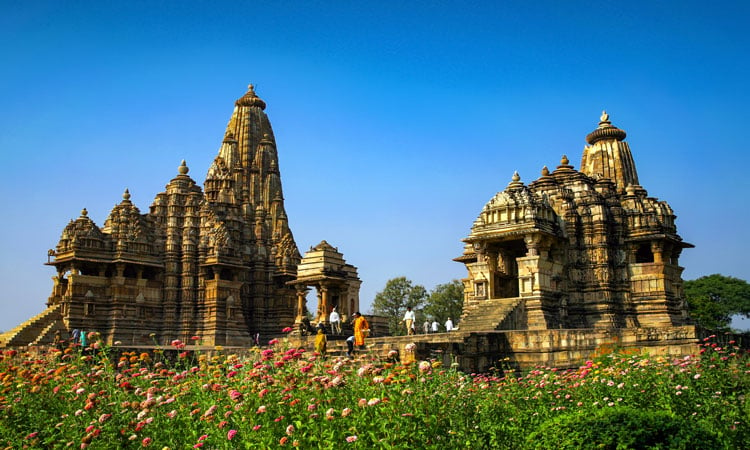
Best month: October to March
Key attraction: The sculpted celestial dancers showcase fluidity and elegance.
Duladeo Temple, dedicated to Lord Shiva, belongs to the later period of Khajuraho’s temple construction. Its carvings display a softer, more graceful style with beautiful celestial maidens and decorative motifs. Though less elaborate than earlier temples, Duladeo has its own charm, representing the final phase of Chandela architecture.
Add Duladeo Temple to your list to understand how Khajuraho’s artistic tradition evolved.
Adinath Temple
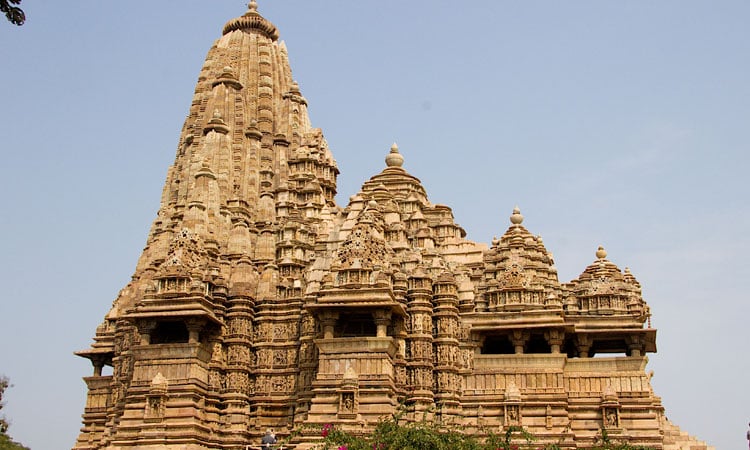
Best month: November to February
Key attraction: Sculptures that balance simplicity with refined detail.
Dedicated to the first Jain Tirthankara, Adinath Temple offers a peaceful experience with elegant carvings and a quiet ambiance. The temple’s architecture beautifully blends Hindu and Jain styles, symbolizing the cultural harmony of the era. It’s a wonderful place to sit quietly and reflect on the spiritual history of Khajuraho.
How to Plan Your Trip to Khajuraho
Planning a trip to explore the famous places in Khajuraho is simple if you consider a few essentials. The nearest airport is in Khajuraho itself, with connections from major cities like Delhi and Varanasi. The town is also accessible by train and well-connected by road. Allocate at least two days to visit all the major temples at a comfortable pace.
Stay options range from budget guesthouses to premium hotels, many of which are close to the Western Group of Temples. Hiring a licensed guide enhances the experience, as they provide valuable insights into the history, symbolism, and artistic techniques of the sculptures.
The best time to visit is from October to March, when the weather is pleasant. Carry comfortable shoes, water-bottle, and a camera, as you’ll be walking and exploring a lot. Be respectful of the sacred nature of these sites—photography is allowed, but maintaining decorum is important.
Related Blogs and Packages
Khajuraho is a living testament to India’s glorious architectural and cultural heritage. Each temple tells a story—of devotion, art, community, and timeless craftsmanship. Exploring the famous temple in Khajuraho isn’t just about visiting ancient structures; it’s about experiencing a chapter of history that continues to inspire awe centuries later. Whether you’re traveling for spirituality, history, or art, Khajuraho promises a journey that leaves a lasting impression.
Do you need help in planning this trip? Connect with us today!