 This guide is an endeavour to acquaint you with travel requirements, planning, preparation, packing tips as well as to acquaint you with top tourist attractions and places to visit in India.
Entry Requirements
The first step towards planning a vacation in India is to acquire a tourist visa. It must be done in advance as India doesn’t have visa on arrival service at its airports. The Embassy of India in the United States has outsourced visa applications to Travisa Outsourcing. To apply for Indian tourist visa, you must have a valid passport with at least two blank pages, a completed application form, proof of address (utility bill or driver’s license photocopy), birth certificate copy, and the relevant fees paid by certified check or money order. Applications may be submitted to a Travisa center either in person or by mail. The standard tourist visa lasts for six monthHealth and Safety
 India has a reputation for unsanitary condition which is mostly myth. Centers for Disease Control’s health recommendations are for the most part standard for AsiaThe CDC recommends vaccination for typhoid and polio. If you seek to pursue outdoor adventure sports then add rabies and Japanese encephalitis. You should also bring antimalarial medication, as well as insect repellents for both malaria and other insect-borne diseases especially if you are traveling to Himalayan region. Avoid tap water in India as much as you can.
General Tips for Vacation in India
- Get professional and up-to-date advice regarding vaccinations, antibiotics, and anti-malarial medication.
- Carry ORS packets and charcoal capsules. Make sure you stay hydrated all the time. That’s the key to you not getting sick.
- Always carry small bottles of sanitizer and tissue packets.
- Earplugs and head phones are a must as India is a noisy place.
- Electrical adapter.
- A good-quality flashlight for power outages.
- Quick dry towel.
- Money belt
- A daypack and/or a small-ish bag you can carry very safely.
- Reusable water bottle. Please don’t add to India’s plastic bottle pollution problem
- Wearing scanty clothes should better be avoided in India. Dress as modestly as possible. Also, instead of carrying all those clothes with you that increase your baggage, you should buy most of clothing that you’ll use day to day in India itself. Indian clothes are inexpensive, colorful, comfortable and they suit the climate and the culture. People in India actually appreciate it if you buy traditional Indian attire. It also shows your willingness to bridge cultures.
- Bring a portable charger, especially for long rides. Carry extra camera batteries if you love photography.
- Do carry sunscreen with you all the time. Apply liberally as the smog often masks the intensity of the sun.
What to bring in India
- 1 long skirt (to cover knees)
- 1 maxi dress
- 1 pair loose or khaki pants (2-3 pairs for men in lieu of skirts/dresses)
- 1 long-sleeve, cotton button-down shirt
- 3 shirts
- 1 tank top
- 2 tunics (bought in India— 1 short sleeve, 1 long sleeve)
- 1-2 pairs quick-dry leggings/yoga pants
- 4-5 pairs of underwear
- 5 pairs quick-dry socks
- 2 bras (1 sports bra, 1 regular)
- 2 scarves (or buy them in India)
- 1 hoodie or lightweight sweater
- 1 bathing suit
- 1 pair sneakers
- 1 pair flip flops or walking sandals
- 1 pair shorts (only if you are in the south and plan on spending time on the beach)
What NOT to bring to India
- DON’T BRING too many clothes. You can buy clothes cheaply in India and can get the local dress so that you fit in better and feel more comfortable
- DON’T TAKE too much cash. ATMs are the safest way to get local cash and they are everywhere across India.
- DON’T BRING expensive jewelry. It’s just not worth risking losing it or getting it stolen.
- DON’T PACK your computer. Unless you really need it and it’s a lightweight.
- DON’T TAKE other unnecessary electronics.
- DON’T BRING too many books. You can always buy them in India if you want to read.
- DON’T PACK too many toiletries but do bring your favorites. Soap, shampoo and toothpaste etc are widely available in India.
- DON’T BRING bulky towels. Instead bring a simple travel towel.
- DON’T PACK more than one set of warm clothes unless you are traveling to Himalayan region (Himachal Pradesh, Kashmir or Ladakh or North East Indian states like Sikkim).
Must See Attractions in India | Places to Visit in India
The Taj Mahal, Agra
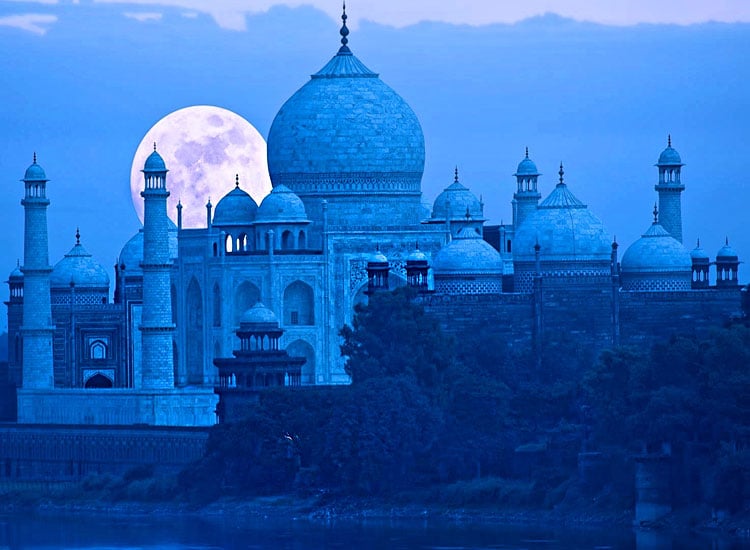 Unarguably the most famous landmark of India, Taj Mahal is a UNESCO inscribed World Heritage Site. Taj Mahal is where all the who’s who visiting India take time to visit and have a photo taken. From Princess Diana, Obama and who not. Taj Mahal was built by Mughal Emperor Shah Jahan in memory of his beloved wife Mumtaj. This white marble marvel took 20,000 labourers working for 20 years to get constructed. Taj Mahal is located in Agra, Uttar Pradesh and a must visit place to visit during your vacation in India.
Explore Packages to Plan your Visit to Taj Mahal
The Holy City of Varanasi
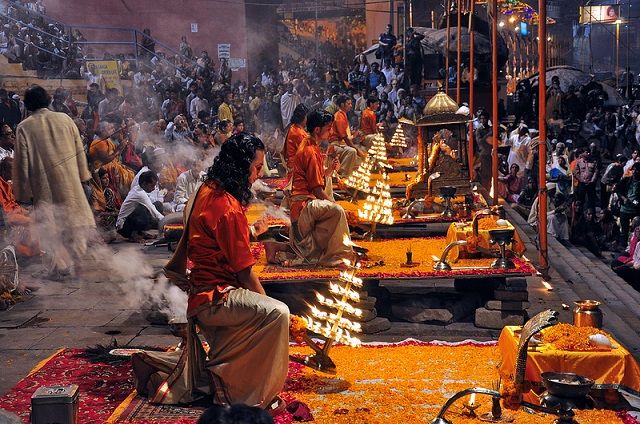
Explore Packages to Plan your Trip to Varanasi
The Golden Temple of Amritsar
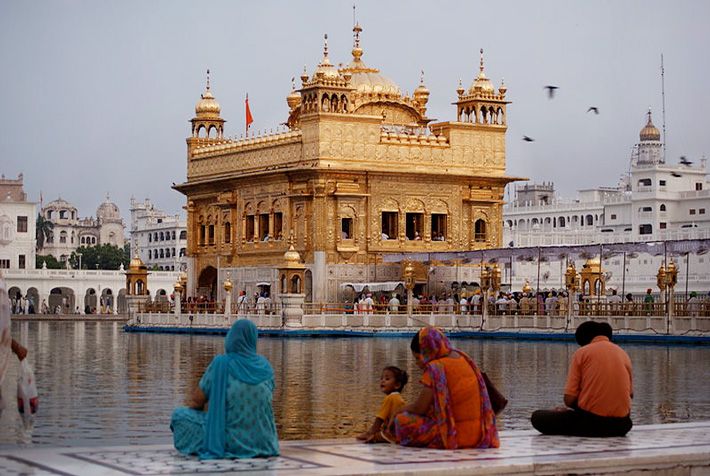
Explore Packages to Plan your Trip to Amritsar
Amer Fort, Jaipur
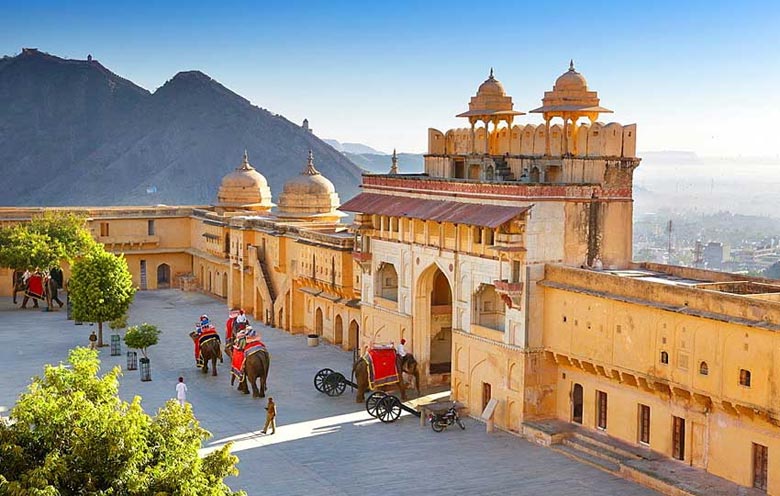
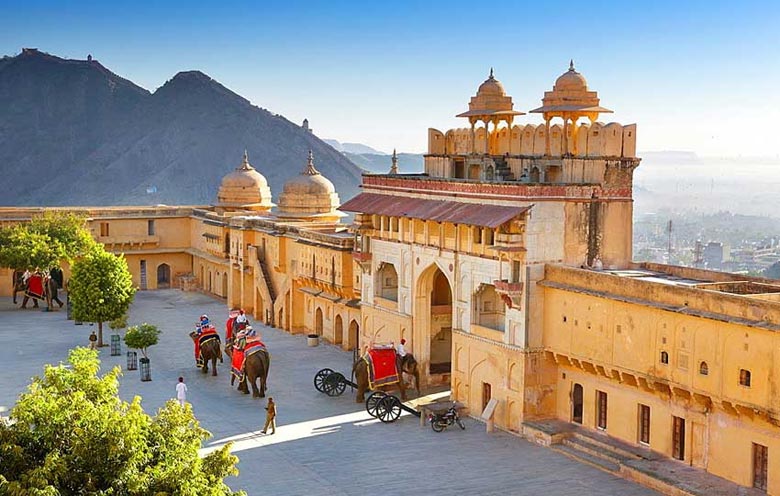 Located in Jaipur, Rajasthan, Amer Fort is known for its remarkable fusion of Rajputana and Mughal architectural style. Overlooking Maota Lake which is also its water source, Amber Fort is build entirely of red sandstone and marble. There are several buildings inside the fort including Diwan-i-aam, Diwan-i-khas, Sheesh Mahal and Sukh Mahal. The fort was built by Maharaja Man Singh in 16th Century. There are 16 ladies hall/bedrooms in the fort and as the folklore goes, it is said that maharaja built them for his 16 wives so that he could pay them a visit privately without others knowing about it.
Explore packages to Plan your Trip to Jaipur
Ajanta & Ellora Caves, Aurangabad
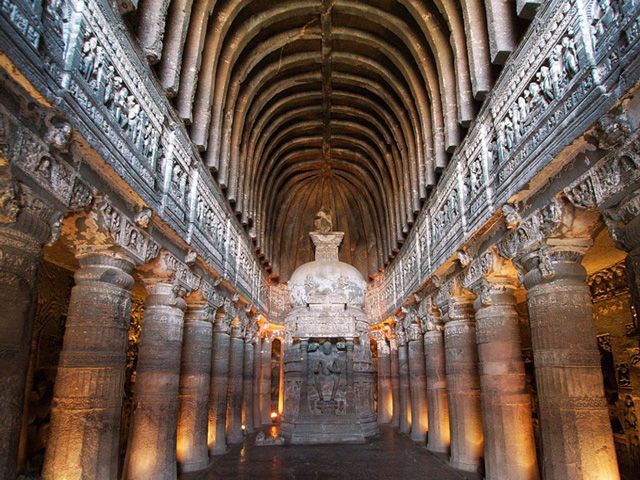 A set of 29 caves, Ajanta Caves is among the finest examples of some of the earliest Buddhist architecture, cave paintings and sculptures. It was used by Buddhist monks for study of Buddhist teachings and meditation purposes. Whereas Ajanta Caves are renowned for their paintings, Ellora Caves are famous for their grandiose sculptures. There are a total of 34 caves in Ellora, out of which 12 are Buddhist caves, 17 are Hindu and 5 are Jain caves. Both Ajanta and Ellora Caves have been inscribed by UNESCO as World Heritage Sites.
Somnath Temple
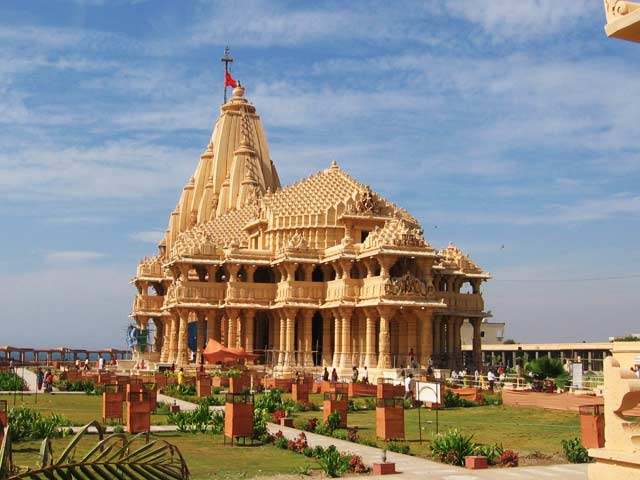 One of the 12 Jyotirlingas and revered Hindu pilgrimage sites, Somnath Temple in Gujarat is renowned for its fine architecture. The temple is believed to be the place from where Lord Krishna ended his lila (life) and left for heavenly abode. Somnath Temple was destroyed repeatedly by invaders and rulers especially Mahmud of Ghazni. In total, it is believed that the temple was destroyed and reconstructed at least 17 times. The present temple was reconstructed under the orders of Vallabhbhai Patel in 1951 in Chalukya Style of Hindu Architecture.
Explore Packages to Plan your Gujarat Trip
Mahabodhi Temple, Bodhgaya
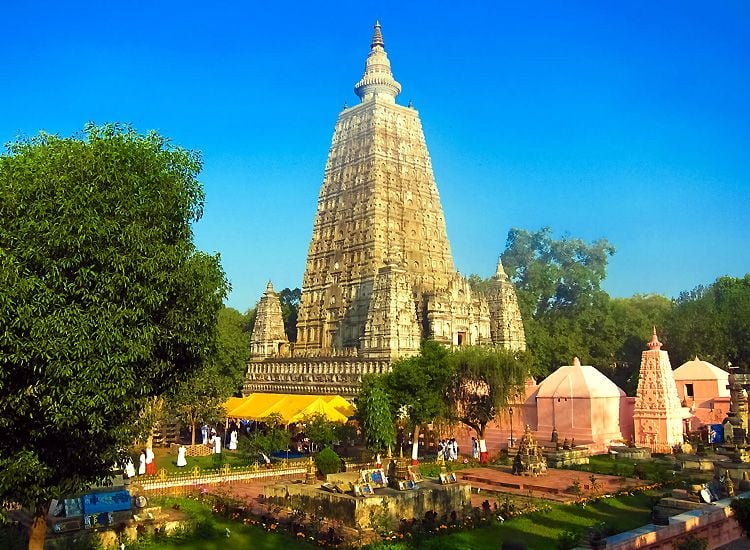 Inscribed as a UNESCO World Heritage Site, Mahabodhi Temple holds great philosophical and cultural importance. This is believed to be where Gautama Buddha attained enlightenment, a historical event that shaped and still shapes human thoughts and beliefs. The temple is located in Bodhgaya, Bihar. This temple was built by Emperor Ashoka in 3rd Century CE.
Sun Temple, Konark
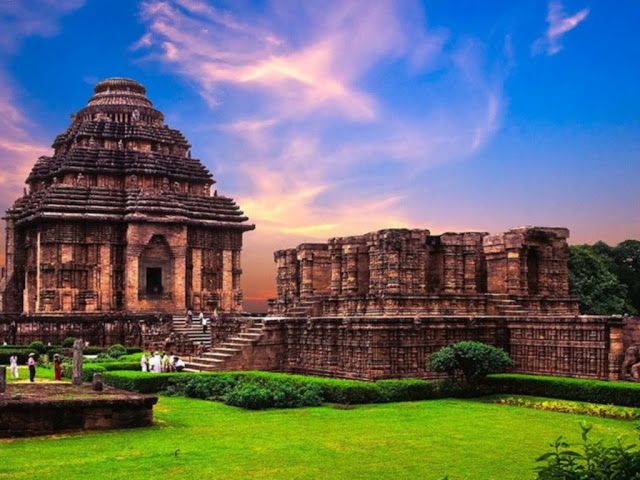
Explore Packages to Plan your Trip to Odisha
Mehrauli Archaeological Park & Qutb Complex, Delhi
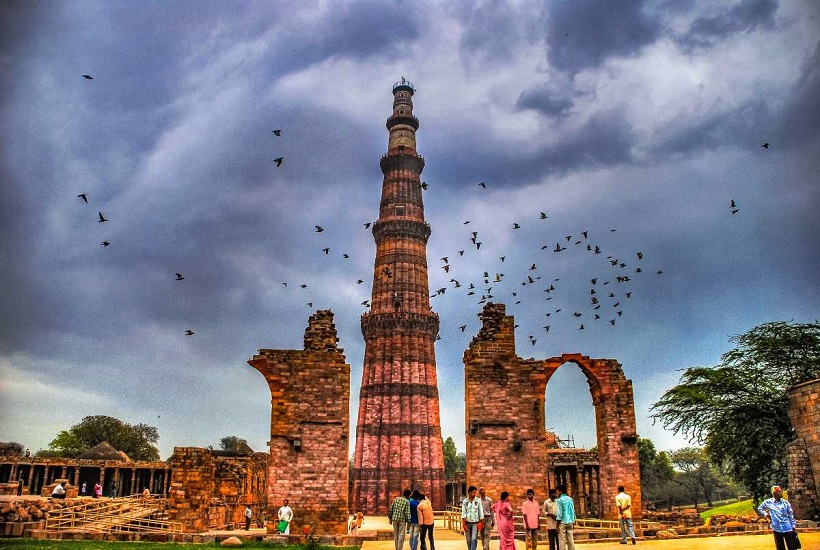 Mehrauli Archaelogical Park, Qutb Minar Comples and nearby places are the only area in Delhi which is continuously occupied by over a 1000 years. The park and the complex houses monuments and relics of Sultanate, Khalji, Tughlaq, Lodi and Mughal Dynasty as well as some of British Raj itself. The park and adjoining area contains buildings like Tomb of Balban, ca 1287 CE, wherein a true arch and the true dome were built for the first time in India,Jamali Kamali Mosque and Tomb, Quli Khan’s Tomb, Gandhak ki Baoli, Metcalfe’s Folly and Rajon Ki Baoli among others. Other nearby monuments include Jahaz Mahal, Zafar Mahal of Bahadur Shah II , Hauz-i-Shamsi and Tomb of Adham Khan. Pillars and remains of several old temples are also lay scattered in the park.The Qutb Minar Complex contains structures such as Qutub Minar, Alai Minar, Alai Minar, Qubbat-ul-Islam Mosque, the Iron Pillar, Tomb of Alaudin Khilji and Tomb of Imam Zamin. Qutub Minar was built as a Victory Tower, to celebrate the victory of Muhammad Ghori over the Rajput king, Prithviraj Chauhan, in 1192 CE.
Explore Packages to Plan your Trip
Hampi Group of Monuments
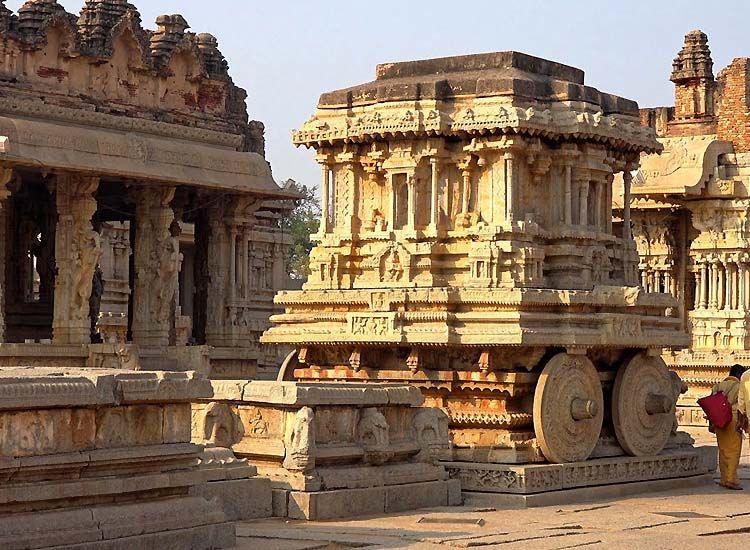 The last capital of the great Hindu Kindom of Vijayanagar, Hampi is renowned for its grandiose monuments, temples and other structures. Group of Monuments at Hampi contains several buildings of religious importance. There are 1600 monuments and remain at theis UNESCO World Heritage Site. The temples of Hampi, its monolithic sculptures and monuments, attract visitors from around the world due to theirr excellent workmanship and exquisite architecture. Group of Monuments at Hampi are spread in an area of approx. 26 sq km. Most of the buildings are constructed from local granite, burnt bricks and lime mortar. Its Dravidian architecture is also known for adoption of elements of Indo Islamic Architecture (like the Queen’s Bath and the Elephant Stables). The Battle of Talikota (1565 CE) led to a massive destruction of its physical fabric.
Explore Packages to Plan your Trip to Karnataka
[sc name="faqs-vacation-in-india"]