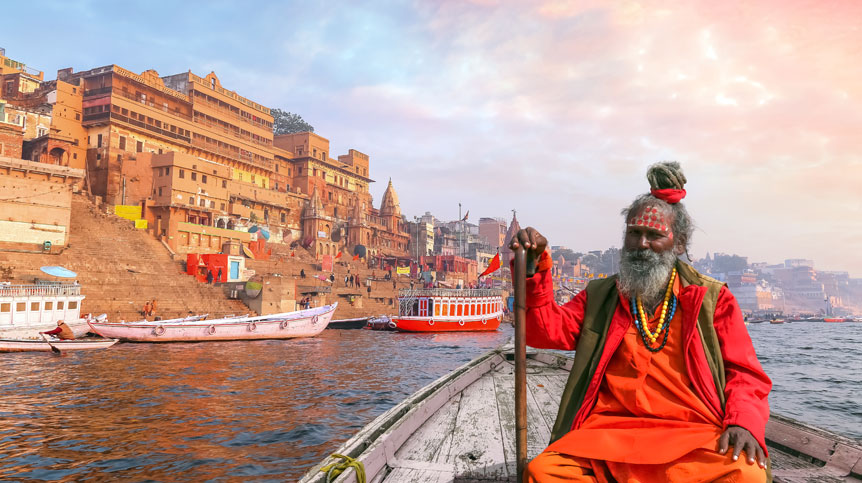

Varanasi is best explored through its ghats, temples, riverfront rituals, old lanes, and the quieter Buddhist heritage of Sarnath. This is not a city where a rushed sightseeing checklist gives travellers a better experience. The old-city lanes can be crowded, temple visits need patience, and the ghats carry different moods at different times of day.
This guide is meant for spiritual travellers, families, first-time visitors, senior travellers, culture-focused travellers, and those who want to plan their time in the city at a realistic pace.
Planning Snapshot
Top Attractions to Explore in Varanasi
1. Sacred Ghats and the Ganga Riverfront
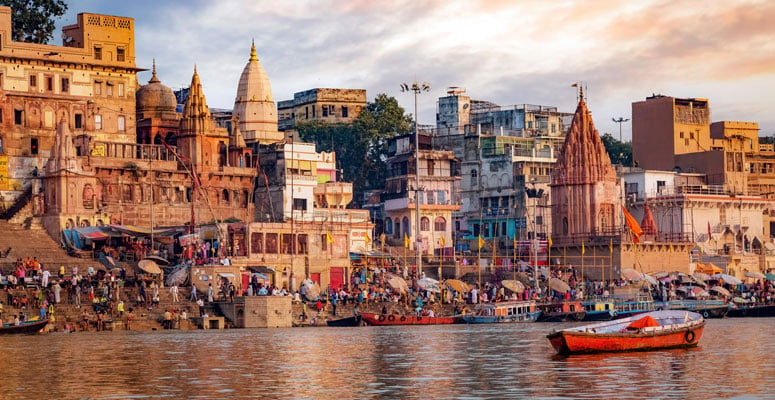
The ghats are the core of Varanasi’s sightseeing. They are not just photo stops along the Ganga; each ghat has a different rhythm and purpose. Some work best for evening movement, some for quieter mornings, and some require a more sensitive approach.
• Dashashwamedh Ghat
Dashashwamedh Ghat is one of the central points of Varanasi’s riverfront and is often the first ghat travellers should visit. It is busy, ceremonial, and closely connected with the old-city sightseeing circuit. The evening aarti is part of the visit experience here, but the ghat should not be reduced to that single event. During the day, it also works as a riverfront near the lanes leading toward Shri Kashi Vishwanath Temple.
Time Needed: 1 to 1.5 hours; longer if staying for the evening aarti.
Best Timing: Evening for the aarti atmosphere; early morning for a calmer riverfront view.
Best Paired With: Shri Kashi Vishwanath Temple, Vishwanath Gali, and the central old lanes.
Traveller Fit: First-time visitors, spiritual travellers, families, and culture-focused travellers.
• Assi Ghat
Assi Ghat gives travellers an introduction to Varanasi. It is still active and meaningful, but the pace is usually easier than the central ghats around Dashashwamedh. Morning is the best time to visit if you want a calmer river atmosphere, local movement, and a more relaxed start to the day. It also connects well with several South Varanasi temples and BHU-side stops.
Time Needed: 45 minutes to 1 hour.
Best Timing: Early morning or late evening.
Best Paired With: Sankat Mochan Hanuman Temple, Shri Satyanarayan Tulsi Manas Temple, Durga Temple, and BHU/New Vishwanath Temple.
Traveller Fit: Families, couples, senior travellers, slow travellers, and first-time visitors who want a gentler riverfront experience.
• Manikarnika Ghat
It is one of Varanasi’s most intense and sacred ghats, closely associated with cremation rituals and the city’s understanding of death and liberation. This is not a casual sightseeing stop and should never be treated as a place for intrusive observation. Travellers who are culturally curious, spiritually inclined, or seeking to understand Varanasi more deeply may find it significant, but only if they are comfortable with the cremation ground.
Time Needed: 20 to 30 minutes from a respectful distance.
Best Timing: Daytime, preferably with a local guide for context.
Best Paired With: Old-city ghat walk, central riverfront movement, or the Kashi Vishwanath Temple area if the route is planned sensitively.
Traveller Fit: Spiritually inclined travellers, mature visitors, and culture-focused travellers comfortable with difficult spaces.
• Chet Singh Ghat
Chet Singh Ghat offers a quieter, heritage-facing side of the Varanasi riverfront. Its old architecture and river-facing character make it appealing for travellers who want something less crowded than Dashashwamedh but still visually connected to the city’s older layers.
Time Needed: 20 to 30 minutes.
Best Timing: Morning or late afternoon.
Best Paired With: Assi-side riverfront movement or a longer ghat walk.
Traveller Fit: Heritage travellers, photographers, slow walkers, and repeat visitors.
2. Historic Temples and Spiritual Landmarks
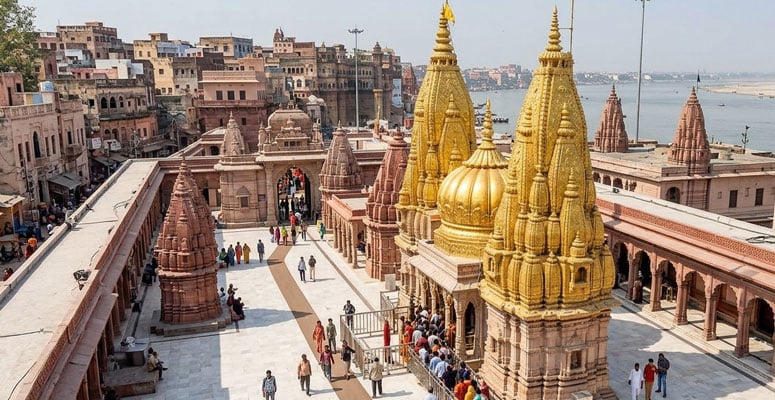
Varanasi’s temples should be planned by location, crowd level, and traveller comfort. A good temple route is selective; trying to cover every shrine in one day can make the visit feel rushed and tiring.
• Shri Kashi Vishwanath Temple
Shri Kashi Vishwanath Temple is the central spiritual landmark of Varanasi and a priority for most first-time travellers, pilgrims, and visitors trying to understand the city’s sacred identity. The visit is powerful for many travellers, but it requires realistic planning because crowds, security checks, and access to the old city can affect the pace.
Time Needed: 1 to 2 hours, depending on crowd levels and darshan movement.
Best Timing: Early morning or a less crowded daytime window, depending on local conditions.
Best Paired With: Dashashwamedh Ghat, Vishwanath Gali, and central old-city lanes.
Traveller Fit: Pilgrims, spiritual travellers, first-time visitors, families, and culture-focused travellers.
• Kaal Bhairav Temple
Kaal Bhairav Temple is an important traditional stop for spiritually inclined travellers. It is best suited to visitors who want to understand Varanasi’s deeper temple circuit beyond the most widely known shrine. The temple can be crowded during peak periods, so it should be added with clear intent rather than treated as a filler stop.
Time Needed: 30 to 45 minutes, depending on queues.
Best Timing: Morning or a calmer window in the daytime.
Best Paired With: Old-city temple circuit or Kashi Vishwanath area, if route timing works.
Traveller Fit: Spiritually inclined travellers, pilgrims, and repeat visitors.
• Sankat Mochan Hanuman Temple
Sankat Mochan Hanuman Temple offers a calmer devotional stop away from the tightest old-city lanes. It suits travellers who want a meaningful temple visit without the intensity of the Kashi Vishwanath area. Because of its location, it works especially well with Assi Ghat and the South Varanasi temple circuit.
Time Needed: 30 to 45 minutes.
Best Timing: Morning or late afternoon.
Best Paired With: Assi Ghat, Shri Satyanarayan Tulsi Manas Temple, Durga Temple, and BHU.
Traveller Fit: Families, senior travellers, devotional travellers, and visitors staying near Assi or South Varanasi.
• Shri Satyanarayan Tulsi Manas Temple
Shri Satyanarayan Tulsi Manas Temple suits travellers interested in the Ramayana, devotional architecture, and a quieter temple experience. It is easier to combine with nearby South Varanasi stops and usually does not require a long visit.
Time Needed: 30 to 45 minutes.
Best Timing: Late morning or afternoon.
Best Paired With: Sankat Mochan Hanuman Temple, Durga Temple, and Assi Ghat.
Traveller Fit: Families, senior travellers, spiritual travellers, and visitors interested in the Ramayana.
• New Vishwanath Temple / Vishwanath Temple, BHU
New Vishwanath Temple within the BHU campus offers a more spacious, easier-to-navigate temple experience. It suits families, older travellers, and visitors who want a calmer spiritual stop without the tight lanes and crowd pressure of the old city.
Time Needed: 45 minutes to 1 hour.
Best Timing: Late morning or afternoon.
Best Paired With: Bharat Kala Bhavan, BHU campus, Assi Ghat, or Sankat Mochan Temple.
Traveller Fit: Families, senior travellers, students, and travellers who prefer spacious temple settings.
• Durga Temple
The Durga Temple fits naturally into the South Varanasi temple route. It is useful for travellers who are already covering Sankat Mochan Temple, Tulsi Manas Temple, Assi Ghat, or BHU, but it should not be forced into a short central Varanasi plan.
Time Needed: 20 to 30 minutes.
Best Timing: Morning or afternoon.
Best Paired With: Sankat Mochan Hanuman Temple, Tulsi Manas Temple, and Assi Ghat.
Traveller Fit: Spiritual travellers, families, and visitors already planning South Varanasi.
3. Museums, Forts, and Excursions
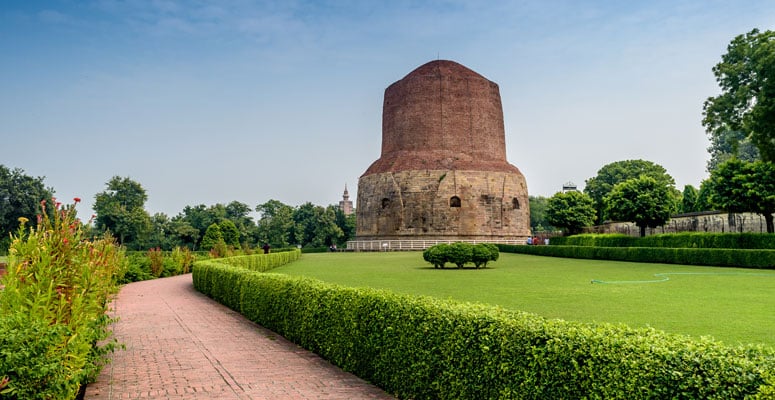
These places help balance the intensity of the old city and the riverfront. They are better suited to travellers with a second or third day in Varanasi.
• Sarnath
Sarnath is one of the most valuable additions to a trip to Varanasi, especially for travellers interested in Buddhist history, archaeology, and a calmer contrast to the old city. It is closely associated with the Buddha’s first sermon and includes important archaeological remains, the Dhamek Stupa, monastery remains, and the museum experience when open.
Time Needed: Half a day is ideal, including travel and unhurried exploration.
Best Timing: Morning or early afternoon.
Best Paired With: A lighter evening at Assi Ghat or Dashashwamedh Ghat after returning to Varanasi.
Traveller Fit: History-focused travellers, Buddhist pilgrims, culture-focused visitors, families with older children, and travellers who want a quieter excursion.
• Ramnagar Fort
Ramnagar Fort is a slower heritage stop across the river. It suits travellers interested in old royal architecture, river views, and an atmospheric site that feels less polished than many restored monuments. The setting matters as much as the structure itself, especially because it gives a different perspective on Varanasi from across the Ganga.
Time Needed: 1.5 to 2 hours, plus travel time.
Best Timing: Late morning or afternoon.
Best Paired With: A slower third-day plan or a river-crossing-based heritage outing.
Traveller Fit: Heritage travellers, photographers, slow travellers, and visitors with more than one day in Varanasi.
• Bharat Kala Bhavan, BHU
Bharat Kala Bhavan is a useful museum stop for travellers interested in art, textiles, sculpture, painting, and Varanasi’s broader cultural depth. It sits inside the BHU campus, so it pairs naturally with New Vishwanath Temple and a calmer campus-side plan.
Time Needed: 1 to 1.5 hours.
Best Timing: Late morning or afternoon, after checking current opening status.
Best Paired With: New Vishwanath Temple / Vishwanath Temple, BHU.
Traveller Fit: Art lovers, students, culture-focused travellers, families with older children, and repeat visitors.
How to Plan Varanasi Sightseeing
• If You Have Half a Day
Prioritise:
- Shri Kashi Vishwanath Temple
- Vishwanath Gali
- Dashashwamedh Ghat
- Evening aarti, if timing allows
This plan works best if you are staying near the old city or can reach the central area without losing too much time in transfers.
• If You Have One Full Day
Use the day in two clear halves.
Morning / Daytime:
- Assi Ghat
- Sankat Mochan Hanuman Temple
- Shri Satyanarayan Tulsi Manas Temple
- BHU / New Vishwanath Temple
Evening:
- Dashashwamedh Ghat
- Central riverfront
- Evening aarti
This gives a better balance than spending the whole day only around the crowded old city. If Shri Kashi Vishwanath Temple is the main priority, keep enough buffer for queues.
• If You Have Two Days
Day 1 focus:
- Ghats
- Shri Kashi Vishwanath Temple
- Vishwanath Gali and old lanes
- Dashashwamedh Ghat evening aarti
Day 2 focus:
- Sarnath
- Ramnagar Fort or BHU, depending on interest
Choose Ramnagar Fort if you prefer river-facing heritage and old royal architecture. Choose BHU and Bharat Kala Bhavan if you prefer museum time, campus-side calm, and cultural depth.
Best Time to Visit
October to March is generally the most comfortable period for sightseeing in Varanasi. This season works better for early-morning ghat walks, temple visits, Sarnath, Ramnagar Fort, and longer outdoor activities.
Summer can be harsh, especially in the afternoon. If travelling between April and June, keep ghats and temple areas for early morning or evening, and use the hotter part of the day for indoor stops or slower-paced activities.
Monsoon changes the riverfront experience and can affect walking comfort around the ghats and lanes. Travellers should keep extra flexibility during this period and avoid very tightly packed outdoor plans.
Plan Your Varanasi Sightseeing with IndianHoliday!
Varanasi is easiest to enjoy when sightseeing is planned through clear circuits: the central old-city and riverfront route, the Assi and South Varanasi temple route, the BHU-side cultural route, and the Sarnath or Ramnagar Fort excursion. A well-paced plan helps travellers experience the city’s sacred ghats, important temples, Buddhist heritage, museum stops, and quieter riverfront areas without turning the trip into a tiring checklist.