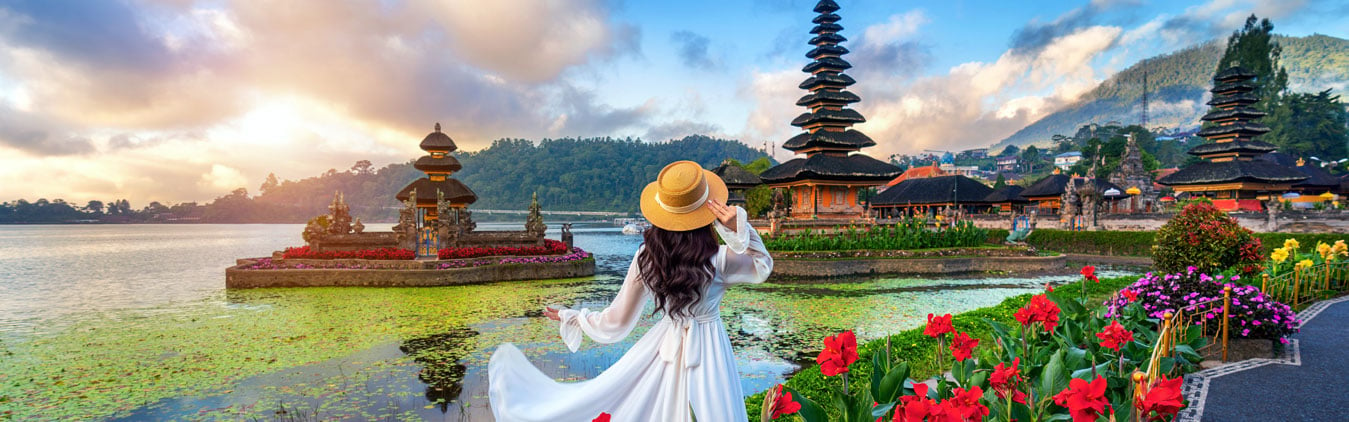
Indonesia needs more thoughtful planning than many first-time visitors expect. The country is spread across many islands, and its major attractions are not arranged into a single sightseeing loop. A temple visit in Central Java, a beach stay in Bali, a wildlife cruise near Komodo, and a marine escape in Raja Ampat all require different travel routes, time commitments, and seasonal checks.
That is why Indonesia is better planned by region, travel time, and interests rather than as a single short sightseeing checklist. This guide helps culture-focused travellers, island-hoppers, honeymooners, nature lovers, family travellers, and first-time visitors understand what to include, what to pair together, and what to save for another trip.
Planning Snapshot
- Ideal stay for first-time travellers: 7–10 days for one main region with one extension.
- Best planning method: Plan by island cluster, not by attraction count.
- Guided context: Useful for Borobudur, Prambanan, Ubud, Tana Toraja, and heritage towns.
- Short stop or deeper stay: Bali and Yogyakarta suit shorter trips; Raja Ampat, Flores, and Tana Toraja need more time.
- Best combination style: Pair nearby regions, such as Bali with Nusa Penida, Yogyakarta with Borobudur and Prambanan, or Flores with Komodo.
- Practical travel note: Inter-island flights may look short, but airport transfers, ferry timings, boat access, and weather can easily take half a day.
Top Places to Visit in Indonesia
1. Cultural and Heritage Attractions
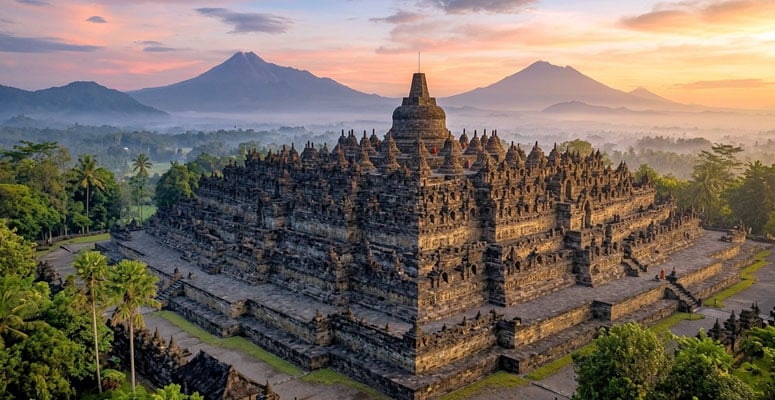
Borobudur Temple, Central Java
Borobudur is one of Indonesia’s strongest cultural anchors and a key reason many travellers add Central Java to their route. Its scale, relief panels, and layered Buddhist symbolism make it far more meaningful when seen with interpretation rather than as a short stop outside Yogyakarta.
Prambanan Temple, Yogyakarta
Prambanan adds a distinct layer of heritage to Central Java. While Borobudur reflects Buddhist architecture, Prambanan is a Hindu temple complex with tall stone towers, sculptural detail, and Ramayana-linked reliefs. Seeing both gives travellers a stronger sense of Java’s layered cultural past.
Ubud, Bali
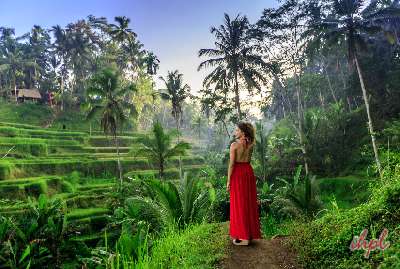
Ubud is not a single monument. It is a cultural base in central Bali, useful for travellers who want temples, galleries, rice-field landscapes, traditional architecture, and slower inland sightseeing. It suits honeymooners, families, and first-time visitors who want Bali beyond the beach areas.
Tana Toraja, South Sulawesi
Tana Toraja is for travellers who want deeper cultural travel, not a quick sightseeing add-on. Its traditional houses, cliff burial sites, ceremonial landscapes, and village settings need sensitivity and local explanation.
2. Island and Beach Attractions
Bali
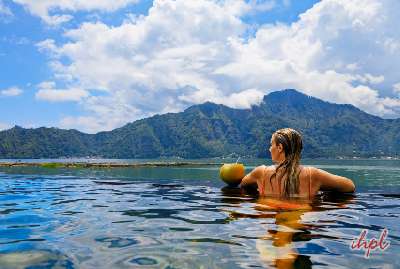
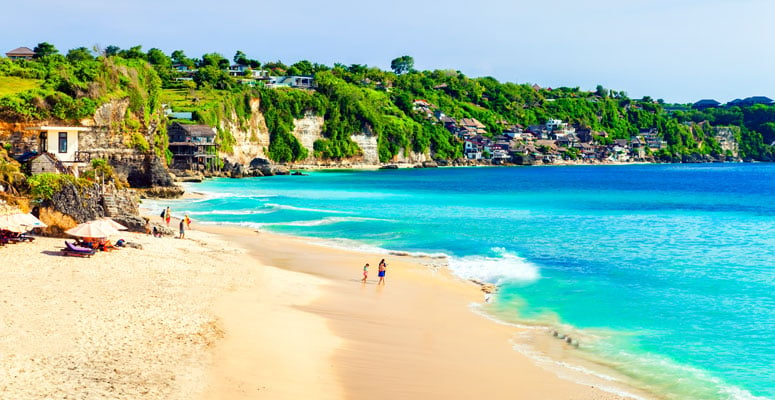
Bali remains Indonesia’s most famous tourist destination and often serves as the country’s introduction for international travellers. Known as the "Island of the Gods", Bali combines scenic beaches, rice terraces, temples, wellness retreats, luxury resorts, and vibrant cultural traditions.
Best suited for: First-time travellers, honeymooners, families, and luxury travellers.
Gili Islands
The Gili Islands work best as a short island extension after Bali or Lombok. They are better for slowing down than for heavy sightseeing. Each island has a different mood, so the choice between Gili Trawangan, Gili Air, and Gili Meno should be intentional.
Best suited for: Couples, relaxed island travellers, and visitors who want a beach break after Bali or Lombok.
Lombok
Lombok suits travellers who want wider beaches, mountain views, and a calmer island feel than Bali. It is not just a substitute for Bali; it works better for travellers who want more space and fewer crowds for sightseeing.
Best suited for: Couples, families, and travellers who prefer quieter coastal stays.
Raja Ampat
Located off the coast of West Papua, Raja Ampat is often considered one of the world’s premier diving destinations. The archipelago consists of hundreds of islands surrounded by turquoise waters and extraordinary marine biodiversity.
Best suited for: Nature-focused travellers, divers, luxury remote-stay travellers, and repeat visitors to Indonesia.
Nusa Penida
Nusa Penida is close to Bali but needs realistic pacing. The island’s appeal lies in dramatic cliffs, coastal viewpoints, and bold seascapes. Many travellers try to see too much in one day and end up spending more time in transfers than at the viewpoints.
Best suited for: Couples, photography-focused travellers, and visitors seeking dramatic coastal scenery.
3. Nature and Landscape Attractions
Mount Bromo, East Java
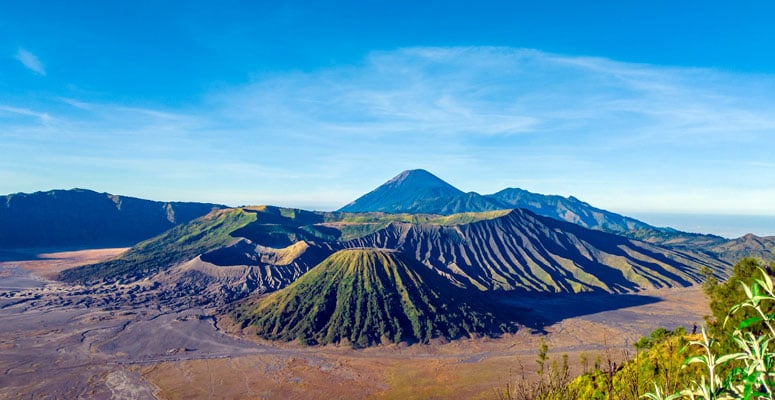
Mount Bromo is one of Java’s most memorable volcanic landscapes, with its caldera, sand sea, and sunrise viewpoints. It suits travellers who are comfortable with a very early start and want a strong nature stop between Java’s cultural and coastal routes.
Best suited for: Landscape-focused travelers and those combining Java with Bali.
Komodo National Park
Komodo National Park is best for travellers who want wildlife, islands, and marine landscapes in one region. The usual base is Labuan Bajo in Flores, and sightseeing depends on boat access.
Best suited for: Nature-focused travellers, couples, and families with older children.
Lake Toba, North Sumatra
Lake Toba offers a slower, cooler landscape stay in North Sumatra. Samosir Island lends the region cultural depth, while the lake setting makes it better suited to unhurried travel than to fast sightseeing.
Best suited for: Families, repeat travellers to Indonesia, and visitors who want a quieter lake region.
Ijen Crater, East Java
Ijen is a powerful East Java landscape stop, usually paired with Mount Bromo. It appeals to travellers who want volcanic scenery and are comfortable with effort, mountain conditions, and very early movement.
Best suited for: Active travellers and landscape-focused visitors.
Flores
Flores is best treated as a longer, nature-led route rather than a single attraction. Labuan Bajo and Komodo are the usual entry points, but the island also offers coastal scenery, volcanic lakes, traditional villages, and winding overland drives.
Best suited for: Repeat visitors, nature-focused travellers, and those who want Indonesia beyond Bali and Java.
4. City and Local Experience-Led Places
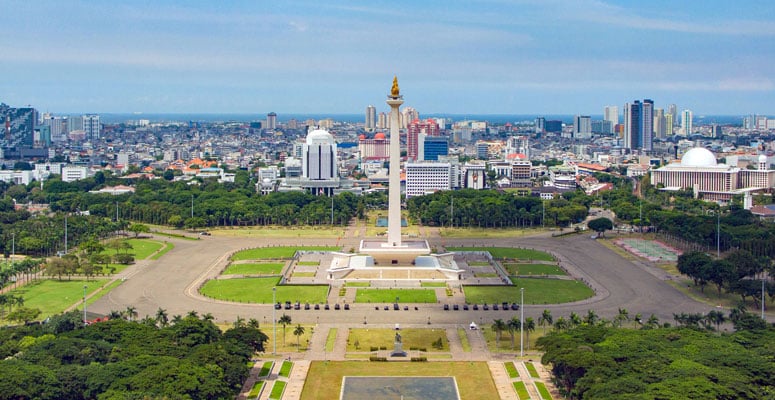
Jakarta
Jakarta is often used only as an arrival or departure city, but it can add useful context for travellers interested in Indonesia’s colonial, political, and urban layers.
Best suited for: Travellers with an extra day at the start or end of the trip.
Yogyakarta
Yogyakarta is one of Indonesia’s most useful cultural bases. It gives access to Borobudur, Prambanan, palace areas, traditional arts, and Central Java heritage without complicated routing.
Best suited for: First-time travellers, culture-focused visitors, and those who want Java without Jakarta’s intensity.
Bandung
Bandung serves as a base in West Java for cooler highland scenery, colonial-era architecture, and nearby volcanic landscapes. It is not essential for every first trip to Indonesia, but it can be rewarding for travellers spending more time in Java.
Best suited for: Families, repeat travellers, and those who prefer cooler city bases.
How to Plan Your Indonesia Trip
Indonesia’s size and geographic diversity make itinerary planning particularly important.
1. For First-Time Visitors
(i) Popular combinations include:
- Bali and Ubud
- Bali and Lombok
- Bali and Gili Islands
- Yogyakarta and Bali
These itineraries offer a balance of culture, relaxation, and sightseeing.
2. For Nature and Adventure Lovers
(ii) Recommended destinations include:
- Komodo National Park
- Raja Ampat
- Mount Bromo
- Mount Rinjani
- Flores
These regions showcase Indonesia’s remarkable natural diversity.
3. For Culture and Heritage Experiences
(iii) Consider including:
- Yogyakarta
- Borobudur Temple
- Prambanan Temple
- Lake Toba
- Traditional villages in Flores
These destinations provide deeper insights into Indonesia’s rich cultural heritage.
4. What to Skip If You Have Limited Time
The main thing to avoid is covering too many islands in one trip. Indonesia looks easy to map, but transfers can take full travel days.
(iv) If you have less than a week, skip:
- Raja Ampat
- Tana Toraja
- Flores beyond Labuan Bajo
- Lake Toba
- Multi-island combinations involving Bali, Lombok, Gili Islands, and Nusa Penida together
Best Time to Visit Indonesia
Indonesia can be visited throughout much of the year, but the dry season from May to October is generally considered the most comfortable period for sightseeing, island hopping, trekking, and beach holidays.
Clear skies and calmer sea conditions make outdoor activities easier to enjoy during these months. Destinations such as Bali, Lombok, Komodo National Park, and Raja Ampat are particularly popular during the dry season.
Travellers visiting during the wetter months can still enjoy many destinations, although occasional rainfall may affect outdoor plans and transportation schedules.
Travel Tips for Visiting Indonesia
Plan your Indonesia Trip with IndianHoliday!
Indonesia works best when the route is selective. A well-planned trip can focus on Bali and nearby islands, combine Java’s cultural sites with Bali’s inland stays, or extend toward Komodo, Flores, Lombok, or Raja Ampat for a deeper journey.
IndianHoliday can help you compare regions, choose a realistic travel duration, and shape the trip around your comfort level, season, and travel style.