
Spiti is a destination whose real appeal lies in its high-altitude cold-desert landscape, ancient monasteries, remote villages, lakes, and mountain passes. The attractions in the Spiti Valley are spread across the region and make for good half-day or full-day circuits.
A good Spiti sightseeing plan is not about covering everything. It is about choosing the right mix of monasteries, villages, landscapes, viewpoints, lakes, and passes at a pace that allows the valley to feel remote, quiet, and deeply different from regular hill-station travel.
Planning snapshot for sightseeing
Spiti works best when sightseeing is paced around route logic rather than just attraction names.
Top attractions to explore in Spiti Valley
Monasteries and Spiritual Landmarks
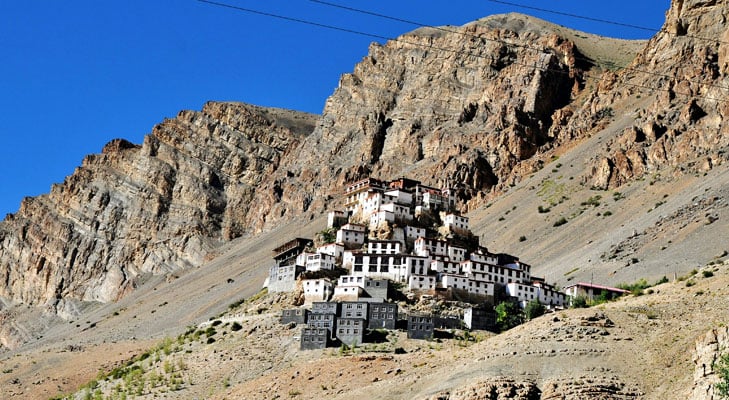
1. Key Monastery
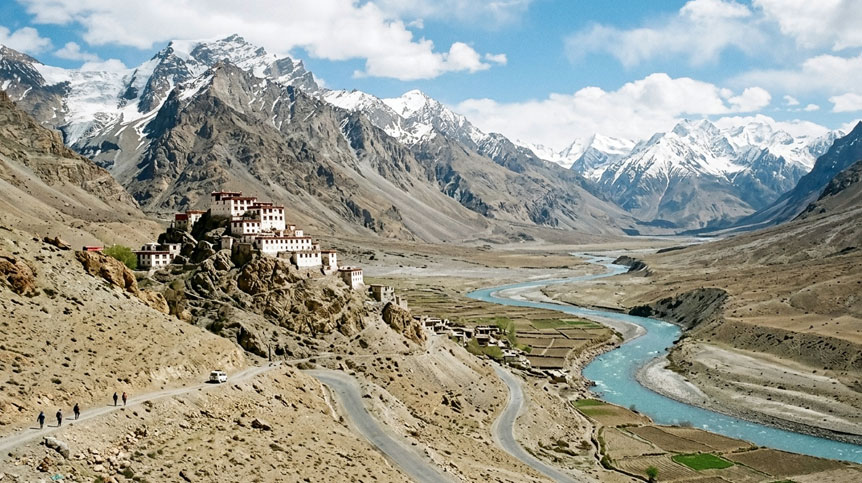
Key Monastery is usually the first major cultural stop travellers associate with Spiti. Its hilltop setting above the Spiti River gives a clear sense of the valley’s scale, while the monastery itself introduces travellers to Spiti’s Buddhist culture without requiring a long detour from Kaza.
Plan it with: Kibber and Chicham Bridge
Time needed: 1 to 1.5 hours
Best time to visit: Morning for a quieter visit; late afternoon for better landscape light
2. Dhankar Monastery
Dhankar stands apart because of its setting. The monastery sits on a dramatic cliffside above the meeting zone of the Spiti and Pin valleys, so the visit is as much about the landscape as it is about the monastery. If your route includes Tabo or Pin Valley, you can plan a stop in Dhankar very sensibly without creating a major detour.
Plan it with: Tabo if moving on the Shimla/Kinnaur route; Pin Valley if you have a longer sightseeing day
Time needed: 1.5 to 2 hours
Best for: Culture-focused travellers, photographers, and those who prefer quieter monastery stops
3. Tabo Monastery
Tabo feels very different from Key and Dhankar. This is the monastery to include if you are interested in Buddhist heritage, murals, ancient monastic spaces, and a slower cultural stop. It does not need dramatic viewpoints to feel important. Its value is in its age, atmosphere, and spiritual depth.
Plan it with: Dhankar on the Shimla/Kinnaur-side route
Time needed: 1.5 to 2 hours
Best for: Travellers interested in old Buddhist heritage and quieter cultural experiences
High-Altitude Villages and Culture Stops
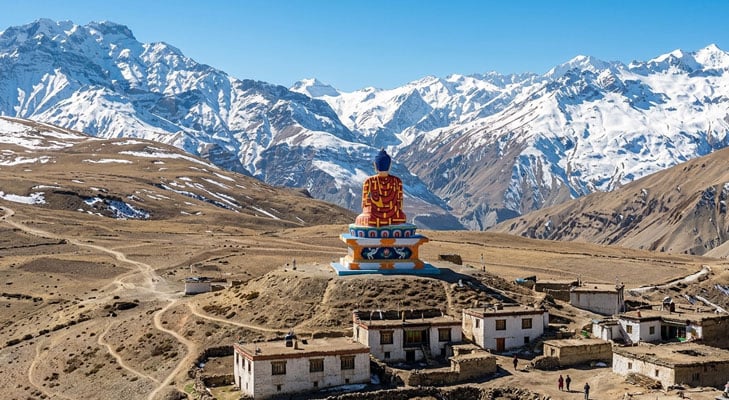
4. Langza
Langza is one of the most rewarding village stops near Kaza. Travellers usually visit for its open valley views, fossil-rich terrain, Buddha statue, and the quiet feeling of being in a settlement shaped by altitude and isolation. It is also one of the best stops for understanding Spiti’s village setting beyond Kaza.
Plan it with: Hikkim and Komic
Time needed: 1 to 1.5 hours
Best for: Photographers, families, culture-focused travellers, and first-time visitors
5. Hikkim and Komic
Hikkim and Komic are usually planned together because they fall on the same high-altitude village circuit from Kaza. Hikkim is known for its post office and local village setting, while Komic adds a monastery context. This circuit is not about quickly ticking off three names. The experience works better when you stop, walk lightly, look at the landscape, and give each village a little breathing space.
Plan it with: Langza as part of the Kaza village circuit
Time needed: 2.5 to 4 hours for Langza, Hikkim, and Komic together
Best for: Travellers who want to understand Spiti’s village life and high-altitude settlement pattern
6. Kibber
Kibber is important because it combines village scenery, high-altitude terrain, and strong route logic. It sits beyond Key Monastery and naturally connects with Chicham Bridge, making it one of the easiest and most rewarding circuits from Kaza. The village gives travellers a sharper sense of Spiti, with scattered homes, open ridges, wide skies, and a landscape that feels distinct from the greener Himalayan valleys.
Plan it with: Key Monastery and Chicham Bridge
Time needed: 45 minutes to 1 hour
Best for: Short-stay travellers, photographers, and those wanting a strong Kaza-based sightseeing circuit
Nature, Valleys, Lakes, and Passes
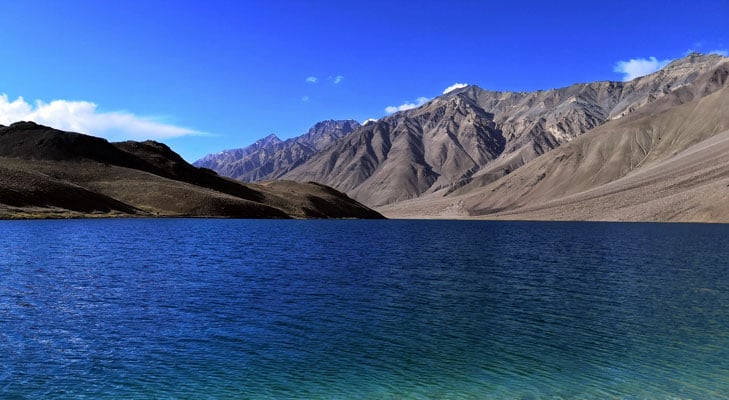
7. Chandra Taal Lake
Chandra Taal is one of Spiti’s most powerful landscape experiences. The lake’s high-altitude setting, open mountain backdrop, and changing light offer scenic vistas from the monastery and village around Kaza. It should be prioritised by travellers who are travelling in the right season and are entering or exiting through the Manali side.
Plan it with: Kunzum Pass or Manali-side travel
Time needed: A dedicated travel segment, often with nearby overnight planning
Best for: Landscape-focused travellers, photographers, and longer Spiti circuits
8. Pin Valley National Park
Pin Valley adds a quieter and more nature-led side to Spiti. Its landscape feels wider, more remote, and softer in rhythm than the Kaza village circuit, making it useful for travellers seeking another valley within the Spiti region. It works best when you have enough time to drive slowly, stop at viewpoints, and appreciate the change in terrain.
Plan it with: Dhankar if the day is planned carefully; otherwise, as a separate excursion
Time needed: Half day to full day
Best for: Nature-focused travellers, photographers, and those looking for quieter landscapes
9. Chicham Bridge
Chicham Bridge is worth including because it gives travellers a striking view of Spiti’s terrain and the scale of the gorge it crosses. It is not a full-day attraction, but it works very well as a highlight on the route. Its biggest value is in how neatly it fits with Key Monastery and Kibber.
Plan it with: Key Monastery and Kibber
Time needed: 20 to 40 minutes
Best for: Short-stay travellers and those doing Kaza-based sightseeing
10. Kunzum Pass
Kunzum Pass matters because it is part of Spiti’s route planning, not just a viewpoint. It connects the Spiti side to the Lahaul/Manali side and often determines whether Chandra Taal can be comfortably included.
Plan it with: Chandra Taal or Manali-side entry/exit
Time needed: Depends on route direction and road conditions
Best for: Travellers doing a longer Spiti circuit
Kaza and Around
Kaza is the main base for sightseeing in Spiti. Most travellers stay here because it offers better access to accommodation, food, local transport support, fuel, and the most important nearby circuits.
Major attractions from Kaza:
- Key Monastery
- Kibber
- Chicham Bridge
- Langza
- Hikkim
- Komic
- Local markets and cafes
- Route connections toward Dhankar, Tabo, Pin Valley, Kunzum, and Chandra Taal
Best time to visit
The ideal travel window is usually May to October. During this period, Kaza-based monastery and village circuits are more practical, though road conditions, cold evenings, and altitude still need to be taken seriously.
Chandra Taal and Kunzum Pass are more season-dependent. They are generally more realistic once the Manali-side route and high-pass access open, but the exact timing can vary from year to year.
Winter sightseeing in Spiti is much more limited and demanding. Roads can be difficult, facilities are scarce, temperatures drop sharply, and movement slows. Winter can be meaningful for highly prepared travellers, but it is not the easiest season for a broad sightseeing trip.
Before finalising travel dates, check the Best Time to Visit Spiti Valley, especially if your plan includes Chandra Taal, Kunzum Pass, or winter travel.
Travel Tips to consider while planning
- Keep the sightseeing pace slow because of the altitude.
- Do not pack too many distant places into one day.
- Carry warm layers even during the main travel season.
- Start early on longer sightseeing days.
- Check road and weather conditions before driving toward Chandra Taal, Kunzum Pass, Pin Valley, or remote village circuits.
- Keep buffer time for Chandra Taal and Kunzum Pass.
- Avoid planning high-altitude village circuits immediately after a tiring arrival day.
- Respect the monastery’s rules and ask before photographing the interiors.
- Treat villages as lived-in communities, not photo sets.
- Avoid comparing Spiti sightseeing with that of a normal hill station. Distances, facilities, weather, and road conditions work differently here.
How to choose which places to visit in Spiti
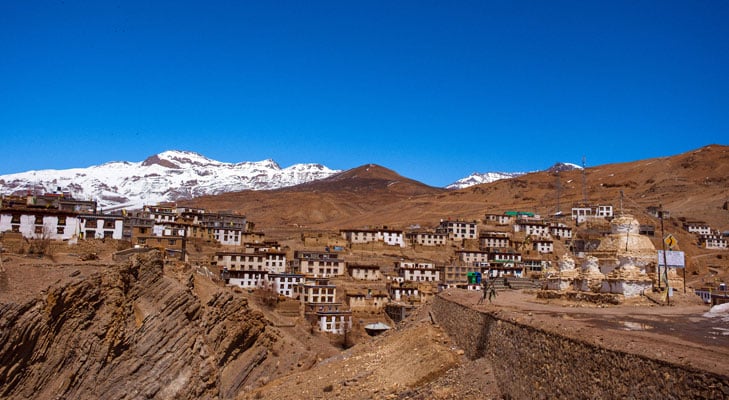
Choose based on time, route, altitude comfort, and the kind of experience you want.
- For a short Kaza-based stay: Choose Key Monastery, Kibber, Chicham Bridge, Langza, Hikkim, and Komic.
- For monastery and heritage depth: Add Dhankar and Tabo.
- For quieter landscapes: Add Pin Valley.
- For high-pass and lake scenery: Add Kunzum Pass and Chandra Taal only when the season, route, and time allow.
- For slower cultural travel: Spend more time in the village circuits instead of adding distant stops.
- For first-time Spiti travellers: Avoid trying to cover every place. A measured plan usually feels better than a packed one.