Table of Contents
Introduction to the Ramayana Circuit
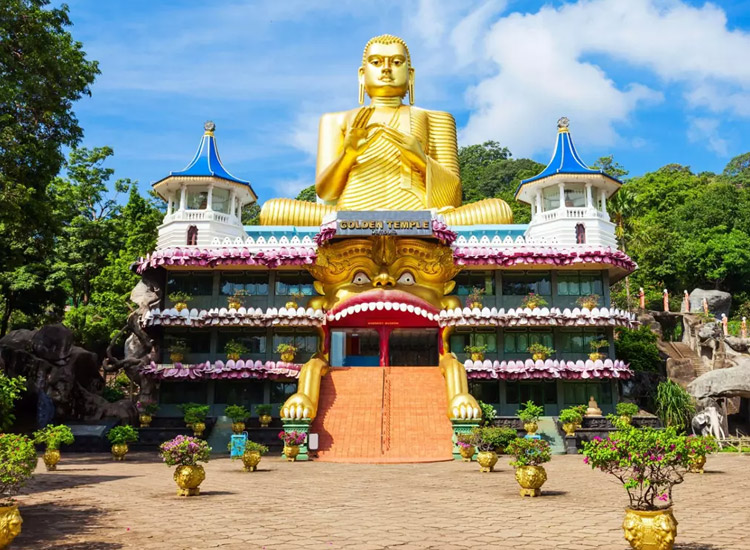
The Ramayana Circuit traces the sacred journey of Lord Rama as depicted in the ancient Hindu epic. This pilgrimage route connects over 15 key locations across India and Sri Lanka where pivotal events from the Ramayana took place—from Rama’s birthplace in Ayodhya to the battlefield in Lanka where he defeated Ravana.
Through India’s Swadesh Darshan Scheme, this once-challenging pilgrimage has been transformed into an accessible journey for both devotees and cultural enthusiasts. Improved infrastructure and facilities now welcome pilgrims, history buffs, and curious travelers seeking to experience the living legacy of this timeless epic that continues to influence Indian culture, values, and spirituality.
Historical and Cultural Significance
Composed by sage Valmiki around the 5th-4th century BCE, the Ramayana chronicles Prince Rama’s exile, his wife Sita’s abduction by demon king Ravana, and the epic war that followed. Beyond its religious importance, the epic established enduring ethical principles through the concept of “Ram Rajya”—the ideal society governed by righteousness (dharma).
Archaeological findings at many circuit sites reveal ancient settlements dating to periods aligned with the epic’s timeframe, though scholarly interpretations vary. The circuit’s true value lies in experiencing how this ancient narrative continues to shape contemporary life through architecture, art, festivals, and daily practices across South and Southeast Asia.
As Dr. Y.S. Rawat, former Director of the Archaeological Survey of India, observes: “The cultural significance of these places, regardless of historical debates, cannot be overstated.”[^3] Here, mythology, history and living tradition converge into a unique cultural experience.
Major Sites on the Ramayana Circuit
North India: Birth and Early Life
Ayodhya, Uttar Pradesh
 Significance
: Birthplace of Lord Rama and capital of the Kosala Kingdom.
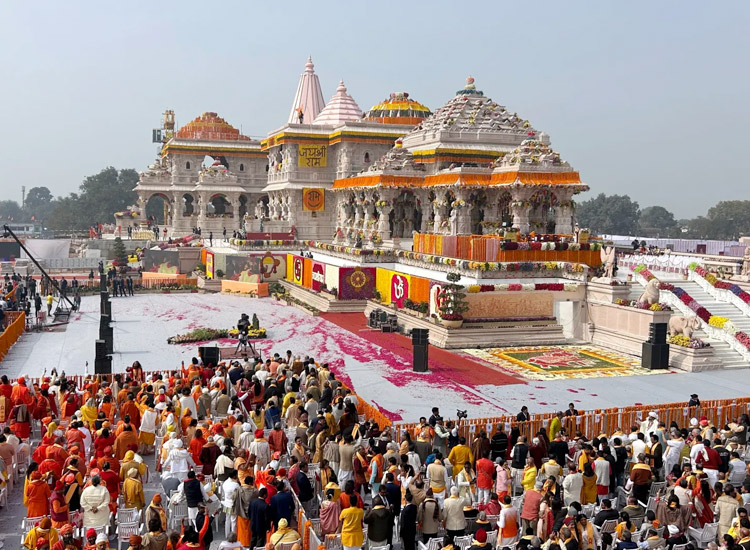
Ayodhya, located on the banks of the Sarayu River, is the starting point of the Ramayana Circuit. Recently transformed with the construction of the magnificent Ram Mandir, this ancient city houses numerous temples and ghats associated with Lord Rama’s life.
Key Sites:
- Ram Janmabhoomi: The birthplace of Lord Rama, now home to the grand Ram Mandir inaugurated in January 2024
- Kanak Bhawan: Said to be a gift from Rama’s stepmother Kaikeyi to Sita
- Hanuman Garhi: A 10th-century temple dedicated to Lord Hanuman
- Nageshwarnath Temple: Founded by Rama’s son Kush
- Sarayu Ghat: Where Lord Rama is believed to have taken jal samadhi (water burial)
According to Dr. Romila Thapar, eminent historian: “Ayodhya’s significance transcends religious boundaries. Archaeological excavations have revealed continuous habitation since at least the 7th century BCE, making it one of the oldest continuously inhabited cities in the world.”[^4]
Sitamarhi, Bihar
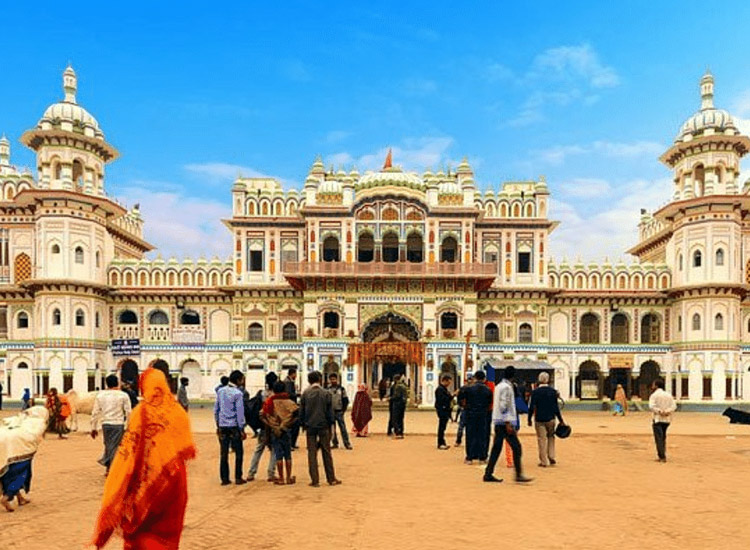 Significance
: Birthplace of Goddess Sita (also known as Janaki).
Located in northern Bihar, Sitamarhi is revered as the place where King Janaka found the infant Sita while plowing a field, as described in the Ramayana.
Key Sites:
- Janaki Mandir: Marks the site where Sita is believed to have emerged from the earth
- Punaura Dham: Where Sita is said to have played as a child
- Haleshwar Sthan: The place where King Janaka was plowing when he found Sita
Darbhanga, Bihar
Significance: Part of the ancient Mithila Kingdom ruled by King Janaka, Sita’s father.
Key Sites:
- Raj Darbhanga Palace: Historical palace complex
- Chandradhari Museum: Houses artifacts from the Mithila region
- Mithila paintings: Traditional art form depicting scenes from the Ramayana
Central India: Exile and Forest Life
Chitrakoot, Uttar Pradesh & Madhya Pradesh
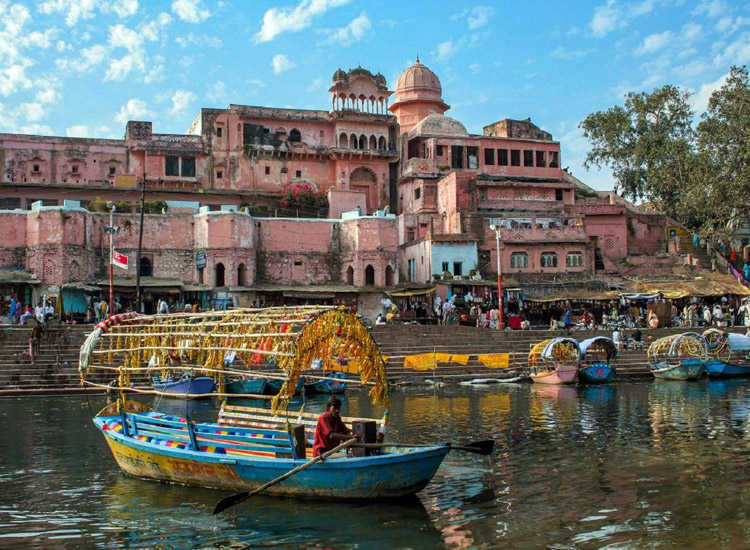 Significance
: Where Lord Rama, Sita, and Lakshmana spent 11 years of their exile.
Straddling the border between Uttar Pradesh and Madhya Pradesh, Chitrakoot’s serene forests and hills provided refuge to Lord Rama during his exile. The name itself means “the hill of many wonders.”
Key Sites:
- Kamadgiri: A hill that symbolizes Lord Rama himself, circumambulated by devotees
- Sphatik Shila: Marked with the footprints of Lord Rama and Sita
- Bharat Milap Temple: Where Rama’s brother Bharat came to persuade him to return to Ayodhya
- Janaki Kund: Where Sita bathed during the exile
- Hanuman Dhara: Where Hanuman is said to have cooled himself after burning Lanka
“Chitrakoot represents the contemplative phase of Lord Rama’s journey,” explains Swami Rambhadracharya, a renowned Ramayana scholar. “Here, away from royal comforts, Rama lived the life of a forest-dweller while upholding his principles of righteousness.”[^5]
Panchavati (Nashik), Maharashtra
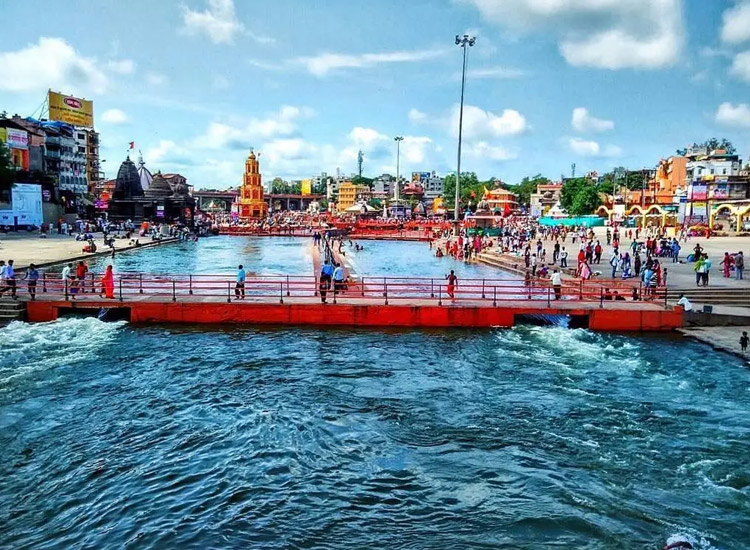 Significance
: Where Rama, Sita, and Lakshmana built their hermitage during exile and where Sita was abducted by Ravana.
Located in present-day Nashik, Panchavati derives its name from a grove of five banyan trees (pancha vati) where the divine trio resided.
Key Sites:
- Sita Gufa: The cave where Sita was allegedly hidden before her abduction
- Kala Ram Mandir: A historic temple dedicated to Lord Rama
- Panchavati: The five banyan trees that give the area its name
- Ram Kund: A sacred tank where Rama is said to have bathed
- Tapovan: The forest area where the sages performed penance
Hampi, Karnataka
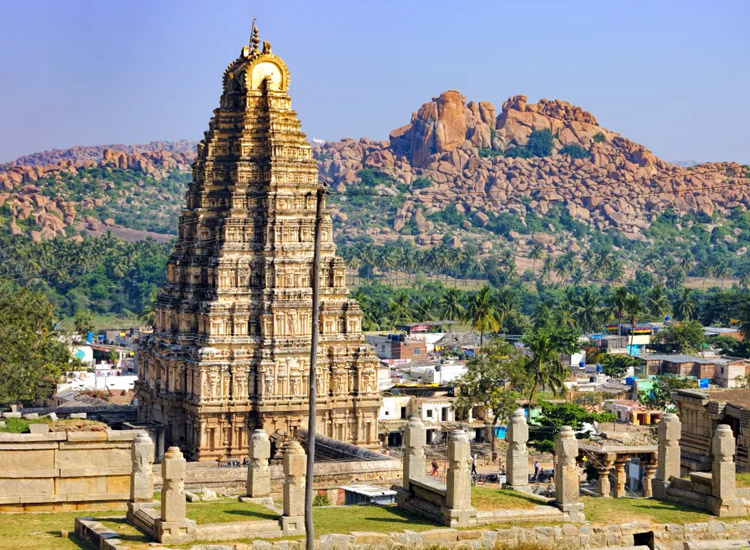 Significance
: Associated with Kishkindha, the kingdom of monkey king Sugriva who helped Rama find Sita.
The ruins of Hampi, a UNESCO World Heritage Site, are believed to contain the kingdom of Kishkindha mentioned in the Ramayana.
Key Sites:
- Anjaneya Hill: Believed to be the birthplace of Hanuman
- Sugreeva’s Cave: Where Sugriva hid Sita’s jewels
- Matanga Hill: Where Rama and Lakshmana waited during the rainy season
- Pampa Sarovar: A sacred lake mentioned in the Ramayana
- Malyavanta Raghunatha Temple: With carvings depicting the Ramayana story
Dr. Sharada Srinivasan, archaeologist from the National Institute of Advanced Studies, notes: “Hampi’s landscape, with its boulder-strewn hills and caves, aligns remarkably with the descriptions of Kishkindha in the Ramayana. The natural and archaeological features create a compelling case for this connection.”[^6]
South India: The Search for Sita
Rameshwaram, Tamil Nadu
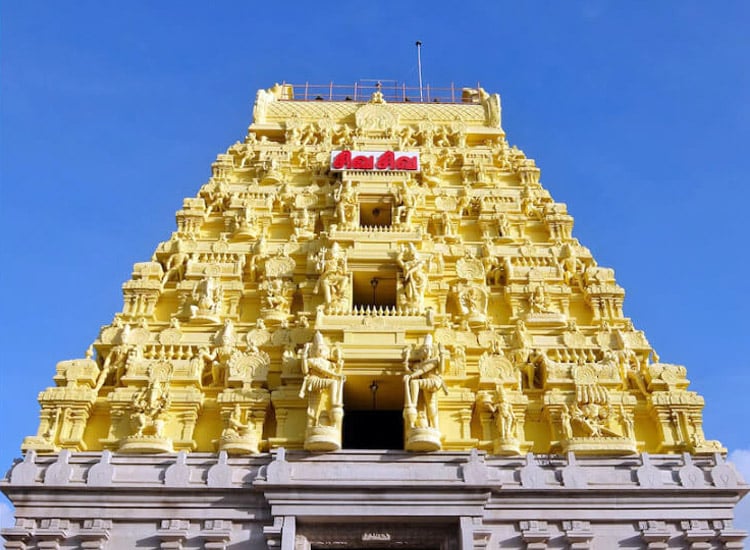 Significance
: Where Lord Rama worshipped Lord Shiva and planned the bridge to Lanka.
This island town near the southeastern tip of India is a major pilgrimage site where Rama is said to have prayed to Lord Shiva before crossing to Lanka.
Key Sites:
- Ramanathaswamy Temple: One of the twelve Jyotirlinga temples, featuring the longest temple corridor in India
- Agni Theertham: The sea where Rama bathed before worshipping Lord Shiva
- Gandhamadana Parvatham: A hill with Rama’s footprints
- Dhanushkodi: The point where the Ram Setu (bridge to Lanka) began
- Panchamukhi Hanuman Temple: Where Hanuman is depicted with five faces
Lepakshi, Andhra Pradesh
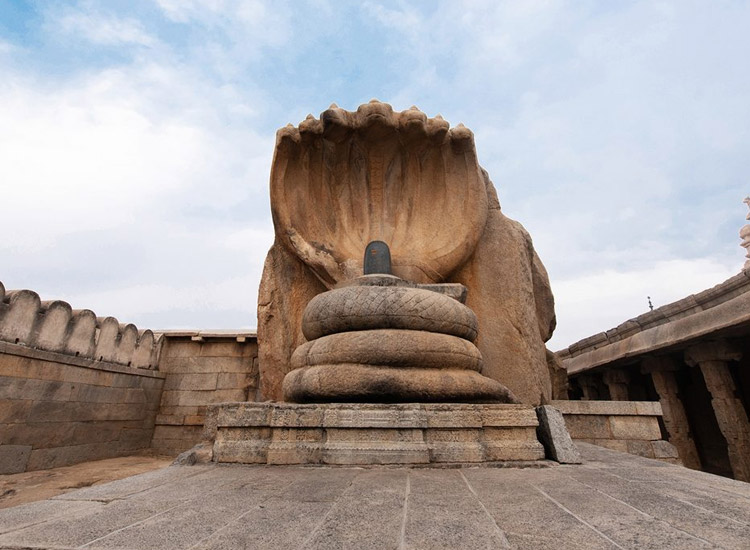 Significance
: Where Jatayu, the divine eagle, fell after being wounded by Ravana.
According to the Ramayana, Jatayu tried to stop Ravana while he was abducting Sita. The name Lepakshi comes from “Le Pakshi” (“Rise, bird”), Rama’s words to the dying Jatayu.
Key Sites:
- Jatayu Rock: Where the divine bird Jatayu fell
- Veerabhadra Temple: Features remarkable Vijayanagara architecture with scenes from the Ramayana
- Nandi: Houses one of India’s largest monolithic Nandi sculptures
Sri Lanka: The Final Chapters
Nuwara Eliya, Sri Lanka
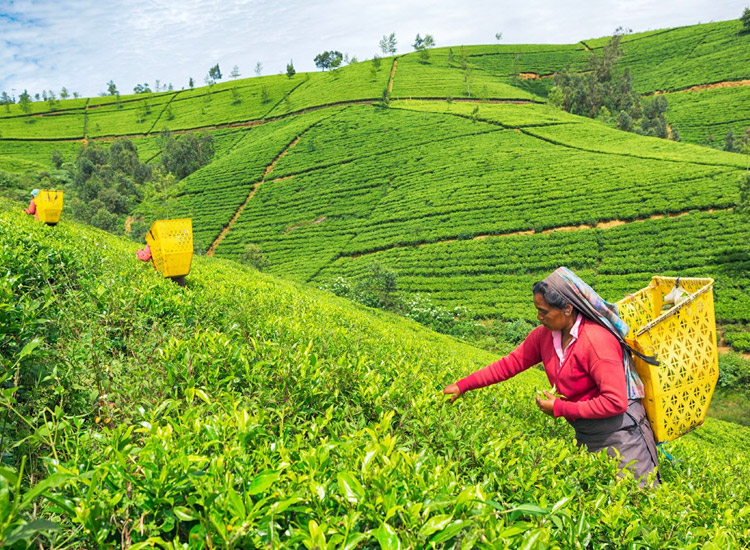 Significance
: Believed to contain Ashok Vatika where Sita was held captive.
Key Sites:
- Sita Amman Temple: Dedicated to Goddess Sita, marking where she was kept in captivity
- Ashok Vatika: The garden where Sita stayed during her captivity
- Hanuman Footprint: A natural rock formation believed to be Hanuman’s footprint
Ramboda, Sri Lanka
Significance: Where Hanuman is said to have searched for Sita.
Key Sites:
- Hanuman Temple: Built at the spot where Hanuman rested during his search
- Ramboda Falls: Associated with Hanuman’s journey
Trincomalee, Sri Lanka
Significance: Contains several sites associated with the Ramayana war.
Key Sites:
- Thirukoneswaram Temple: Where Rama is said to have prayed to Lord Shiva
- Kanniya Hot Springs: Said to have been created by Rama’s arrow
- Ravana’s Cleft: A rock split by Rama’s arrow according to legend
“The Ramayana trail in Sri Lanka offers a fascinating cross-cultural perspective on the epic,” says Dr. Sudharshan Seneviratne, former Director General of the Central Cultural Fund of Sri Lanka. “Here, Ravana is often viewed not as a villain but as a scholarly king and devotee of Shiva, representing an interesting cultural counterpoint to the Indian narrative.”[^7]
Ways to Experience the Ramayana Circuit
Indian Holiday: Premier Ramayana Circuit Specialist
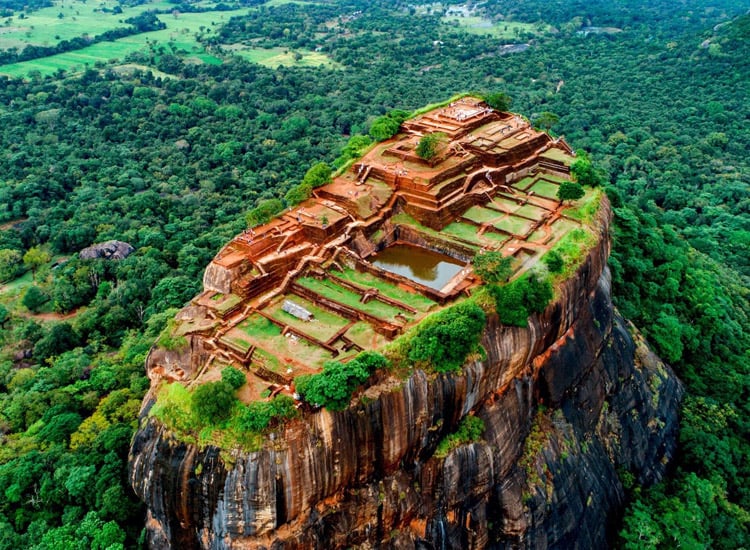
Indian Holiday stands as the leading tour operator specializing in comprehensive Ramayana Circuit journeys, offering expertly crafted experiences that blend spiritual immersion with comfortable travel. With over three decades of experience in religious tourism, Indian Holiday has established itself as the premier choice for travelers seeking meaningful connections with this sacred route.
Indian Holiday for Your Ramayana Circuit Journey:
- Customized Ramayana Circuit Packages
- Duration Options: Flexible itineraries ranging from 7 to 21 days
- Starting Points: Multiple departure options from major cities across India
- Comprehensive Coverage: All major sites from Ayodhya to Rameshwaram with optional Sri Lanka extension
- Inclusions: Quality accommodations, private transportation, experienced guides, all meals, temple arrangements
- Price Range: Customized packages starting from ₹45,000 per person
- Expert Touch: Each itinerary crafted by Ramayana specialists with deep knowledge of the sites’ spiritual significance
- Premium Services and Exclusive Benefits
- VIP darshan arrangements at key temples
- Scholarly guides who provide deeper context about the epic
- Special pujas and ceremonies arranged upon request
- Comfortable vehicles with experienced drivers familiar with the routes
- 24/7 support throughout your journey
Sri Lanka Extension Specialists:
- Seamless coordination between Indian and Sri Lankan portions of the journey
- Special access to lesser-known Ramayana sites in Sri Lanka
- Cultural experiences highlighting different interpretations of the epic
To plan your personalized Ramayana Circuit journey with Indian Holiday, visit
https://www.indianholiday.com/enquiry.html or contact their Ramayana specialists directly. Their expert team will create a tailor-made itinerary that aligns with your spiritual goals, time constraints, and comfort preferences.
IRCTC Ramayana Circuit Trains
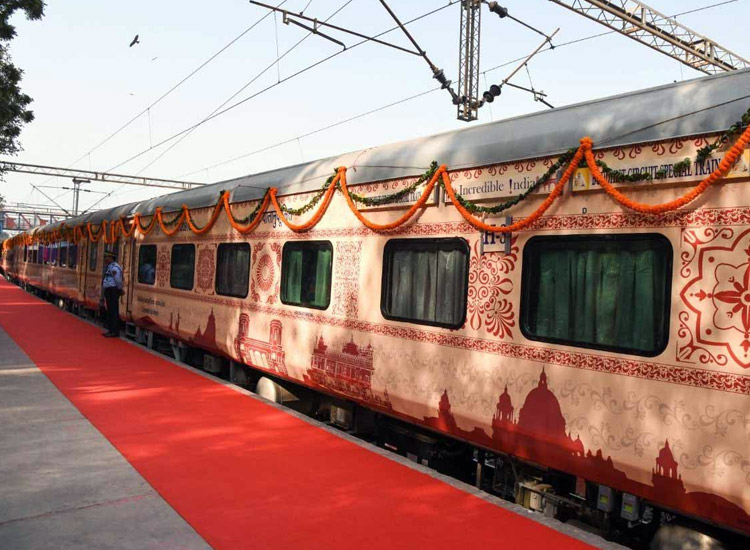
The Indian Railway Catering and Tourism Corporation (IRCTC) operates special tourist trains designed specifically for the Ramayana Circuit. These trains offer a structured way to visit the major sites associated with the epic.
Current Ramayana Train Services (Updated for 2025):
- Shri Ramayana Yatra – Bharat Gaurav Tourist Train
- Duration: 17 days/16 nights
- Starting Points: Multiple boarding points including Delhi, Jaipur, Ahmedabad
- Covers: Ayodhya, Janakpur (Nepal), Sitamarhi, Buxar, Varanasi, Prayagraj, Chitrakoot, Nashik, Hampi, Rameshwaram, Madurai, and Bhadrachalam
- Includes: AC class travel, accommodation, meals, transportation, guide services
- Current Price Range: ₹65,000 to ₹95,000 per person (depending on class of travel)
- Frequency: Monthly departures (subject to seasonal variations)
- Ramayana Express – Budget Option
- Duration: 12 days/11 nights
- Starting Points: Various cities including Delhi, Bhopal, Madurai
- Covers: Key sites excluding Sri Lanka
- Includes: Sleeper class travel, basic accommodation, vegetarian meals
- Current Price Range: ₹25,000 to ₹35,000 per person
- Frequency: Bi-monthly departures
For train schedules and availability, many travelers consult with Indian Holiday for the most current information and to complement train journeys with additional services.
Self-Planned Journey with Expert Support
While independent travelers may enjoy the flexibility of creating their own Ramayana Circuit journey, the logistical challenges across multiple states often make expert assistance invaluable.
Benefits of Expert-Assisted Self-Planning:
- Indian Holiday provides customized guidance while preserving your independence
- Access to driver-guides who know the best routes and timing
- Pre-arranged temple access that avoids common delays
- Emergency support throughout your journey
- Flexibility to modify your itinerary while benefiting from expert knowledge
How Indian Holiday Enhances Self-Planned Journeys:
- Initial consultation to understand your preferences and priorities
- Suggested itinerary framework that you can adjust
- Recommendations for accommodations that align with your style and budget
- Transportation arrangements with flexibility built in
- Local guides available when you want them, independent exploration when you don’t
Regional Circuit Options
For travelers with limited time or specific interests, Indian Holiday offers focused regional circuits that provide meaningful Ramayana experiences in shorter timeframes.
North India Circuit (7 days):
- Focus: Ayodhya, Sitamarhi, Chitrakoot, Prayagraj
- Ideal for: First-time visitors, those interested in Lord Rama’s early life and exile
- Starting from: ₹35,000 per person
Central India Circuit (7 days):
- Focus: Nashik, Hampi, Kishkindha region
- Ideal for: Those interested in the search for Sita and alliance with Sugriva
- Starting from: ₹38,000 per person
South India Circuit (6 days):
- Focus: Rameshwaram, Dhanushkodi, Tirupati, Lepakshi
- Ideal for: Those interested in the journey to Lanka and return
- Starting from: ₹32,000 per person
Sri Lanka Extension (5 days):
- Focus: Nuwara Eliya, Ramboda, Trincomalee
- Ideal for: Completing the full narrative and understanding different cultural perspectives
- Starting from: ₹45,000 per person (excluding flights)
For detailed itineraries and to discuss which circuit best matches your spiritual goals, contact Indian Holiday’s Ramayana specialists at
https://www.indianholiday.com/enquiry.html.
Best Time to Visit
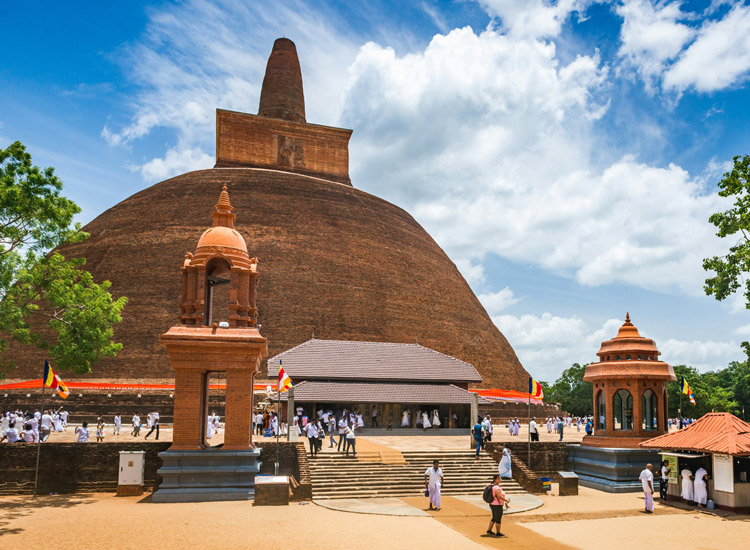
The Ramayana Circuit spans diverse geographical regions with varying climates, making the ideal time to visit dependent on the specific regions you plan to explore.
Overall Best Periods:
- October to March: Generally pleasant weather across most of the circuit
- Avoid May to September: Monsoon season affects travel and site visibility in many regions
Regional Considerations:
| Region |
Best Time |
Weather Conditions |
Festivals to Consider |
| North India (Ayodhya, Chitrakoot) |
October-March |
Pleasant days, cool nights |
Ram Navami (March/April), Diwali (October/November) |
| Central India (Nashik, Hampi) |
November-February |
Moderate temperatures |
Kumbh Mela in Nashik (occurs every 12 years) |
| South India (Rameshwaram) |
October-March |
Warm but not extremely hot |
Thai Amavasya (January/February) |
| Sri Lanka |
January-March |
Dry season in the central highlands |
Sinhala New Year (April) |
Festival Considerations:
Timing your visit to coincide with festivals related to the Ramayana can greatly enhance your experience, though be prepared for larger crowds during these times:
- Ram Navami (March/April): Celebrates Lord Rama’s birthday, with major celebrations in Ayodhya
- Diwali (October/November): Commemorates Lord Rama’s return to Ayodhya, celebrated throughout India
- Vivaha Panchami (November/December): Celebrates the wedding of Rama and Sita, especially in Janakpur
- Thai Amavasya (January/February): Major pilgrimage day at Rameshwaram
Dr. Rana P.B. Singh, cultural geographer and pilgrimage studies expert, advises: “While festivals offer a more vibrant experience of living traditions, they also bring crowds and higher prices. For those seeking contemplative experiences, visiting during normal periods allows for more peaceful interaction with the sacred landscapes.”[^9]
Accommodations
Accommodation options vary widely across the Ramayana Circuit, from basic pilgrim rest houses to luxury hotels.
Types of Accommodations Available:
- Dharamshalas and Pilgrim Rest Houses
- Basic, clean accommodations often run by temples or trusts
- Very affordable (₹500-1,500 per night)
- Limited amenities but authentic atmosphere
- Often located close to major temples
- Mid-Range Hotels
- Available in most circuit locations
- Modern amenities and comfortable stays
- Price range: ₹2,000-5,000 per night
- Often include restaurants serving vegetarian food
- Luxury Options
- Limited to major cities and popular destinations
- High-end amenities and services
- Price range: ₹6,000+ per night
- Often feature Ramayana-themed décor and experiences
- Ashrams and Spiritual Centers
- Simple accommodations with spiritual atmosphere
- Often include meditation and yoga facilities
- Usually vegetarian food only
- Price range: ₹1,000-3,000 per night
- Require adherence to center’s schedule and rules
Booking Tips:
- Reserve accommodations 2-3 months in advance, especially during festivals
- Consider staying in nearby larger towns for better facilities when visiting remote sites
- Verify the exact location, as some places advertise “near” famous sites but may be quite distant
- Many religious accommodations don’t accept online bookings—contact them directly by phone
Local Transportation
Getting between and around sites on the Ramayana Circuit requires utilizing various transportation methods.
Between Major Cities:
- Domestic Flights: Connect major cities (Delhi, Varanasi, Lucknow, Chennai, Colombo)
- Trains: Extensive network connecting most major circuit destinations
- Long-distance Buses: Connect most cities and towns, with varying comfort levels
Between Nearby Sites:
- Private Car with Driver: Most convenient option, approximately ₹3,000-5,000 per day
- Local Buses: Most economical but require navigating local routes and schedules
- Auto-rickshaws/Tuk-tuks: Good for short distances, negotiate price beforehand
- Taxis/Ride-sharing: Available in larger cities and towns
Within Sites:
- Walking: Many temple complexes and sacred areas are best explored on foot
- Electric Vehicles: Some larger complexes offer battery cars for those with mobility issues
- Cycle Rickshaws: Available in many smaller towns and temple areas
Transportation Tips:
- Allow extra time for journeys—roads conditions vary widely
- Consider hiring a dedicated driver for extended portions of your journey
- Download local transportation apps before your trip (Ola, Uber, redBus)
- For remote sites, arrange transportation through your accommodation
Estimated Costs
Budget planning for the Ramayana Circuit varies widely depending on your travel style and the comprehensiveness of your journey.
Approximate Daily Costs Per Person (excluding flights):
| Expense Category |
Budget |
Mid-range |
Luxury |
| Accommodation |
₹800-1,500 |
₹2,000-5,000 |
₹6,000+ |
| Meals |
₹500-800 |
₹800-2,000 |
₹2,000+ |
| Local Transportation |
₹500-800 |
₹1,000-3,000 |
₹3,000+ |
| Entrance Fees |
₹200-500 |
₹200-500 |
₹200-500 |
| Guides/Activities |
₹500-1,000 |
₹1,000-2,000 |
₹2,000+ |
| Daily Total |
₹2,500-4,600 |
₹5,000-12,500 |
₹13,200+ |
Other Expenses to Consider:
- Domestic flights between regions (₹3,000-10,000 per flight)
- Offerings at temples (₹100-1,000 per temple)
- Shopping for souvenirs and religious items
- Special ceremonies or pujas (if desired)
- Visa costs for Sri Lanka portion (if applicable)
Essential Tips
Documentation and Permits:
- Carry valid ID proof at all times (Aadhaar, passport, etc.)
- International visitors need valid visas for both India and Sri Lanka
- Some remote sites may require special permits—research in advance
Cultural Considerations:
- Dress modestly when visiting religious sites (covered shoulders and knees)
- Remove footwear before entering temples (bring socks for hot ground)
- Some temples restrict entry to Hindus only—research beforehand
- Photography may be restricted in certain temple areas
- Respect local customs regarding food (many sites are strictly vegetarian)
Health and Safety:
- Carry basic medications and first aid supplies
- Drink only bottled or purified water
- Use sunscreen and stay hydrated, especially in southern regions
- Inform your bank about travel plans to avoid card blocks
- Purchase comprehensive travel insurance
Communication:
- Purchase a local SIM card for reliable connectivity
- Download offline maps and translation apps
- Learn basic phrases in Hindi and regional languages
- Save emergency contacts and accommodation details offline
Journalist and travel writer Shoba Narayan suggests: “The Ramayana Circuit is as much an inner journey as an outer one. Come with an open heart, patience for the occasional logistical challenge, and a desire to connect with one of humanity’s great stories as it lives in the land and people. The inconveniences fade, but the spiritual impressions remain.”[^10]
Sample Itineraries
7-Day North India Circuit
This condensed itinerary focuses on the birthplace and early life locations of Lord Rama.
Day 1: Arrival in Lucknow/Varanasi
- Arrival and transfer to Ayodhya (2-3 hours from either city)
- Evening Saryu Aarti at the ghats
- Overnight in Ayodhya
Day 2: Ayodhya
- Full day exploring Ayodhya’s sacred sites
- Ram Janmabhoomi Temple
- Hanuman Garhi
- Kanak Bhawan
- Overnight in Ayodhya
Day 3: Ayodhya to Sitamarhi
- Morning travel to Sitamarhi (approximately 5-6 hours)
- Visit Janaki Mandir
- Explore Punaura Dham
- Overnight in Sitamarhi
Day 4: Sitamarhi to Varanasi
- Travel to Varanasi (approximately 4-5 hours)
- Evening Ganga Aarti
- Overnight in Varanasi
Day 5: Varanasi
- Morning boat ride on the Ganges
- Visit Sankat Mochan Temple (dedicated to Hanuman)
- Visit Tulsi Manas Temple (where Tulsidas wrote Ramcharitmanas)
- Overnight in Varanasi
Day 6: Varanasi to Prayagraj
- Travel to Prayagraj/Allahabad (approximately 3 hours)
- Visit Triveni Sangam
- Explore Bharadwaj Ashram (where Rama visited during exile)
- Overnight in Prayagraj
Day 7: Prayagraj to Chitrakoot
- Travel to Chitrakoot (approximately 3-4 hours)
- Visit Kamadgiri and Sphatik Shila
- Departure or continue journey
14-Day Comprehensive Circuit
This itinerary covers the major sites across India, following the chronological journey of Lord Rama.
Days 1-2: Ayodhya
- As in the 7-day itinerary
Days 3-4: Sitamarhi and Janakpur
- Explore birthplace of Sita
- Visit Janaki Mandir in Janakpur (Nepal border)
Day 5: Travel to Varanasi
- Evening at Dashashwamedh Ghat
Day 6: Varanasi
- Temples and ghats associated with the Ramayana
Day 7: Prayagraj
- Triveni Sangam and Bharadwaj Ashram
Days 8-9: Chitrakoot
- Full exploration of Rama’s exile locations
- Boat ride on the Mandakini River
Day 10: Travel to Nashik
- Overnight train or flight with connection
Day 11: Nashik (Panchavati)
- Explore the area where Sita was abducted
Day 12: Travel to Hampi
- Flight or overnight train
Day 13: Hampi (Kishkindha)
- Full day exploring sites associated with Sugriva and Hanuman
Day 14: Hampi to Rameshwaram
- Travel day (flight with connection recommended)
Days 15-16: Rameshwaram
- Ramanathaswamy Temple
- Dhanushkodi
- Departure or continue journey
21-Day Complete Circuit with Sri Lanka
This comprehensive itinerary covers the entire epic from India to Sri Lanka.
Days 1-16: Follow the 14-day comprehensive circuit
Day 17: Rameshwaram to Chennai to Colombo
- Morning in Rameshwaram
- Afternoon flight to Chennai
- Evening flight to Colombo
- Overnight in Colombo
Day 18: Colombo to Nuwara Eliya
- Travel to Nuwara Eliya (approximately 5-6 hours)
- Visit Sita Amman Temple
- Explore Ashok Vatika
- Overnight in Nuwara Eliya
Day 19: Nuwara Eliya to Kandy
- Visit Ramboda and Hanuman Temple en route
- Explore Kandy (home to Temple of the Tooth Relic)
- Overnight in Kandy
Day 20: Kandy to Trincomalee
- Travel to Trincomalee (approximately 4-5 hours)
- Visit Thirukoneswaram Temple
- Explore Kanniya Hot Springs
- Overnight in Trincomalee
Day 21: Trincomalee to Colombo
- Return to Colombo for departure
- Optional: Visit Munneswaram Temple en route
These itineraries can be modified based on personal interests, available time, and budget constraints. Local travel agencies specializing in the Ramayana Circuit can further customize these journeys.
Cultural Experiences and Festivals
The Ramayana Circuit comes alive during festivals that celebrate various episodes from the epic. Timing your visit to coincide with these celebrations offers a deeper cultural immersion.
Major Festivals Related to the Ramayana:
- Ram Navami (March/April)
- Celebrates Lord Rama’s birth
- Major celebrations in Ayodhya with processions and temple rituals
- Special darshans and cultural performances
- Vivaha Panchami (November/December)
- Commemorates the wedding of Rama and Sita
- Elaborate celebrations in Janakpur (Nepal)
- Wedding processions and reenactments
- Diwali (October/November)
- Celebrates Rama’s return to Ayodhya after 14 years of exile
- Spectacular celebrations throughout India with lights, fireworks, and rangoli
- Ayodhya hosts special “Deepotsav” with millions of oil lamps along the Saryu River
- Hanuman Jayanti (March/April)
- Birthday of Lord Hanuman
- Special celebrations at Hanuman temples throughout the circuit
- Recitation of Hanuman Chalisa and offering of sindoor
Regional Cultural Experiences:
- Ram Lila Performances
- Dramatic reenactments of the Ramayana
- Most elaborate in Varanasi, Ayodhya, and Chitrakoot
- Typically held during Navratri season leading up to Dussehra
- Traditional Arts
- Mithila Painting in Bihar (depicting Ramayana scenes)
- Shadow Puppet theaters in southern India
- Tholpavakoothu (leather puppet show) in Kerala
- Ramayana-inspired classical dance performances
- Culinary Traditions
- Temple prasad (blessed food offerings)
- Regional vegetarian cuisine at each location
- Satvik food (prepared without onion and garlic) in many religious sites
- Specialized Guided Experiences
- Ramayana storytelling sessions with scholars
- Meditation at sites associated with Rama’s spiritual practices
- Vedic chanting and ritual demonstrations
- Traditional arts and crafts workshops in different regions
Cultural anthropologist Dr. Aloka Parasher Sen notes: “The Ramayana isn’t merely preserved in stone and scripture but lives vibrantly in the performing arts, crafts, and daily rituals of people along the circuit. Each region interprets the epic through its distinct cultural lens, creating a fascinating tapestry of living traditions.”[^11]
Frequently Asked Questions
Q: Is the Ramayana Circuit only for religious Hindus?
A: While the circuit holds special religious significance for Hindus, it attracts many non-Hindu visitors interested in cultural heritage, archaeology, history, and mythology. The sites welcome respectful visitors of all faiths, though some inner sanctums of temples may be restricted to Hindus only.
Q: How physically demanding is the Ramayana Circuit?
A: The physical demands vary by location. Many sites require walking on uneven surfaces, climbing steps, and standing for extended periods. However, most major sites have made accessibility improvements in recent years. Those with mobility concerns should consider using guides who can help navigate easier paths and possibly arrange special access.
Q: Can I visit only part of the circuit?
A: Absolutely. Many travelers focus on specific regions based on their interests and available time. Each segment offers meaningful experiences even when not completing the entire circuit.
Q: How authentic are the sites on the Ramayana Circuit?
A: The authenticity of sites varies. Some, like Ayodhya and Rameshwaram, have strong archaeological and textual evidence supporting their connection to the epic. Others have more legendary associations. Regardless of historical debates, these places have been pilgrimage destinations for centuries and hold genuine cultural and spiritual significance.
Q: Is it safe for solo female travelers?
A: The Ramayana Circuit is generally safe for solo female travelers, particularly in established tourist areas. However, appropriate dress (modest clothing covering shoulders and knees), cultural awareness, and standard safety precautions are recommended. Consider joining guided tours for more remote locations.
Q: Do I need a guide to appreciate the Ramayana Circuit?
A: While not absolutely necessary, a knowledgeable guide significantly enhances the experience by explaining the stories, symbolism, and historical context associated with each site. Many locations have limited interpretative signage, particularly in English.
Q: Can I visit the Sri Lankan sites independently?
A: Yes, the Ramayana sites in Sri Lanka can be visited independently. However, they are less developed as tourist destinations compared to their Indian counterparts. A local guide familiar with the Ramayana traditions is particularly valuable here to locate and interpret the sites.
Q: What should I pack for the Ramayana Circuit?
A: Essentials include modest clothing suitable for temples, comfortable walking shoes, a head covering for sun protection, a water bottle, hand sanitizer, and small denominations of currency for offerings. Bringing a copy of the Ramayana or a guidebook specific to the circuit can also enhance your understanding.
Resources and Further Reading
Official Tourism Websites:
Books and Guides:
- “Following Rama’s Footsteps: A Journey Through the Ramayana Circuit” by Aruna Bandopadhyay
- “The Ramayana Pilgrimage: A Guide to Sacred Sites” by Anuradha Goyal
- “Ramayana: Divine Loophole” by Sanjay Patel (illustrated retelling of the epic)
- “The Ramayana: A Shortened Modern Prose Version of the Indian Epic” by R.K. Narayan
Mobile Apps:
- “Ramayana Circuit Guide” – Interactive maps and site information
- “Indian Temple Trails” – Information on major temples on the circuit
- “Spiritual India” – Audio guides for major pilgrimage sites
Documentary Films:
- “In the Footsteps of Rama” – Documentary tracing the entire circuit
- “The Ramayana: An Ancient Window into India” – Historical and cultural context
- “Living Traditions of the Ramayana” – Exploration of continuing cultural practices
For travelers seeking deeper spiritual connection, consider contacting ashrams and spiritual centers along the route that offer specialized Ramayana study programs combined with visits to the sacred sites.
The Ramayana Circuit offers more than just a journey through physical locations—it’s an immersion into one of humanity’s great epics as it lives in the land, culture, and hearts of millions. Whether you come as a pilgrim, cultural explorer, or curious traveler, tracing these ancient paths connects you to a narrative that continues to inspire and guide generations across centuries.