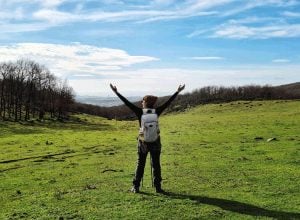
When I first guided a group along the tea trails of Nuwara Eliya, one guest arrived with flip-flops and no rain jacket — and ended up drenched but laughing at the foot of a waterfall. That little story sums up Sri Lanka: small, surprising, and best enjoyed prepared but relaxed. These Sri Lanka travel tips are the ones I give every first-timer: practical, insider-tested, and designed to help you travel confidently while getting under the island’s skin.
How do I get around — trains, cars or tuk-tuks?
Public transport is part of the charm. The train between Kandy and Ella is world-famous for a reason — buy a reserved second-class seat if you want fresh air and photo-friendly open windows. Buses are cheap but can be slow and crowded. For flexibility, hire a private car with driver: it’s affordable, comfortable and saves time. Tuk-tuks are perfect for short trips in towns — always agree on the fare or insist the driver use the meter. For intercity travel, mix trains (scenic) with private transfers (efficient).
Wondering how to get there? Here’s a quick guide on how to reach Sri Lanka.
What are the must-try foods, and how safe is street food?
Sri Lankan food is fragrant, spicy and varied. Don’t miss hoppers (bowl-shaped pancakes), kottu roti (chopped flatbread with vegetables/meat), string hoppers and fresh seafood along the south coast. Street stalls are generally safe if busy and have freshly cooked food; favour vendors with local customers. If you’re cautious, choose cooked dishes and avoid raw salads at local roadside stalls. Always carry rehydration sachets if you’re sensitive to spice or new bacteria.
Is Sri Lanka family-friendly and safe for solo travellers?
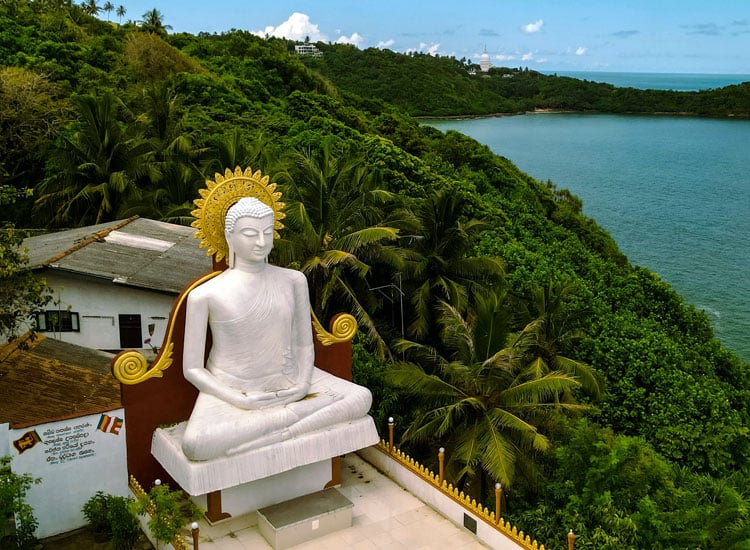
Yes — Sri Lanka is widely regarded as safe. Families will find welcoming accommodations and calm beaches; solo travellers (including solo women) report comfortable, friendly encounters. Usual precautions apply: don’t leave valuables unattended, avoid deserted areas late at night and use licensed taxis or reputable ride apps. Keep emergency numbers handy and register travel plans with family or your embassy if you prefer.
Plan your coastal escape with our Delightful Sri Lanka Tour.
What should I know about local customs and temple etiquette?
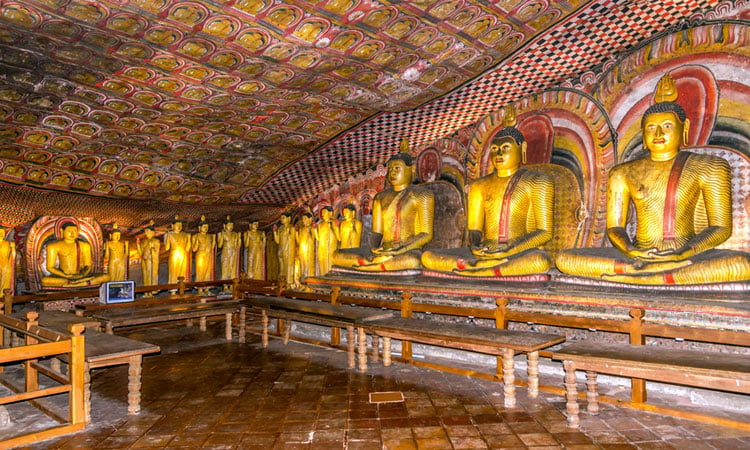
Respect is central to local life. When visiting religious sites: cover your shoulders and knees, remove your shoes, and avoid loud behaviour. Women may be asked to cover their heads in some places. Don’t point your feet at altars or Buddha statues — it’s considered rude. A polite “Ayubowan” (palm-pressed greeting) goes a long way. Always ask before photographing people, especially in rural areas.
Discover the top things to do in Sri Lanka and make your trip truly unforgettable!
How much cash should I carry, and where should I change money?
Carry a mix: cash for markets and tips, cards for hotels and larger shops. ATMs are common in cities but scarce in remote areas — withdraw in Colombo or Kandy before heading to rural parts. Currency exchange at Bandaranaike International Airport or reliable banks in Colombo gives good rates. For gem purchases, insist on certificates and keep receipts — customs and resale require them.
What vaccines and health precautions are recommended?
Basic travel vaccinations (tetanus, diphtheria, hepatitis A) are advisable. Check for current guidance on typhoid and hepatitis B with your doctor before planning your travels. Dengue and mosquito-borne illnesses are present — use repellent, a mosquito net where needed, and wear long sleeves at dawn/dusk. Tap water isn’t safe to drink; always use bottled or filtered water.
Common Mistakes Travellers Make
Trying to pack too much into one trip – Sri Lanka is a country best explored at a relaxed pace. Instead of attempting to tick off every destination, focus on one or two regions. Each area offers unique landscapes, cultural experiences, and culinary delights that deserve time to savour. Rushing can leave you exhausted and prevent you from truly connecting with local life.
Ignoring the monsoon pattern – Sri Lanka’s weather varies dramatically between coasts. The southwest experiences rain from May to September, while the northeast gets wet from October to January. Planning regionally around these patterns ensures sunny days for beaches, wildlife safaris, and hill country treks.
Underestimating travel times – Even short distances can take longer than expected due to winding roads, narrow mountain passes, and local traffic conditions. A 2–3 hour drive may cover less than 100 km, so always build in buffer time when planning sightseeing or transfers.
Skipping a local SIM card – While roaming may be convenient, mobile data in Sri Lanka is cheap and reliable. A local SIM helps with navigation, booking last-minute tours, and staying in touch with guides and accommodation providers.
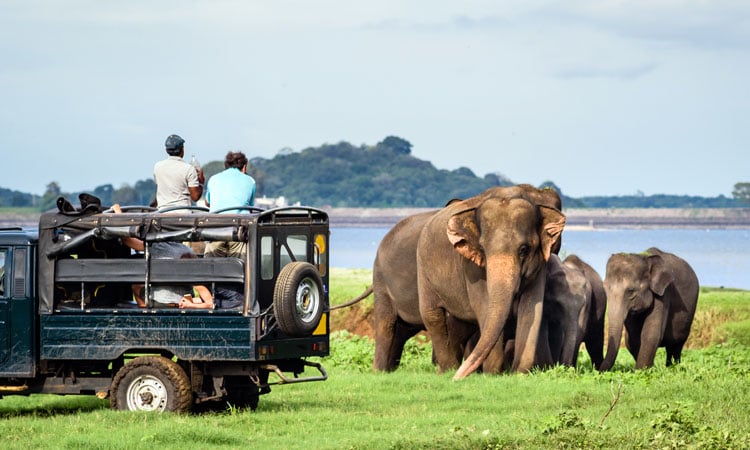
Not booking popular trains or safaris in advance – The iconic Kandy–Ella train journey and safaris in Yala or Udawalawe are in high demand, especially during peak season. Booking early ensures you get your preferred seats or slots without disappointment.
Buying gemstones without verification – Sri Lanka is famous for sapphires and gems, but not all sellers are trustworthy. Only purchase from certified dealers and retain proper documentation to avoid scams or legal issues.
Forgetting sun and insect protection – Tropical sun and mosquitoes can quickly turn an enjoyable day into discomfort. Sunscreen, hats, sunglasses, and insect repellent are essential items for every excursion, from beaches to tea plantations.
Explore the best tourist attractions with our guide to the top places in Sri Lanka.
When to Visit + What to Pack
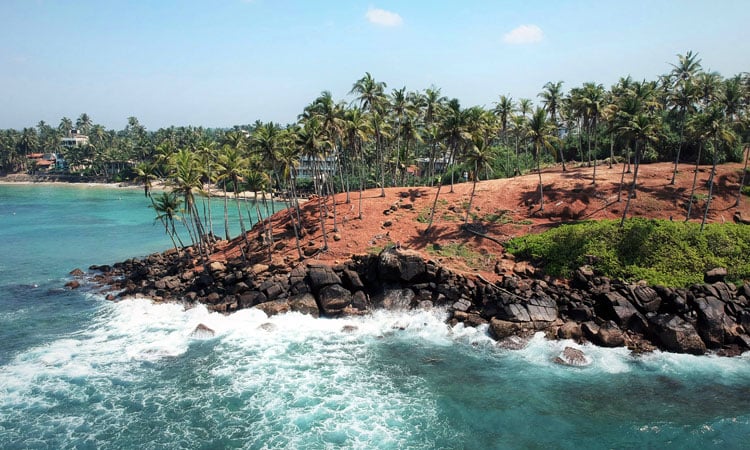
When to visit: – There’s no single “best” month for the whole island because Sri Lanka has two monsoon seasons. For the west and south coasts (Colombo, Galle, Bentota, Mirissa) and the Hill Country, December–April is ideal. For the East coast (Trincomalee, Arugam Bay), go May–September. If you want hill country coolness (Nuwara Eliya, Ella), pick the drier months between January and April.
To learn more, check out our guide on the best time to visit Sri Lanka.
What to pack:
Lightweight, breathable clothing plus a light jumper for hill stations.
A waterproof shell and a compact umbrella (sudden showers happen).
Good walking shoes for temple steps and hikes.
Sun hat, high-SPF sunscreen and sunglasses.
Mosquito repellent and after-bite cream.
A small first-aid kit and any prescription meds (bring copies of prescriptions).
Travel adaptor, power bank and a good camera — the scenery is irresistible.
Reusable water bottle with filter (saves plastic and money).
Extra Local Tips (insider nuggets)
Tea factory stops: watch leaf processing and taste fresh brews in Nuwara Eliya or Hatton.
Train ticket tip: for Kandy–Ella, second-class reserved is the sweet spot—fresh air and great shots.
Market etiquette: bargain with a smile and round prices (don’t haggle wildly on low-value goods).
Responsible travel: avoid single-use plastics where possible and opt for homestays that support local families.
Connectivity: buy a local SIM at the airport — it’s cheap and keeps you connected.
Ask Us for a Custom Plan
Want a tailored first-time itinerary — beaches, culture, or wildlife? Our local planners create balanced routes that avoid the rush and let you experience Sri Lanka properly. From reserving train seats to arranging ethical wildlife safaris, we’ll handle the logistics so you can enjoy the moments.
Contact us via WhatsApp or the enquiry form to start planning.