

Gangtok is best understood as a gateway to Sikkim’s high-altitude lake system. Most of the region’s most visited natural attractions are lakes or lake-adjacent landscapes located within a few hours’ drive from the city.
Unlike typical sightseeing destinations where attractions are concentrated in one place, lake experiences around Gangtok are spread across different altitudes and terrains, each offering a distinct seasonal character.
Some lakes are frozen for part of the year, some reflect clear Himalayan skies in summer, while others are part of sacred or route-based travel circuits. This makes lake exploration around Gangtok less about individual stops and more about understanding how altitude, season, and accessibility shape each lake experience.
From the iconic high-altitude Tsomgo Lake to smaller route-linked water bodies and seasonal alpine pools, this guide highlights the most meaningful lake experiences travelers can include in their Sikkim itinerary.
Quick Planning Snapshot
Top Lake Experiences Around Gangtok
1. Lake Shoreline Exploration Experiences
• Walk Along the Shoreline of Tsomgo Lake
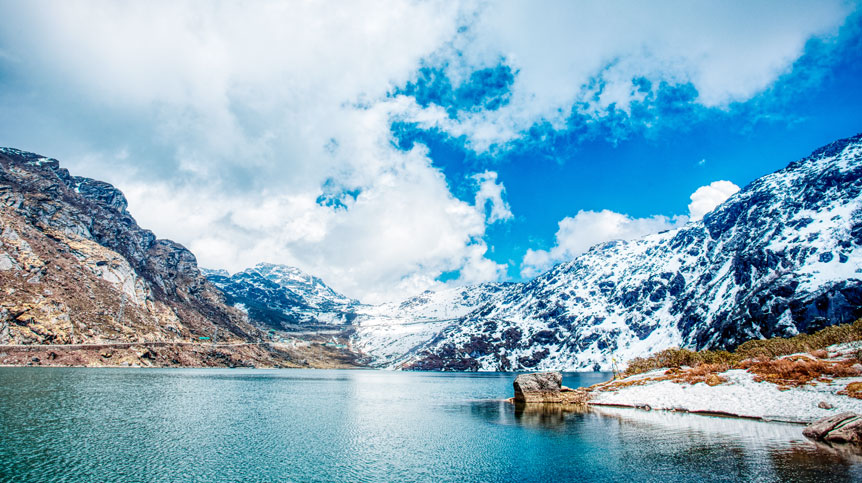
Walking along the shoreline pathways is the most direct way to experience the lake at close range. The designated lakeside routes allow travellers to move along different sections of the perimeter, where the lake constantly changes in appearance depending on angle, weather, and season.
In some stretches, the lake appears calm and reflective, while in others it feels more dramatic against the backdrop of steep mountain slopes and snow-covered terrain. This shoreline walk also helps travellers understand the scale of the lake within its high-altitude basin, as the surrounding landscape gradually unfolds from one viewing point to another.
• Explore Multiple Viewing Points Around Tsomgo Lake
Visit the designated viewpoints positioned around the lake perimeter to get different perspectives of the lake and its surrounding basin. These viewing points are located at varying elevations and allow observation of how the lake’s appearance changes with angle, distance, and weather conditions. The stops are typically used to view the lake layout, surrounding mountains, and seasonal surface variations from fixed platforms along the lakeside.
• Take Short Lakeside Circuits Around Tsomgo Lake
Follow short, designated walking loops in the lakeside area that connect multiple viewing points around the lake. These circuits allow travellers to cover different sections of the shoreline in one visit, moving between marked stops for lake observation. The route is used to view the lake from changing angles and understand its spread within the surrounding mountain basin.
Key stopping points along the circuit typically include the lakeside entry viewing area near the parking zone, the main central lake-facing platform, and the elevated roadside viewpoint above the lake basin. These points are used for short photo stops and for observing the lake from different elevations and angles within the same visit.
2. Lake Viewing & Observation Experiences
• View Gurudongmar Lake in a High-Altitude Setting
View the lake from designated observation points in the Tsomgo Lake viewpoint area along the Tsomgo–Nathu La corridor, where the landscape is defined by barren high-altitude terrain and minimal vegetation. The experience is focused on short viewing stops due to altitude conditions, with attention on lake colour, clarity, and its contrast against the surrounding Himalayan terrain. Visibility and appearance vary depending on weather and light conditions.
• Stop at Viewpoints Along the Tsomgo–Nathu La Route
Make short stops at designated viewpoints along the Tsomgo–Nathu La road to observe the lake from higher elevations. These stops are part of the mountain route experience, where the lake appears intermittently through bends in the terrain depending on altitude, fog, and visibility conditions. The viewpoints are used to understand the lake’s position within the broader high-altitude corridor rather than for a single fixed viewing angle.
3. Lake Photography Experiences
• Capture Reflections at Tsomgo Lake
Use designated viewpoints around Tsomgo Lake, such as the entry point near the parking zone, the main lakeside viewing platform close to the water, and the upper roadside viewpoints along the approach curve, along with intermittent lake-facing stops on the Tsomgo–Nathu La Pass corridor. These points collectively offer different perspectives of the lake, ranging from close-range basin views to elevated and angled compositions from higher road sections, depending on the route taken and visibility conditions.
• Photograph Gurudongmar Lake Landscapes
Frame the lake from marked halt points where the road first opens into the lake basin, as well as from the main viewing edge where the shoreline becomes fully visible. Focus on capturing scale by including foreground elements like prayer flags, stone markers, or parked vehicles to contrast with the vast open water and surrounding plateau. Since visibility can change quickly at this altitude, photographers often work in short windows, adjusting composition to shifting light, cloud breaks, and snow glare for distinct variations of the same landscape.
4. Seasonal Lake Experiences
• Experience Frozen Tsomgo Lake Conditions
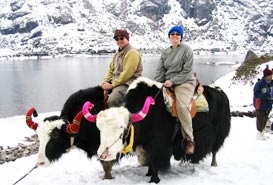
Travellers can experience frozen lake conditions mainly during the winter months, typically December to February, depending on snowfall intensity, when temperatures drop below freezing at high altitude. The lake surface partially or fully freezes due to sustained sub-zero temperatures combined with snowfall accumulation and reduced solar heating at this elevation.
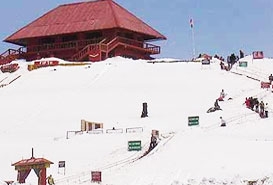
Wind chill and altitude further accelerate ice formation and maintain frozen conditions for extended periods. During this time, travellers observe a shift from open water to ice-covered surfaces, with surrounding areas also covered in snow, creating a uniform white landscape across the lake basin.
• Experience Clear Lake Views in Summer (March–June)
During the March to June spring–summer period at Tsomgo Lake, travellers can view the lake in its open-water state from designated lakeside viewpoints, with clearer visibility of the full basin and surrounding mountain slopes.
This season allows short movement between multiple viewing points around the lake to observe different angles and elevations, along with photography of lake reflections and snow patches on nearby ridges.
Snowmelt from surrounding slopes is often visible feeding into the lake, while the approach route also offers intermittent roadside stops with elevated perspectives of the lake and valley before reaching the main viewing area.
5. Lake Approach & Scenic Route Experiences
• Approach Tsomgo Lake Through Mountain Roads
Travel via the Gangtok–Tsomgo Lake mountain road route, which ascends gradually from Gangtok through forested slopes and alpine terrain. The route passes through regulated mountain stretches with altitude gain, where the landscape changes from vegetation-rich zones to open high-altitude scenery as you move closer to the lake. The final section opens directly into the lake basin area.
Key stops along the route:
- Roadside pull-offs on the Tsomgo approach road
- Elevated curve viewpoints before the final descent to the lake basin
- Final opening viewpoint where the lake becomes fully visible
• Explore North Sikkim Lake Circuit Routes
Travel via the Lachen-based route in North Sikkim, which serves as the access corridor for high-altitude lake visits in the region. The journey typically follows a regulated mountain circuit with Lachen as the base point before moving deeper into alpine zones.
The route is structured as a long-distance travel experience where lake access is combined with controlled stops along the way, depending on permits and road conditions. It is primarily used for reaching high-altitude lakes rather than single-point sightseeing, making the journey itself a key part of the experience.
Best Time to Visit Gangtok Lakes
Weather conditions in the Eastern Himalayas directly influence lake accessibility, visibility, and surface conditions, especially for high-altitude lakes like Tsomgo Lake and nearby alpine water bodies.
• March to June (Spring–Summer): This is one of the most suitable periods for lake visits. Roads are generally open, and lakes remain in their open-water state with clearer visibility of the surrounding mountains. Conditions are ideal for viewing lake basins, shoreline viewpoints, and seasonal snowmelt feeding into the water bodies.
• July to September (Monsoon): Heavy rainfall affects road stability and visibility in the region. While lakes appear fuller and surroundings turn greener, landslides and fog often restrict access and reduce clear lake views. Travel to high-altitude lakes may be disrupted.
• October to December (Autumn–Early Winter): This is considered the most reliable season for lake experiences. Skies are usually clear, offering strong reflections on lake surfaces and wide visibility of Himalayan backdrops. Road conditions are comparatively stable, making lake circuits more accessible.
• January to February (Winter): Winter brings extreme cold conditions, and lakes at higher altitudes may partially or fully freeze, including Tsomgo Lake. While access can be weather-dependent, this season offers rare frozen lake landscapes and snow-covered surroundings for a different visual experience.
Recommended Lakes in Gangtok Based on Traveller Type
| Traveller Type | Recommended Lakes | Why It Fits |
|---|---|---|
| First-Time / Short Trips | Tsomgo Lake | Easy access from Gangtok, permit-based day trip, structured stops, and viewpoints. |
| Photography / Scenic Focus | Tsomgo Lake, Gurudongmar Lake | Strong landscapes, seasonal snow contrast, and wide basin views for composition. |
| High-Altitude Experience Seekers | Gurudongmar Lake | Remote access, extreme elevation, and regulated travel circuit experience. |
| Families / Comfortable Travel | Tsomgo Lake | Short travel time, controlled access points, suitable for limited-duration visits. |
| Multi-Day Circuit Travellers | Gurudongmar Lake (via Lachen circuit) | Requires overnight stay, permits, and long-route alpine travel experience. |
Best Time to Enjoy Lake Experiences in Gangtok
| Season | Best For | Experience Overview |
|---|---|---|
| October to May | General lake visits | Best overall period with stable access, clear views, and reliable conditions at lakes like Tsomgo Lake. |
| March to May | Clear lake views | Open-water conditions, snowmelt inflow, and better shoreline visibility. |
| June to September | Green landscapes | Lush surroundings, but fog, rain, and road disruptions may affect access. |
| October to November | Reflections | Clear skies and stable weather, ideal for lake reflection views. |
| December to February | Frozen lakes | Snow and partial/fully frozen lakes at higher altitudes, including Tsomgo Lake. |
How to Reach Gangtok for Lake Visits
• By Air (via Bagdogra Airport – IXB): Bagdogra is the nearest major airport, located around 120 km from Gangtok. From here, travellers can hire shared taxis or private cabs to reach Gangtok in about 4–5 hours. Lake trips, such as Tsomgo Lake, are usually arranged after reaching Gangtok through registered local operators.
• By Rail (via New Jalpaiguri – NJP): NJP is the closest major railway station with good connectivity from major Indian cities. From NJP, Gangtok is a 4–5 hour road journey by taxi or shared jeep. Lake excursions are typically organised from Gangtok as part of day trips.
• By Road (via Siliguri / nearby hill towns): Gangtok is well connected by road through Siliguri and nearby towns via mountain routes. Shared taxis and private cabs operate regularly, and most lake visits, including high-altitude lakes, are done as guided or permit-based trips from Gangtok.
Suggested Gangtok Lake Experience Circuits
1. Short Lake Introduction Circuit (1–2 Days)
Day 1: Gangtok → Tsomgo Lake Circuit
- Travel via Gangtok–Tsomgo mountain route
- Visit Tsomgo Lake viewing points
- Stop at roadside lake viewpoints en route
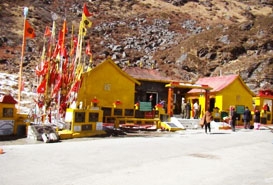
- Visit Baba Mandir (optional extension)
- Return to Gangtok
Best for: Quick lake experience, first-time visitors
2. Core Lake Exploration Circuit (2–3 Days)
Day 1: Tsomgo Lake Full Experience
- Multiple lakeside viewing zones at Tsomgo Lake
- Explore approach road viewpoints (ascending + return)
Day 2: High-Altitude Extension
- Nathula Pass corridor viewpoints
- Short lake visibility stops along the mountain road sections
- Weather-dependent lake visibility experience
Day 3 (Optional Buffer): Relaxed Return Circuit
- Revisit Tsomgo viewpoints (if weather changes)
- Short scenic stops on the return route
Best for: Balanced lake + mountain route experience
3. High-Altitude Lake Circuit (3–5 Days)
Day 1: Gangtok → Lachen Route Entry
- Alpine road transition journey
- River valley and elevation gain experience
Day 2: Gurudongmar Lake Circuit
- Gurudongmar Lake visit
- Controlled viewing stops only
- Short halt-based lake observation due to altitude
Day 3: Lachen → Lachung Transition (Seasonal Extension)
- Valley water-fed landscapes
- Seasonal stream-fed lake-like water bodies
Day 4–5 (Optional): Yumthang Region Extension
- Seasonal alpine pools and snow-melt water landscapes
- Return via the North Sikkim circuit
Best for: Extreme lake landscapes, high-altitude travel