||||||||Map Of bhuttan|||History of Bhutan|||

Plan Your Trip to Bhutan: A Complete Travel Guide

Known as the “Land of the Dragon,” Bhutan is a small Himalayan kingdom situated between Tibet and India. Renowned for its rich myths and legends, this mountain kingdom embraces both traditional and contemporary culture. Its natural beauty is complemented by a strong sense of tradition and heritage. There are countless interesting activities and sights to explore.

From snow-capped mountain peaks to historical relics, Bhutan offers a wealth of experiences for its visitors. This comprehensive Bhutan travel guide will help you navigate this carbon-negative kingdom, where ancient traditions seamlessly merge with conscious development.

Whether you are seeking spiritual enlightenment, cultural immersion, or breathtaking Himalayan adventures, this guide covers it all.

Quick Facts About Bhutan

Before diving deep into this mystical kingdom, here are the essential facts every traveler should know:

  • Date of Formation: Early 17th century (unified under Zhabdrung Ngawang Namgyal)
  • Total Area: 38,394 square kilometers (slightly smaller than Switzerland)
  • Capital: Thimphu (population: ~115,000)
  • Official Languages: Dzongkha (primary), Tshanglakha, Lhotshamkha
  • Government: Constitutional monarchy since 2008
  • Religion: Vajrayana Buddhism (75%), Hinduism (25%)
  • Currency: Ngultrum (BTN), Indian Rupee also accepted
  • Time Zone: Bhutan Time (BTT) – UTC+6
  • Best Time to Visit: September to May (clear skies, mild weather)
  • Population: Approximately 770,000 people
  • Unique Distinctions: Only carbon-negative country

Understanding Bhutan’s Rich History

The early history of Bhutan is deeply rooted in mythology, dating back to approximately 2000 BC. According to legend, it was ruled by Sangaldip, a king from Cooch Behar, in the 7th century BC.

The unification of Bhutan occurred in 1616 when Ngawang Namgyal, a lama from western Tibet known as the Shabdrung Rinpoche, successfully defended the region against three Tibetan invasions. Following his death in 1885, Ugyen Wangchuck consolidated his power and fostered closer ties with the British in India.

On December 17, 1907, Ugyen Wangchuck was elected as the ruler of Bhutan and became the head of state, known as the Druk Gyalpo. In 1947, when India gained independence, the new Indian government recognized Bhutan as an independent nation.

During the reign of Jigme Dorji Wangchuck from 1952 to 1972, Bhutan began implementing a program of planned development. In 1971, Bhutan became a member of the United Nations, and the National Assembly was established alongside the Royal Bhutanese Army and the High Court.

In 1972, Jigme Singye Wangchuck ascended to the throne at the age of 20. He focused on modern education, decentralization of governance, and the development of hydroelectricity and tourism in rural areas. In 2008, Jigme Khesar Namgyel Wangchuck became king following his abdication.

Climate in Bhutan

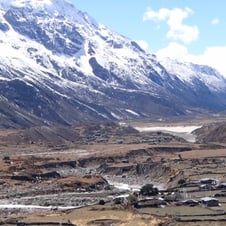
Bhutan is a small region, but its weather fluctuates significantly from north to south and from valley to valley, mainly due to altitude differences. The northern part of Bhutan is perpetually covered with snow. In the eastern, western, and central parts of Bhutan, you will experience a European-like weather. The average annual temperature in Bhutan ranges from 15°C to 30°C.

Best Time to Visit Bhutan: When Should You Go?

Choosing when to visit Bhutan can make or break your trip. Each season offers something completely different, and honestly, there’s no single “perfect” time – it all depends on what you want to experience.

Let me break down what each season is really like, so you can decide what works best for your dream Bhutan adventure. For detailed information about seasonal planning, check out our comprehensive guide on the best time to visit Bhutan.

Spring (March-May)

Spring is magical in Bhutan. The weather’s just right – not too hot, not too cold – with temperatures sitting comfortably between 15-25°C in the valleys. Clear skies make for perfect Instagram shots of the Himalayas, and rhododendrons bursting into bloom at higher altitudes paint mountainsides in brilliant reds and pinks.

What’s great about spring:

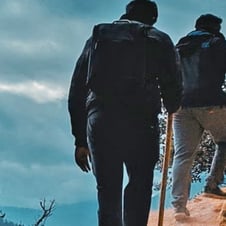
  • Perfect weather for hiking to Tiger’s Nest without breaking a sweat
  • Amazing photography opportunities with clear mountain views
  • You might catch the famous Paro Tsechu festival (it’s incredible!)
  • Comfortable trekking conditions if you’re into that

Summer (June-August)

Summer often receives a negative reputation due to the monsoon season, but let me explain. Yes, it rains—a lot. And yes, the mountains are often obscured by clouds. However, Bhutan transforms into an incredibly lush and vibrant landscape, almost resembling another world. Additionally, you’ll find that the area is mostly free of tourists, as many tend to avoid visiting during this time.

Why do some people love summer:

  • Way fewer crowds (sometimes you’ll have monasteries to yourself)
  • Everything is incredibly green and beautiful
  • Hotels often offer discounts
  • Great time to focus on indoor cultural experiences and museums
  • You’ll see a side of Bhutan most tourists miss

Autumn (September-November)

This is when everyone wants to visit Bhutan, and for good reason. The monsoon has cleared out, leaving behind crystal-clear skies and the most stunning mountain views you’ll ever see. The weather’s perfect – crisp and comfortable – and it’s harvest time, so there’s a festive atmosphere everywhere.

Why autumn is so popular:

  • Absolutely stunning mountain views (seriously, the Himalayas look unreal)
  • Perfect weather for any outdoor activity
  • Festival season is in full swing, including the massive Thimphu Tsechu
  • Ideal trekking conditions if you want to tackle those mountain trails
  • Everything just feels “perfect” for exploring

Winter (December-February)

Don’t let the cold deter you. Winter in Bhutan is crisp and clear, featuring sunny days that make the snow-capped peaks truly breathtaking. While temperatures can be chilly (ranging from 5 to 20°C in the valleys), you’ll enjoy a more intimate experience with far fewer tourists around.

What makes winter special:

  • Fewer crowds mean more authentic interactions with locals
  • Clear, crisp days with incredible mountain views
  • Winter festivals that most tourists never see
  • Better deals on accommodations and tours
  • Snow-covered peaks create the most dramatic scenery

My honest advice? If this is your first trip to Bhutan, go in autumn (September-November) or spring (March-May). You’ll get the best of everything. But if you’re the adventurous type who doesn’t mind a little rain or cold, summer and winter can offer incredibly unique experiences that most people never get to see.

Culture and Tradition of Bhutan

Bhutanese culture combines ancient Buddhist traditions with environmental consciousness and progressive social values, creating a unique way of life based on the principles of Gross National Happiness.

The Bhutanese cultural landscape is extraordinary in that it preserves traditional values while embracing selective modernization that does not undermine its heritage.

Buddhist Cultural Foundation

Bhutanese life is infused with Buddhism, from daily routines to national policies. Bhutan combines Buddhist principles into its constitutional framework and development philosophy, unlike many other countries.

Core Buddhist Practices in Daily Life:

  • Morning rituals: Prayer wheel spinning, butter lamp offerings, mantra recitation
  • Community ceremonies: Blessing of new homes, harvest celebrations, life cycle events
  • Mindful consumption: Buddhist principles influence diet, environmental practices, and social interactions
  • Compassionate governance: Policies reflect Buddhist values of non-violence and universal well-being

Traditional Arts and Crafts (Zorig Chusum)

Bhutan recognizes thirteen traditional arts and crafts essential to cultural preservation:

  1. Shing Zo (Woodworking): Intricate temple carvings and traditional architecture
  2. Do zo (Stonework): Dzong construction and sacred sculptures
  3. Par zo (Carving): Slate and wood carving for religious and decorative purposes
  4. Lha zo (Painting): Thangka paintings and temple murals
  5. Jim Zo (Clay Arts): Pottery and ritual objects
  6. Tshar zo (Bamboo work): Baskets, containers, and household items
  7. Thag zo (Weaving): Traditional textiles and ceremonial garments
  8. Tshon zo (Tailoring): Traditional dress construction and ceremonial costumes
  9. Shog zo (Paper making): Handmade paper from daphne bark
  10. Cham zo (Mask making): Ritual dance masks and decorative pieces
  11. Dug zo (Blacksmithing): Tools, weapons, and ritual objects
  12. Tro ko (Silver/Gold smithing): Jewelry, religious artifacts, and ceremonial items
  13. De Zo (Masonry): Traditional building techniques and stone work

Language and Communication

Dzongkha is the national language and is taught in all schools, alongside English, which serves as the medium of instruction for most subjects. The bilingual education system enables Bhutanese to preserve their cultural identity while engaging with the global economy.

Regional Languages:

  • Sharchopkha: Spoken in eastern regions (Trashigang, Mongar)
  • Lhotshamkha: Nepali-origin language in southern areas
  • Bumthangkha: Central Bhutan regional dialect
  • Khengkha: Indigenous language of the central regions

Traditional Dress

Bhutan’s traditional dress isn’t just for special occasions. This is actually a requirement by law in public spaces! This sounds strict, but it’s one of the most successful cultural preservation policies in the world, and honestly, it adds a great deal of character to the country.

Men’s Traditional Dress: The Gho

The gho is a knee-length robe that men tie at the waist with a colorful woven belt called a kera. What’s clever about this design is the large front pouch (called hemchu) that forms when you tie it-it’s like having a built-in bag for carrying your phone, wallet, or traditional items like prayer beads.

What you’ll notice:

  • Daily ghos are usually made from comfortable cotton
  • For special occasions, men wear silk gowns that look stunning
  • During formal events, they add a ceremonial scarf (kabney) – the color indicates their rank or position
  • It takes some practice to tie it properly, but locals make it look effortless

Women’s Traditional Dress:

Women wear the kira, an ankle-length dress wrapped around the body and pinned at the shoulders with beautiful silver brooches. It’s worn over a blouse called wonju, and often topped with a decorative jacket called toego.

What makes it special:

  • The weaving patterns are incredibly intricate and often passed down through generations
  • Regional variations mean you can spot someone from eastern vs. western Bhutan
  • Modern versions have contemporary cuts while keeping the traditional look
  • The fabrics range from everyday cotton to elaborate silk with gold threads

Festival Culture: When Bhutan Comes Alive

To truly experience Bhutanese culture at its most vibrant, you must attend a tsechu (festival). These events are not just religious; they are grand community celebrations that unite the entire social fabric of Bhutan. Imagine them as spiritual observances combined with the biggest party of the year.

Thimphu Tsechu (September/October)

For three consecutive days, the capital shuts down for elaborate ceremonies that are part religious ritual, part cultural showcase, and part community reunion.

What you’ll experience:

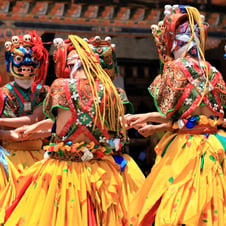
  • Incredible masked dances (cham) performed by monks in the most colorful, elaborate costumes you’ve ever seen
  • Traditional music that echoes off the dzong walls
  • Community feasting where strangers become friends over shared meals
  • The largest gathering of traditional arts and crafts you’ll find anywhere in Bhutan

The spiritual side is also real – locals believe that attending these ceremonies helps purify sins and accumulate merit for their next life.

Paro Tsechu (March/April)

If you can attend only one festival, Paro Tsechu may be your best choice. One of the most remarkable moments occurs at dawn when they unveil a massive silk painting (thongdrol) that stands three stories tall. It is believed that simply seeing this painting purifies your sins, which explains why thousands of people gather before sunrise!

Why tourists love it:

  • It’s the most accessible major festival for international visitors
  • Traditional sports competitions happen alongside the religious ceremonies
  • Food festivals with vendors selling everything you can imagine
  • Merchant displays where you can buy authentic crafts and textiles
  • The setting in Paro valley, with the mountains as backdrop, is absolutely magical

Pro tip: Don’t just watch from the sidelines. Locals are incredibly welcoming during festivals, and you may be invited to share butter tea or even participate in some of the community activities.

For those interested in experiencing these cultural celebrations, consider joining our specialized Bhutan Folk Festival tour.

Where to Go in Bhutan: The Must-Visit Places

Bhutan may be small, but each valley has a distinct story to tell. Each place offers something unique—some emphasize culture, others focus on adventure, and a few provide a blend of both. Let me guide you through the destinations that will enhance your experience in Bhutan.

For comprehensive information about destinations, explore our detailed guide on places to visit in Bhutan.

1 – Thimphu

Thimphu is fascinating because it is likely the only capital city where government ministers work in a 17th-century fortress. Traffic lights have been removed because locals prefer having police officers direct traffic. This city offers a captivating introduction to how Bhutan balances tradition with modernity.

2 – Paro

Paro has the only international airport in Bhutan, so you’ll start or end your journey here. It’s also home to Tiger’s Nest, Bhutan’s most famous monastery, as well as stunning valley scenery.

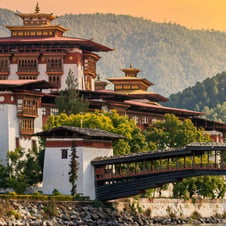
3 – Punakha

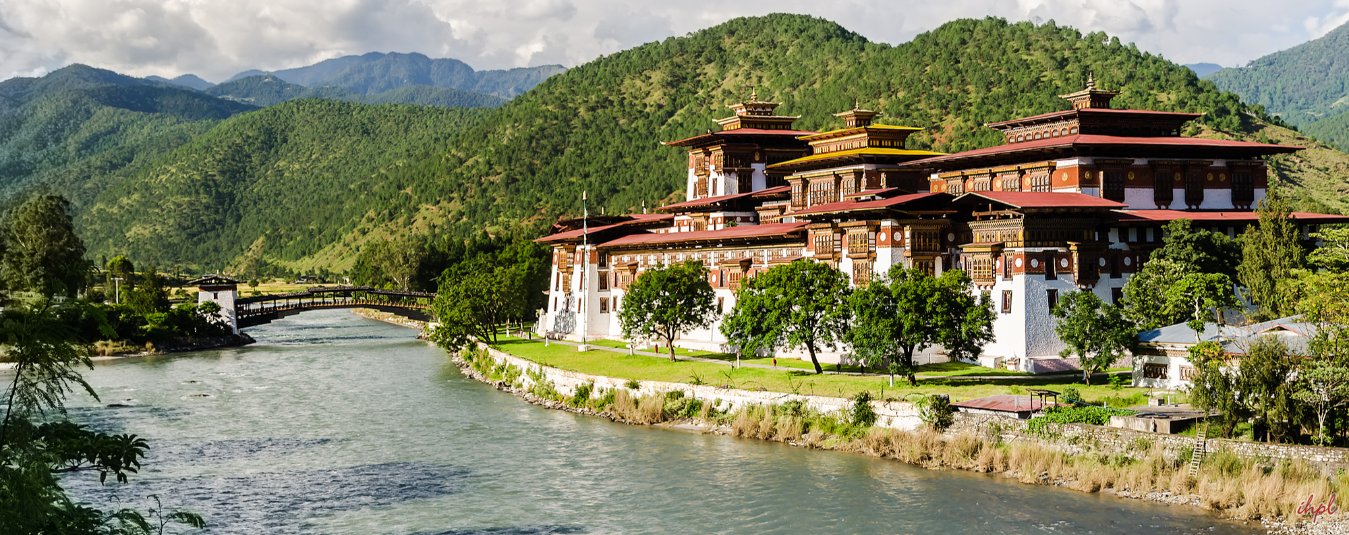
As the former capital and current winter residence of the monks, Punakha has a subtropical climate, unlike the other valleys. It is the site where all Bhutanese kings have been crowned, and the dzong here is regarded as the most beautiful in the country.

4 – Bumthang

To truly understand Bhutanese Buddhism, it is essential to visit Bhutan. The Bumthang Valley is home to some of the oldest and most sacred temples in the country. Additionally, it is renowned for its finest traditional crafts and famous Swiss-style cheese.

For adventure enthusiasts, consider the Bumthang Cultural Trek, which combines cultural immersion with trekking experiences.

5 – Eastern Bhutan

This is an authentic experience—minimal tourism infrastructure but maximum cultural immersion. Eastern Bhutan demands more time and flexibility, but if you’re willing to invest the effort, you’ll experience Bhutan as very few tourists ever do.

Don’t miss the Sakteng Wildlife Sanctuary in Eastern Bhutan, home to unique wildlife including the elusive yeti legend.

Must-Visit Monasteries and Sacred Sites

1. Tiger’s Nest Monastery (Paro Taktsang)

Location: Paro Valley, 3,120 meters above sea level

Significance: Bhutan’s most iconic monastery, built around the cave where Guru Rinpoche meditated for 3 years, 3 months, 3 weeks, and 3 days.

Visiting Details:

  • Trek Duration: 2-3 hours round trip
  • Difficulty: Moderate (steep trail with altitude considerations)
  • Best Time: Early morning (7-9 AM) or late afternoon (3-5 PM)
  • Special Features: Sacred cave meditation site, stunning cliff-side architecture, panoramic valley views

The Taktsang Monastery is undoubtedly the most photographed and visited site in Bhutan, offering visitors a spiritual journey combined with breathtaking views.

2. Chimi Lhakhang (Fertility Temple)

Location: Punakha Valley

Significance: Dedicated to Drukpa Kunley, the “Divine Madman,” known for his unorthodox teaching methods and fertility blessings.

Cultural Importance:

  • Pilgrimage site for couples seeking children
  • Houses wooden phallus symbols blessed by Drukpa Kunley
  • Demonstrates Bhutan’s open approach to sexuality within a Buddhist context

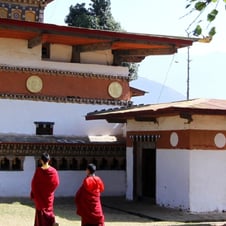
3. Kyichu Lhakhang

Location: Paro Valley

Historical Significance: One of Bhutan’s oldest temples (659 AD), part of 108 temples built by Tibetan King Songtsen Gampo to subdue a demoness.

Architectural Features:

  • Ancient prayer wheels and sacred relics
  • Original 7th-century structure with later additions
  • Important pilgrimage circuit for Bhutanese Buddhists

4. Tango Monastery

Location: 14 kilometers from Thimphu

Educational Role: A Buddhist university established in the 13th century, a training ground for senior monks and scholars.

Unique Aspects:

  • 800-year-old meditation caves
  • Traditional Buddhist curriculum, including philosophy, medicine, and arts
  • Stunning mountain setting with rhododendron forests

Monastery Etiquette and Visiting Guidelines

  • Photography: Generally prohibited inside temples; always ask permission
  • Dress Code: Conservative clothing covering shoulders and knees; remove hats and shoes before entering
  • Behavior: Maintain silence, walk clockwise around sacred objects, don’t point feet toward altars
  • Offerings: Small donations appreciated; butter lamps and incense available for purchase
  • Timing: Early morning or late afternoon visits are recommended for a peaceful atmosphere

Planning Your Bhutan Trip

Planning a trip to Bhutan is unlike planning a trip to any other destination. The country actively limits tourism to protect its culture and environment, which means there are some specific requirements and steps to take. However, I assure you that the effort you put into planning is more than worth it.

Here’s everything you need to know to make your Bhutan adventure happen, without the bureaucratic jargon.

Sustainable Development Fee (The Big One)

You will be charged Rs 1,200 per person, per night. This fee is not a tourist tax; rather, it is Bhutan’s approach to ensuring that tourism benefits the country. The revenue generated from this fee supports free healthcare, education, and environmental conservation initiatives. Consider it a contribution to one of the world’s most successful sustainability programs.

Visa Process (Easier Than You Think)

Indians do not need a visa to visit Bhutan. However, if you are from another country, please check with your tour operator, as they will handle all the details for you. Simply send them a copy of your passport along with your itinerary, and they will process it within 5 to 7 days. That’s it!

For detailed information about visa requirements, check our comprehensive Bhutan visa guide.

Getting There

Paro Airport is the only international airport in Bhutan. You can choose between Druk Air and Bhutan Airlines for your flights. Please note that these flights are dependent on weather conditions, so we recommend departing in the morning.

Flight connections that work:

  • From India: Delhi, Kolkata, Bagdogra (closest to the Darjeeling area)
  • From Nepal: Kathmandu (popular combo trip)
  • From Thailand: Bangkok (great for Southeast Asia combinations)
  • From Singapore: Seasonal direct flights when available

For more detailed information about transportation options, visit our guide on how to reach Bhutan.

Overland Entry (Indian Citizens Only)

If you’re Indian, you can drive in through Phuentsholing (the most popular route), Gelephu, or Samdrup Jongkhar. Everyone else has to fly.

Getting Around

Here’s the thing about traveling in Bhutan – the roads are good, but they’re mountain roads. Your tour operator provides a driver (it’s mandatory), and you’ll be grateful for it. These guys know every curve, and you can enjoy the scenery instead of white-knuckling the steering wheel.

Health Requirements (Pretty Chill)

Vaccinations are not mandatory, but if you plan to visit rural areas, it’s advisable to get vaccinated for Typhoid and Hepatitis A/B. If you’ll be spending a lot of time in remote eastern regions, consider getting the Japanese Encephalitis vaccine. Additionally, it’s wise to purchase travel insurance that includes coverage for medical evacuation, especially since you’ll be in mountainous terrain.

Real talk on altitude: Most of Bhutan is situated at elevations of 2,000-3,000m. If you’re prone to altitude sickness, bring medication and take it easy during your first few days.

Planning a trip to Bhutan takes more effort than a typical trip, but the payoff is incredible. The restrictions that make planning complex are the same ones that have preserved this amazing culture. Work with a good tour operator, pack appropriately, and prepare for one of the most unique travel experiences you’ll ever have.

Where to Stay: From Luxury to Authentic

If money’s no object: Amankora has lodges across multiple valleys, and Como Uma Paro is stunning. These places are world-class luxury with traditional design.

For great experiences: Try heritage properties like Gangtey Palace or farmhouse stays, where you’ll live with local families. These often become the highlight of people’s trips.

The reality: All accommodations are government-approved and booked through your tour operator. You can’t just show up and find a place to stay.

Cultural Do’s and Don’ts (The Important Stuff)

Dress Code Reality Check

  • Religious sites: Cover shoulders and legs, remove shoes and hats
  • Government buildings: Dress nicely or wear traditional clothes
  • Daily life: Just be respectful – no need to stress too much

Temple Etiquette

  • Take off your shoes before entering
  • Walk clockwise around sacred objects
  • Don’t point your feet toward altars
  • Ask before taking photos of people

Social Basics

  • Greet with “Kuzuzangpo” and hands in a prayer position
  • Wait for the elders to start eating
  • Use your right hand for food and giving/receiving things
  • Don’t point with your index finger – use an open hand

For a comprehensive list of activities and cultural experiences, check out our guide on things to do in Bhutan.

What to Pack (From Someone Who’s Been There)

Clothing That Works

Layers are your friend – mornings can be freezing, afternoons warm, and evenings cold again. Pack like you’re going camping in the mountains, because essentially, you’re.

Must-haves:

  • Good hiking boots (you’ll be walking on uneven surfaces constantly)
  • Warm jacket (even in summer, evenings get chilly)
  • Conservative clothes for temples (long sleeves, long pants)
  • Rain gear if you’re going during the monsoon

Technical Stuff

  • Extra camera batteries – they drain super fast in the cold
  • Portable charger – essential for long travel days
  • Headlamp – useful for early morning visits and occasional power outages
  • Power adapters – Type C, D, F, G outlets (230V)

Health and Safety

  • Basic first aid kit with altitude sickness meds if you’re trekking above 3,000m
  • High SPF sunscreen – the high-altitude sun is intense
  • Water purification tablets for remote areas
  • Your regular medications with prescriptions – bring extra

Final Words

Bhutan offers more than just a typical travel experience; it provides a transformative journey into a vibrant culture where ancient wisdom shapes modern progress. In Bhutan, environmental conservation is enshrined in the constitution, and the concept of Gross National Happiness fosters a society focused on genuine well-being rather than mere economic growth.

Ready to plan your Bhutan adventure? Explore our comprehensive Bhutan tour packages and discover why this Himalayan kingdom continues to captivate travelers from around the world.

Related Posts