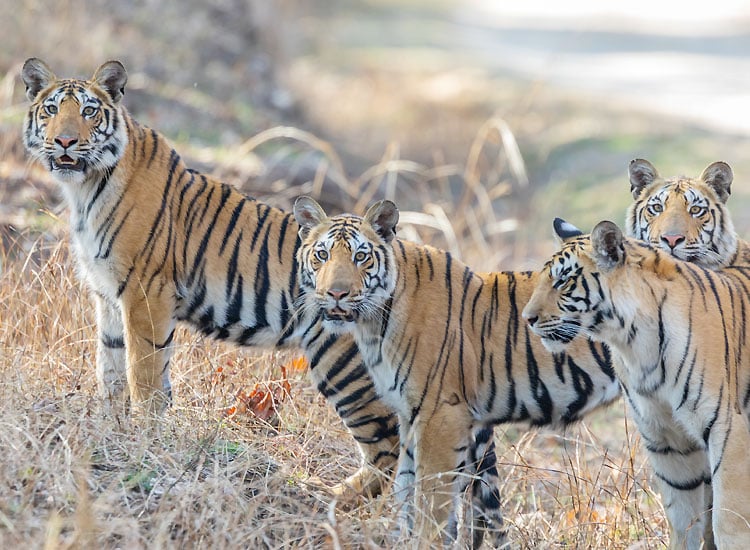
Madhya Pradesh is called the “Tiger State of India” for a reason. With over 10 national parks and 25+ wildlife sanctuaries, it offers some of the richest biodiversity and forest-based tourism in the country. Whether you’re after the roar of the tiger, the silence of rare birds, or the thrill of camping deep in the woods, Madhya Pradesh’s forests deliver unforgettable moments.
Here are the top wildlife experiences you must not miss in 2026.
1. Jeep Safaris in Kanha National Park – The Kipling Jungle
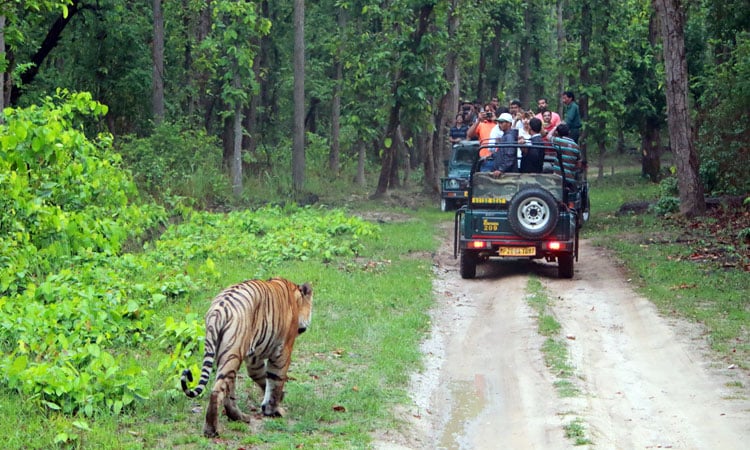
Kanha is what inspired Rudyard Kipling’s Jungle Book, and its teak and sal forests still feel like a page out of that tale. Morning and afternoon jeep safaris here are known for tiger sightings, especially in the Mukki and Kisli zones. But beyond the big cats, you’ll spot barasinghas, wild dogs, sloth bears, and more.
Best Time: October to June
Don’t Miss: Kanha Museum of Life & Art, Baiga tribal interactions
Also explore: Places to Visit in Kanha
2. Boat Safari in Satpura National Park – A Forest Without the Crowds
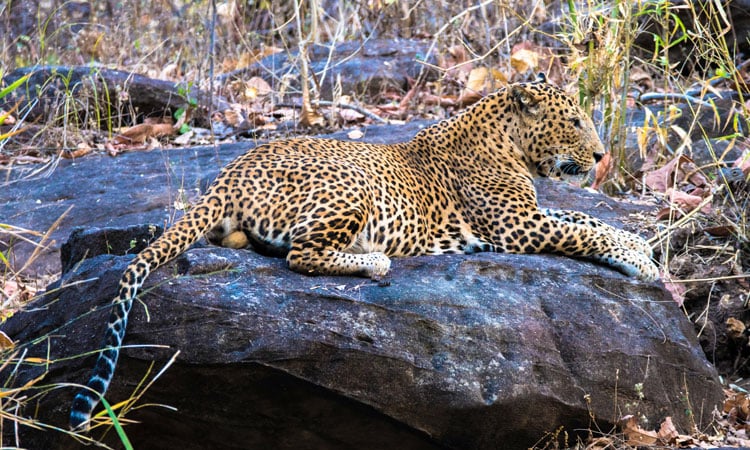
If you’re looking for a quieter, offbeat experience, Satpura is the park to visit. It’s the only national park in India that allows walking, canoeing, and boat safaris. Gliding through the Denwa River, you may spot crocodiles basking on rocks, langurs drinking water, or leopards coming to the shore.
Best For: Nature lovers and birdwatchers
Best Time: October to April
Check out our 3-Day Tour to Satpura
3. Night Safari in Kuno National Park – Cheetahs and Beyond
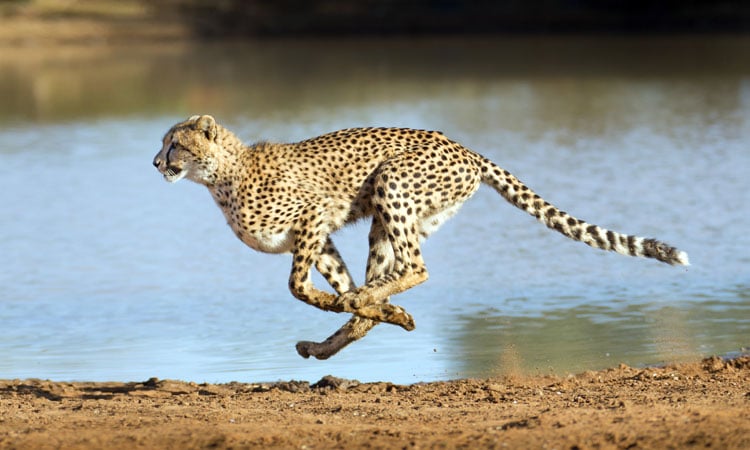
Kuno made headlines with the reintroduction of cheetahs from Africa. While spotting one is rare, the thrill of driving through a forest under moonlight, with hyenas, porcupines, and owls crossing your path, is unmatched.
Best Time: November to March
Don’t Miss: Interpretation centre near Tiktoli gate
Learn more: Is Madhya Pradesh Safe for Solo Travel in 2026?
4. Birdwatching in Chambal Sanctuary – Flamingos to Indian Skimmers
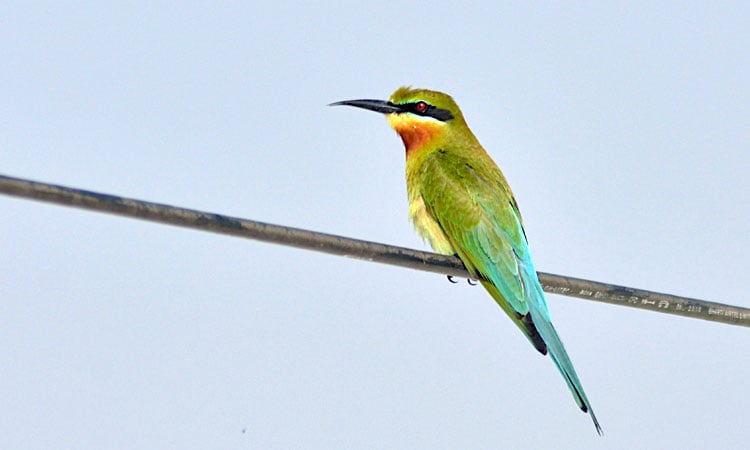
The Chambal River hosts one of India’s cleanest river ecosystems, and its sanctuary is home to endangered species like the gharial, Gangetic dolphin, and Indian skimmer. Thousands of migratory birds arrive here in winter, making it a birdwatcher’s paradise.
Best Time: November to February
Best For: Ornithologists and photographers
Also Read: Bird Sanctuaries in India
5. Jungle Camping in Panna – Leopards, Falls, and Diamond Trails
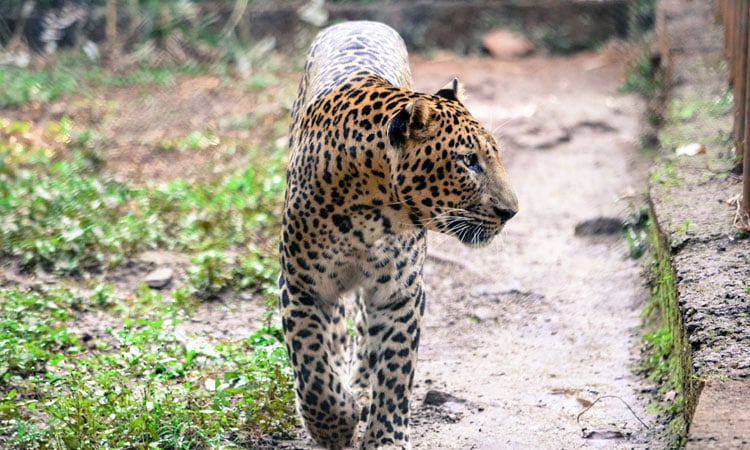
Once infamous for poaching, Panna now boasts of a successful tiger reintroduction. But the magic of Panna lies in its variety of wildlife, waterfalls, and gemstone mining history. Jungle camps near the Ken River are great for experiencing night sounds, tribal food, and guided forest hikes.
Best For: Offbeat travelers and wildlife lovers
Don’t Miss: Ken Gharial Sanctuary and Pandav Falls
Also Read: 10 Best Wildlife Safari Camps in India
6. Soft Trekking in Pench Buffer Zone – Walk with a Naturalist
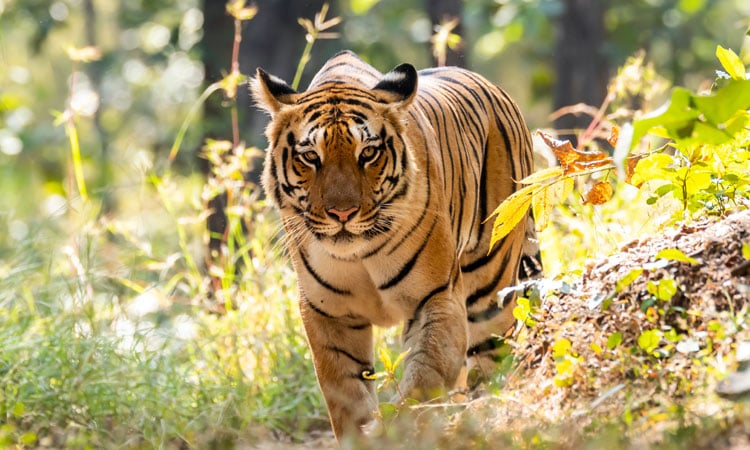
The buffer areas of Pench offer curated treks led by trained naturalists. These aren’t just about spotting animals — they’re about understanding pugmarks, medicinal plants, bird calls, and forest ecology. Ideal for school groups or eco-conscious travelers.
Best Time: Post-monsoon till March
Best For: Educational travel and families
7. Tribal Forest Tours near Mandla and Balaghat – Baiga & Gond Wisdom
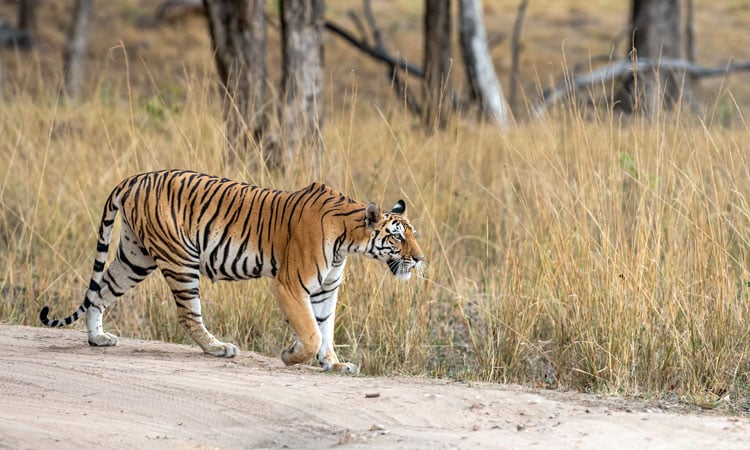
Wildlife in MP isn’t just about animals — it’s about the people who coexist with them. Villages around Kanha and Balaghat allow travelers to explore how tribes like the Baigas and Gonds live in harmony with nature. From traditional herbal remedies to forest chants, the experience is immersive.
Best Time: February–April
Don’t Miss: Fire dances, sacred groves, and baiga tattoos
8. Safari with Purpose – Citizen Conservation Experiences
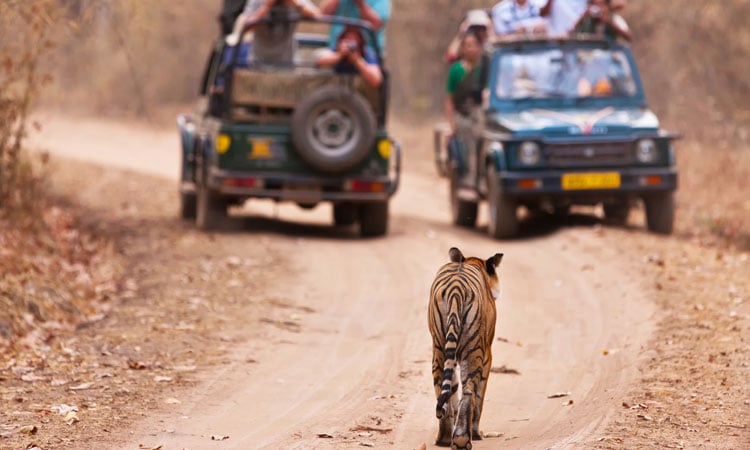
Some reserves offer conservation tourism — short-term volunteer programs where travelers assist with camera trap installation, waterhole mapping, or village awareness campaigns. Offered in collaboration with NGOs and local forest departments.
Best For: Students, wildlife photographers, and eco-volunteers
Duration: 3–7 days
How to Plan a Wildlife Trip to Madhya Pradesh in 2026
Planning a jungle holiday in Madhya Pradesh requires more than just booking a resort — permits, timing, travel distances, and local know-how matter greatly. Here’s a breakdown to help you plan better:
Pick Your Season Carefully
The best time for wildlife travel in Madhya Pradesh is November to March, when the forests are lush, animals are active, and the weather is cool.
Summer (April–June): Offers higher chances of tiger sightings due to shrinking water sources, but temperatures can hit 45°C.
Monsoon (July–September): Most national parks remain closed due to flooding and road damage. Avoid this window unless you’re heading to buffer zones with special permissions.
Book Permits in Advance
Safari bookings are zone-specific and limited in number. For high-demand parks like Kanha, Bandhavgarh, and Pench, permits can get sold out 30–60 days in advance — especially in core zones.
Book via the official MP Forest Department portal (https://forest.mponline.gov.in).
Permits are required per seat and per zone, and often sell out for sunrise slots.
ID proof (Aadhaar, PAN, Passport) is mandatory during booking.
Choose Between Core and Buffer Zones
Core zones are forest interiors where sightings are frequent but access is restricted. Buffer zones surround the core — more affordable and quieter, but with slightly reduced chances of big cat encounters.
Bandhavgarh’s Tala and Kanha’s Mukki are premium core zones.
Kanha’s Khapa or Pench’s Rukhad offer great experiences at lower costs.
Combine ancient art & jungle safari in one trip with Wildlife of Madhya Pradesh with Khajuraho Tour.
Stay in Eco-Friendly Lodges
Responsible lodges near parks do more than provide a stay — they enhance your wildlife experience.
Many partner with trained naturalists for guided walks, hide photography, and night safaris in buffer zones.
Lodges like Forsyth Lodge (Satpura), Kanha Earth Lodge, and Pashan Garh (Panna) focus on sustainability and local employment.
Tribal cultural evenings, Baiga music, and local food are often part of the stay.
Travel With a Planner
Madhya Pradesh is a large state — travel times between parks can be 4–8 hours by road. Without a planner, you risk missing safaris due to logistics.
Use tour planners who can club Pench–Kanha (4 hr drive) or Panna–Bandhavgarh (5 hr) into efficient circuits.
Get help with airport pickups, multi-park permit bookings, and forest guide coordination.
Most parks are near airports like Jabalpur, Khajuraho, and Bhopal, but require onward road travel.
Final Word: Let the Wild Call You in 2026
Whether you seek adrenaline-pumping tiger trails or silent moments by a forest stream, wildlife in Madhya Pradesh is more than a trip — it’s a deep reconnection with nature. And with renewed focus on conservation tourism in 2026, your visit will help protect what you came to witness.
Need help planning your jungle circuit in Madhya Pradesh? Get in touch with our wildlife travel experts at Indian Holiday for customized tours, permit help, and local lodge stays.
FAQs
Q: What’s the best park in MP to spot tigers?
Bandhavgarh and Kanha offer the highest sighting rates, especially in Tala (Bandhavgarh) and Mukki (Kanha) zones.
Q: Are night safaris safe?
Yes, when done through official forest vehicles and certified routes like Kuno and Bandhavgarh buffers.
Q: Can I visit these parks with children?
Absolutely. Most parks welcome families. Children above 5 years are allowed on safaris.
Q: Are there jungle stays near the parks?
Yes. From luxury jungle lodges to government rest houses, there are options for all budgets.
Q: Is it possible to cover multiple parks in one trip?
Yes. With smart planning, 2–3 parks can be combined in a 7–10 day itinerary.