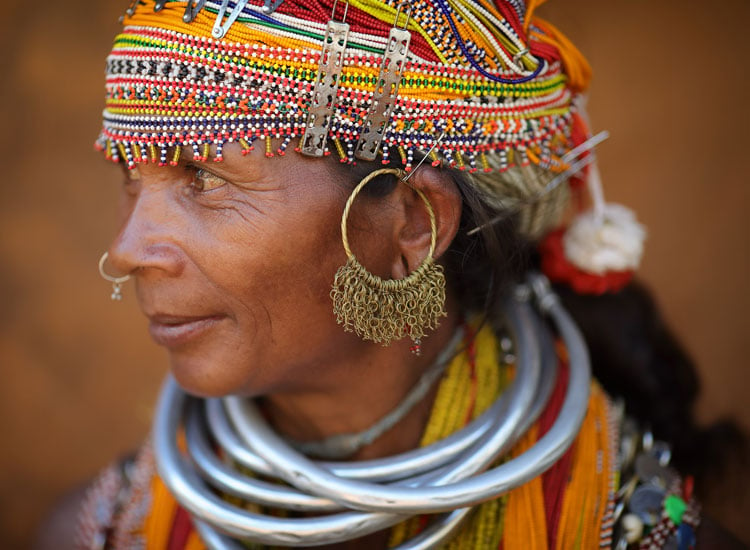
From the forested highlands of Mandla to the riverbanks of Alirajpur, Madhya Pradesh is home to over 46 recognised tribal communities, each with its own rituals, festivals, crafts, and way of life. If you’re planning a culture-focused trip in 2026, visiting tribal villages in Madhya Pradesh can open up a world far from commercial tourism — one filled with ancient wisdom, earthy hospitality, and unfiltered connection.
Here’s your curated list of tribal villages that deserve a spot on your 2026 travel map.
1. Pachmarhi Hills – Gond and Korku Culture Amidst Satpuras
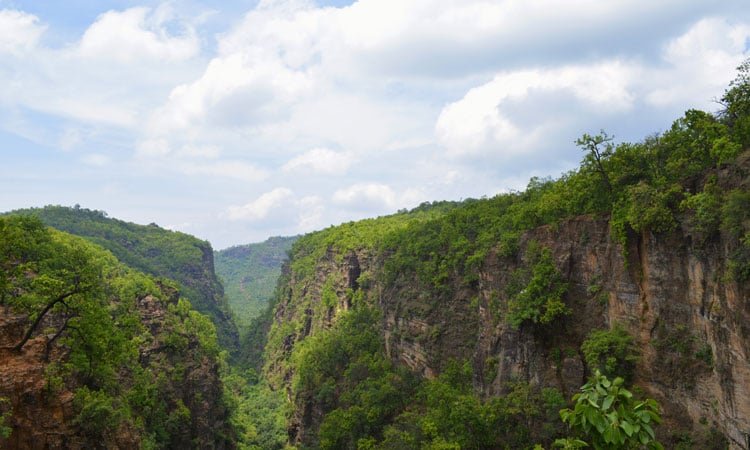
Pachmarhi is not just a hill station; it’s a cultural corridor into the forest-dwelling lives of the Gond and Korku tribes. Their settlements dot the interiors of the Satpura Tiger Reserve, where community life revolves around nature, folklore, and farming. You’ll see intricately decorated homes using red mud and cow dung, women wearing beaded jewelry, and elders narrating tales of forest spirits.
Best For: Nature lovers and cultural explorers
Don’t Miss: Tribal haat bazaars, Satpura folk songs, locally fermented mahua, traditional grain storage bins
2. Patangarh (Dindori) – Home of Gond Art
Patangarh holds legendary status in the world of tribal art. It was here that the Gond painting tradition first received national attention, thanks to Jangarh Singh Shyam. The village is like an open-air museum, with many families still engaged in wall paintings that blend animism, flora-fauna motifs, and mythical deities using fine dots and lines.
Best For: Art lovers, visual storytellers, and cultural researchers
Don’t Miss: Live painting sessions, stories behind motifs, and buying original artworks directly from artisans
Everything you need to explore the heart of India—see our Madhya Pradesh Travel Guide.
3. Baiga Chak (Mandla) – Meet the Tattooed Baiga Healers
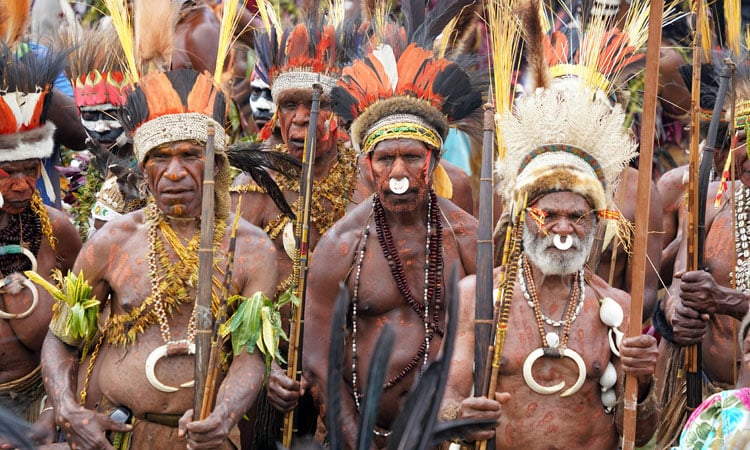
Deep in the Mandla forests lies Baiga Chak, a collection of remote forest villages where the Baiga tribe – known for herbal healing and symbolic body tattoos – lives in harmony with nature. Their lifestyle is deeply spiritual and rooted in the idea that forests are living beings to be respected, not exploited.
Best For: Forest trekking, medicinal plant exploration, and anthropological interest
Don’t Miss: Healer interactions, fire dance performances, and ritual songs sung in the Baiga dialect
Uncover the soul of the state—explore the Culture of Madhya Pradesh.
4. Alirajpur – Bhil Archery and Indigenous Festivals
A stronghold of the Bhil tribe, Alirajpur is a riot of colors, drums, and dance during its Bhagoria Festival — a pre-Holi event where young couples elope as part of tribal tradition. Beyond the festivities, Alirajpur is a place to understand indigenous warfare, bow-making techniques, and unique dress codes like men wearing lehengas during dances.
Best For: Festival tourism, tribal photography, and rural anthropology
Don’t Miss: Traditional Bhil weapons, Bhagoria haat, tribal theatre, and musical duels
Celebrate the spirit of the state with the unique Famous Festivals of Madhya Pradesh.
5. Jhabua – Black Pottery and Tribal Fashion
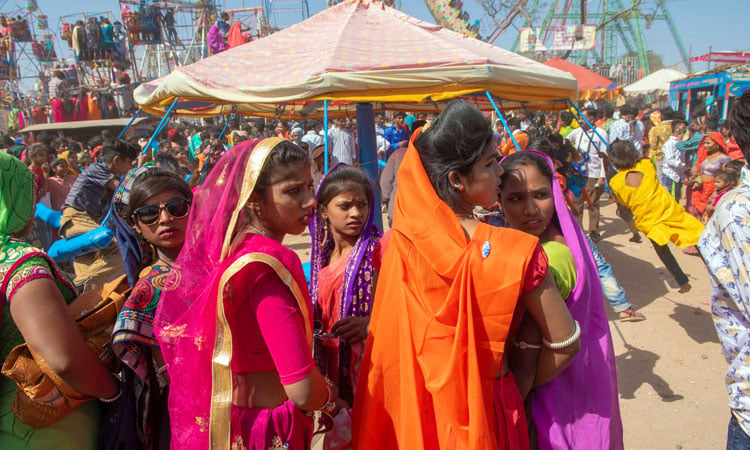
In Jhabua, tradition meets enterprise. The tribal villages are known for their black clay pottery, mirror work lehengas, and flamboyant turbans. The weekly haat (bazaar) becomes a cultural showcase where trade, matchmaking, and social bonding happen together. You’ll find tribal artisans selling silver jewelry, embroidered belts, and hand-carved walking sticks.
Best For: Traditional crafts shopping, fashion photography, and village interactions
Don’t Miss: Pottery-making sessions, silver anklet stalls, and festive attire worn by both men and women
Travel at the right time—read the best time to visit Madhya Pradesh.
6. Bamhani (Balaghat) – Bison Horn Maria Tribe Extensions
Though primarily based in Chhattisgarh, the Bison Horn Marias have cultural extensions in Balaghat’s forest fringes, especially in Bamhani village. Their martial culture, ornate headgear, and ceremonial dances are on display during local festivals and bull races. Their homes, built with sal wood and bamboo, reflect both resilience and artistry.
Best For: Rural adventure, tribal sports, and traditional warrior rituals
Don’t Miss: Cockfighting events, open-air wrestling (‘kushti’), and martial dance demonstrations
Know your travel options—read the guide on how to reach Madhya Pradesh.
7. Lodhikheda (Chhindwara) – Hidden Village Retreats
Lodhikheda is ideal for travelers seeking an unfiltered rural life amidst nature. The tribal hamlets here belong to the Gond and Korku communities, offering homestays with forest views. Observe the sacred grove’s rituals and slow-paced village life. It’s also close to Pench Tiger Reserve, making it perfect for a nature + culture combo trip.
Best For: Slow travelers, bird watchers, and seekers of peace
Don’t Miss: Harvest rituals, tribal kitchen experiences (try rice-beer and forest greens), and morning chants near groves
Visit iconic places across the state—see top Madhya Pradesh Tourist Spots.
How to Plan a Tribal Village Tour in Madhya Pradesh (2026)
Exploring tribal villages in Madhya Pradesh isn’t about sightseeing checklists — it’s about cultural respect, meaningful connections, and slow travel. Here’s how to approach it thoughtfully:
Pick 2–3 Core Regions and Stay Longer
Choose clusters like Patangarh–Dindori, Baiga Chak–Mandla, or Alirajpur–Jhabua. Spending at least 2–3 nights in each location allows you to go beyond surface-level visits and observe seasonal rituals, food prep, or even join in a local fair. Rushing through villages can feel intrusive and won’t give the experience justice.
Partner with Local Guides or Responsible Tour Operators
A verified local guide isn’t just a translator — they bridge trust with the community. Look for planners who specialize in community-based or tribal eco-tourism. They help you navigate etiquette, avoid exploitative experiences, and ensure the visit benefits locals.
Choose Ethically Run Homestays or Eco-Camps
Ask questions like: Do locals get a fair share of the fee? Are meals locally sourced? Is there cultural orientation provided to guests?
Some homestays are run by tribal families trained in hospitality under government or NGO programs — seek those for deeper immersion.
Be Mindful with Photography and Interaction
Never photograph rituals, elders, or children without verbal permission. Some tribes have taboos against image capture during sacred events or personal moments. When in doubt, ask your guide. Also, avoid gifting sweets or money directly to children — it can distort local behavior over time.
Travel with Humility, Curiosity, and Minimal Expectations
Infrastructure may be basic — mud huts, no mobile signal, or simple bathrooms — but that’s part of the charm. Go with a mindset to listen, learn, and not compare. You’ll come back with far richer memories than any five-star hotel could offer.
Learn a Few Local Words and Offer Help When Invited
Simple greetings in Gondi or Bhili dialects are appreciated. If invited, join a farm chore or food prep — it builds trust and often leads to deeper interactions. That’s where stories and insights emerge.
Respect Sacred Spaces and Environmental Norms
Many groves, stones, or rivers have spiritual value. Avoid touching or stepping into these areas without guidance. Also, carry back all plastic waste — most villages lack proper disposal facilities.
Travel Respectfully — And Return Richer
Tribal tourism isn’t about “seeing” another way of life — it’s about participating, listening, and honoring it. When done right, it leaves you richer in perspective and helps preserve these vibrant cultures.
Need help building a tribal travel plan for 2026? Talk to our Madhya Pradesh experts at Indian Holiday for curated village itineraries.
FAQs
Q: Do I need permits to visit tribal villages in Madhya Pradesh?
Ans: No ILP or official permit is required, but prior coordination is essential if visiting restricted or protected forest areas.
Q: Can I stay with tribal families?
Ans: Yes. Many villages now offer eco homestays or government-licensed tribal stays. These must be booked in advance.
Q: What’s the best time to visit tribal villages?
Ans: October to March is ideal for village visits, festivals, and cultural interaction. Summer and monsoon are best avoided.
Q: Are these villages safe for solo travelers or women groups?
Ans: Yes, but always travel with a planner or guide familiar with the area. Avoid late-evening movement and dress conservatively.