Arunachal Pradesh may be one of India’s most unexplored and serene states, but it is also one of the most regulated. Whether you’re planning a trek to Tawang, a culture trip to Ziro, or a road adventure through Pasighat, knowing about the Inner Line Permit (ILP) is crucial before you pack your bags.
This guide explains everything about the ILP for 2026 — who needs it, how to get it, exceptions, and expert tips that make the process smoother.

What is an Inner Line Permit (ILP)?
The Inner Line Permit (ILP) is an official travel document required by Indian citizens to enter the protected and sensitive areas of Arunachal Pradesh. It is issued by the State Government of Arunachal Pradesh under the Bengal Eastern Frontier Regulation Act of 1873, a law originally framed during the British colonial era to safeguard tribal cultures and control movement into certain frontier regions.
The permit system continues today to preserve the cultural integrity, ecological balance, and security of border districts in Arunachal Pradesh, many of which share boundaries with China, Bhutan, and Myanmar.
Without a valid ILP, entry is prohibited for non-residents, even for short visits.
Travelers are expected to produce the ILP at check posts and keep both printed and digital copies for smooth transit.
Who Needs an ILP to Visit Arunachal in 2026?

Here’s a detailed breakdown of who must obtain an ILP before entering Arunachal Pradesh in 2026:
Indian Citizens (Non-residents): All Indian citizens from other states are required to get an ILP before entering Arunachal Pradesh, whether traveling by road or air.
Residents of Other Northeast States: Even those from neighbouring northeastern states (except for certain exemptions for government officials) must secure an ILP.
Children:
- Children aged 14 years and above must apply for a separate ILP.
- Children below 14 can be included in the ILP of a parent or legal guardian.
NRI / PIO / OCI Holders: If they hold an Indian passport, they must apply for an ILP like any other Indian citizen. If they hold a foreign passport, they must apply for a PAP (see below).
Foreign Nationals: ILP does not apply to foreign nationals. Instead, they require a Protected Area Permit (PAP) — issued only to registered tour groups (minimum 2 people) through recognized travel agencies. This is subject to Ministry of Home Affairs clearance and additional documentation.
Where is the ILP Required in Arunachal Pradesh?
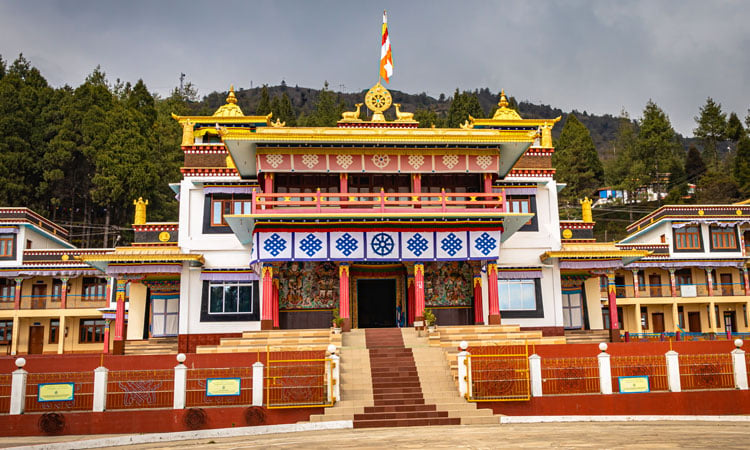
The ILP is mandatory across all districts of Arunachal Pradesh. Entry without the permit can lead to denial of access or legal complications. It is required for both tourism and transit purposes.
Key districts and destinations where ILP is required:
Tawang – including Tawang Monastery and Sela Pass
Bomdila – gateway to West Kameng
Ziro Valley – famous for Apatani villages and Myoko Festival
Itanagar – the state capital and cultural hub
Pasighat – near the Siang River Festival venue
Roing – base for Mehao Wildlife Sanctuary
Anini – remote and close to the Dibang Wildlife Sanctuary
Aalo (Along) – entry to Mechuka and Galo heartland
Mechuka – scenic border valley with spiritual significance
Even transiting through Arunachal Pradesh by road requires a valid ILP. Major ILP check-posts are located at:
Bhalukpong (West Kameng district)
Dirak Gate (between Assam and Lohit district)
Ruksin (entry to East Siang district)
Make the most of your trip with our expert tips on the best time to visit Arunachal Pradesh.
How to Apply for the ILP Online in 2026
The e-ILP (electronic Inner Line Permit) system introduced by the Government of Arunachal Pradesh makes it easy for Indian citizens to apply for entry permits digitally, without having to visit any office in person. This is the most preferred method for tourists, professionals, and students planning to visit the state in 2026.
Official Portal: https://arunachalilp.com — This is the only authorized website for online ILP applications. Be cautious of unofficial or third-party sites.
Documents Required for Online ILP Application
You will need to upload clear, valid copies of the following:
Government-issued Photo ID:
Aadhaar card, Voter ID, or Passport (ensure the ID includes your full name and date of birth)
PAN Card is not accepted as a valid document
Recent Passport-size Photograph:
In .jpg or .png format (maximum file size usually 200 KB)
Neutral background, full face visible, no filters
Itinerary Details:
Tentative travel dates
Entry and exit points (e.g., Bhalukpong, Ruksin, Dirak)
Name of place(s) to be visited
Name and address of hotel/homestay (can be approximate or booked later)
Travel smarter with this complete guide on how to reach Arunachal Pradesh.
Types of ILPs You Can Apply For
Depending on your purpose of visit, the portal lets you select from different permit categories:
Tourist ILP
For leisure travel, cultural trips, or sightseeing tours
Valid for 15–30 days (extendable with reapplication)
Temporary ILP
Issued to Indian professionals, workers, or students coming for short-term assignments, seminars, or education
Requires additional institutional reference or employer details
Group ILP
Designed for families or friends traveling together
Allows submission of up to 8–10 travelers under one application
Each applicant must upload individual ID proof and a photo
ILP Application Fees in 2026
The fees depend on the duration and permit type, but are generally modest:
Short-term ILP (15 days): ₹100
Extended ILP (30 days): ₹200
Processing + SMS charges: ~₹20 extra
Payment Modes Accepted:
- UPI (Google Pay, PhonePe, etc.)
- Debit/Credit Card
- Net Banking (ensure the transaction is completed in one session to avoid failures)
ILP Processing Time
Standard Processing Time: 1–2 working days (Monday to Friday, excluding public holidays)
During Peak Travel Months (March–May & October): Allow up to 3–4 working days due to high application volume
Express ILP Option: Some districts may allow expedited processing for urgent travel needs; contact the district tourism officer directly.
You’ll receive your ILP as a PDF file on your registered email. Download, print, and carry a copy during your journey. A digital version clearly visible on your phone is also acceptable at most check posts.
Offline Application Options (Only for Emergencies)
You can apply at the designated Deputy Resident Commissioners (DRC) offices in:
Guwahati
Kolkata
New Delhi
Shillong
Carry hard copies of your documents, two passport photos, and valid ID proof. Offline processing may take longer than online methods.
Validity and Extension of ILP
Most Tourist ILPs are valid for 15 days, extendable up to 30 days in certain cases.
Extensions must be applied for before expiry at local DRC offices or the district magistrate’s office in Arunachal.
Overstaying beyond the ILP validity can lead to fines or blacklisting.
ILP Exceptions and Special Zones
No ILP required for people entering for official government purposes (with valid documentation and proof of identity).
Some tribal areas or border-sensitive regions may require additional district-level clearance even with a valid ILP — check with your travel planner or district authority.
Changlang and Tirap districts have heightened restrictions due to security concerns — ILPs for these are vetted more strictly.
Also Read: Meghalaya Vs. Arunachal Pradesh
Common Mistakes to Avoid in 2026
Applying for last-minute permits may get delayed during peak season
Incorrect documents — especially blurry photos or mismatched ID info
Assuming ILP is not needed for short stays — even 1-day trips require it
Not printing a physical copy — checkpoints often demand hard copies
Booking non-refundable travel before ILP confirmation
Expert Tips for a Hassle-Free ILP Experience
- Apply 10–15 days in advance during festival seasons (Losar, Myoko, Dree)
- Use IH-recommended planners who can guide you on route-specific norms
- Always carry 2 physical copies and a digital soft copy on your phone
- Avoid third-party agents promising “instant ILPs” — stick to the official site
- Share your ILP details with your accommodation in advance; some homestays request it for advance check-in formalities
Final Word: ILP is Your Entry Ticket to a Hidden Paradise
The ILP might feel like a small bureaucratic step, but it’s a gateway to experiencing one of India’s last untouched frontiers. With just a bit of planning, your Arunachal Pradesh journey in 2026 can be smooth, legal, and full of discovery.
Need help with permits and itinerary planning? Talk to our Arunachal experts for custom travel support.
FAQs
Q: Can I get the ILP for Arunachal Pradesh on arrival?
No. Arunachal Pradesh does not currently offer an on-arrival ILP facility for tourists. All travelers must apply online or at designated government offices in advance. Entry without an approved permit is not allowed.
Q: Is ILP required if I’m only transiting through Arunachal?
Yes. Even if you’re just passing through (e.g., traveling from Assam to Nagaland via Arunachal), you need an ILP. Checkpoints will ask for permit details even for transit travelers.
Q: How long is the tourist ILP valid for?
Tourist ILPs are usually valid for 15 days from the date of issue. Some can be extended up to 30 days, depending on the district and reason for extension. Extensions must be applied before expiry.
Q: Can I apply for ILP offline in case of an emergency?
Yes. You can apply for the ILP offline at DRC offices in Guwahati, Kolkata, New Delhi, and Shillong. Carry two passport-size photos, a valid ID, and hard copies of your travel plan. However, this is slower than the online process.
Q: Do children need separate ILPs?
Children below 14 years of age can be included in the parents’ ILP. However, children aged 14 and above must apply separately with their own documents and photo ID.
Q: Is ILP required for Indian Army personnel or government officials?
Personnel on official duty with valid authorization letters are exempt from the standard ILP requirement. However, documentation must be shown at checkpoints and entry gates.
Q: What happens if I travel without an ILP in Arunachal?
Traveling without an ILP can lead to denial of entry, fines, or legal action under state laws. It is strictly enforced at all entry points and within district borders.