Planning a trip to Arunachal Pradesh and unsure what to pack? You’re not alone. As locals, we often meet travelers caught off-guard by sudden weather shifts, altitude dips, or the lack of city-style amenities. So here’s your go-to, no-nonsense guide on packing smart for the land of the rising sun — tailored for every season of 2026.
Whether you’re trekking in Tawang, strolling through Ziro’s paddy fields, or attending a tribal festival, the right packing list can mean the difference between a smooth vacation and an uncomfortable one.
What’s the Weather Like in Arunachal Pradesh Throughout the Year?
Arunachal Pradesh experiences five distinct travel seasons, each offering a diverse landscape and set of experiences. Knowing the weather will help you pack smart and plan better:
Spring (March to April)
Climate: Cool and pleasant, with blooming rhododendrons and apple blossoms. Days are mild, but evenings can drop to 8–10°C.
Why Visit: Ideal for light treks, sightseeing, and festivals like Myoko in Ziro or Mopin in Along.
Summer (May to June)
Climate: Valleys can be warm (20–28°C), but the hills remain cool. Pre-monsoon showers may begin in late June.
Why Visit: Great for exploring Dirang, Sangti Valley, and Bhalukpong. Rivers swell, waterfalls gush, and the air is earthy and fresh.
Monsoon (July to September)
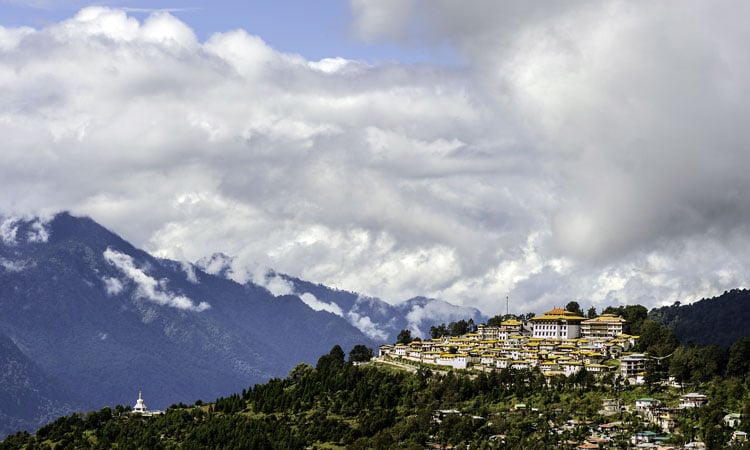
Climate: Heavy rain, misty forests, and frequent landslides. Some areas may be temporarily inaccessible.
Why Visit: Only for the bold and weather-prepared. Monsoon paints the landscape green but demands flexibility.
Autumn (October to November)
Climate: Crisp days, chilly nights. Perfect post-monsoon visibility with golden forests and snow-dusted peaks.
Why Visit: This is peak travel season — attend cultural festivals, go on road trips, and enjoy panoramic views.
Winter (December to February)
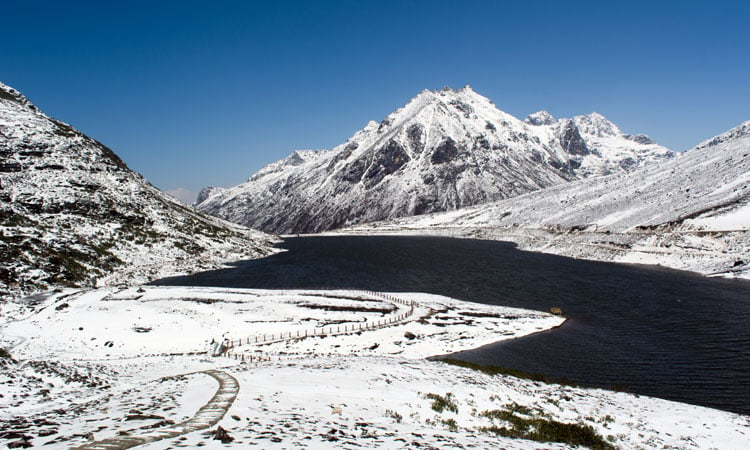
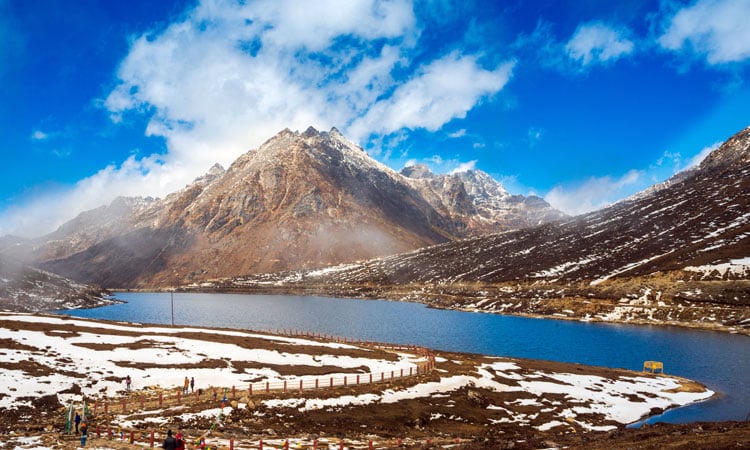
Climate: Harsh in high-altitude areas. Temperatures can drop to -15°C in Tawang or Se La Pass.
Why Visit: For snow lovers, photographers, and cultural travelers attending the Torgya Festival.
See what makes the Northeast special with the Best of Arunachal Pradesh.
Season-Wise Packing Lists: What Should I Carry for Each Season?
Spring (March–April)
Perfect for scenic walks, monastery visits, and lighter trekking.
Essentials:
Light woollens + 1 windproof jacket
Comfortable walking shoes (non-slip)
UV sunglasses, cap, and sunscreen
Personal medicines (especially for altitude)
Moisturizer + lip balm (dry air)
Headlamp or torch + power bank
Summer (May–June)
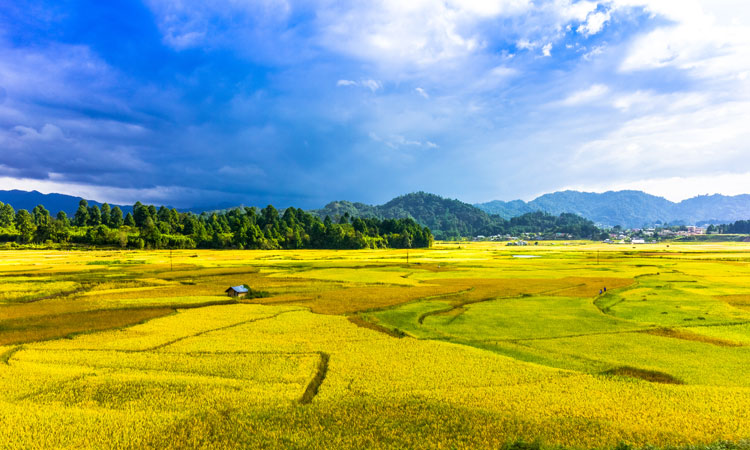
Warm and active — ideal for exploring valleys, rivers, and cultural villages.
Essentials:
Full-sleeve cotton shirts + quick-dry trousers
Lightweight raincoat or poncho
Mosquito repellent and sunblock
Waterproof daypack or sling bag
Hat + refillable water bottle
Camera with rain cover/dry bag
Monsoon (July–September)
Adventurous yet risky — for those okay with changing plans.
Essentials:
Full rain gear: poncho + waterproof pants
Trekking sandals or floaters
Zip-lock pouches for phones/documents
First aid kit (anti-leech cream, antiseptic, painkillers)
Energy bars, ready snacks, and electrolyte sachets
Offline maps downloaded on your phone
Autumn (October–November)
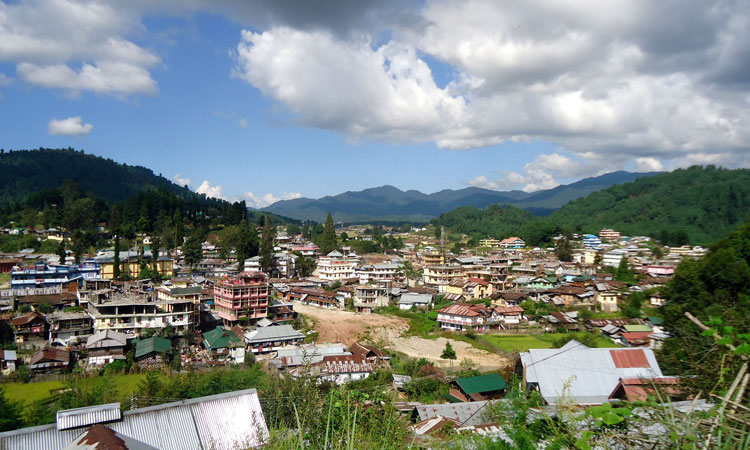
This is the best time to visit Arunachal — everything looks alive and fresh post-monsoon showers.
Essentials:
Layered clothing (tees, fleece, light down jacket)
Binoculars for birdwatching
Extra camera batteries
Reusable bottle + high-calorie snacks
Face mask or scarf (dusty roads)
Good socks + walking shoes
Winter (December–February)
Snow, stillness, and stunning Himalayan vistas — but come prepared.
Essentials:
Thermal innerwear (2 sets recommended)
Heavy down jacket + gloves + muffler
Snow boots or insulated trekking shoes
Moisturizer + lip balm + hand cream
Hot water flask (many homestays don’t have geysers)
Sunglasses for snow glare + power bank
For nature seekers and hikers, don’t miss Trekking in Tawang.
Common Packing Mistakes to Avoid
Even seasoned travelers often forget the basics in remote destinations like Arunachal:
Don’t Make These Errors:
Relying only on Google Maps online, no signal in remote belts like Se La or Bumla Pass
Forgetting photocopies of ID — you’ll need them at army posts and hotel check-ins
Carrying only high-value notes (₹500/₹2000) — rural shops often lack change
Wearing open sandals in forested/leech zones — use closed-toe shoes with grip
From monasteries to valleys—see what’s unmissable in places to visit in Arunachal Pradesh.
When Should You Visit Arunachal Pradesh in 2026?
The best time depends on what kind of experience you’re looking for:
| Travel Intent | Best Months |
|---|---|
| Treks & Scenic Drives | March–April, October–November |
| Snow & Winter Landscapes | December–February |
| Culture & Festivals | April (Myoko), October (Dree), January (Torgya) |
| Avoiding Rain & Landslides | March–June, October–November |
Get weather insights before you go—check our guide to the best time to visit Arunachal Pradesh.
Packing Summary – Essentials at a Glance
| Item Type | Must-Pack Items |
|---|---|
| Clothes | Layered outfits, thermals (Dec–Feb), rain gear (Jul–Sep) |
| Accessories | Torch, power bank, scarf/stole, sunglasses |
| Documents | Aadhaar/passport + 4–5 photocopies |
| Health & Safety | Basic meds, ORS, sanitizer, repellent, moisturizers |
| Others | Camera, reusable bottle, snacks, and offline maps |
Final Tips Before You Leave for Arunachal Pradesh
1. Label All Luggage Clearly (Inside & Outside)
Many homestays and shared taxis have limited storage or communal baggage areas, especially during peak season.
2. Keep Both Digital & Physical Copies of Your Permits
The Inner Line Permit (ILP) is mandatory and checked at various army and police posts (esp. in Tawang, Ziro, Mechuka, and Bomdila).
Explore the cultural diversity—discover the Tribes of Arunachal Pradesh.
3. Confirm Basic Amenities in Advance — Especially Hot Water
Hot running water is NOT standard, even in town homestays. Many provide heated buckets on request — often at specific hours.
Call ahead (not just text) to confirm:
- If hot water is available
- Whether it’s bucket-only or geyser-enabled
- What time is it accessible (some provide only in the mornings)
4. Check Road and Weather Conditions (Daily, Not Just Once)
Border routes like Bumla Pass, Se La, Mechuka, and Anini are subject to army checks, landslides, and weather closures.
Check:
- BRO Twitter handles for real-time road status
- Local homestay WhatsApp groups (IH planners often have access)
- Army checkpoints (keep local emergency numbers handy)
5. Set Up Emergency Communication Backup
While mobile networks have improved, some high-altitude areas still suffer complete blackouts.
Steps to take:
- Save offline Google Maps of all travel zones
- Share live location + daily plan with an IH ground contact
- Keep a power bank (10,000–20,000 mAh) with solar backup if possible
Still Confused? Ask Us for a Custom Plan
Don’t let packing overwhelm you. Our experts can help you choose the right routes, permits, stays, and packing checklist tailored to your dates and preferences.