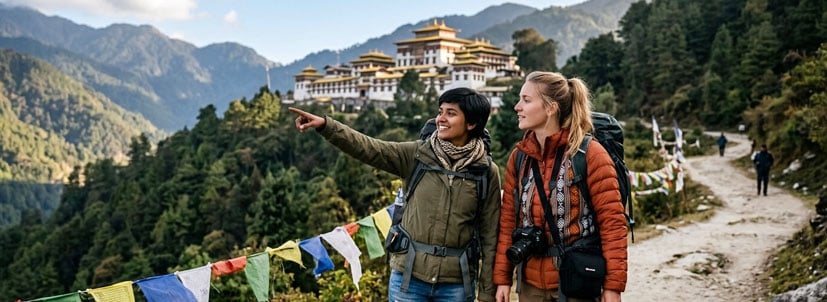
For years, the Northeast has carried an outdated label — “too remote, too risky.” And among Indian travelers, especially solo women, Arunachal Pradesh often feels like uncharted territory. But is it still unsafe in 2026? Or is that just a lingering myth?
Let’s clear the fog. Arunachal is changing — and fast. Roads are better, locals are more tourism-aware, homestays are safer, and female-led travel is finally rising. This blog breaks down what’s really happening on the ground in 2026 — and how you can plan a confident, unforgettable trip.
Why Trust Us with This Topic?
At Indian Holiday, we’ve been curating Northeast trips for over 20 years, including customized plans for solo female travelers from across India and abroad. In 2024 alone, over 400+ inquiries came from solo and duo travelers heading to Arunachal. Our on-the-ground partners, verified guides, and repeat customers provide us with daily insights into what’s safe — and what’s not.
Quick Facts for 2026 Travelers
Everything you need to know before you go—check our Arunachal Pradesh Travel Guide.
The Big 7 Safety Shifts in Arunachal Travel (2026)
1. Improved Roads Mean More Control
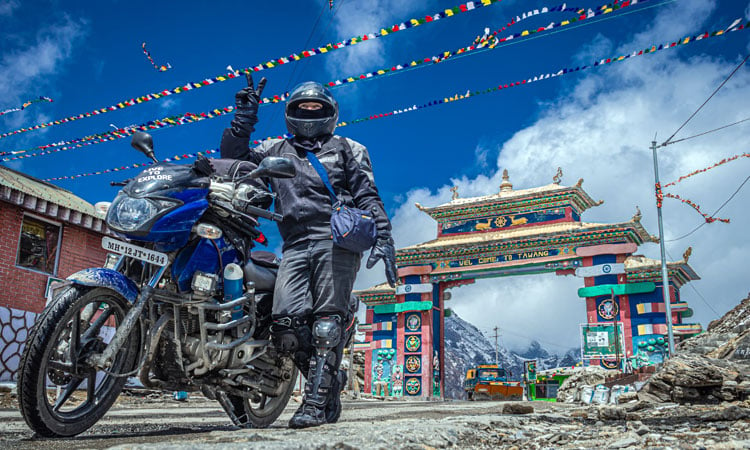
Earlier, navigating Arunachal meant braving bumpy, unpaved roads with limited signage — often in shared jeeps with fixed timings. Today, thanks to Border Roads Organisation (BRO) projects completed in 2023–24, routes connecting Tawang, Dirang, Bomdila, Ziro, and Itanagar have been vastly improved. Paved surfaces, better altitude gradients, and clearer milestones now give solo and female travelers more control over their schedule.
Why this matters: You can now plan early morning departures, make spontaneous detours, or halt at viewpoints — without fearing breakdowns or night travel hazards.
2. Mobile Connectivity Has Reached Key Zones
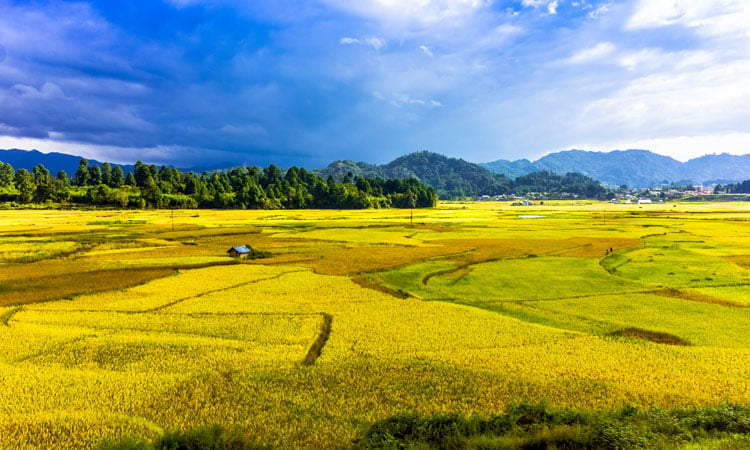
Even just a few years ago, Arunachal was known as a “black zone” for mobile signals. That’s changed rapidly. As of 2026, Jio and Airtel now cover over 70% of popular travel circuits, especially in and around Tawang, Ziro, Bomdila, and Pasighat. Internet data may still fluctuate, but basic calling and WhatsApp access are stable in towns and near army installations.
Real Story: Solo traveler Sneha from Bengaluru shared live photos and coordinates from Bumla Pass over WhatsApp last October — something unimaginable just 2 years ago.
3. Solo-Friendly Homestays Are Gaining Ground
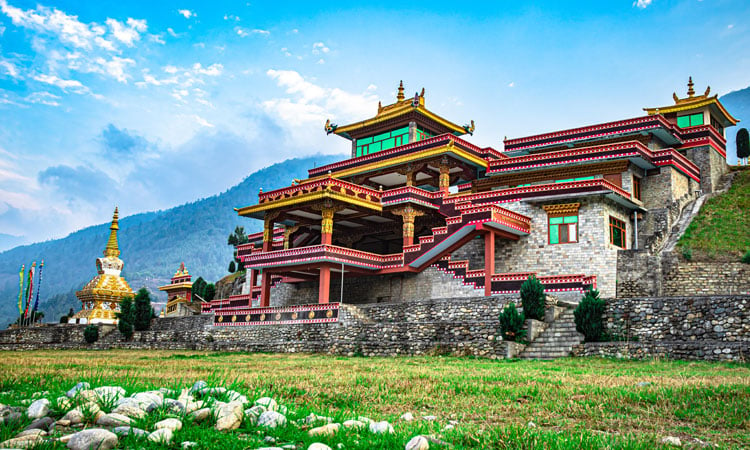
The rise of verified, IHPL-recommended family-run homestays has transformed the solo experience. Over 35+ such stays now operate in circuits like Ziro, Tawang, Dirang, Aalo, and Mechuka. These aren’t just safe — they’re personal, heartwarming, and deeply helpful for planning, food, and local insights. Most hosts treat solo travelers like family.
Mistake to Avoid: Do not rely on walk-in bookings. Homestays fill up fast in season (April–June, Oct–Nov). Always pre-book and confirm directly or through a trusted platform like IHPL.
Ask Us: For solo-friendly or women-run stays vetted by our on-ground team.
4. Locals Are Genuinely Welcoming
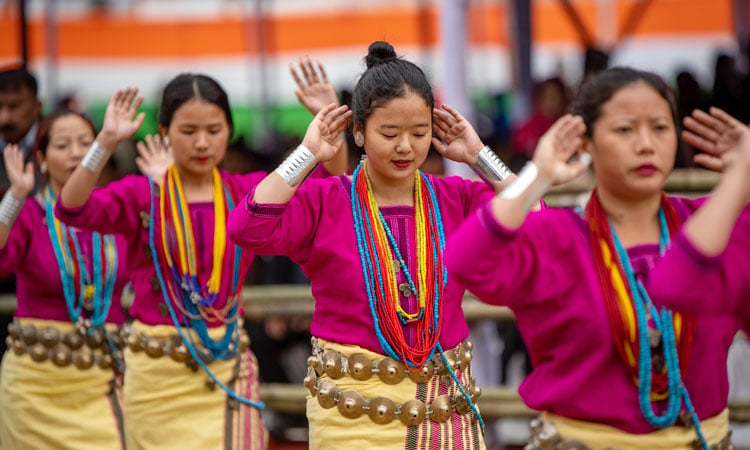
What makes Arunachal unique isn’t just its landscapes — it’s the hospitality of its indigenous tribes like the Monpas, Apatanis, Nyishis, Galos, and Tagins. Solo and female travelers consistently report that locals — even in the most remote hamlets — offer directions, shelter, food, and protection without being intrusive.
Cultural Insight: In Monpa and Apatani culture, hospitality is considered sacred. Return a smile, accept tea when offered, and avoid entering religious spaces without guidance.
Safety Insight: In many villages, community elders or women often take personal responsibility for visitor safety — a rare kind of grassroots protection.
5. Female Guides and Hosts Are Emerging
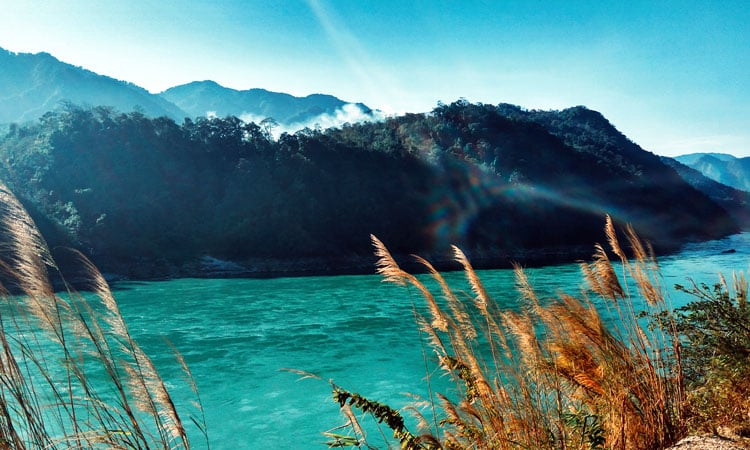
A quiet revolution is underway. More women across Tawang, Ziro, Pasighat, and Aalo are stepping up as licensed guides, café owners, weavers, and eco-tourism hosts. Some run all-women collectives, offering weaving tours, cooking classes, and guided treks.
Why this matters: For solo women travelers, this means the option to choose women-led routes, stays, and excursions — adding both comfort and empowerment to the experience.
6. Permit Process is 100% Online Now
Gone are the days when travelers had to stand in queues at Itanagar or Guwahati to get their Inner Line Permit (ILP). In 2026, the entire ILP process — including payment and approval — happens digitally.
What you need: Aadhaar or passport, travel dates, and state entry point details.
Apply here: https://arunachalilp.com
Do You Need ILP for Arunachal in 2026?
7. Digital Safety Tools Are Travel Norms
Today, most solo travelers rely heavily on digital safety tools — from live location sharing with family or travel planners to saving important maps and contact numbers offline.
Fact: 90% of IHPL’s solo travelers in 2024 used WhatsApp location sharing, offline Google Maps, and downloadable itineraries every day during their trip.
Myth vs Reality: 2026 Edition
| Myth | Reality |
|---|---|
| “Too remote to be safe” | Key zones now have a strong Army and tourism presence |
| “Locals don’t welcome outsiders.” | Arunachalis are some of the warmest hosts in India |
| “No phone signal = unsafe” | Mobile coverage is now available in Tawang, Ziro, and Bomdila |
| “No solo women go there.” | 100+ Indian solo female travelers visited Tawang via IH in 2024 |
| “I can’t manage as a first-timer.” | With a vetted plan and local help, even first-timers thrive |
How to Book Smarter in 2026 – A 5-Step Action Plan for Women Travelers
1. Define Your Safety Zone and Comfort Level
Before picking a destination in Arunachal, assess how remote you’re willing to go — both mentally and logistically. If it’s your first trip as a solo or female traveler, start with Tawang (monastic circuit) or Ziro (eco-cultural circuit). These places have:
Verified accommodations
Stable mobile networks
Army/military outposts nearby
Women-friendly public spaces like cafés and marketplaces
See what makes the Northeast special with the Best of Arunachal Pradesh.
2. Get Your ILP Early — Yourself
The Inner Line Permit (ILP) is mandatory for all visitors to Arunachal. Avoid middlemen or local agents who promise “express” processing.
Use the official portal: https://arunachalilp.com
Upload clear ID proof (passport or Aadhaar), and double-check your travel entry/exit dates
Apply at least 7–10 days in advance if you’re planning during festivals or long weekends
3. Pre-Book Every Stay — And Get Direct Confirmation
In Arunachal, walk-in bookings are risky, especially for solo women. Some regions may have limited room availability, and power/network issues make last-minute confirmations difficult.
Choose IH-vetted homestays or boutique properties that confirm your booking on WhatsApp and are open to live check-ins during your journey
Ask in advance:
- Is there a woman host or caregiver on site?
- Are the washrooms Western-style and well-lit?
- Is drinking water and heating available at night?
Never book a stay that refuses to answer your questions clearly.
Getting there made simple—check how to reach Arunachal Pradesh.
4. Limit Movement After Dark — Even in Towns
While Arunachal is safer than many metro cities, it is still largely rural, low-lit, and sparsely populated after dark. Most locals wind down early — shops close by 7–8 PM.
Ideal Rule: Complete all travel, walks, and dinner by sunset (around 5–6 PM)
Use this time instead for:
- Reading by the fireplace
- Sharing your day’s photos with family
- Evening chats with hosts or fellow travelers
If you must go out: Always carry a flashlight, stay in group settings, and avoid shortcuts or unfamiliar trails.
5. Assign a Daily Check-in Contact
Solo travel should never mean untracked travel. IHPL now assigns:
A dedicated WhatsApp-based planner
A local ground coordinator (from the same region you’re exploring)
These contacts track your itinerary, confirm check-ins, and are your first alert system if you miss a response window.
Choose when to travel—see the best time to visit Arunachal Pradesh.
Questions to Ask Before You Book as a Solo Woman Traveler
Does this homestay accept solo female guests?
(Always clarify this — not all family homes may be comfortable hosting solo women due to cultural reasons.)Is there a woman in the family or team I can reach out to?
(Even a female cook or sister can offer comfort in case you feel unwell or need help.)Is my driver familiar with the route + local dialects?
(Drivers act as your first line of support in remote zones — language matters.)Are clean bathrooms and hot water available throughout the day?
(Important for hygiene, especially if traveling during your period.)Can I share my itinerary with someone daily?
(The planner’s yes should come with tracking options — not just “noted.”)
Final Word: Yes, It’s Safe — If You Plan Smart
Arunachal isn’t unsafe — it’s untamed. And that’s the beauty of it. In 2026, more solo women are exploring its valleys than ever before. With the right route, a reliable planner, and local insight, you’re not just safe — you’re empowered. – Click here
FAQs – Real Concerns from Women Travelers
Q: Is Arunachal safe for solo Indian women in 2026?
Yes — especially if you’re sticking to Tawang, Ziro, or Dirang and using verified guides and homestays.
Q: What areas should I avoid?
Border-sensitive zones near China, like Kibithu, require Army clearance. Go only with official plans.
Q: Are group tours safer?
They’re easier to manage. But with a good planner, solo travel is equally safe.
Q: Should I hire a local guide?
Yes, especially for hikes or cultural walks. It also ensures language comfort.
Q: Can IHPL help with a safety-focused itinerary?
Yes — we create tailored plans with trusted hosts, verified drivers, and route-level tracking.